Does Inflight Entertainment Use Wi Fi On Your Flight
Inflight entertainment systems have evolved dramatically, and many now rely on Wi-Fi technology to deliver movies, shows, and internet to passengers at cruising altitude. Airlines use either air-to-ground networks or satellite-based Wi-Fi to keep travelers connected. Understanding how inflight Wi-Fi works can help you make smarter choices about staying productive or entertained on your next trip.
This is a comprehensive guide about Does Inflight Entertainment Use Wi Fi.
Key Takeaways
- Inflight entertainment uses Wi-Fi: Most modern airlines use Wi-Fi technology to deliver movies, TV shows, and streaming content to passenger screens.
- Two main systems exist: Airlines rely on either air-to-ground networks or satellite-based connections for inflight connectivity.
- Free and paid options are available: Some airlines offer complimentary Wi-Fi, while others charge fees that vary by flight duration and data speed.
- Bandwidth limits streaming quality: Wi-Fi speeds on planes are much slower than home internet, which affects streaming and video calls.
- Your own device matters: Bringing a portable Wi-Fi hotspot or using your phone’s hotspot can sometimes supplement airline Wi-Fi.
- Bluetooth and Wi-Fi serve different roles: Wireless headphones and device pairing work differently than inflight Wi-Fi systems.
[FEATURED_IMAGE_PLACEHOLDER]
Does Inflight Entertainment Use Wi-Fi?
The short answer is yes. Most modern inflight entertainment systems use Wi-Fi in one way or another. When you settle into your seat and browse a library of movies or TV shows on a plane, that content is often delivered through a wireless network built into the aircraft. This network connects to servers either on the ground or in space, depending on the system the airline uses.
The experience has changed a lot over the past decade. Older planes used seatback screens connected by wired systems. Today, many airlines offer streaming inflight entertainment that sends content directly to your personal device through the plane’s Wi-Fi network. This shift has made flying more enjoyable for millions of passengers.
But here is the thing. Not all Wi-Fi on planes is the same. The technology behind inflight connectivity varies by airline, aircraft type, and route. Some systems are fast enough for smooth streaming. Others are slow and frustrating. Understanding these differences helps you set realistic expectations before you board.
So when you ask, does inflight entertainment use Wi-Fi, the answer is a clear yes. But the quality and type of that Wi-Fi depends on several factors we will explore in this article.
How Inflight Wi-Fi Systems Work
Airlines use different technologies to bring Wi-Fi to the cabin. Each system has its own strengths and limitations. Here is a simple breakdown of how these systems operate.
Air-to-Ground Wi-Fi
Air-to-ground systems work like a cell tower network but for airplanes. Antennas on the bottom of the aircraft connect to cell towers on the ground as the plane moves along. This is similar to how your phone switches towers when you drive on a highway.
These systems work well over land. They provide decent speeds for browsing and streaming. However, they do not work over oceans or large bodies of water where there are no cell towers. Airlines that fly mostly domestic routes in the United States often use air-to-ground systems because the coverage is strong across the country.
Satellite-Based Wi-Fi
Satellite systems connect planes to ground stations through orbiting satellites. This means the Wi-Fi works over oceans, deserts, and remote areas where air-to-ground towers cannot reach. Most international flights rely on satellite-based inflight Wi-Fi.
Satellite technology has improved a lot in recent years. Newer satellites offer faster speeds and lower latency. Some airlines now use Ka-band or Ku-band satellite systems that can deliver speeds comparable to home internet. But older satellite systems can still feel sluggish, especially when many passengers try to stream at once.
Hybrid Systems
Some airlines use a combination of both air-to-ground and satellite systems. This hybrid approach gives passengers better coverage on different routes. A flight over the US might use ground-based towers, while the same plane over the Atlantic switches to satellite. This ensures a more consistent wireless connectivity experience throughout the journey.
What Content Does Inflight Wi-Fi Deliver?
The content available through inflight entertainment has expanded well beyond a few dozen movies on a small screen. Today, Wi-Fi-powered systems offer a wide range of options for passengers.
Movies and TV Shows
Most airlines offer a library of movies and TV shows that stream to your device. The selection varies by airline. Some carriers partner with major studios to offer new releases. Others focus on classic films and popular series. The content is stored on local servers or streamed live through the plane’s inflight data connection.
Live TV and Sports
Several airlines now offer live television through their Wi-Fi systems. You can watch news, sports, and live events while flying. This is especially popular on long-haul flights where passengers want to stay updated. The quality depends on the bandwidth available, but most airlines manage to deliver a smooth viewing experience.
Music and Podcasts
Music streaming and podcasts are also part of the modern inflight experience. Wi-Fi allows passengers to access platforms like Spotify or Apple Music directly through the airline app. This is a great option for travelers who prefer audio entertainment over video.
Games and Interactive Content
Some airlines offer games and interactive content through their Wi-Fi networks. These can include trivia, puzzles, and multiplayer games that work between passengers on the same flight. The low latency of newer Wi-Fi systems makes these options more enjoyable than older systems ever could.
Can You Use Your Own Wi-Fi Devices on a Plane?
Many passengers wonder if they can use their own Wi-Fi devices during a flight. The answer depends on the airline and the phase of flight. Here is what you need to know.
Most airlines allow passengers to use electronic devices in airplane mode throughout the flight. This means you can use your phone, tablet, or laptop for offline activities. But when it comes to connecting to the plane’s Wi-Fi, there are specific rules and options.
Using a Portable Wi-Fi Hotspot
Some travelers bring a portable Wi-Fi hotspot for extra connectivity. These devices create a personal network that your devices can connect to. However, using a hotspot on a plane is generally not allowed because it can interfere with the aircraft’s communication systems. Always check with your airline before bringing one onboard.
Connecting Your Phone to the Inflight Network
Most airlines now let you connect your personal devices to the plane’s Wi-Fi network. You simply turn on Wi-Fi, select the airline’s network, and follow the login prompts. Once connected, you can browse the internet, check email, or even stream content from the airline’s app.
Keep in mind that speeds vary. On a full flight with hundreds of passengers all using the network, the bandwidth gets shared. This can slow things down significantly. For the best experience, try connecting during off-peak hours or use the airline’s inflight streaming service which often uses less data.
Connecting Wi-Fi to Your Personal TV or Tablet
If you want to mirror content from your device to a larger screen, you can sometimes connect Wi-Fi directly to your TV using casting or screen mirroring. This works well for passengers who want to watch content from their laptop or tablet on a bigger display. Just make sure the airline’s Wi-Fi supports this type of connection.
How Fast Is Inflight Wi-Fi?
The speed of inflight Wi-Fi varies widely. It is nowhere near as fast as your home broadband connection. But it has improved dramatically in recent years.
Typical Speeds You Can Expect
- Basic browsing: Most inflight Wi-Fi systems handle email and web browsing without issues. Speeds of 1 to 5 Mbps are common on many airlines.
- Standard definition streaming: SD video requires about 3 to 5 Mbps. Many airline networks can handle this for one or two devices at a time.
- High definition streaming: HD video needs 5 to 10 Mbps per device. This is where inflight Wi-Fi struggles most, especially on full flights.
- Video calls: Video conferencing requires stable speeds of 3 to 8 Mbps. Latency can be a problem on older satellite systems.
Why Is Inflight Wi-Fi Slower Than Home Wi-Fi?
Several factors affect inflight Wi-Fi speed. First, the bandwidth is shared among all passengers on the plane. A fully booked Boeing 777 with 300 passengers all trying to stream video puts a huge strain on the network. Second, the technology itself has physical limitations. Signals traveling to and from satellites or ground towers take longer than a direct home router connection.
Third, airlines often prioritize certain types of traffic. Email and messaging get priority over video streaming to keep the network functional for everyone. This means your streaming quality may drop during peak usage times.
Free vs. Paid Inflight Wi-Fi
The cost of inflight Wi-Fi varies a lot from airline to airline. Some carriers offer it for free, while others charge premium prices. Here is a look at the current landscape.
| Airlines | Wi-Fi Cost | Free Tier Available | Streaming Allowed |
|---|---|---|---|
| JetBlue | Free | Yes | Yes |
| Delta | Paid (varies) | Basic messaging free | Yes (paid) |
| United | Paid (varies) | Basic messaging free | Yes (paid) |
| American | Paid (varies) | Basic messaging free | Yes (paid) |
| Southwest | Paid (varies) | No | Yes (paid) |
| Alaska Airlines | Paid (varies) | Basic messaging free | Yes (paid) |
As you can see, JetBlue stands out as the airline offering free Wi-Fi to all passengers. Most other carriers charge for full-speed internet access. Some offer a free tier that only supports messaging apps like iMessage and WhatsApp. If you want to stream movies or browse at full speed, you will likely need to pay.
Tips for Getting the Best Inflight Wi-Fi Experience
Want to make the most of your inflight Wi-Fi? Here are some practical tips that can help.
- Download content before your flight. Streaming on a plane is not always reliable. Download movies, shows, and music to your device before you board. This way you have entertainment even if the Wi-Fi is slow or unavailable.
- Use the airline’s app. Many airlines offer their own entertainment apps that are optimized for inflight Wi-Fi. These apps often use less data and provide a smoother experience than a web browser.
- Charge your devices fully. Power outlets are not always available on every flight. A fully charged device ensures you can enjoy entertainment without worrying about battery life.
- Bring a pair of wireless headphones. Most inflight entertainment systems support Bluetooth headphones. Just make sure your device is in airplane mode and Bluetooth is enabled after takeoff.
- Be mindful of other passengers. If you are on a video call, keep your volume low. Not everyone wants to hear your conversation at 35,000 feet.
- Check your airline’s Wi-Fi policy before booking. Some airlines include Wi-Fi in their premium fares. Others charge a flat fee or offer hourly passes. Knowing the cost upfront helps you plan better.
Common Mistakes Passengers Make with Inflight Wi-Fi
Avoid these common mistakes to get a better experience on your next flight.
- Assuming Wi-Fi is always available. Not all flights offer Wi-Fi, especially on smaller regional jets. Check your airline’s website or app before assuming you will have connectivity.
- Expecting home internet speeds. Inflight Wi-Fi is slower than most home connections. Set realistic expectations and plan your activities accordingly.
- Forgetting to switch to airplane mode. Always enable airplane mode first, then turn Wi-Fi back on. This prevents interference with the aircraft’s systems and ensures a stable connection.
- Not logging in early. The Wi-Fi login page can take time to load. Connect as soon as the crew allows device usage to give yourself time to troubleshoot any issues.
- Ignoring data limits. Some airlines throttle speeds after a certain data threshold. If you plan to stream several movies, check if there are data caps on your plan.
The Future of Inflight Wi-Fi and Entertainment
The future of inflight Wi-Fi looks promising. Airlines are investing heavily in better connectivity to meet passenger demand. Several exciting developments are on the horizon.
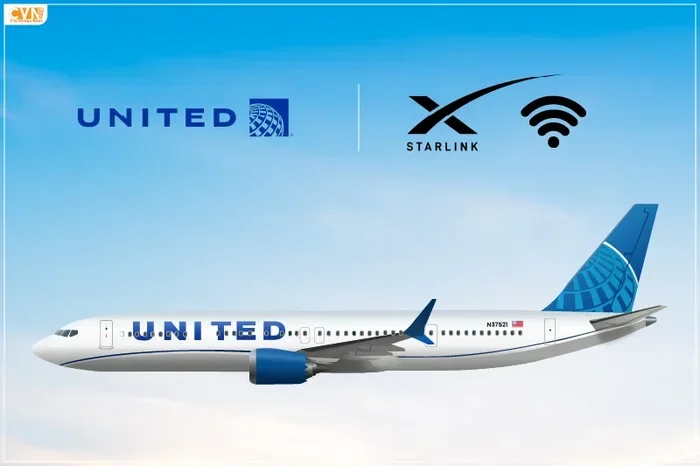
Next-generation satellite systems promise much faster speeds and lower latency. Companies like Starlink are already testing satellite Wi-Fi on commercial flights. Their low-earth orbit satellites can deliver speeds up to 200 Mbps, which is enough for smooth 4K streaming even on a full flight.
Airlines are also moving toward personalized entertainment experiences. Instead of shared seatback screens, many carriers now let passengers use their own devices. This means you get access to a wider selection of content and a more private viewing experience.
Some experts predict that within the next five years, free high-speed Wi-Fi will become standard on most major airlines. The competition for customer satisfaction is driving this change fast. Airlines that offer excellent connectivity have a clear advantage in attracting frequent flyers.
How Inflight Wi-Fi Compares to Ground-Based Wireless Technology
Inflight Wi-Fi is fascinating, but how does it compare to the wireless technology you use every day on the ground? The short answer is that the underlying principles are similar, but the implementation is very different.
On the ground, your Wi-Fi router sends signals a few hundred feet to your devices. On a plane, signals travel miles to satellites or ground towers and back. This distance creates latency, which is the delay between sending a request and receiving a response. Even with the best satellite systems, latency on a plane is higher than what you experience at home.
Another key difference is signal interference. On the ground, your Wi-Fi signal competes with other nearby networks. On a plane, the aircraft’s fuselage acts as a shield, and the antenna system is specifically designed to maintain a stable connection while moving at 500 miles per hour. This engineering feat is what makes inflight Wi-Fi possible in the first place.
Staying Connected: Inflight Wi-Fi and Your Smart Devices
Your smart devices play a big role in how you enjoy inflight entertainment. Most modern smartphones, tablets, and laptops can connect to the plane’s Wi-Fi network without any special setup. Just make sure your device supports the Wi-Fi bands that the airline uses.
Some older devices may struggle with the specific frequencies used by airline Wi-Fi systems. If you have trouble connecting, try restarting your device or forgetting the network and reconnecting. Keeping your device’s software updated also helps ensure compatibility with the latest inflight networks.
For passengers who use smartwatches or fitness trackers, note that these devices typically do not support inflight Wi-Fi connections. They rely on Bluetooth pairing with your phone, which is allowed in airplane mode after takeoff. This is a different technology than the Wi-Fi and Bluetooth frequency comparison that affects how these wireless signals work in the cabin.
Final Thoughts
So, does inflight entertainment use Wi-Fi? Absolutely. The modern flying experience depends heavily on wireless technology to deliver movies, shows, music, and internet to passengers in the sky. Whether you are flying coast to coast or across the Atlantic, Wi-Fi plays a central role in keeping you entertained and connected.
The technology has come a long way from the days of bulky seatback screens and limited content. Today, you can stream your favorite shows, video chat with family, and browse the web from 35,000 feet. The experience is not perfect yet, but it is getting better every year.
Next time you board a flight, take a moment to appreciate the engineering behind the Wi-Fi system. It is a remarkable feat of technology that keeps millions of passengers entertained and productive every single day. And with companies like Starlink pushing the boundaries of satellite connectivity, the inflight experience is only going to get better from here.
Whether you are a frequent flyer or an occasional traveler, understanding how inflight Wi-Fi works helps you make the most of your time in the air. Download your favorites before you go, bring a charged device, and enjoy the journey. Safe travels.
Frequently Asked Questions
Do all airlines offer Wi-Fi on their flights?
No, not all airlines offer Wi-Fi. Most major carriers provide some form of inflight connectivity, but budget airlines and regional carriers may not. Check with your airline before booking if Wi-Fi is important to you. Some airlines offer Wi-Fi only on certain aircraft types or routes.
Can I stream Netflix or Hulu during a flight?
It depends on the airline and the Wi-Fi system. Some airlines allow streaming through their own apps or partner platforms. Others block streaming services entirely. Even when streaming is allowed, speeds may be limited. Downloading content before your flight is the most reliable option for watching your favorite shows.
Is inflight Wi-Fi safe to use?
Yes, inflight Wi-Fi is generally safe. Airlines use encrypted connections for their networks. However, avoid accessing sensitive accounts or entering passwords on public Wi-Fi, including inflight networks. Using a VPN adds an extra layer of security when connecting to any public wireless network.
Why does inflight Wi-Fi cost money on most airlines?
Providing Wi-Fi on a plane is expensive. Airlines must pay for satellite bandwidth, ground infrastructure, and specialized equipment on each aircraft. These costs are passed on to passengers through fees. Some airlines are starting to offer free Wi-Fi as a competitive advantage, but most still charge for full-speed access.
Can I use Bluetooth headphones with inflight entertainment?
Yes, most airlines allow Bluetooth headphones once the plane reaches cruising altitude. You need to keep your device in airplane mode and enable Bluetooth after takeoff. Bluetooth and Wi-Fi use different frequencies, so they do not interfere with each other or with the aircraft’s communication systems.
Will inflight Wi-Fi ever be as fast as home internet?
It is getting closer. New satellite systems like Starlink are already delivering speeds that rival home broadband on some flights. As technology improves and more satellites are launched, inflight Wi-Fi speeds will continue to increase. Within the next few years, high-speed connectivity at altitude could become the norm rather than the exception.