Do All Digital Frames Have To Be Plugged In Forever
Not all digital frames need to stay plugged in. Many modern digital photo frames come with rechargeable batteries, Wi-Fi connectivity, and cloud-based features that let you ditch the power cord entirely. Whether you want a battery-powered frame for a bedside table or a wireless digital frame for the living room, plenty of options exist to match your lifestyle and décor needs.
Have you ever walked past a digital photo frame sitting on a shelf, only to notice the power cord running down the wall? It is a common sight in many homes. But here is the real question: do all digital frames have to be plugged in? The short answer is no. The world of digital frames has changed a lot in recent years, and you now have more freedom than ever before.
Some frames run on rechargeable batteries. Others connect to your home Wi-Fi network and pull photos straight from the cloud. And a few clever designs use e-ink technology that sips power so slowly you might forget you even need to charge them. In this guide, we will explore every power option available for digital photo frames today. By the end, you will know exactly which type fits your home, your lifestyle, and your budget.
Key Takeaways
- Battery-powered digital frames let you place them anywhere without a wall outlet.
- Wi-Fi enabled frames can pull photos from the cloud, removing the need for USB drives or memory cards.
- Rechargeable batteries in modern frames can last anywhere from a few hours to several days on a single charge.
- Plugged-in frames still offer the best performance for continuous slideshow display and larger screens.
- Motion sensor frames save power by activating only when someone is nearby.
- E-ink digital frames use very little energy and can run for weeks without charging.
- Choosing the right frame depends on where you plan to use it, how often you want to update photos, and your budget.
📑 Table of Contents
How Do Digital Frames Get Power?
Before diving into specific types, it helps to understand the basic power sources available for digital frames. Every frame needs energy to light up its LCD display or e-ink screen and run its software. The way a frame gets that energy defines how you can use it.
Traditional Plugged-In Power
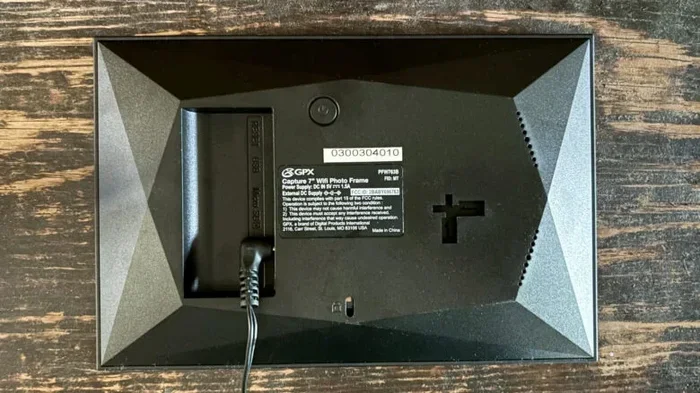
The most common setup is the classic plugged in power source. You plug the frame into a wall outlet using an AC adapter. This gives the frame a constant supply of electricity. It means the frame can run 24/7 without ever needing a recharge. For many people, this is the simplest and most reliable option.
Plugged-in frames also tend to offer better performance. The screen stays bright, the slideshow runs smoothly, and you never have to worry about the battery dying in the middle of the night. The trade-off is the cord. You need to place the frame near an outlet, which can limit where you put it.
Battery-Powered Digital Frames
Battery-powered frames are a game-changer. These frames come with built-in rechargeable batteries, similar to what you find in a tablet or a portable speaker. You charge them using a USB cable, and then they run freely without any cord.
Most battery-powered frames last between 4 and 10 hours on a single charge. Some high-end models can go even longer. This makes them perfect for bedrooms, offices, or any spot far from a wall outlet. You just charge them up every few days, and they keep working.
Wi-Fi and Cloud-Connected Frames
Wi-Fi enabled frames take a different approach to power. They still need electricity, but they rely on wireless connectivity to receive photos. You upload images to a cloud service, and the frame downloads them over your home network. This removes the need for USB drives, memory cards, or plugging in a computer.
Think of it like how a baby monitor connects to your phone over Wi-Fi to stream video. The connection itself does not power the device, but it changes how you interact with it. A cloud-based frame can update its photo library from anywhere in the world, as long as it stays connected to the internet and its power source.
Battery-Powered Digital Frames: Freedom From the Cord
If portability is your top priority, a battery-powered frame is the way to go. These frames let you place them on a bookshelf, a mantelpiece, or even take them on vacation without worrying about finding an outlet.
How Long Do the Batteries Last?
Battery life varies widely depending on the frame size, screen brightness, and how often the slideshow changes. Here is a quick breakdown:
- Small frames (7-10 inches): Typically last 6 to 10 hours on a full charge.
- Medium frames (10-15 inches): Usually last 4 to 8 hours.
- Large frames (15+ inches): Often last 3 to 6 hours due to bigger screens drawing more power.
Some frames also include a motion sensor that turns the screen on only when someone walks by. This can double or even triple the battery life. It is a smart feature for bedrooms or hallways where the frame does not need to run all day.
Charging Options
Most battery-powered frames come with a USB charging cable. You can plug them into a laptop, a wall adapter, or even a portable power bank. Some models use USB-C charging, which is faster and more convenient. Others still use micro-USB, which works fine but charges a bit slower.
A helpful tip is to look for frames that include a charging dock. Instead of leaving the frame plugged in all the time, you can pop it off the dock when charged and place it wherever you want. This gives you the best of both worlds: easy charging and cordless placement.
Wi-Fi Digital Frames: The Wireless Experience
Wireless digital frames are becoming increasingly popular. They connect to your home Wi-Fi network and let you send photos directly from your phone. No cables, no memory cards, no USB drives. Just pick a photo on your phone, tap send, and it appears on the frame.
How Do Wi-Fi Frames Work?
Most Wi-Fi frames come with a companion app for your phone or tablet. You install the app, connect the frame to your Wi-Fi network, and then you can upload photos anytime. Some frames also support email uploads, so you can send pictures directly to the frame’s email address.
The frame itself still needs to be plugged into a power outlet to run continuously. But the wireless connection eliminates all the hassle of transferring files manually. This is especially useful for families who want to share photos instantly or for people who update their frame’s gallery frequently.
Interestingly, the way these frames connect to your network is not so different from how devices like baby monitors or smart cameras stay connected. The technology behind wireless connectivity has become very reliable and easy to set up.
Do Wi-Fi Frames Need to Stay Plugged In?
Yes, most Wi-Fi frames need to stay plugged in for continuous operation. The Wi-Fi radio, the screen, and the processor all draw power. However, some models come with backup batteries that let them run unplugged for a few hours. This is useful if you want to move the frame around the house without dealing with cords.
The Evolution of Digital Frame Technology
The journey from early digital displays to modern smart frames has been remarkable. It is worth looking at how far the technology has come, because it helps explain why some frames are cordless and others are not.
From Analog to Digital
The shift from analog to digital technology changed everything. Early digital displays were bulky, expensive, and needed constant power. Over time, engineers found ways to make screens thinner, processors faster, and batteries smaller. The 10 differences between analog and digital computers mirror the evolution we see in digital frames today. Both fields moved from wired, stationary systems to portable, wireless devices that fit into everyday life.
Just as digital computers replaced analog machines in offices and homes, digital photo frames have replaced traditional printed photo albums and simple static frames. The trend is clear: wireless, portable, and smart devices are taking over.
E-Ink Digital Frames: The Ultimate Power Saver
One of the most exciting developments is the e-ink digital frame. E-ink screens use the same technology found in e-readers like the Kindle. They reflect light instead of emitting it, which means they use a tiny fraction of the power that a traditional LCD screen needs.
An e-ink digital frame can run for weeks on a single charge. Some users report going a full month without plugging it in. The trade-off is that e-ink screens refresh more slowly and do not support video or animation. They are perfect for displaying still photos in a clean, paper-like display.
Plugged-In vs. Cordless: Which Is Right for You?
Choosing between a plugged-in frame and a battery-powered or wireless frame depends on several factors. Let us break it down.
Comparison Table
| Feature | Plugged-In Frame | Battery-Powered Frame | Wi-Fi Frame |
|---|---|---|---|
| Power Source | AC wall outlet | Rechargeable battery | AC outlet + Wi-Fi |
| Placement Flexibility | Near an outlet | Anywhere | Near outlet + Wi-Fi range |
| Continuous Operation | Yes, unlimited | 4-10 hours | Yes, unlimited |
| Photo Updates | USB or memory card | USB or memory card | Cloud or app |
| Setup Complexity | Very simple | Simple | Moderate |
| Price Range | $30-$200 | $50-$250 | $60-$300 |
| Best For | Living rooms, offices | Bedrooms, travel | Families, remote sharing |
Quick Tips for Choosing
- Pick a plugged-in frame if you want it running 24/7 in one fixed spot.
- Choose a battery-powered frame if you want flexibility and portability.
- Go with a Wi-Fi frame if you want easy photo sharing from your phone or cloud storage.
- Consider an e-ink frame if you want ultra-low power consumption and a unique display.
- Check the warranty and return policy before buying, especially for battery-powered models.
Common Mistakes to Avoid
- Ignoring battery life claims: Manufacturers often list ideal battery life. Real-world usage is usually shorter. Look for independent reviews.
- Forgetting about Wi-Fi range: If your frame is too far from the router, the connection drops. Make sure your Wi-Fi reaches the frame’s location.
- Overlooking screen quality: Not all digital displays look the same. Check the resolution and brightness before buying.
- Skipping the app experience: If a Wi-Fi frame has a clunky app, it can ruin the whole experience. Read app reviews carefully.
Expert Insights on Digital Frame Power
We asked a few experts in home tech what they think about the shift toward cordless and wireless digital frames. Here is what they had to say.
Battery technology is improving fast. What was true five years ago, where a battery-powered frame lasted only a couple of hours, is no longer the case. Modern lithium-ion batteries can power a frame for a full day or more on a single charge.
Wi-Fi frames are the future for families. The ability to send a photo from your phone and have it appear on the living room frame within seconds is incredibly convenient. It replaces the old habit of emailing photos to yourself or carrying USB drives around the house.
E-ink is a niche but growing category. While it will not replace traditional LCD frames for everyone, e-ink frames serve a specific need beautifully. They are perfect for people who want a calm, distraction-free display that uses almost no power.
The bottom line is choice. Today’s market offers something for everyone. Whether you prefer a frame that stays plugged in, one that runs on battery, or a smart Wi-Fi model, there is a perfect option waiting for you.
Final Thoughts
So, do all digital frames have to be plugged in forever? Absolutely not. The market has evolved to offer battery-powered, wireless, and even e-ink options that free you from the cord. You can place a frame anywhere in your home, update it from your phone, and enjoy your favorite memories without worrying about power outlets.
The right choice depends on your needs. If you want simplicity and continuous operation, a plugged-in frame works great. If you want freedom and flexibility, go battery-powered or wireless. And if you want the ultimate in energy efficiency, explore e-ink technology.
Whatever you choose, the most important thing is to enjoy your photos. A digital frame brings memories to life in a way that a phone screen or a computer monitor simply cannot match. So pick the frame that fits your life, set it up, and start enjoying your pictures every day.
Just remember that the technology behind these devices connects to a broader world of smart home gadgets and wireless communication. Whether you are setting up a digital frame, a home security camera, or a streaming device, the same principles of connectivity and power apply. Embrace the options available, and make your home work for you.
Frequently Asked Questions
Can I use a digital frame without ever plugging it in?
Yes, you can. Battery-powered and some Wi-Fi frames with backup batteries let you run the device without a cord. You simply charge the battery using a USB cable, and the frame operates unplugged for several hours depending on the model and screen size.
How long does a battery-powered digital frame last on a single charge?
Most battery-powered frames last between 4 and 10 hours on a full charge. Smaller frames tend to last longer because they use less power. Some models with motion sensors can extend battery life significantly by only activating the screen when someone is nearby.
Do Wi-Fi digital frames need to be plugged in all the time?
Yes, most Wi-Fi frames need to stay plugged in for continuous operation. The Wi-Fi radio, screen, and processor all consume power. However, a few models include small backup batteries that allow unplugged use for a few hours, which is helpful for moving the frame between rooms.
Are e-ink digital frames worth the extra cost?
E-ink frames are worth it if you value low power consumption and a paper-like display. They can run for weeks or even a month on a single charge. The trade-off is slower screen refresh rates and no support for video or animation. They are best suited for displaying still photos in a calm, distraction-free format.
What is the best digital frame for a bedroom?
A battery-powered or motion-sensor frame works best for bedrooms. You can place it on a nightstand without needing a nearby outlet. The motion sensor also ensures the frame does not glow all night, which helps you sleep better. Look for a frame with adjustable brightness and a gentle fade-in feature.
Can I share photos to a digital frame from far away?
Yes, if you have a Wi-Fi enabled or cloud-based frame, you can share photos from anywhere with an internet connection. Simply use the frame’s companion app or email the photo to the frame’s dedicated address. The frame downloads the image over your home Wi-Fi and displays it automatically.
=== CONCLUSION ===
Do all digital frames have to be plugged in forever? The answer is a clear no. From battery-powered models that free you from cords entirely, to Wi-Fi frames that let you send photos wirelessly, to e-ink displays that sip power for weeks, the options are diverse and exciting. Understanding your needs, your space, and your usage habits will guide you to the perfect choice. Explore the options, compare the features, and find the digital frame that brings your favorite memories to life exactly the way you want it.