Can You Go From Firewire To Hdmi With These Simple Steps
Going from Firewire to HDMI is possible with the right converter and a few simple steps. You can connect older Firewire devices to modern HDMI displays without hassle. This guide walks you through every option, adapter type, and setup method so you can enjoy your legacy devices on today’s screens.
Have you ever dug through a closet and found an old camcorder, a vintage gaming console, or a legacy DVD player with a Firewire port? Maybe you want to connect it to your modern flat-screen TV that only has HDMI inputs. The question is simple: can you go from Firewire to HDMI? The answer is yes, but there is a bit more to it than just plugging one cable into another. This guide breaks down every step, every option, and every pitfall so you can get your old gear working with your new setup.
Firewire, also known as IEEE 1394, was once a popular way to transfer data and video between devices. It showed up in camcorders, external hard drives, and professional audio gear. HDMI, on the other hand, is the modern standard for high-definition audio and video. Bridging these two worlds requires a converter, the right adapter, and a little patience. Let us walk you through the entire process.
Key Takeaways
- Firewire to HDMI conversion is achievable using dedicated adapters or converter boxes that bridge the gap between old and new technology.
- Not all Firewire devices output video directly — some require additional audio extraction or signal processing steps.
- The right adapter matters — choosing the wrong type can lead to poor quality, no signal, or wasted money.
- Older cable setups may need additional equipment beyond just a Firewire-to-HDMI adapter, especially if you are transitioning from legacy TV providers. Check out alternatives to Dish Network and Directv if you are also updating your entire home entertainment system.
- Common mistakes include using passive cables when active conversion is needed, skipping audio sync, and ignoring resolution compatibility.
- Testing your setup before committing to a permanent installation saves time, money, and frustration.
📑 Table of Contents
- What Is Firewire and Why Does It Still Matter?
- Understanding HDMI and Modern Connectivity
- Can You Go From Firewire To Hdmi Directly?
- Simple Steps to Convert Firewire to HDMI
- Best Adapters and Converters for Firewire to HDMI
- Common Mistakes to Avoid When Converting Firewire to HDMI
- Expert Insights and Pro Tips for Firewire to HDMI Conversion
- Frequently Asked Questions
What Is Firewire and Why Does It Still Matter?
Firewire was introduced by Apple in the 1990s. It became a favorite for video professionals and consumer electronics. The connection offered faster data transfer than USB 1.1 at the time. Many people remember Firewire as the go-to port for connecting digital camcorders to computers. It was reliable, fast, and widely supported across different brands.
Even though Firewire is considered legacy technology now, plenty of devices still use it. Old camcorders, audio interfaces, and some industrial equipment rely on Firewire connections. If you have one of these devices, you know how frustrating it can be when your new TV or monitor does not have a Firewire port. That is where the conversion process comes in.
Types of Firewire Connectors
Not all Firewire connections look the same. There are a few different connector types you might encounter:
- Firewire 400 (IEEE 1394a): The most common type. It has a 4-pin or 6-pin connector. The 6-pin version carries power, while the 4-pin does not.
- Firewire 800 (IEEE 1394b): Faster than Firewire 400. It uses a different connector shape, usually a 9-pin design.
- Mini Firewire: Found on some Sony camcorders and other compact devices. It is smaller than the standard Firewire connector.
Knowing which type of Firewire port your device has is the first step. You need to match the right adapter to the right connector. Getting this wrong means you will not get a signal, no matter what converter you buy.
Understanding HDMI and Modern Connectivity
HDMI stands for High-Definition Multimedia Interface. It carries both audio and video signals through a single cable. This made it a huge leap forward compared to older connection types that needed separate cables for audio and video. Almost every modern TV, monitor, and projector uses HDMI today.
There are several versions of HDMI, including standard HDMI, mini HDMI, and micro HDMI. The standard size is what you will find on most TVs and monitors. The signal quality depends on the HDMI version your device supports. HDMI 1.4, HDMI 2.0, and HDMI 2.1 each offer different bandwidth and resolution capabilities. When converting from Firewire to HDMI, the output quality will depend on both the source device and the converter you use.
Why Firewire and HDMI Are Not Directly Compatible
Here is the core issue. Firewire and HDMI use completely different signal protocols. Firewire was designed for data transfer and standard-definition video. HDMI was built for high-definition digital audio and video. You cannot just run a Firewire cable into an HDMI port and expect it to work. The signals are fundamentally different. You need a device that can convert the Firewire signal into an HDMI-compatible format.
This is where a Firewire to HDMI converter comes in. It takes the incoming Firewire signal, processes it, and outputs it as an HDMI signal that your modern display can read. Without this conversion step, the two technologies simply cannot communicate.
Can You Go From Firewire To Hdmi Directly?
The short answer is no. You cannot go from Firewire to HDMI directly without some form of conversion hardware. There is no simple cable that has a Firewire plug on one end and an HDMI plug on the other that will pass a video signal through. Any product claiming to be a direct Firewire-to-HDMI cable without any conversion circuitry is likely a scam or a misunderstanding.
What you actually need is a Firewire to HDMI converter box or an adapter that includes active conversion circuitry. These devices take the Firewire input, convert the signal, and output it via HDMI. Some models also handle audio conversion separately, which we will cover in a moment. The key takeaway is that active conversion is always required.
Some people wonder if they can bypass the whole conversion process by using a computer as a middleman. For example, you could connect a Firewire camcorder to a computer, capture the video, and then send it to a TV via HDMI. This works, but it adds complexity and extra equipment to the chain. For most users, a dedicated converter box is the simplest and most reliable path.
When You Might Need Extra Equipment
In some cases, just a Firewire to HDMI converter is not enough. Here are situations where you might need additional gear:
- Audio separation: Some Firewire devices carry audio and video on the same connection, but the converter might not handle audio properly. You may need a separate audio extractor.
- Signal boosting: If your Firewire source is old or the signal is weak, you might need an amplifier between the source and the converter.
- Resolution upscaling: Firewire typically carries standard-definition video. If you want to display it on a 4K TV, the converter needs to upscale the signal.
Keep these factors in mind as you shop for your setup. Planning ahead will save you from buying the wrong equipment twice.
Simple Steps to Convert Firewire to HDMI
Now that you understand the basics, let us walk through the actual conversion process step by step. These steps apply to most Firewire-to-HDMI setups, regardless of the specific devices you are using.
Step 1: Identify Your Firewire Port Type
Before buying anything, look at the Firewire port on your device. Is it a 4-pin, 6-pin, or 9-pin connector? Is it a mini Firewire port? Take note of this. You will need an adapter or converter that matches your specific Firewire connector type. Most converters come with a standard 4-pin or 6-pin Firewire input, but mini Firewire setups require a different cable or adapter.
Step 2: Choose the Right Firewire to HDMI Converter
Look for a converter box that specifically supports Firewire input and HDMI output. Some popular options include standalone converter boxes that connect to your TV via HDMI. Make sure the converter supports the resolution you need. Most Firewire sources output at standard definition, so a converter that supports 480p or 720p is usually sufficient. If you want higher quality output, look for converters that handle upscaling.
Here are a few things to check before purchasing:
- Does the converter support your Firewire connector type?
- Does it include audio conversion or do you need a separate audio cable?
- What HDMI output resolution does it support?
- Does it require external power or does it draw power from the Firewire connection?
Step 3: Connect the Firewire Device to the Converter
Plug your Firewire cable into the Firewire port on your source device. Connect the other end of the Firewire cable to the Firewire input on the converter box. Make sure the connection is secure. A loose connection is one of the most common reasons for no signal or intermittent video.
Step 4: Connect the Converter to Your TV or Monitor
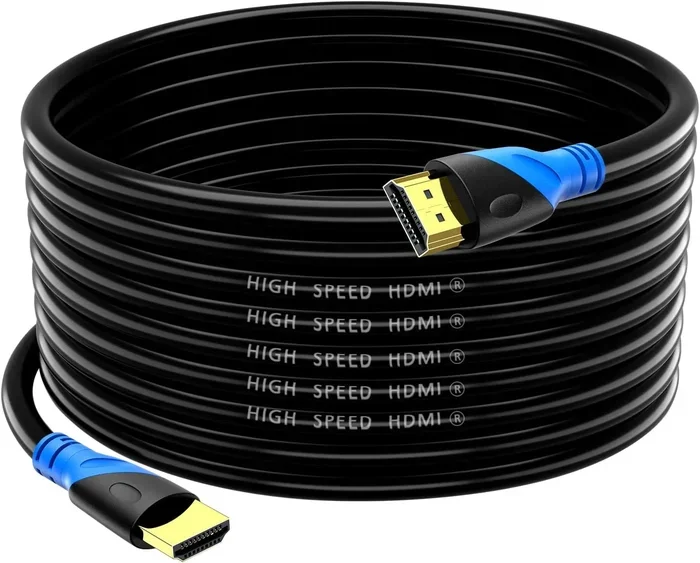
Take an HDMI cable and connect the converter box to your TV or monitor. Plug one end into the HDMI output on the converter and the other end into an available HDMI port on your display. Use a good-quality HDMI cable to ensure the best possible signal.
Step 5: Power On and Configure
Turn on your source device, the converter box, and your TV. Switch your TV to the correct HDMI input channel. If everything is connected properly, you should see the Firewire source displayed on your screen. Adjust the converter settings if needed to get the best picture quality.
Quick Tip: If you get no signal, double-check every connection. Try a different HDMI cable or a different HDMI port on your TV. Sometimes the simplest fix is the right one.
Best Adapters and Converters for Firewire to HDMI
Not all converters are created equal. The market has several options, ranging from budget-friendly to professional-grade. Here is a breakdown of the most common types of Firewire to HDMI conversion equipment you will find.
| Converter Type | Pros | Cons |
|---|---|---|
| Standalone Firewire to HDMI Box | Easy to use, no computer needed, plug and play | Can be expensive, limited resolution support |
| Firewire Capture Card (USB + HDMI) | Flexible, works with computers, often cheaper | Requires a computer, more setup steps |
| Firewire to HDMI Adapter Cable | Compact, no extra power source needed | Rare, often low quality, limited compatibility |
| Professional Video Converter | High quality output, supports multiple formats | Very expensive, overkill for casual use |
For most home users, a standalone Firewire to HDMI converter box is the best choice. It is simple, reliable, and does not require a computer. If you are on a tight budget, a Firewire capture card that connects to your computer can also work. You capture the video on the PC and then output it via HDMI using the computer’s graphics card.
What to Look for When Buying
When shopping for a converter, keep these factors in mind:
- Compatibility: Make sure it works with your specific Firewire connector type.
- Audio support: Check whether the converter handles both video and audio or just video.
- Build quality: Cheap converters often produce poor image quality or drop signals frequently.
- User reviews: Look for real-world feedback from other users who have the same setup as you.
Spending a little more on a well-reviewed converter will save you headaches down the road. Avoid the absolute cheapest options unless you are just experimenting.
Common Mistakes to Avoid When Converting Firewire to HDMI
Even with the right equipment, things can go wrong. Here are the most common mistakes people make when setting up a Firewire to HDMI connection and how to avoid them.
Using a Passive Cable Instead of an Active Converter
This is the number one mistake. Some people search for a simple Firewire-to-HDMI cable and buy it without realizing that it cannot work. Passive cables cannot convert signals between different protocols. You need an active converter with built-in processing circuitry. If a product looks too simple to work, it probably will not.
Ignoring Audio Compatibility
Firewire carries both audio and video, but not all converters handle audio properly. Some converters only pass through video and drop the audio entirely. Before you buy, check the product specifications carefully. Make sure the converter supports stereo audio or whatever audio format your source device uses.
Skipping Resolution Matching
Your Firewire source device probably outputs at a standard definition resolution, like 480i or 480p. If your TV expects a higher resolution, you might get a black screen or a distorted image. Make sure your converter can handle the resolution of your source device and that your TV is set to accept it.
Using Low-Quality Cables
The HDMI cable connecting your converter to your TV matters. A cheap or damaged HDMI cable can cause signal loss, flickering, or no picture at all. Invest in a decent quality HDMI cable from a reputable brand. It is a small cost that makes a big difference.
Not Testing Before a Permanent Setup
Before you mount your converter on a wall or run cables through walls, test the entire setup first. Set everything up on a table, power it all on, and verify that you get a clear picture and sound. Fix any issues before making the setup permanent.
Expert Insights and Pro Tips for Firewire to HDMI Conversion
After helping many people set up legacy device connections, here are a few pro tips that can make your experience smoother.
Tip 1: Use a powered Firewire hub if needed. Some Firewire devices draw a lot of power. If your converter does not supply enough power through the Firewire connection, you might experience dropped frames or no signal at all. A powered Firewire hub can solve this problem.
Tip 2: Update your converter firmware if possible. Some converter boxes have firmware updates that improve compatibility and fix bugs. Check the manufacturer’s website before you set everything up.
Tip 3: Consider digitizing your Firewire content. If you have old camcorder tapes or legacy video files on Firewire-connected drives, consider converting them to digital files. You can use a Firewire capture card on your computer to digitize the content, then play it back on any device using modern formats and HDMI output.
Tip 4: Keep your cables organized. When you have multiple cables running from a converter box to your TV, use cable ties or a cable management box. This keeps your setup clean and reduces the risk of accidentally unplugging something.
Tip 5: Check your TV’s HDMI-CEC settings. Sometimes HDMI-CEC (Consumer Electronics Control) can interfere with signal detection. If your TV does not recognize the converter right away, try disabling HDMI-CEC temporarily and see if that helps.
Frequently Asked Questions
Can I connect a Firewire camcorder directly to an HDMI TV?
No, you cannot connect a Firewire camcorder directly to an HDMI TV. The two use different signal protocols. You need a Firewire to HDMI converter box or adapter to bridge the gap between the two connection types. Without an active converter, the TV will not recognize the Firewire signal.
What kind of Firewire to HDMI converter should I buy?
Look for a standalone Firewire to HDMI converter box that matches your Firewire connector type (4-pin, 6-pin, or 9-pin). Make sure it supports both video and audio conversion. Reading user reviews and checking compatibility lists before purchasing will help you find the right model for your setup.
Does Firewire to HDMI conversion affect video quality?
Yes, there can be a slight quality difference. Firewire typically carries standard-definition video, while HDMI supports high-definition. A good converter will upscale the signal, but the original source quality still limits the final output. You will not get true HD quality from a standard-definition Firewire source, but a decent converter will make the picture look much better on a modern TV.
Can I use a computer as a middleman for Firewire to HDMI conversion?
Yes, you can. Connect the Firewire device to your computer using a Firewire card or adapter, capture the video using software, and then output it to your TV via HDMI. This method works well but requires more equipment and setup time compared to using a dedicated converter box.
Why does my Firewire to HDMI setup show no signal?
No signal usually means a loose connection, an incompatible converter, or incorrect TV input settings. Check that all cables are firmly plugged in. Make sure your converter supports your Firewire connector type. Try switching your TV to the correct HDMI input. If none of that works, test with a different HDMI cable or a different TV.
Are Firewire to HDMI converters expensive?
Prices vary widely. Basic standalone converter boxes can range from $30 to $80. More advanced models with better upscaling and audio support can cost $100 or more. Professional-grade converters can be significantly pricier. For most home users, a mid-range converter offers the best balance of price and performance.