How Do I Choose A Marine Radio For Boating Adventures
Choosing the right marine radio ensures safety and clear communication on every boating trip. This guide covers VHF and handheld options, key features like waterproofing and DSC, and practical tips to match your radio to your watercraft needs. You will learn what to look for, common mistakes to avoid, and expert-backed advice to make a confident purchase.
Planning a boating adventure is exciting. You pack your gear, check the weather, and map out your route. But one thing many boaters forget until it is too late is their marine radio. A reliable marine radio keeps you connected to the shore, other boats, and emergency services when you are far from cell phone coverage. Whether you are fishing offshore or paddling a calm lake, picking the right radio is a decision that affects your safety and enjoyment.
This guide walks you through everything you need to know about choosing a marine radio for your next trip. We will cover the different types, key features to look for, and common mistakes to avoid. By the end, you will feel confident picking the perfect watercraft radio for your needs.
Key Takeaways
- Marine radio type matters: Handheld, fixed-mount, and waterproof models each serve different boating styles.
- VHF is the standard: Most marine radios use VHF frequencies for reliable short-range communication.
- Waterproof rating is critical: Look for IP67 or higher to ensure durability on the water.
- DSC and GPS features add safety: These functions can send distress signals with your exact location.
- Battery life affects usability: Choose a model with long-lasting power for extended trips.
- Signal range depends on antenna height: Higher antennas give you better coverage on open water.
- Match the radio to your boat: Small kayaks need different radios than large fishing or sailing vessels.
📑 Table of Contents
- Why A Marine Radio Is Essential For Boating
- Types Of Marine Radios For Boats
- Key Features To Look For In A Marine Radio
- Marine Radio Power And Transmission Explained
- Matching Your Radio To Your Boating Style
- Common Mistakes When Choosing A Marine Radio
- Expert Tips For Getting The Most Out Of Your Marine Radio
- Final Thoughts: Making The Right Choice
Why A Marine Radio Is Essential For Boating
Many people assume their smartphone is enough for communication on the water. But cell signals drop fast on open water. A marine radio works independently of cell towers, giving you a dependable way to call for help or chat with other boaters. In emergencies, this can make all the difference.
Here are a few reasons a nautical radio is a must-have:
- Emergency communication: Distress channels like Channel 16 are monitored by the Coast Guard.
- Weather updates: Marine radios receive real-time weather alerts and storm warnings.
- Boat-to-boat coordination: Stay in touch with your crew or other vessels in your group.
- Regulatory compliance: Many waterways require boats to carry a VHF radio by law.
Without a proper boating communication device, you are relying on luck. Do not let that be your safety plan.
Types Of Marine Radios For Boats
Not all marine radios are the same. Different types serve different purposes. Understanding the options helps you pick the right one for your boat and how you use it.
Handheld Marine Radios
A handheld radio is portable and lightweight. You can carry it in your pocket or clip it to your life jacket. These are great for kayakers, paddleboarders, and small boat owners who need something easy to move around.
Handheld models run on rechargeable or replaceable batteries. Most offer 8 to 16 hours of battery life depending on usage. Some float, which is a huge bonus if you drop it overboard. When choosing a handheld, look for waterproof ratings and sturdy construction.
Fixed-Mount Marine Radios
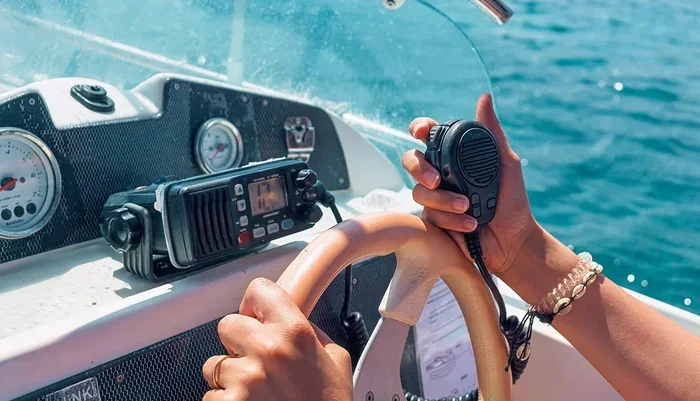
A fixed-mount radio stays installed on your boat. These are more powerful than handhelds and offer better signal range. They are ideal for larger boats like fishing vessels, sailboats, and pontoons.
Fixed-mount radios connect to an external antenna, which boosts their reach. Many also come with built-in speakers and microphone setups for hands-free use. If you have a bigger vessel, this is usually the better choice.
Portable VHF Radios With Floating Features
Some marine radios combine the portability of handhelds with added safety features. Floating models are designed to stay buoyant if they hit the water. This is a small detail that can save you a lot of trouble on a busy day on the lake.
Key Features To Look For In A Marine Radio
Not every marine radio has the same features. Some are basic, while others pack a lot of technology. Here is what you should prioritize when comparing models.
Waterproof Rating And Durability
Water is everywhere on a boat. Your radio needs to handle splashes, rain, and even full submersion. Look for an IP rating of at least IPX7. This means the radio can survive being submerged in water for a short time. Higher ratings like IP67 or IP68 offer even better protection.
Do not skip this feature. A radio that dies after one splash will leave you stranded without a way to call for help.
Battery Life And Power Options
Battery life varies a lot between models. Some handheld radios last only a few hours on high power. Others can go all day on a single charge. If you plan long trips, pick a model with at least 12 hours of runtime.
Some radios offer USB charging, which makes them easy to top up. You could even plug them into a portable power bank, much like you would plug your phone into a power strip at home for a quick charge. Having multiple power options gives you flexibility on longer adventures.
DSC And GPS Integration
Digital Selective Calling, or DSC, is a game-changer for safety. When you press the DSC button, your radio sends a distress signal with your GPS coordinates. Rescue teams can pinpoint your exact location within minutes.
Radios with built-in GPS make this even easier. You do not need a separate device to share your position. This feature is especially important if you boat in remote areas where cell service is unreliable.
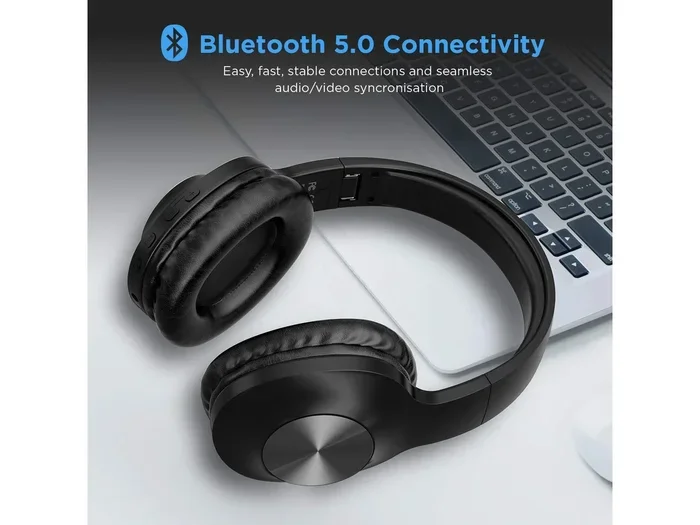
Bluetooth Connectivity For Easy Pairing
Modern marine radios increasingly include Bluetooth. This lets you pair your radio with a phone or speaker for streaming audio or making calls. Some boaters wonder if they can use their Bluetooth speakers for the same purpose, similar to how you can use Alexa as a Bluetooth speaker for your TV. The idea is the same — wireless audio makes life more convenient.
On a boat, Bluetooth lets you listen to weather channels or music through a paired speaker. Just remember that a marine radio should always be your primary communication device, not a secondary entertainment gadget.
Signal Range And Antenna Quality
The range of a marine radio depends on its transmission power and antenna height. A handheld VHF radio typically reaches 5 to 15 miles. A fixed-mount radio with a tall antenna can reach 20 to 30 miles or more under ideal conditions.
If you want to extend your communication range, think about how you would extend your WiFi range with a wired connection. The principle is similar — better hardware and positioning give you stronger, farther-reaching signals. On a boat, mounting your antenna higher improves range significantly.
Channel Selection And Licensing
Most marine radios come pre-programmed with standard channels. Channel 16 is the international distress channel. Channel 9 is the general calling channel. Make sure your radio has easy access to these channels.
In the United States, a Marine Radio License is technically required for VHF radios. However, the Coast Guard rarely enforces this for recreational boaters. Still, it is good to know the rules, especially if you boat internationally.
Marine Radio Power And Transmission Explained
Understanding how your radio transmits signals helps you make a smarter choice. Transmission power is measured in watts. Handheld radios usually operate at 1 to 5 watts. Fixed-mount radios can go up to 25 watts.
Higher wattage means better range, but it also drains the battery faster. If you need long-range communication, a fixed-mount model is the way to go. If you want portability, a lower-watt handheld may be enough for shorter trips.
The frequency range also matters. VHF (Very High Frequency) is the most common for marine use. It works well over open water but struggles with obstacles like islands or dense shoreline. UHF radios are less common on boats but can be useful in specific situations.
Matching Your Radio To Your Boating Style
Every boater has different needs. The right marine radio for a weekend angler is not the same as the one for a coastal cruiser.
| Boating Style | Recommended Radio Type | Key Features |
|---|---|---|
| Kayaking / Paddleboarding | Floating handheld VHF | Lightweight, waterproof, long battery |
| Small fishing boat | Handheld or fixed-mount VHF | DSC, good battery, IP67 rating |
| Sailboat | Fixed-mount VHF with GPS | |
| Large cruiser or yacht | Fixed-mount VHF with Bluetooth | High wattage, speaker mic, GPS integration |
| Racing / High-speed | Fixed-mount with high wattage | Strong signal, durable build, quick access |
Use this table as a starting point. Your actual needs may vary based on where you boat and how far you go from shore.
Common Mistakes When Choosing A Marine Radio
Even experienced boaters sometimes make poor choices when picking a marine radio. Here are the most common mistakes to avoid.
1. Ignoring waterproofing. Water damage is the number one killer of boat electronics. Always check the IP rating before buying.
2. Choosing style over function. A flashy radio with extra features you will never use is not worth the money. Focus on what matters: range, battery life, and safety features.
3. Skipping the antenna upgrade. Many boaters buy a great radio but pair it with a cheap antenna. A better antenna can double your signal range. This is one of the easiest upgrades you can make.
4. Forgetting about battery maintenance. Lithium-ion batteries degrade over time. Store your radio with a partial charge and recharge it regularly, even during the off-season.
5. Not testing before you need it. Always test your marine radio before heading out. Make sure channels work, the DSC function is set up, and the battery holds a charge.
Expert Tips For Getting The Most Out Of Your Marine Radio
Once you have chosen your marine radio, a few simple habits will help you get the most from it.
- Mount your antenna as high as possible. Height is the single biggest factor in signal range.
- Keep your radio charged or stocked with fresh batteries. Do this after every trip.
- Program your favorite channels for quick access during emergencies.
- Test the DSC function monthly. Make sure your GPS coordinates are up to date.
- Use a protective case. Even waterproof radios benefit from extra protection against drops and impacts.
These small steps add up to a big difference in reliability. A well-maintained marine radio will serve you for years.
Final Thoughts: Making The Right Choice
Choosing a marine radio does not have to be overwhelming. Start by thinking about your boating style, the waters you navigate, and your safety needs. Pick a type that fits — handheld for portability or fixed-mount for power and range. Then focus on the features that matter most: waterproofing, battery life, DSC, and signal range.
A good marine radio is one of the smartest investments you can make for your boating adventures. It keeps you safe, keeps you connected, and gives you peace of mind every time you head out on the water. Take your time, compare options, and choose the radio that fits your life on the water.
Now that you know what to look for, you are ready to make a confident choice. Happy boating, and stay safe out there.
Frequently Asked Questions
Do I Need A License To Use A Marine Radio?
In the United States, a marine radio license is technically required for VHF radios, but the Coast Guard rarely enforces this for recreational boaters. If you boat internationally, you may need a license. Check with your local maritime authority for the latest rules.
Can I Use A Marine Radio For Non-Emergency Chatter?
Yes, you can use designated calling channels for casual communication with other boaters. Just keep emergency channels like Channel 16 clear for actual distress calls. Using channels properly helps everyone stay safe.
How Far Can A Marine Radio Reach?
Handheld VHF radios typically reach 5 to 15 miles. Fixed-mount radios with good antennas can reach 20 to 30 miles or more. Range depends on antenna height, transmission power, and surrounding terrain.
Is Bluetooth On A Marine Radio Just For Music?
Not exactly. While Bluetooth can stream music, it also lets you pair your phone for calls and weather updates. Think of it like how you can use a Bluetooth printer without Wi-Fi — the wireless connection works independently of your main network. On a boat, Bluetooth adds convenience to your marine radio setup.
What Does IP67 Mean For A Marine Radio?
IP67 means the radio is dust-tight and can be submerged in water up to one meter deep for 30 minutes. This is a great rating for any device used on or near the water. Always aim for at least IP67 for your watercraft radio.
Should I Buy A Handheld Or Fixed-Mount Radio?
It depends on your boating style. Handheld radios are best for kayakers and small boats where portability matters. Fixed-mount radios suit larger vessels that need more power and range. Many boaters use both for maximum flexibility.