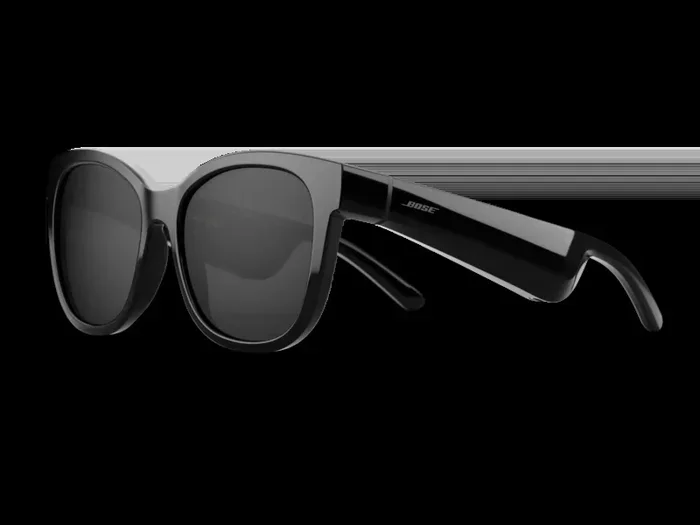
How Do Bose Bluetooth Sunglasses Work and Sound Great
Bose Bluetooth sunglasses combine sleek eyewear with hidden wireless speakers to deliver music and calls hands-free. These smart glasses use open-ear audio technology so you can hear your playlist while staying aware of your surroundings. They offer UV protection, polarized lenses, and surprisingly powerful sound in a stylish frame that looks like regular sunglasses.
This is a comprehensive guide about How Do Bose Bluetooth Sunglasses Work.
Key Takeaways
- Open-ear audio: Bose Bluetooth sunglasses use speakers built into the arms to send sound directly into your ears without blocking them.
- Bluetooth 5.1 connectivity: They pair easily with phones, tablets, and laptops within a reliable wireless range.
- All-day battery life: Most models offer up to 3.5 hours of playback on a single charge, with additional charges from the case.
- UV and polarized lens options: You get full sun protection while enjoying wireless audio on the go.
- Hands-free calling and voice assistants: Built-in microphones let you take calls and activate Siri or Google Assistant.
- Water and sweat resistant: They are designed for outdoor activities, workouts, and daily wear.
[FEATURED_IMAGE_PLACEHOLDER]
What Are Bose Bluetooth Sunglasses?
Bose Bluetooth sunglasses are a type of smart eyewear that combines traditional sunglasses with built-in wireless speakers. They look and feel like regular shades, but they can play music, take calls, and connect to your phone without any wires. The brand behind them is Bose, a company famous for making some of the best audio equipment in the world.
These glasses fall into a category often called audio glasses or smart eyewear. Instead of stuffing tiny earbuds into your ears, Bose hides small speakers inside the temple arms. This design lets you listen to audio while still hearing the world around you. It is a big deal for people who want hands-free music without the discomfort of earbuds or headphones pressing against their ears.
The first Bose Frames launched in 2019, and since then the company has improved the technology significantly. Today’s models offer better sound, longer battery life, and more lens styles than ever before. Whether you are jogging, running errands, or hanging out at the beach, these wireless sunglasses give you a unique way to enjoy audio on the go.
How Do Bose Bluetooth Sunglasses Work?
The technology inside Bose Bluetooth sunglasses is clever but straightforward. Each temple arm contains tiny speakers, microphones, and a Bluetooth chip. All of these components work together to deliver audio wirelessly from your phone to your ears. Let us break down exactly how each part works.
Bluetooth Connectivity
Bose Bluetooth sunglasses use Bluetooth 5.1 or newer to connect to your devices. Bluetooth is the same wireless technology used by wireless earbuds, speakers, and other audio devices. When you turn on the glasses and enable Bluetooth on your phone, they search for each other and pair up. This process usually takes just a few seconds.
Once paired, the glasses receive audio signals from your phone over the air. The Bluetooth chip inside the temple arm decodes these signals and sends them to the tiny speakers. Because Bose uses modern Bluetooth versions, the connection is stable and the audio quality is clear. You can walk up to about 30 feet away from your phone and still maintain a solid connection. This Bluetooth range is similar to what you get from most wireless headphones.
Many users also ask about connecting to other devices. Can you use Bluetooth headphones with a Roku? Yes, and the same idea applies here. Bose Bluetooth sunglasses can pair with any device that supports Bluetooth, including smart TVs, tablets, and laptops. They are not limited to just phones.
Open-Ear Audio Technology
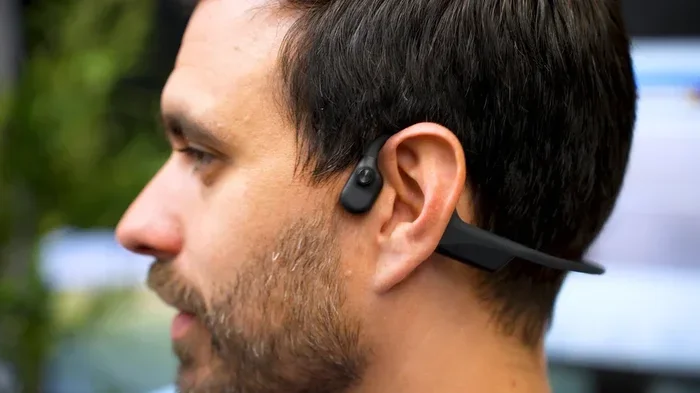
The most unique feature of Bose Bluetooth sunglasses is the open-ear audio design. Traditional headphones and earbuds seal off your ear canal. This can feel uncomfortable during long listening sessions, and it also blocks out ambient sounds. Bose solved this problem by placing speakers near your ears without sealing them.
The speakers in the temple arms project sound directly toward your ear canal. Because the audio does not need to travel far, the sound is clear and surprisingly loud for such small components. This design is sometimes called bone conduction in other products, though Bose uses its own proprietary approach. The result is audio that feels like it is floating just outside your ears.
This open-ear design is especially useful for outdoor activities. You can listen to music while still hearing traffic, conversations, and other important sounds around you. It is much safer than wearing noise-canceling headphones while jogging or cycling. Can you use Bluetooth on a hearing aid? Similarly, the open-ear approach keeps your ears free while still delivering audio.
Microphones and Calling
Bose Bluetooth sunglasses also include built-in microphones in the temple arms. These microphones pick up your voice during calls and when you use voice assistants. The mic placement is designed to reduce wind noise, which is a common problem with open-ear devices.
When you receive a call, you can answer it directly through the glasses. The person on the other end will hear your voice through the built-in mic. You can also use the glasses to activate Siri, Google Assistant, or Alexa on your phone. Just press a button on the temple arm and speak your command. Can you talk through Bluetooth headphones? Yes, and Bose sunglasses work the same way for hands-free communication.
Sound Quality and Audio Performance
One of the biggest questions people have about Bose Bluetooth sunglasses is whether they sound good. After all, the speakers are tiny and hidden inside a pair of frames. Bose has managed to pack surprisingly powerful audio into these small components, but how does the sound actually compare to regular headphones?
The audio profile of Bose Bluetooth sunglasses is tuned for clarity and balance. The bass is present but not overwhelming, which is perfect for the open-ear design. Because the speakers sit outside your ear canal, they cannot produce the same deep bass as over-ear headphones. However, the midrange and treble are crisp and well-defined. Voices sound clear, and acoustic instruments sound natural.
Bose has also added features like Bose Immersive Audio in newer models. This technology uses spatial processing to create a wider soundstage. It makes the audio feel bigger and more enveloping than you would expect from such small speakers. When you are listening to podcasts or audiobooks, the clarity is excellent. Music sounds lively and enjoyable, especially for genres like pop, rock, and electronic.
Volume is another area where Bose shines. The speakers are loud enough to be heard in moderate outdoor environments. They are not going to replace a full-size Bluetooth speaker at a party, but they work great for personal listening during walks, workouts, or commutes. Can you play radio using Bluetooth? Absolutely, and Bose Bluetooth sunglasses do the same thing with music, podcasts, and calls.
Noise Handling and Ambient Awareness
Because Bose Bluetooth sunglasses use open-ear audio, they do not block outside noise. This is both a strength and a limitation. On the positive side, you stay aware of your surroundings, which is great for safety. You can hear cars, people calling your name, and other important sounds. On the downside, loud environments like busy streets or crowded gyms can make it harder to hear your audio.
Bose has addressed this with careful speaker positioning and sound tuning. The audio is directed toward your ear to reduce sound leakage. This means people sitting next to you will not hear your music playing out loud. It also helps keep your audio clearer in slightly noisy environments. However, if you need complete silence for focused listening, traditional noise-canceling headphones will still outperform Bose sunglasses.
Battery Life and Charging
Battery life is a key consideration for any wireless device, and Bose Bluetooth sunglasses deliver a solid experience. Most models provide around 3.5 hours of continuous playback on a single charge. This is enough for a full workout, a long walk, or a commute. For many users, this covers a full day of casual listening.
The charging case extends the total battery life significantly. When you place the glasses in the case, they recharge automatically. A fully charged case can provide multiple additional charges, giving you up to 12 hours or more of total listening time throughout the day. This is similar to how wireless headphones with charging cases work.
Charging is done through a USB-C cable, which is convenient and widely compatible. A full charge of the glasses takes about 2 hours. The case itself can be charged using the same cable or a wireless charging pad on some models. Battery life will vary depending on volume level, ambient temperature, and how frequently you use the microphones for calls.
Tips for Maximizing Battery Life
- Keep the volume moderate: Higher volumes drain the battery faster.
- Turn off Bluetooth when not in use: This saves power if you are not actively listening.
- Store the glasses in the case: This keeps them charged and ready to go.
- Avoid extreme temperatures: Hot or cold weather can reduce battery performance.
- Update the firmware: Bose occasionally releases updates that improve battery efficiency.
Design, Comfort, and Lens Options
Bose Bluetooth sunglasses are designed to look and feel like regular premium sunglasses. The frames are lightweight, typically weighing around 45 to 50 grams. This makes them comfortable to wear for extended periods without causing pressure on your nose or ears. The temple arms are slim and house all the electronics without adding bulk.
Comfort is one of the biggest advantages of Bose Bluetooth sunglasses over traditional wireless earbuds. Earbuds can cause ear fatigue after an hour or two of use. With Bose sunglasses, the weight is distributed across the frame and your nose bridge. Most users find them comfortable enough to wear all day. Bose speakers are known for durability, and the sunglass frames follow the same quality standards.
Lens Options
Bose offers several lens styles to suit different preferences and needs:
- Classic Sunglasses: Standard frames with UV protection and polarized lenses for glare reduction.
- Sport Frames: Wraparound-style frames designed for active use. They provide a secure fit during workouts.
- Clear Frames: Non-tinted frames for those who want the audio features without full sun protection.
- Prescription Lens Compatibility: Some models can be fitted with prescription lenses through Bose partners.
All lenses provide 100% UV protection against both UVA and UVB rays. The polarized options reduce glare from surfaces like water, roads, and snow. This makes them excellent for driving, fishing, skiing, and other outdoor activities. The combination of eye protection and wireless audio in one product is what sets Bose Bluetooth sunglasses apart from regular eyewear.
Water and Sweat Resistance
Bose Bluetooth sunglasses are built to handle outdoor conditions. They carry an IPX4 rating, which means they are resistant to splashes, sweat, and light rain. You can wear them during workouts without worrying about damage. However, they are not fully waterproof, so you should avoid submerging them in water or wearing them in heavy downpours.
The frames are made from durable materials that can withstand daily wear and tear. The hinges are reinforced, and the lenses are scratch-resistant. Bose has designed these glasses to be a practical everyday accessory, not just a tech novelty. They can handle the gym, the trail, the office, and everything in between.
Who Should Buy Bose Bluetooth Sunglasses?
Bose Bluetooth sunglasses are not for everyone, but they are a fantastic choice for certain types of users. Let us look at who will benefit the most from this product.
If you are someone who spends a lot of time outdoors, these glasses are a game-changer. Joggers, cyclists, and hikers can enjoy music and podcasts without blocking their ears. The open-ear design keeps you safe by letting you hear your surroundings. People who find traditional earbuds uncomfortable will also love the lightweight, ear-free design.
Office workers and professionals can benefit too. The glasses allow hands-free calling during commutes or while walking between meetings. You can take calls discreetly without pulling out your phone or fumbling with earbuds. The stylish design also means you will not look out of place in professional settings.
Travelers will appreciate the versatility of Bose Bluetooth sunglasses. They protect your eyes from the sun, play your travel playlists, and let you take calls at the airport. If you already own a phone, these sunglasses add a new way to enjoy audio without carrying extra devices. They also make a great gift for tech enthusiasts who appreciate innovative design.
One thing to keep in mind is that Bose Bluetooth sunglasses are not a replacement for high-fidelity audio gear. Audiophiles who demand perfect sound reproduction may find the audio quality good but not exceptional. However, for the vast majority of users, the sound quality is more than adequate for everyday listening. The convenience, comfort, and style make them a compelling choice.
Bose Bluetooth Sunglasses vs. Regular Wireless Earbuds
To understand the value of Bose Bluetooth sunglasses, it helps to compare them directly with regular wireless earbuds. Both serve the same core purpose: delivering wireless audio to your ears. But they do it in very different ways.
| Feature | Bose Bluetooth Sunglasses | Wireless Earbuds |
|---|---|---|
| Design | Sunglasses with built-in speakers | Small earbuds that fit in the ear canal |
| Comfort | Lightweight, no ear canal pressure | Can cause ear fatigue over time |
| Open-Ear Audio | Yes, you hear surroundings | No, ears are sealed |
| UV Protection | Yes, with polarized lenses | No |
| Sound Quality | Good, clear, balanced | Excellent, deeper bass |
| Battery Life | 3.5 hours + case charges | 4 to 8 hours + case charges |
| Water Resistance | IPX4 | Varies by model |
| Eye Protection | Yes | No |
The choice between Bose Bluetooth sunglasses and wireless earbuds comes down to your lifestyle and preferences. If you want all-day comfort, eye protection, and a unique audio experience, Bose sunglasses win. If you prioritize maximum sound quality and deep bass, traditional earbuds are the better option. Many users find that owning both gives them the flexibility to choose the right tool for each situation.
Common Mistakes and How to Avoid Them
Even though Bose Bluetooth sunglasses are user-friendly, there are a few common mistakes new users make. Avoiding these pitfalls will help you get the best experience from day one.
Not fully charging before first use. Some users unbox the glasses and start using them right away. However, a full initial charge ensures the battery is properly calibrated. Always charge the glasses completely before your first use.
Ignoring the pairing process. If your glasses do not connect to your phone, try resetting the Bluetooth connection. Turn off Bluetooth on your phone, forget the device in your Bluetooth settings, and then pair again. This resolves most connection issues.
Using them in heavy rain. While Bose Bluetooth sunglasses are sweat and splash resistant, they are not waterproof. Avoid exposing them to heavy rain or submerging them in water. A quick rinse with fresh water after a beach or pool day is fine, but dry them thoroughly afterward.
Setting the volume too high. Because the speakers sit outside your ear, you might be tempted to increase the volume to compensate. High volumes can damage your hearing over time and also drain the battery faster. Keep the volume at a comfortable level and enjoy the audio safely.
Final Thoughts
Bose Bluetooth sunglasses represent a smart and innovative approach to personal audio. They blend the functionality of wireless headphones with the practicality of premium sunglasses. The open-ear audio design, solid sound quality, and comfortable fit make them a standout product in the growing category of smart eyewear.
If you are looking for a convenient way to enjoy music, podcasts, and calls while staying active outdoors, Bose Bluetooth sunglasses are worth considering. They are not perfect for every situation, but for everyday use, they deliver a unique and enjoyable experience. The combination of UV protection, Bluetooth connectivity, and hands-free audio in a single pair of shades is genuinely impressive.
Technology like this shows how far wearable devices have come. What once seemed like science fiction is now a practical, everyday product. Bose continues to push the boundaries of what is possible with smart eyewear, and these Bluetooth sunglasses are a great example of their innovation. Whether you are a fitness enthusiast, a busy professional, or simply someone who loves great gear, Bose Bluetooth sunglasses deserve a spot in your collection.
Frequently Asked Questions
How long do Bose Bluetooth sunglasses last on a single charge?
Most Bose Bluetooth sunglasses provide around 3.5 hours of continuous playback on a full charge. With the charging case, you can get up to 12 hours or more of total listening time throughout the day. Battery life depends on volume level and usage patterns.
Can Bose Bluetooth sunglasses be used for phone calls?
Yes, Bose Bluetooth sunglasses have built-in microphones that allow you to make and receive phone calls hands-free. The microphones are designed to reduce wind noise, so your voice comes through clearly during calls. You can also use voice assistants like Siri or Google Assistant through the glasses.
Are Bose Bluetooth sunglasses waterproof?
Bose Bluetooth sunglasses are not fully waterproof. They carry an IPX4 rating, which means they are resistant to sweat, splashes, and light rain. You should avoid submerging them in water or wearing them in heavy downpours. After exposure to sweat or rain, dry them with a soft cloth.
Can you wear Bose Bluetooth sunglasses with prescription lenses?
Yes, some Bose Bluetooth sunglass models can be fitted with prescription lenses through authorized Bose partners. Check with Bose or your eye care provider to see if your specific model supports prescription lens inserts. This allows you to get both vision correction and wireless audio in one pair of glasses.
Do Bose Bluetooth sunglasses work with all phones?
Bose Bluetooth sunglasses work with any device that supports Bluetooth, including iPhones, Android phones, tablets, and laptops. They do not require a specific app to function for basic audio playback. However, the Bose app is available for customizing controls and updating firmware on supported models.
Can Bose Bluetooth sunglasses replace regular sunglasses?
For most everyday uses, yes. Bose Bluetooth sunglasses provide full UV protection and polarized lens options that rival regular premium sunglasses. They also add wireless audio functionality on top of sun protection. However, if you need specialized lenses for sports or medical reasons, you may want to consult your eye care professional.