How Bright Is 12000 Lumens A Complete Guide For 2025
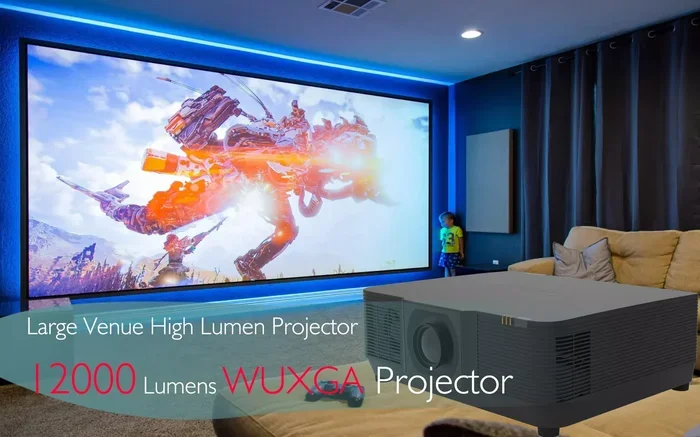
12000 lumens is extremely bright. It can easily light up large outdoor screens, fill big auditoriums, and overpower ambient light in well-lit rooms. This guide explains what 12000 lumens actually means, where it works best, and how it compares to lower lumen projectors and flashlights.
This is a comprehensive guide about How Bright Is 12000 Lumens.
Key Takeaways
- 12000 lumens is ultra-bright: It is one of the highest brightness levels available for projectors and lighting equipment.
- Best for large spaces: This brightness level shines in outdoor setups, big rooms, and well-lit environments where lower lumens fail.
- ANSI lumens matter: Always check if the lumen rating follows ANSI standards for accurate brightness claims.
- Not ideal for small dark rooms: 12000 lumens can be too harsh in a small, dark home theater.
- Heat and power go up: Higher lumen projectors generate more heat and need more electricity to run.
- Portability drops: Ultra-bright projectors tend to be heavier and bulkier than portable models.
[FEATURED_IMAGE_PLACEHOLDER]
What Does 12000 Lumens Actually Mean?
Let us start with the basics. A lumen is a unit of light output. It measures how much visible light a source produces. The higher the lumen count, the brighter the light appears to the human eye.
When we say how bright is 12000 lumens, we are talking about a very powerful light source. To put it in perspective, a standard household light bulb gives off about 800 lumens. A typical portable projector might push out 2000 to 3000 lumens. So 12000 lumens is roughly 15 times brighter than a regular bulb.
But raw numbers do not tell the whole story. The actual brightness you see depends on several factors. These include the light source type, the beam angle, the screen size, and the ambient light in the room. A 12000 lumen projector in a dark room will look blinding. The same projector in a sunlit backyard might still look vivid and clear.
Luminous flux is the technical term for total light output. This is what lumen measurements represent. It is different from lux, which measures light falling on a surface. Think of lumens as the total light a source throws out. Think of lux as the light that actually lands on your screen or wall.
Many manufacturers also use the term LED brightness to describe their light sources. LED projectors with 12000 lumens use powerful LED chips or laser arrays. These produce intense light while staying more energy efficient than older lamp-based technology.
How Bright Is 12000 Lumens Compared to Common Light Sources?
Projector Brightness Compared
When people ask how bright is 12000 lumens, they usually mean projectors. Let us compare different projector brightness levels so you can see where 12000 fits.
Budget home projectors often sit around 1000 to 2000 lumens. Mid-range models offer 3000 to 5000 lumens. High-end home theater units reach 6000 to 8000 lumens. And then you have the heavy-duty 12000 lumen projectors. These are built for large venues, outdoor events, and commercial use.
Here is a simple comparison of common projector brightness levels:
- 1000-2000 lumens: Small rooms, dim environments, basic home use.
- 3000-5000 lumens: Medium rooms, some ambient light tolerance.
- 6000-8000 lumens: Large rooms, brighter environments, outdoor use at dusk.
- 10000-12000 lumens: Very large venues, outdoor daytime use, stadiums, and stages.
A bright projector at 12000 lumens can project a clear image on a screen that is 200 inches or larger. It can fight direct sunlight better than almost any consumer projector. This makes it a favorite for outdoor movie nights and large gatherings.
Flashlight and Light Source Comparisons
12000 lumens is also found in high-powered flashlights and spotlights. A tactical flashlight with this output can illuminate a football field. It can blind drivers temporarily if aimed at their eyes. This is why many jurisdictions regulate ultra-bright handheld lights.
In terms of light intensity, 12000 lumens from a focused beam feels much more intense than 12000 lumens spread wide. A narrow beam angle concentrates all that light into a smaller area. A wide beam spreads it out, making it less blinding but covering more space.
When comparing lumens vs watts, remember that watts measure energy use, not brightness. An old 100-watt incandescent bulb produced about 1600 lumens. A modern 12000 lumen LED projector uses far less power than you might expect. This is one reason LED technology has revolutionized the projector world.
Where Does a 12000 Lumen Projector Work Best?
Understanding how bright is 12000 lumens means knowing where to use it. This level of brightness is not for every situation. It excels in specific environments where lower lumen projectors simply cannot compete.
Outdoor Screenings and Events
Outdoor movie nights are where 12000 lumens truly shines. You can set up a screen in your backyard, at a park, or on a large patio. Even with some ambient light, the image remains visible and vibrant.
If you want to extend your projector setup outside, you may need to extend your Wi Fi range to about 300 feet outside your home for wireless streaming. A strong Wi Fi signal ensures smooth playback without lag or buffering during your outdoor movie event.
Many people also use portable projectors for camping trips and tailgating. A 12000 lumen unit can project onto a white wall or portable screen even during daylight hours. This opens up possibilities that lower-brightness projectors simply cannot match.
Large Rooms and Commercial Spaces
Conference rooms, classrooms, and event halls benefit greatly from 12000 lumen projectors. These spaces often have large walls and lots of ambient light from windows and overhead fixtures. A standard projector would wash out in these conditions.
With 12000 lumens, the image stays sharp and colorful even in a brightly lit boardroom. Presenters can use full-screen slides with bright graphics and still maintain excellent visibility from every seat in the room.
Stadiums and Stage Productions
Professional lighting for concerts, sports events, and stage shows often uses light sources in the 12000+ lumen range. These are not always projectors. They can be powerful LED spotlights, moving heads, or floodlights. But the principle is the same. More lumens means the light reaches farther and cuts through ambient conditions more effectively.
Common Mistakes People Make With Ultra-Bright Projectors
Even though 12000 lumens sounds amazing, there are pitfalls. Many users make mistakes that hurt their experience. Let us look at the most common ones.
Using It in a Small Dark Room
This is the number one mistake. A 12000 lumen projector in a small, dark room is overkill. The image can feel harsh and uncomfortable. Colors may appear washed out because the light overwhelms the screen surface.
For a cozy home theater setup, a projector with 1500 to 3000 lumens often works better. You get rich blacks, vibrant colors, and a comfortable viewing experience. Save the 12000 lumen unit for when you truly need that level of brightness.
Ignoring ANSI Lumens Ratings
Not all lumen ratings are created equal. Some manufacturers list LED lumens or peak lumens instead of ANSI lumens. ANSI lumens follow a standardized testing method. They give you a reliable, accurate measure of true brightness.
Always check if the projector lists ANSI lumens. A 12000 LED lumen claim might actually be closer to 6000 or 7000 ANSI lumens. This gap can be huge and will affect your real-world image quality.
Skipping the Screen and Throw Distance
A bright projector still needs the right screen. A wrinkled, dark, or colored surface will absorb light and reduce perceived brightness. Use a white or gray projection screen designed for high-lumen output.
Also consider throw distance. This is the space between the projector and the screen. Short throw projectors sit close to the screen. Long throw units need more space. A 12000 lumen projector often works best at a specific distance to fill the screen evenly without creating hot spots.
Overlooking Heat and Noise
High-brightness projectors generate significant heat. The internal fans work harder to keep the unit cool. This means more noise during operation. Some 12000 lumen projectors can be quite loud, especially in quiet environments.
If you are using the projector for a quiet outdoor movie night, consider the noise level. Look for models with quieter fan designs or place the projector further from the seating area.
How to Choose the Right Brightness for Your Needs
Buying a projector is not just about chasing the highest number. You need to match the brightness to your actual use case. Here is a simple guide to help you decide.
Assess Your Environment
Start by evaluating where you will use the projector. Is it a dedicated dark room? A living room with curtains? An outdoor area with streetlights? Each environment has different ambient light challenges.
For a completely dark room, 1000 to 2000 lumens works fine. For a room with some light, aim for 3000 to 5000 lumens. For outdoor daytime use or very bright rooms, 10000 lumens and above becomes necessary.
Consider the Screen Size
Bigger screens need more light. A 100-inch screen at 3000 lumens looks great in a dark room. But the same screen in daylight will look faded. To maintain image quality on a 200-inch screen outdoors, you need the raw power of 12000 lumens or more.
If you are setting up a projector for outdoor entertainment, make sure your streaming device connects properly. You might need to connect your PC to the internet without Ethernet using a wireless adapter or mobile hotspot for smooth content delivery.
Think About Portability
12000 lumen projectors are not typically portable. They are heavy, require dedicated power sources, and often need cooling pads or external fans. If you want a projector you can carry to the beach or a campsite, look at 3000 to 5000 lumen models instead.
However, if brightness is your only priority and setup location is fixed, 12000 lumens delivers an unmatched visual experience. The image quality at this brightness level is stunning when paired with the right screen and environment.
Budget and Long-Term Costs
Ultra-bright projectors cost more upfront. They also use more electricity. The light source in a 12000 lumen unit may need replacement or maintenance over time. Factor in these costs before making a purchase.
LED-based 12000 lumen projectors tend to last longer than lamp-based models. The LED chips can run for 20000 hours or more before significant brightness degradation. This makes them a better long-term investment despite the higher initial price.
Expert Tips for Getting the Most Out of 12000 Lumens
Want to maximize your experience with an ultra-bright projector? Here are some practical tips from experienced users and AV professionals.
- Use a high-gain screen: These screens reflect more light back to the audience. They make a 12000 lumen image even more vivid and uniform.
- Position the projector correctly: Follow the manufacturer’s throw distance guide. Too close or too far will reduce image quality and brightness.
- Clean the lens regularly: Dust and fingerprints on the lens can reduce light output by 10% or more. Keep it clean for the best picture.
- Control ambient light: Even with 12000 lumens, reducing nearby light sources improves contrast and color accuracy. Use dark curtains or project after sunset.
- Check your Wi Fi setup: If you are streaming content wirelessly, check your Wi Fi signal strength to avoid buffering or low-quality streams that ruin the viewing experience.
- Allow proper ventilation: Never block the projector’s air vents. Good airflow keeps the internal temperature stable and extends the light source lifespan.
These small adjustments make a big difference. They help you get the full value out of your high-lumen projector without frustration.
Is 12000 Lumens Right for You?
So, is 12000 lumens the right choice? The answer depends entirely on your needs. If you regularly host large outdoor events, present in bright commercial spaces, or need a projector that works in direct sunlight, then yes. 12000 lumens gives you the power and flexibility to project anywhere.
For casual home movie nights in a dark room, a lower lumen projector will serve you better. It will cost less, be easier to set up, and deliver a more comfortable viewing experience.
Think of how bright is 12000 lumens like owning a powerful truck. You would not use it to run to the grocery store. But when you need to haul heavy loads or tow a trailer, nothing else compares. 12000 lumens is that kind of tool. It is built for demanding situations where ordinary projectors simply cannot deliver.
Many users who invest in 12000 lumen projectors use them for a mix of purposes. Outdoor movies, backyard parties, community events, and professional presentations all benefit from this level of brightness. Once you experience the clarity and vibrancy of a 12000 lumen image, it is hard to go back to lower brightness levels.
If you are traveling and need to set up a projector in a hotel room or temporary venue, you might encounter network restrictions. In those cases, you can learn how to bypass the speed limit on a hotel Wi Fi to ensure smooth streaming from your projector or media device.
Ultimately, the right brightness is the one that matches your environment and purpose. 12000 lumens is a serious tool for serious situations. When used correctly, it delivers an unforgettable viewing experience that standard projectors simply cannot replicate.
Frequently Asked Questions
Is 12000 lumens too bright for a home theater?
Yes, for most small to medium home theaters, 12000 lumens is too bright. It works best in large rooms or outdoor settings. In a small dark room, it can make the image look washed out and uncomfortable to watch.
How far can a 12000 lumen projector throw an image?
It depends on the projector model and lens. Most 12000 lumen projectors can throw a clear image 15 to 30 feet or more. Always check the throw ratio and recommended distance for the specific screen size you want to fill.
Do all 12000 lumen projectors use the same amount of electricity?
No. LED-based 12000 lumen projectors use less power than lamp-based models of the same brightness. Laser light sources also vary in power consumption. Check the wattage rating before buying if energy use matters to you.
Can I use a 12000 lumen projector during the day outdoors?
Yes. That is one of the biggest advantages of 12000 lumens. It can produce a visible and colorful image even in direct sunlight, especially on a high-gain white screen positioned correctly.
What is the difference between LED lumens and ANSI lumens?
ANSI lumens follow a standardized testing method and give an accurate brightness measurement. LED lumens is a marketing term some manufacturers use that may overstate the actual brightness. Always prefer ANSI lumens for a fair comparison between projectors.
How long does a 12000 lumen projector last?
LED-based 12000 lumen projectors can last 20000 hours or more before brightness drops noticeably. Lamp-based models typically last 2000 to 5000 hours. Regular maintenance like cleaning filters and replacing light sources when needed extends the overall lifespan.
=== CONCLUSION ===
How bright is 12000 lumens? The short answer is very bright. This level of light output is designed for large-scale use, outdoor events, and environments where lower brightness simply cannot compete. It delivers stunning image quality on big screens, even in challenging lighting conditions.
But brightness alone does not make a great projector experience. You need the right screen, proper placement, good ventilation, and a clear understanding of your environment. Use this guide to make an informed decision about whether 12000 lumens fits your needs.
Whether you are hosting outdoor movie nights, running corporate presentations, or setting up a community event, a 12000 lumen projector gives you the power to shine. Embrace the brightness and enjoy a viewing experience that stands out from the crowd.