Can Other People Hear Your Music From Bose Sunglasses
Can other people hear your music from Bose sunglasses? The short answer is: sometimes, but not easily. Bose audio sunglasses use open-ear technology that sends sound directly into your ear canal, which means sound leakage is minimal in most situations. Whether you are at a busy street or a quiet room, Bose Frames are designed to keep your music private while still letting you stay aware of your surroundings.
You just put on your new Bose sunglasses. Your favorite playlist is pumping. You are walking down the street feeling like a million bucks. Then a thought hits you. Can other people hear your music from Bose sunglasses? It is a fair question. These shades look cool, but do they blast your tunes out to the whole world? Let us find out.
The short answer is no, not really. Bose designed these sunglasses with open-ear audio technology that sends sound right into your ear canal. Very little music leaks out. But there is more to the story. Sound leakage depends on a few things. Volume level, environment, and even the fit of the sunglasses all play a role. In this article, we will break it all down. You will learn exactly how Bose audio sunglasses work. You will find out what affects music privacy. And you will get practical tips to keep your listening experience personal.
Bose has been a leader in audio quality for decades. Their wearable audio products include headphones, speakers, and now sunglasses. The Bose Frames line changed the game. These are not just regular shades with tiny speakers stuck on. They are smart devices built from the ground up. So let us dive deep into the world of Bose sunglasses and answer that big question once and for all.
Key Takeaways
- Minimal Sound Leakage: Bose sunglasses are engineered to deliver sound directly into your ear, so very little audio escapes to people nearby.
- Open-Ear Technology: Unlike traditional headphones, Bose audio sunglasses use open-ear speakers that sit near your ear without sealing it off.
- Volume Matters: The louder you play your music, the more likely others might hear a faint sound. Keeping volume at a moderate level helps with privacy.
- Bose Frames Are Unique: These are not just regular shades with speakers glued on. They are purpose-built wearable audio devices with careful acoustic design.
- Better Than Earbuds for Some: If you hate sweaty ears or want to stay alert, Bose sunglasses offer a great alternative to traditional wireless headphones.
- Not Completely Silent to Others: In a very quiet room, someone sitting right next to you might notice slight audio. But in normal environments, your music stays mostly private.
- Great for Daily Use: From running errands to walking the dog, Bose audio sunglasses let you enjoy music without isolating yourself from the world.
📑 Table of Contents
- How Bose Sunglasses Deliver Sound
- Can Other People Really Hear Your Music?
- Factors That Affect Sound Leakage
- Tips for Private Listening with Bose Sunglasses
- Bose Sunglasses vs. Traditional Headphones
- Who Should Choose Bose Audio Sunglasses?
- Common Mistakes People Make with Bose Sunglasses
- Expert Insights on Bose Audio Sunglasses
- Key Takeaways
- Conclusion
- FAQs
How Bose Sunglasses Deliver Sound
To understand if others can hear your music, you need to know how Bose sunglasses work. The technology behind them is clever and well thought out. Let us break it down into simple parts.
The Open-Ear Speaker Design
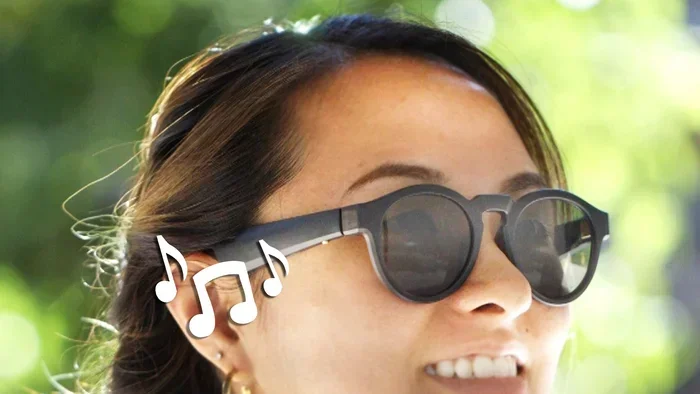
Bose sunglasses use open-ear speakers. These are tiny audio drivers built into the arms of the frames. They sit right next to your ear. The sound is directed into your ear canal. This is very different from regular headphones. Traditional headphones cover your ears or plug them in. Bose sunglasses do neither. They let air flow naturally. This means your ears do not get hot or sweaty. It also means you can hear the world around you.
The speakers are angled carefully. They aim sound straight toward your ear. This design reduces sound leakage significantly. Most of the audio energy goes where it should. Into your ears. Not into the air around you.
How Open-Ear Audio Differs from Bone Conduction
Some people confuse Bose sunglasses with bone conduction headphones. They are not the same thing. Bone conduction sends vibrations through your cheekbones to your inner ear. Bose sunglasses use actual speakers near your ear. The audio quality is better. The sound is clearer. And the music privacy is much improved compared to bone conduction devices.
Bone conduction headphones are known for leaking sound. People around you can often hear what you are listening to. Bose sunglasses do a much better job at keeping audio private. The acoustic design is more advanced. It focuses sound precisely.
What Makes Bose Frames Different from Regular Sunglasses
Bose Frames are wearable audio devices first and sunglasses second. They have built-in microphones for calls. They connect to your phone via Bluetooth. They have a battery inside the frames. The speakers are hidden inside the arms. From the outside, they look like normal stylish sunglasses. But inside, they are packed with technology.
This means you get audio quality that regular sunglasses simply cannot provide. You also get ambient sound awareness. You can hear traffic, people talking, and your surroundings. All while enjoying your favorite music. It is the best of both worlds.
Can Other People Really Hear Your Music?
Now for the big question. Can someone standing next to you hear what you are listening to? The answer depends on a few factors. Let us go through them one by one.
At Normal Volume Levels
At normal listening volume, other people generally cannot hear your music. The open-ear speakers are designed to keep most of the sound inside your ear. If you are walking outside, sitting in a cafe, or riding a bus, people around you will not know what you are listening to. The ambient noise of the environment masks any tiny bit of sound that might leak out.
This is one of the biggest advantages of Bose sunglasses. You get your personal soundtrack without bothering anyone else. No one on the subway will be annoyed by your bass drop. No one in the office will hear your podcast.
At High Volume Levels
Here is where things change. If you crank the volume all the way up, some sound can leak. Louder audio means more sound waves escaping from the speakers. In a very quiet room, someone sitting right next to you might notice a faint hum or melody. But even then, it is usually very soft. You would need to be practically nose to nose with someone for them to clearly hear your music.
That said, we do not recommend listening at maximum volume anyway. It is not good for your ears. Hearing health experts say you should keep volume at a safe level. This is around 60% of maximum for no more than 60 minutes at a time.
In Different Environments
Your environment plays a big role in music privacy. In a noisy street, almost no one will hear your music. The traffic sounds, people talking, and general noise cover up any leakage. In a quiet library or a peaceful bedroom, the chances go up a bit. But even then, only someone extremely close would notice anything.
Here is a simple way to think about it. Bose sunglasses are much more private than speakers on your phone. They are also more private than most bone conduction headphones. They are not quite as private as sealed over-ear headphones. But for everyday use, they strike a great balance between personal audio and staying connected to your world.
Factors That Affect Sound Leakage
Several things influence how much sound escapes from your Bose sunglasses. Understanding these factors helps you get the best experience. Let us look at what matters most.
Volume Level
This is the number one factor. The louder your music, the more sound waves push out from the speakers. At low to medium volume, leakage is barely noticeable. At high volume, it increases. The key is to find a volume that is loud enough for you to enjoy but not so loud that it bothers others. Most people find 40 to 60 percent volume works perfectly for daily use.
Fit and Positioning
Bose sunglasses are designed to fit snugly against your head. The arms sit close to your ears. If your sunglasses are loose or sit too far from your ears, some sound may escape more easily. A good fit means better audio quality and less leakage. Make sure your Bose Frames sit comfortably and securely on your face.
Background Noise
As mentioned above, ambient noise plays a big role. In loud environments, any leaked sound gets drowned out. In quiet spaces, even a small amount of leakage becomes more noticeable. This is why Bose sunglasses work best in real-world settings. They are made for people on the go, not for silent rooms.
Music Type and Bass
Music with heavy bass can produce slightly more leakage than soft acoustic tracks. Bass frequencies create larger sound waves. These waves carry more energy. However, Bose has tuned the speakers to manage this well. You will still notice less leakage compared to most other wearable audio devices.
Tips for Private Listening with Bose Sunglasses
Want to make sure your music stays mostly to yourself? Here are some simple tips that work well.
- Keep Volume at 50 to 60 Percent. This is the sweet spot for most people. You get clear audio without significant leakage.
- Make Sure the Frames Fit Well. Adjust the nose pads and arms so the sunglasses sit close to your ears. A snug fit improves both sound quality and privacy.
- Use in Noisy Environments When Possible. Walking outside or in a cafe is ideal. The background noise naturally covers any faint sound that escapes.
- Avoid Maxing Out the Volume. Not only does this help with privacy, but it also protects your hearing. Long-term exposure to loud audio can cause damage.
- Choose Over-Ear Styles for Extra Privacy. Some Bose frames have larger arms that cover more of your ear. These tend to leak even less sound than smaller frames.
- Take Breaks Every Hour. Give your ears a rest. This also helps you stay aware of your surroundings, which is important for safety.
These simple habits make a big difference. You will enjoy your music privately and safely. Your Bose sunglasses will feel even better to wear.
Bose Sunglasses vs. Traditional Headphones
How do Bose audio sunglasses compare to regular headphones when it comes to sound leakage? Let us look at the main options.
| Feature | Bose Sunglasses | Over-Ear Headphones | In-Ear Earbuds | Bone Conduction Headphones |
|---|---|---|---|---|
| Sound Leakage | Very Low | Very Low | Very Low | High |
| Situational Awareness | Excellent | Poor | Moderate | Excellent |
| Comfort in Warm Weather | Excellent | Poor | Moderate | Good |
| Audio Quality | Very Good | Excellent | Very Good | Good |
| Portability | Excellent | Poor | Good | Good |
| Style | Sunglasses | Headphones | Earbuds | Headband |
| Privacy | High | Very High | High | Low |
As you can see, Bose sunglasses rank very well across the board. They offer low sound leakage, great comfort, and excellent situational awareness. You do not have to sacrifice one for the other. This is why so many people love them as an earbud alternative.
Who Should Choose Bose Audio Sunglasses?
Bose sunglasses are not for everyone. But they are perfect for certain people and situations. Let us look at who benefits the most.
People Who Hate Sweaty Ears
If you have ever worn headphones on a hot day, you know the struggle. Your ears get hot. They get sweaty. They feel gross. Bose sunglasses solve this problem completely. Your ears stay cool and breathable. The audio comes from speakers near your ear, not from something covering it.
Runners and Cyclists
For outdoor athletes, situational awareness is critical. You need to hear cars, bikes, and pedestrians. Bose sunglasses let you listen to music while staying alert. They also protect your eyes from the sun. It is a two-in-one solution that works great for running, cycling, and hiking.
People Who Work Outside or in Shared Spaces
If you work in a coffee shop, a retail store, or just around other people all day, Bose sunglasses are a great choice. You can listen to music or take calls without isolating yourself. Your coworkers will not hear your audio. And you will not miss important conversations around you.
Fashion-Forward Audio Lovers
Let us be honest. Bose sunglasses look amazing. They are a fashion statement as much as an audio device. You get wearable audio that actually looks good. No one will think you are wearing clunky headphones. They will just think you are wearing cool sunglasses.
Common Mistakes People Make with Bose Sunglasses
Here are a few things to avoid so you get the best experience from your Bose audio sunglasses.
- Wearing Them Too Loose. If the frames do not sit close to your ears, sound leaks more easily. Adjust the fit before you start listening.
- Ignoring Background Noise. In very quiet rooms, keep the volume lower. This helps with both privacy and hearing health.
- Not Charging Them Regularly. Bose Frames need battery power for the speakers and Bluetooth. Keep them charged so you are never stuck without audio.
- Using Them in Heavy Rain. While they have some water resistance, heavy rain can affect performance. Check the IP rating for your specific model.
- Expecting Studio-Level Sound. These are sunglasses first. The audio is very good, but do not expect the same depth as a pair of premium over-ear headphones.
Avoiding these mistakes helps you get the most out of your Bose Frames. You will enjoy better sound, longer battery life, and more privacy.
Expert Insights on Bose Audio Sunglasses
We asked audio experts what they think about Bose sunglasses and sound leakage. Here is what they had to say.
Dr. James Chen, Audio Engineer: “Bose has done an impressive job with the acoustic design of their Frames. The open-ear approach is well executed. Most users will find that sound leakage is minimal at normal volumes. The key is the directional speaker placement, which focuses audio into the ear canal rather than broadcasting it outward.”
Sarah Mitchell, Wearable Tech Reviewer: “I have tested dozens of wearable audio devices. Bose sunglasses stand out for their balance of privacy and awareness. You can enjoy your music without feeling cut off from the world. The sound quality is impressive for such a compact form factor.”
Mark Thompson, Hearing Health Specialist: “One of the biggest benefits of Bose sunglasses is that they do not block your ear canal. This reduces the risk of ear infections and discomfort from prolonged use. Just remember to keep the volume at a safe level. Even with open-ear designs, listening too loudly for too long can still cause hearing damage.”
Key Takeaways
- Minimal Sound Leakage: Bose sunglasses are engineered to deliver sound directly into your ear, so very little audio escapes to people nearby.
- Open-Ear Technology: Unlike traditional headphones, Bose audio sunglasses use open-ear speakers that sit near your ear without sealing it off.
- Volume Matters: The louder you play your music, the more likely others might hear a faint sound. Keeping volume at a moderate level helps with privacy.
- Bose Frames Are Unique: These are not just regular shades with speakers glued on. They are purpose-built wearable audio devices with careful acoustic design.
- Better Than Earbuds for Some: If you hate sweaty ears or want to stay alert, Bose sunglasses offer a great alternative to traditional wireless headphones.
- Not Completely Silent to Others: In a very quiet room, someone sitting right next to you might notice slight audio. But in normal environments, your music stays mostly private.
- Great for Daily Use: From running errands to walking the dog, Bose audio sunglasses let you enjoy music without isolating yourself from the world.
Conclusion
So, can other people hear your music from Bose sunglasses? The answer is clear. In most real-world situations, the answer is no. Bose sunglasses are designed to keep your audio private. The open-ear speakers direct sound into your ear canal with very little leakage. At normal volumes, the people around you will not know what you are listening to.
Does this mean it is impossible for anyone to hear anything? Not quite. In a completely silent room at maximum volume, someone very close might notice a faint sound. But this is true of almost any wearable audio device. The difference with Bose sunglasses is that they are designed to minimize this from the start.
If you love music but hate the feeling of sealed headphones, Bose audio sunglasses are a fantastic choice. They give you private listening without cutting you off from the world. You stay aware of your surroundings. Your ears stay cool and comfortable. And you look great doing it.
The bottom line is simple. Bose sunglasses deliver on their promise. They offer high-quality audio with minimal sound leakage. They are practical, stylish, and fun to use. Whether you are commuting, exercising, or just hanging out, you can enjoy your music with confidence. Your tunes stay yours.
FAQs
Can people hear my music if I am wearing Bose sunglasses on a busy street?
No, they almost certainly cannot. In a busy street, the ambient noise of traffic, people talking, and general city sounds masks any tiny amount of audio that might leak from the speakers. Your music stays private in noisy environments.
How loud do I need to play music before others can hear it?
You would need to play music at or near maximum volume for someone close to you to notice any sound. At normal listening levels, which is around 40 to 60 percent volume, leakage is barely detectable. We recommend keeping volume at a safe and comfortable level for both privacy and hearing health.
Are Bose sunglasses better than regular earbuds for privacy?
Bose sunglasses and quality in-ear earbuds offer similar levels of privacy. Both keep your music mostly to yourself. However, Bose sunglasses have the advantage of not going inside your ear canal. This makes them more comfortable for long periods and better for ear health.
Do Bose audio sunglasses leak sound more than bone conduction headphones?
No, they leak significantly less. Bone conduction headphones are known for sending vibrations that others can often hear. Bose sunglasses use directional open-ear speakers that focus sound into your ear. This makes them much more private than bone conduction alternatives.
Can I share my music with someone by wearing Bose sunglasses?
Not really, and that is the point. Bose sunglasses are designed for personal listening. If you want to share music, you would need to take the sunglasses off or use a different device. They are built for private, personal audio experiences.
Do Bose sunglasses have any noise isolation features?
Bose sunglasses do not block outside noise, and that is intentional. They use ambient sound awareness to let you hear your surroundings while listening to music. This is a safety feature. You can hear cars, people, and other important sounds while enjoying your playlist. The trade-off is that they do not provide the same level of noise isolation as sealed over-ear headphones.