Do Cars Have Built In Bluetooth And Why It Matters
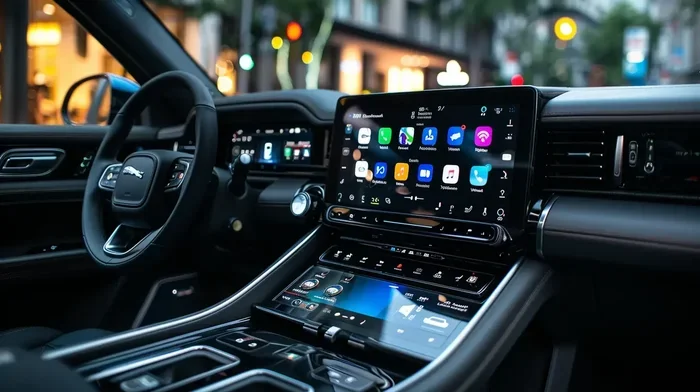
Most modern cars come with built in bluetooth as a standard feature, allowing drivers to make hands-free calls, stream music, and connect their smartphones wirelessly. This technology has transformed the driving experience by replacing tangled wires with seamless wireless connectivity. Whether you drive a new sedan or an older model, understanding your car’s bluetooth capabilities can make every trip safer and more enjoyable.
This is a comprehensive guide about Do Cars Have Built In Bluetooth.
Key Takeaways
- Built-in bluetooth is standard in most cars made after 2012: Nearly every new vehicle now includes wireless connectivity as a factory feature.
- Hands-free calling is the biggest safety benefit: Bluetooth lets you answer calls without taking your hands off the wheel or eyes off the road.
- Music streaming works through your car speakers: You can play playlists, podcasts, and audiobooks from your phone through your vehicle’s audio system.
- Older cars can get bluetooth too: Aftermarket bluetooth adapters and car kits can add wireless features to almost any vehicle.
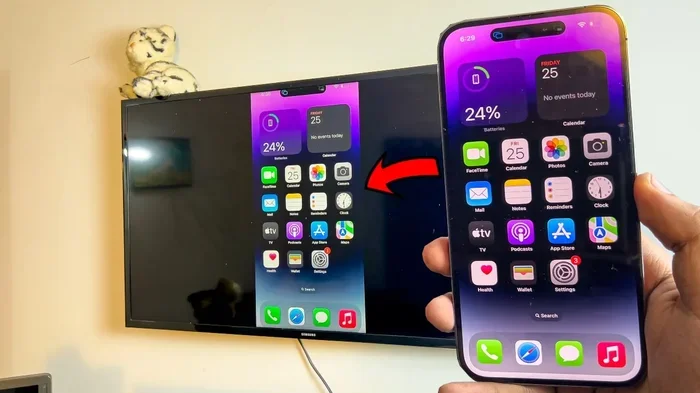
- Pairing is usually simple and fast: Most cars let you connect your phone in just a few steps, similar to pairing Bluetooth headphones to a TV.
- Bluetooth versions matter for range and quality: Newer versions offer better sound quality and longer connection distances inside the vehicle.
[FEATURED_IMAGE_PLACEHOLDER]
What Is Built-In Bluetooth In Cars?
Built-in bluetooth in cars is a wireless technology that lets your phone talk to your vehicle’s audio system without any cables. It creates a short-range wireless connection between your smartphone and your car’s computer. This connection handles calls, music, and even voice commands.
You might wonder, do cars have built in bluetooth? The answer is yes for most vehicles made in the last decade. Car manufacturers have made this feature so common that it feels like standard equipment. If you bought a car after 2015, there is a very good chance it has bluetooth already installed.
The technology works using a short-range radio frequency. Your phone sends a signal, and your car’s system receives it. This happens instantly when you get in the vehicle. The connection is secure and designed specifically for driving environments.
How Bluetooth Differs From Other Wireless Connections
Bluetooth is not the same as Wi-Fi. Wi-Fi connects to the internet. Bluetooth connects devices directly to each other. This makes it perfect for cars because it works without needing a data plan or cell signal. It also uses very little battery power from your phone.
Some people confuse bluetooth with using Bluetooth for radio streaming. While the technology is similar, car bluetooth is optimized for automotive use. It handles calls, audio playback, and contact syncing in a way that is safe and driver-friendly.
How Does Bluetooth Work In Vehicles?
Understanding how bluetooth works in your car helps you use it better. The process is simpler than most people think. When you turn on your car, the bluetooth system becomes active and ready to connect.
Here is how the connection process typically works:
- Your car’s system broadcasts a signal looking for nearby devices.
- Your phone detects the car and shows it as an available device.
- You select the car from your phone’s bluetooth settings.
- The two devices pair and create a secure connection.
- Once paired, they reconnect automatically every time you get in the car.
This process is very similar to how you would pair Bluetooth headphones to a TV. The steps are nearly identical across all bluetooth devices. The main difference is that car systems often support more features like call handling and voice control.
Bluetooth Versions And What They Mean For Cars
Not all bluetooth is the same. Different versions offer different speeds and ranges. Here is a quick look at what matters for cars:
- Bluetooth 2.0 + EDR: Found in older cars. Basic call quality and slower music streaming.
- Bluetooth 3.0: Faster data transfer. Better music quality but still older.
- Bluetooth 4.0: Low energy use. Good balance of range and battery savings.
- Bluetooth 5.0: The current standard in new cars. Double the range and faster connection speeds.
- Bluetooth 5.3: The newest version. Offers the best audio quality and stability.
Most cars today use Bluetooth 4.0 or higher. This gives you reliable connections and good sound quality. The version number does not change how you use bluetooth in your car. It just means the connection is faster and more stable.
Which Car Brands Offer Built-In Bluetooth?
Almost every car brand now includes bluetooth as a standard feature. You will find it in vehicles from Toyota, Honda, Ford, Chevrolet, BMW, Mercedes-Benz, and many others. Even budget-friendly cars come with bluetooth built in.
Here is a look at how different brands approach bluetooth connectivity:
| Brand | Bluetooth Standard | Key Feature |
|---|---|---|
| Toyota | Bluetooth 4.0+ | Hands-free calling and audio streaming |
| Ford | Bluetooth 4.0+ | SYNC system with voice commands |
| Honda | Bluetooth 4.0+ | Android Auto and Apple CarPlay support |
| Chevrolet | Bluetooth 4.0+ | Multiple phone pairing |
| BMW | Bluetooth 5.0 | Premium audio streaming quality |
| Hyundai | Bluetooth 4.0+ | Wireless Apple CarPlay in newer models |
The table shows that bluetooth is universal across brands. The differences are mainly in the version number and extra features. No matter what car you drive, there is a good chance it supports bluetooth.
Even luxury brands like Audi and Lexus now integrate smart assistants through bluetooth connections. The technology has become so essential that skipping it would hurt sales.
Benefits Of Bluetooth In Your Car
Bluetooth in your car offers many advantages beyond just playing music. It changes the way you interact with your phone while driving. Here are the main benefits that make this feature so valuable.
1. Hands-Free Calling For Safety
The number one benefit of car bluetooth is hands-free calling. You can answer incoming calls without picking up your phone. The car’s speakers play the call audio, and your voice goes through the car’s microphone.
This keeps your hands on the wheel and your eyes on the road. Studies show that hands-free calling is much safer than holding your phone while driving. Many states now require hands-free devices for phone calls in vehicles.
2. Wireless Music Streaming
Bluetooth lets you stream music from your phone through your car speakers. You can play Spotify, Apple Music, podcasts, or any audio app. The sound comes out of your car’s built-in speakers, giving you better quality than phone speakers.
This is similar to how Bluetooth connects a phone to a Roku for audio. The principle is the same. Your phone sends audio wirelessly to a speaker system. In this case, the speaker system is your car’s audio setup.
3. Contact Syncing
When you pair your phone, your car can access your contacts. This means you can call people by voice command. You just say the name, and the car dials for you. No need to scroll through your phone while driving.
This feature alone makes bluetooth worth having in any car. It saves time and keeps you focused on the road ahead.
4. Voice Command Integration
Many modern cars support voice commands through bluetooth. You can ask your car to make calls, send texts, or change music. Systems like Ford SYNC, Apple CarPlay, and Android Auto make this possible.
Voice commands reduce distractions significantly. You keep your hands free and your attention on driving. This is especially helpful on long road trips.
Common Bluetooth Problems And How To Fix Them
Bluetooth in cars is generally reliable. But sometimes things go wrong. Here are the most common issues and simple fixes for each one.
Problem: Phone Won’t Connect To Car
This is the most common bluetooth issue. Try these steps first:
- Turn bluetooth off and back on in your phone settings.
- Restart your car’s infotainment system.
- Delete the car from your phone’s paired devices and pair again.
- Make sure your phone is within range of the car’s bluetooth antenna.
Most connection problems fix themselves with a simple restart. Just like how resetting bluetooth on a hearing aid can solve connection issues, the same basic steps apply to cars.
Problem: Poor Audio Quality
If your music sounds fuzzy or crackly through bluetooth, try these fixes:
- Move your phone closer to the car’s center console.
- Check if other wireless devices are interfering.
- Lower the volume on your phone slightly.
- Update your car’s infotainment software.
Bluetooth audio quality depends on signal strength. The closer your phone is to the car’s receiver, the better the sound will be.
Problem: Car Connects But Won’t Play Music
Sometimes the call function works but music does not stream. This usually happens because of a media settings issue. Go to your phone’s bluetooth settings and make sure media audio is turned on for the car connection. This one setting controls whether music streams through the car.
Bluetooth In Cars: Newer Models Vs Older Vehicles
The bluetooth experience differs a lot between new and older cars. Understanding these differences helps you know what to expect.
Bluetooth In Newer Cars (2018 and newer)
New cars offer the best bluetooth experience. They typically have Bluetooth 5.0 or newer. The connection is fast, stable, and supports high-quality audio streaming. Many newer vehicles also offer wireless apple carplay and android auto through bluetooth.
Newer cars also support multiple phone pairings. You can connect your phone and your passenger’s phone at the same time. The car remembers both devices and switches between them easily.
Bluetooth In Older Cars (Pre-2012)
Older cars may have bluetooth, but the features are limited. You might only get hands-free calling. Music streaming might not be supported. The connection range could be shorter too.
If your older car does not have bluetooth, you have options. Aftermarket bluetooth adapters plug into your car’s audio system. These small devices add wireless connectivity to any vehicle. They are affordable and easy to install.
Think of it like adding Bluetooth to an old Bose Wave radio. The technology works the same way. You just need the right adapter to make it happen.
How To Get The Most From Car Bluetooth
Once you understand your car’s bluetooth system, you can use it more effectively. Here are practical tips to enhance your experience.
Keep Your Phone Software Updated
Phone updates often improve bluetooth performance. Make sure your phone runs the latest operating system. This ensures compatibility with your car’s system.
Name Your Devices Clearly
When you pair multiple devices, give them clear names. Call yours “My Phone” and your passenger’s “Guest Phone.” This makes switching between devices much easier while driving.
Delete Old Pairings Regularly
Cars can store many paired devices. Over time, this list can slow things down. Delete old pairings you no longer use. This keeps the system running smoothly.
Use Voice Commands Instead Of Touch
The safest way to use bluetooth while driving is through voice commands. Avoid touching your phone or the car’s screen. Let your voice do the work. This keeps your attention where it belongs.
Conclusion
So do cars have built in bluetooth? Yes, almost all modern vehicles come equipped with this wireless technology. It has become as standard as power windows and air conditioning. Whether you drive a new electric vehicle or a used sedan from 2015, there is a strong chance bluetooth is already in your car.
The benefits are clear. Hands-free calling keeps you safe. Music streaming makes every drive more enjoyable. Contact syncing saves you time. Voice commands reduce distractions. These features work together to make driving a better experience.
If your car does not have bluetooth, adding it is easy and affordable. Aftermarket adapters work with almost any vehicle. You do not need to buy a new car to enjoy wireless connectivity.
Take a few minutes to explore your car’s bluetooth settings. Try pairing your phone. Test the voice commands. Once you see how easy and useful it is, you will wonder how you ever drove without it.
Frequently Asked Questions
Do all new cars come with built-in bluetooth?
Yes, nearly every new car sold today includes built-in bluetooth as standard equipment. Even the most affordable models now offer this feature. It has become so common that manufacturers rarely sell cars without it anymore.
Can I use Bluetooth in my car without a data plan?
Absolutely. Bluetooth connects your phone to your car directly. It does not need the internet or a data plan to work. You can make calls and play stored music without using any data at all.
How far can my phone be from the car for Bluetooth to work?
Bluetooth in cars typically works within a 30-foot range. Your phone needs to be inside the vehicle or very close to it. Some newer cars with Bluetooth 5.0 can maintain a connection from farther away.
Can I connect more than one phone to my car’s Bluetooth?
Yes, most cars can store multiple paired devices. You can connect two or more phones at the same time. The car usually remembers the last connected phone and switches to it automatically when you start the vehicle.
Does Bluetooth in cars drain my phone battery?
Bluetooth uses very little battery power. A connected phone might lose a small amount of charge over a long drive. But the drain is minimal and far less than using your phone’s speakers or screen directly.
Can I add Bluetooth to an older car that does not have it?
Yes, you can easily add Bluetooth to older cars. Aftermarket Bluetooth adapters plug into your car’s aux input or cigarette lighter. These devices are affordable and simple to set up. They give any vehicle wireless calling and music streaming capability.