Do Bathroom Fans Need Special Switches for Ventilation
Bathroom fans do not always need special switches, but choosing the right one can improve ventilation, save energy, and extend fan life. Standard toggle switches work for basic fans, while timer and humidity-sensor switches add smart features. This guide covers every switch type so you can pick the best option for your bathroom.
Have you ever stood in your bathroom and wondered if the fan above you is doing its job properly? Maybe you noticed moisture lingering after a hot shower, or the fan sounds louder than it should. These are common signs that your bathroom fan switch might not be the right fit for your setup.
The good news is that you do not need to be an electrician to understand how bathroom fan switches work. Whether you are building a new bathroom or upgrading an old one, picking the right switch matters more than most people think. A proper switch keeps your ventilation fan running efficiently, prevents mold growth, and even lowers your energy bill. In this guide, we will walk you through every switch type, explain what you actually need, and help you avoid common mistakes.
Let us start with the basics so you feel confident making the right choice for your home.
Key Takeaways
- Not all bathroom fans need special switches: A standard toggle switch works fine for most basic ventilation fans.
- Timer switches add convenience: They turn the fan off automatically after a set time, saving energy and money.
- Humidity-sensor switches are the smartest option: They detect moisture levels and adjust fan operation without any effort from you.
- Smart switches open new possibilities: You can control your fan with your voice or phone, but you need a stable Wi-Fi connection for full functionality.
- Wrong switch choices cause problems: Using the wrong type can lead to fan damage, short circuits, or poor ventilation.
- Fan CFM rating matters when choosing a switch: Higher CFM fans may need dedicated circuits and specific switch types.
- Professional help is always an option: If you are unsure about wiring, hiring a licensed electrician keeps your home safe.
📑 Table of Contents
- What Is a Bathroom Fan and Why Does It Matter?
- Types of Switches for Bathroom Fans
- Do You Actually Need a Special Switch for Your Bathroom Fan?
- Smart Switches and Modern Bathroom Fans
- Common Bathroom Fan Switch Mistakes to Avoid
- How to Choose the Right Switch for Your Bathroom Fan
- Frequently Asked Questions About Bathroom Fan Switches
- Final Thoughts on Bathroom Fan Switches
What Is a Bathroom Fan and Why Does It Matter?
A bathroom fan, also called an exhaust fan or ventilation fan, pulls moist air out of your bathroom. It helps control humidity, reduces odors, and prevents mold and mildew from forming on walls and ceilings. Most fans are mounted on the ceiling or installed in the wall, and they connect to ductwork that vents air outside your home.
The fan motor inside these units runs on electricity, and the switch on your wall controls when it turns on and off. Without proper ventilation, bathrooms can develop serious moisture problems. Over time, excess humidity can damage drywall, warp wood, and create health issues from mold exposure.
Here is something many homeowners do not realize. The type of switch you use directly affects how well your fan works. A basic toggle switch gets the job done, but it does not offer much control. More advanced switches give you options like automatic shutoff, variable speed, and remote operation. Understanding these differences is the first step toward better bathroom ventilation.
How Bathroom Fans Work
When you flip a switch, electricity flows to the fan motor. The motor spins a blade or impeller that pulls air through the fan housing and pushes it through a duct to the outside. The CFM rating, which stands for cubic feet per minute, tells you how much air the fan moves. Higher CFM ratings mean stronger ventilation, but they also need the right switch to perform well.
Most bathroom fans use a single-speed motor. This means the fan runs at full power whenever it is on. Some newer models offer multi-speed or variable-speed motors, which work better with certain types of switches. We will talk more about that below.
Types of Switches for Bathroom Fans
Not all switches are created equal. Different switch types offer different levels of control, convenience, and energy efficiency. Let us break down the most common options so you can see what works best for your situation.
Standard Toggle Switch
The standard toggle switch is the most basic and widely used option. It has an on-off position, and you flip it to start or stop the fan. This type of electrical switch is simple, affordable, and easy to install. It works well for basic bathroom fans that do not need advanced features.
If you just want your fan to run when you need it and turn it off when you are done, a toggle switch gets the job done. The downside is that you have to remember to turn it off. Many people leave the fan running too long or forget to turn it on at all.
Timer Switch
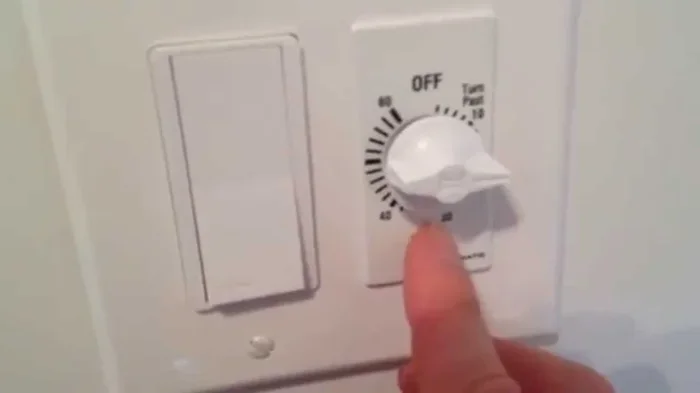
A timer switch lets you set how long the fan runs after you turn it on. Most timer switches offer preset times like 10, 20, or 30 minutes. Once the time is up, the switch automatically cuts power to the fan.
This is a great option if you want hands-off operation. You do not have to remember to turn the fan off. Timer switches also help save energy because the fan cannot run indefinitely. They are especially useful in households with children or elderly family members who might forget to flip the switch.
Humidity-Sensor Switch
A humidity sensor switch is the most intelligent option available. It measures the moisture level in your bathroom and turns the fan on or off based on preset humidity thresholds. When the air gets too damp, the switch activates the fan automatically. When humidity drops back to a safe level, it shuts the fan off.
This type of switch is ideal for people who want set-it-and-forget-it convenience. You never have to think about turning the fan on or off. The sensor handles everything. Humidity-sensor switches are also excellent for preventing mold because they respond to moisture levels in real time.
Smart Switch
Smart switches let you control your bathroom fan using a phone app, voice commands, or a home automation system. Many smart switches work with popular voice assistants like Alexa or Google Home. They offer features like scheduling, remote access, and integration with other smart home devices.
If you are interested in a smart switch, you should check whether your Wi-Fi setup supports it. Some smart devices need a strong and stable connection to work properly. For example, if you already use a smart speaker in your home, you might want to verify whether it needs a Wi-Fi password to function correctly. You can learn more about that in our guide on Does Alexa Need Wi Fi Password.
Smart switches are more expensive than basic options, but they offer the most flexibility and control. They are a great choice for tech-savvy homeowners who want to build a connected home.
Dimmer Switch
A dimmer switch adjusts the fan speed by reducing the voltage sent to the motor. This lets you run the fan at a lower speed for quieter operation or higher speed for stronger ventilation. Some dimmer switches offer multiple speed settings, while others provide a smooth range of control.
Not all fans work with dimmer switches, so you need to check compatibility before buying. Fans with variable-speed motors respond best to dimmer controls. Using a dimmer with a single-speed motor can sometimes cause humming or reduced motor life.
Do You Actually Need a Special Switch for Your Bathroom Fan?
The short answer is no, you do not always need a special switch. A standard toggle switch works perfectly fine for most basic bathroom fans. However, “working fine” and “working optimally” are two different things. A special switch can make a big difference in convenience, energy savings, and fan longevity.
Here is a simple way to think about it. If you only use your bathroom fan occasionally and always remember to turn it off, a basic toggle switch is all you need. But if you want automatic operation, energy savings, or better humidity control, a more advanced switch is worth the investment.
The right choice depends on your lifestyle, budget, and how much control you want over your bathroom ventilation. Let us look at a quick comparison to help you decide.
| Switch Type | Cost | Convenience | Energy Savings | Best For |
|---|---|---|---|---|
| Toggle Switch | Low | Basic | Low | Simple fan use |
| Timer Switch | Low to Medium | Good | Medium | Set-and-forget operation |
| Humidity Sensor Switch | Medium | Excellent | High | Automatic moisture control |
| Smart Switch | Medium to High | Excellent | High | Connected homes |
| Dimmer Switch | Low to Medium | Good | Medium | Variable speed control |
As you can see, each switch type has its strengths. There is no single “best” option for everyone. Your choice should match your specific needs and how you use your bathroom.
Smart Switches and Modern Bathroom Fans
Smart home technology has changed the way we control many devices in our homes, and bathroom fans are no exception. A smart switch gives you the ability to manage your fan from anywhere in your house or even when you are away from home.
Imagine this scenario. You just finished a long shower and stepped out of the bathroom. Instead of walking back to flip the switch, you simply tell your smart speaker to turn off the fan. Or better yet, the fan shuts itself off because the humidity sensor detected that the air is dry enough. That is the power of a well-designed smart setup.
Before you buy a smart switch, make sure your home has the right electrical wiring. Most smart switches require a neutral wire, which older homes may not have. You should also consider your home network and whether it can support multiple connected devices. If you are concerned about privacy and security on your network, you might want to learn whether guests on your Wi-Fi can see what you are doing online. Check out our article Can People See What You Do On Guest Wifi for helpful tips on securing your home network.
Smart switches also pair well with other smart home devices. You can create routines where the fan turns on automatically when you turn on the bathroom light, or when humidity reaches a certain level. These small automations add up to significant improvements in comfort and air quality over time.
Are Smart Bathroom Fans Worth the Cost?
Smart bathroom fans and smart switches cost more upfront than traditional options. However, they can save you money over time through better energy efficiency. A fan that runs only as long as needed wastes less electricity. Over the life of the fan, those savings can offset the higher initial cost.
Smart switches also tend to last longer because they reduce the wear and tear on the fan motor. Instead of running at full power all the time, you can set lower speeds for everyday use. This gentle operation extends the life of the motor and reduces the need for repairs or replacements.
Common Bathroom Fan Switch Mistakes to Avoid
Even with the best intentions, homeowners often make mistakes when choosing or installing bathroom fan switches. Here are the most common errors and how to avoid them.
Using the Wrong Switch for the Fan Type
Not every switch works with every fan. Using a dimmer switch with a fan that does not support variable speed can cause the motor to hum, overheat, or fail prematurely. Always check the fan manufacturer’s recommendations before purchasing a switch.
Ignoring Electrical Capacity
Bathroom fans draw a specific amount of electrical current. If your switch or wiring cannot handle that load, you risk tripping a breaker or creating a fire hazard. Make sure your electrical setup matches the fan’s requirements. If you are unsure, consult a licensed electrician.
Skipping the Humidity Sensor When You Need One
If your bathroom tends to stay damp after showers, a basic toggle switch is not enough. You need a switch that responds to moisture levels automatically. Skipping a humidity sensor in a humid bathroom can lead to mold growth and poor air quality.
Forgetting About Fan CFM Rating
The CFM rating of your fan determines how much air it moves. A fan with a high CFM rating needs a switch that can handle its power draw. Choosing a switch that is too small for your fan can lead to poor performance and potential electrical issues. You can find more information about device compatibility in our guide on Do I Need An Ipad If I Have An Iphone, which covers how to research the right specs before purchasing.
Not Upgrading When You Should
If your current switch works but lacks useful features, it might be time to upgrade. Older homes often have outdated toggle switches that do not support modern fan technology. Upgrading to a timer or smart switch is a relatively simple project that can significantly improve your bathroom experience.
How to Choose the Right Switch for Your Bathroom Fan
Choosing the right switch comes down to a few key factors. Consider the following before making your purchase.
1. Your Bathroom Size. Larger bathrooms need fans with higher CFM ratings. A bigger fan may require a more robust switch, especially if it has variable speed or smart features.
2. Your Humidity Levels. If your bathroom gets very humid after showers, a humidity-sensor switch is the best choice. It keeps the air dry without any effort from you.
3. Your Budget. Toggle switches are the most affordable, while smart switches cost more. Set a budget before shopping so you can narrow down your options.
4. Your Smart Home Setup. If you already use smart home devices, a smart switch integrates seamlessly into your existing ecosystem. It adds convenience and control without adding clutter to your walls.
5. Your Wiring. Check your bathroom wiring before buying a switch. Some smart switches need a neutral wire, and not all homes have one. This is especially common in older homes built before the 2000s.
6. Your DIY Skill Level. If you are comfortable with basic electrical work, you can swap out a switch yourself. If not, hiring a professional is always a safe choice. A wrong wiring connection can cause serious problems, so do not hesitate to get expert help if you need it.
Quick Tips for Switch Installation
- Always turn off the power at the breaker before working on any electrical switch.
- Use a voltage tester to confirm the power is off before touching any wires.
- Follow the manufacturer’s wiring diagram exactly.
- If you are unsure about any step, consult a licensed electrician.
- Label your wires before disconnecting them to make reassembly easier.
- Test the switch after installation before closing up the wall.
Frequently Asked Questions About Bathroom Fan Switches
Here are some common questions homeowners ask about bathroom fan switches and ventilation.
Can I Use a Regular Light Switch for My Bathroom Fan?
Yes, a regular light switch can work for a basic bathroom fan. Most toggle switches are rated for the electrical load of a standard fan. However, if you want features like automatic shutoff or variable speed, you will need a different type of switch. A regular switch simply turns the fan on and off with no extra control.
How Many CFM Do I Need for My Bathroom Fan?
As a general rule, you need at least 1 CFM per square foot of bathroom space. For example, a 50-square-foot bathroom needs a fan rated at 50 CFM or higher. Bathrooms with showers or tubs may need even more ventilation to handle excess moisture effectively.
Can I Install a Smart Switch Myself?
Many smart switches are designed for DIY installation and come with clear instructions. However, you need basic electrical knowledge and the right tools. If your home has older wiring or you are uncomfortable working with electricity, it is best to hire a licensed electrician. Safety should always come first.
Do Humidity-Sensor Switches Work Well in Small Bathrooms?
Yes, humidity-sensor switches work well in bathrooms of all sizes. In small bathrooms, moisture can build up quickly, so an automatic sensor is especially helpful. The switch detects humidity levels and activates the fan without you needing to do anything.
Are Smart Bathroom Fans Worth the Extra Cost?
Smart bathroom fans and smart switches can be worth the investment if you value convenience and energy savings. They offer automatic operation, remote control, and integration with other smart home devices. Over time, the energy savings can help offset the higher upfront cost.
What Happens If I Use the Wrong Switch for My Fan?
Using the wrong switch can cause several problems. The fan may hum, vibrate, or overheat. In some cases, it can trip a circuit breaker or damage the fan motor. Always check compatibility between your fan and switch before making a purchase.
Final Thoughts on Bathroom Fan Switches
Bathroom fans are essential for keeping your bathroom dry, fresh, and free from moisture damage. The switch you choose to control that fan plays a bigger role than most people realize. From simple toggle switches to advanced smart switches, each option offers different levels of control, convenience, and efficiency.
You do not necessarily need a special switch, but choosing the right one for your needs can make a real difference. If you want hands-free operation, go with a humidity-sensor or smart switch. If you just need basic on-off control, a standard toggle switch works fine. The key is to match your switch to your fan and your lifestyle.
Take some time to evaluate your bathroom setup. Consider the size of your space, your humidity levels, and how much control you want. Then pick the switch that fits your needs and budget. A small upgrade today can save you from big moisture problems tomorrow. Your bathroom and your wallet will thank you for it.