Do 3d Printing Pens Work Here Is What You Need To Know
Do 3D printing pens work? Yes, they absolutely do. These handheld devices let you draw in mid-air using melted plastic filament that cools and hardens instantly. Whether you are a hobbyist, artist, or parent looking for a fun creative tool, a 3D printing pen opens up a world of possibilities.
Have you ever seen someone draw a butterfly in mid-air and wondered if it was real? That magic trick is actually done with a 3D printing pen. These handheld devices have taken the creative world by storm. But the big question remains: do they really work?
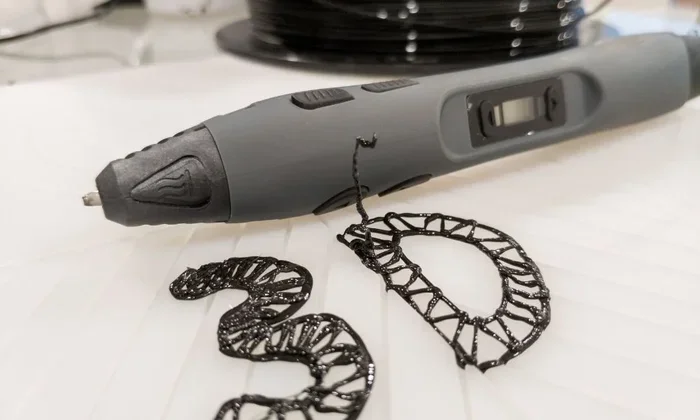
The short answer is yes. A 3D printing pen works by heating plastic filament until it melts. The melted plastic then flows through a tiny nozzle. As it comes out, you can draw shapes in the air. The plastic cools within seconds and holds its shape. It sounds like science fiction, but it is very real and very accessible today.
If you have been curious about picking up a 3D pen but are not sure if it is worth your time, this guide is for you. We will walk through exactly how they work, what you can do with them, and what to look for before buying one.
Key Takeaways
- 3D printing pens work by heating plastic filament and extruding it through a nozzle: The melted plastic cools quickly, allowing you to build freestanding 3D structures in thin air.
- They are beginner-friendly and suitable for all ages: Most models are easy to use right out of the box, making them great for kids, teens, and adults alike.
- Filament type matters for performance: PLA and ABS are the two most common filaments, each offering different benefits for temperature, smell, and durability.
- 3D pens have many practical uses: From art and education to quick repairs and prototyping, the applications go far beyond simple doodling.
- They are not a replacement for full 3D printers: While versatile, 3D pens have limitations in precision and complexity compared to traditional 3D printing machines.
- Price ranges vary widely: You can find decent 3D printing pens for as low as $20, while professional-grade models can cost over $100.
- Practice makes perfect: Like any creative tool, the more you use a 3D pen, the better your results will become over time.
📑 Table of Contents
- How Does a 3D Printing Pen Actually Work?
- What Can You Create with a 3D Printing Pen?
- 3D Printing Pen vs. Traditional 3D Printer
- Types of Filament for 3D Printing Pens
- Tips for Getting the Best Results with a 3D Pen
- Common Mistakes People Make with 3D Pens
- Are 3D Printing Pens Worth Buying?
- How to Choose the Right 3D Printing Pen
- Final Thoughts
How Does a 3D Printing Pen Actually Work?
A 3D printing pen might look like a regular marker, but the inside is quite different. Let us break down the process step by step so you understand what is really happening.
The Heating and Extrusion Process
When you turn on a 3D pen, an internal heating element warms up the nozzle. You insert a plastic filament stick into the back of the pen. The filament feeds forward through a heat zone. As it reaches the nozzle, the plastic melts into a liquid-like state. You then press a button or trigger to push the melted plastic out.
The extrusion speed is adjustable on most models. This lets you control how much plastic comes out at once. Faster speeds create thicker lines, while slower speeds give you more detail. The melted plastic exits the nozzle as a thin, gooey string. The moment it hits the air, it starts to cool down.
Why the Plastic Hardens So Fast
One of the coolest things about a 3D printing pen is how quickly the plastic hardens. Most filaments like PLA cool within just a few seconds. This means you can lift your pen off the surface and your drawing stays in place. You are essentially building a 3D object layer by layer, just like a regular 3D printer does.
The cooling speed depends on the filament type and the ambient temperature. In a cool room, PLA hardens almost instantly. ABS takes a little longer and can be a bit more flexible when warm. Understanding this difference helps you choose the right material for your project.
What Can You Create with a 3D Printing Pen?
The possibilities with a 3D pen are surprisingly wide. People use them for art, education, repairs, and fun DIY projects. Let us explore some of the most popular uses.
Art and Decoration
Many artists use 3D printing pens to create stunning sculptures and wall art. You can draw freestanding shapes, add texture to paintings, or build entire 3D portraits. Some artists create intricate jewelry pieces using a 3D pen and colorful filaments.
You can also make decorative items like keychains, ornaments, and figurines. The beauty of a 3D drawing pen is that you are not limited by a printer bed size. You can make objects as big or as small as you want.
Education and Learning
Schools and homeschool parents love using 3D pens in the classroom. They help students understand geometry, spatial thinking, and design concepts. Kids can draw 3D shapes to learn about math in a hands-on way.
A 3D pen for kids is also a fantastic tool for building confidence. Children love seeing their ideas come to life in three dimensions. It encourages creativity, problem-solving, and fine motor skills development.
Practical Repairs and Prototyping
Do not underestimate the practical side of a 3D printing pen. People use them for quick fixes around the house. You can fill in small cracks, reinforce weak joints, or create custom brackets and holders.
Engineers and designers also use 3D pens for rapid prototyping. Instead of waiting hours for a full 3D print, they can sketch out an idea in minutes. This helps them test concepts before committing to a full print job.
3D Printing Pen vs. Traditional 3D Printer
It is easy to confuse a 3D pen with a traditional 3D printer. They both use plastic filament, but the experience is very different. Let us compare them side by side.
Key Differences at a Glance
- Portability: A 3D printing pen fits in your hand and goes anywhere. A 3D printer is a bulky machine that stays on a desk.
- Ease of use: Most 3D pens work right out of the box. Traditional printers require slicing software, bed leveling, and more setup.
- Precision: 3D printers offer much higher precision and detail. A 3D pen is better for freeform art and quick models.
- Price: A decent 3D pen costs between $20 and $80. A basic 3D printer starts around $200 and goes up from there.
- Output: Printers produce complete, detailed objects. Pens let you build objects manually, one line at a time.
When to Choose a 3D Pen Over a Printer
Choose a 3D printing pen if you want a creative, hands-on experience. Pens are perfect for art projects, quick fixes, and educational activities. They are also great for people who find traditional 3D printers too complicated or expensive.
Choose a full 3D printer if you need precise, repeatable parts. Printers are better for functional prototypes, mechanical parts, and detailed miniatures. Each tool has its place, and many hobbyists own both.
Types of Filament for 3D Printing Pens
The filament you choose makes a big difference in how your 3D pen performs. Not all filaments work well in every pen. Here is what you need to know.
PLA Filament
PLA is the most popular filament for 3D printing pens. It is made from plant-based materials like cornstarch. PLA is easy to use, smells mild, and cools quickly. It is a great choice for beginners and kids.
One downside of PLA is that it is not very heat-resistant. Objects made with PLA can soften in hot environments. But for most creative projects and learning activities, PLA works perfectly.
ABS Filament
ABS is a stronger and more durable filament. It can handle higher temperatures, which makes it good for functional parts and repairs. ABS has a slight chemical smell when heated, so you should use it in a well-ventilated area.
ABS takes a bit more skill to work with because it cools slower. You need to move steadily and confidently when drawing with ABS. But the results are tougher and more long-lasting than PLA.
Other Filament Types
Some 3D pens also support PETG, TPU, and wood-filled filaments. PETG offers a balance of strength and ease of use. TPU is flexible and rubbery, perfect for making soft grips or seals. Wood-filled filaments give your creations a natural, textured look.
Always check your 3D pen manual for compatible filament types. Using the wrong filament can clog the nozzle and damage the pen.
Tips for Getting the Best Results with a 3D Pen
Using a 3D printing pen is fun, but it does take some practice to get good results. Here are some tips that will help you improve fast.
Start with Simple Shapes
Do not try to build a complex sculpture on your first try. Start by drawing flat shapes on a piece of paper. Practice making straight lines, circles, and squares. Once you feel comfortable, try lifting the pen off the surface to draw in the air.
Control Your Speed
Speed control is key to clean 3D pen art. Moving too fast leaves gaps and thin spots. Moving too slow creates blobs and uneven lines. Find a steady pace that gives you smooth, consistent extrusion.
Use a Flat Surface as a Base
Many 3D pen projects start on a flat surface. You can draw the base of your object on paper first, then build up from there. This gives you a stable foundation and makes the whole process much easier.
Keep the Nozzle Clean
A clogged nozzle is one of the most common issues with 3D printing pens. Always remove old filament before switching to a new color. Some pens come with cleaning tools or needles to clear blockages. Keeping the nozzle clean ensures smooth, uninterrupted flow.
Experiment with Temperature Settings
Different filaments need different temperatures. PLA usually works best around 180 to 200 degrees Celsius. ABS needs higher heat, around 210 to 230 degrees. Experiment with your 3D pen settings to find the sweet spot for each filament type.
Common Mistakes People Make with 3D Pens
Even though 3D printing pens are easy to use, beginners often make a few common mistakes. Knowing these pitfalls can save you frustration and wasted filament.
- Using the wrong temperature: Too hot and the filament burns. Too cold and it will not extrude properly. Always match the temperature to your filament type.
- Moving too fast or too slow: Both extremes cause problems. Find a comfortable middle ground and practice consistency.
- Not letting the pen warm up: Some people start drawing immediately after turning on the pen. Wait 30 to 60 seconds for the filament to fully melt.
- Ignoring ventilation: ABS filament produces fumes that are not great to breathe. Always work in a ventilated space or use PLA instead.
- Overloading the filament: Pushing too much filament at once causes jams. Let the pen pull the filament in at its own pace.
Are 3D Printing Pens Worth Buying?
This is the question most people ask, and the answer depends on what you want to do. If you love creative projects, want a fun family activity, or need a tool for quick fixes, a 3D printing pen is absolutely worth it.
They are affordable, portable, and incredibly fun to use. A 3D pen makes a great gift for kids, artists, and hobbyists. The learning curve is short, and the satisfaction of seeing your ideas come to life in 3D is hard to beat.
However, if you need precise, professional-grade parts, a 3D pen is not the right tool. For that, you will need a full 3D printer. But for creativity, education, and everyday fixes, a 3D printing pen delivers excellent value.
How to Choose the Right 3D Printing Pen
Not all 3D pens are created equal. Here are some factors to consider before making your purchase.
- Filament compatibility: Make sure the pen works with the filament types you want to use. Most pens support PLA and ABS, but some also handle specialty filaments.
- Temperature and speed controls: Pens with adjustable settings give you more flexibility and better results.
- Nozzle size: A smaller nozzle gives you more detail. A larger nozzle lets you build faster. Some pens come with interchangeable nozzle tips.
- Ergonomics: You will hold the pen for a while. Choose one that feels comfortable in your hand and is not too heavy.
- Price: You can find solid 3D pens in the $20 to $50 range. Higher-end models with more features cost $70 to $150.
- Brand reputation: Look for brands with good customer reviews and reliable customer support.
Reading a few 3D pen reviews online before buying can save you from disappointment. Pay attention to comments about ease of use, filament jamming, and build quality.
Final Thoughts
So, do 3D printing pens work? Without a doubt, yes. They are fun, creative, and surprisingly useful tools that anyone can enjoy. Whether you are an artist looking to add dimension to your work, a parent seeking a cool activity for your kids, or a maker who loves experimenting with new tools, a 3D printing pen delivers on its promise.
The technology is simple yet effective. Melted plastic flows through a nozzle, you draw in the air, and the plastic hardens into a solid structure. It is like having a miniature 3D printer in the palm of your hand.
Start with a basic model, pick up some PLA filament, and practice simple shapes. You will be amazed at what you can create in just a few minutes. The world of 3D pen art is waiting for you. Grab a 3D printing pen and start drawing your ideas into reality today.
Frequently Asked Questions
Do 3D printing pens really work?
Yes, they absolutely work. A 3D printing pen heats plastic filament until it melts, then extrudes it through a small nozzle. The melted plastic cools and hardens within seconds, allowing you to draw 3D structures in mid-air.
What can you make with a 3D pen?
You can create art pieces, decorative items, educational models, quick repairs, and prototypes. People use 3D pens for drawing free-standing sculptures, keychains, ornaments, and even functional parts like brackets and holders.
Is a 3D printing pen safe for kids?
Most 3D pens are safe for children over 8 years old. The nozzle can get hot, so adult supervision is recommended. Using PLA filament is a safer choice for kids because it is non-toxic and has no strong fumes.
What is the difference between a 3D pen and a 3D printer?
A 3D pen lets you draw objects by hand in mid-air, while a 3D printer builds objects automatically on a bed. Pens are more portable, affordable, and creative. Printers offer higher precision and are better for functional parts.
What type of filament works best in a 3D pen?
PLA is the best filament for beginners because it is easy to use, cools fast, and has no strong smell. ABS is stronger and more heat-resistant but requires more skill and good ventilation. Always check your pen’s manual for compatible filament types.
How much does a good 3D printing pen cost?
A decent 3D pen costs between $20 and $80. Budget models under $30 are great for beginners and kids. Mid-range pens with more features cost $50 to $100, and professional-grade models can go above $100.
=== CONCLUSION ===
Do 3D printing pens work? Yes, they do, and they work surprisingly well. A 3D printing pen is a fun, affordable, and creative tool that lets you draw in three dimensions. Whether you want to make art, learn something new, or fix something around the house, a 3D pen delivers real results.
The key is to start simple, practice regularly, and choose the right filament for your projects. With a little patience, you will be creating impressive 3D creations in no time. Pick up a 3D pen today and experience the joy of bringing your ideas to life in the air around you.