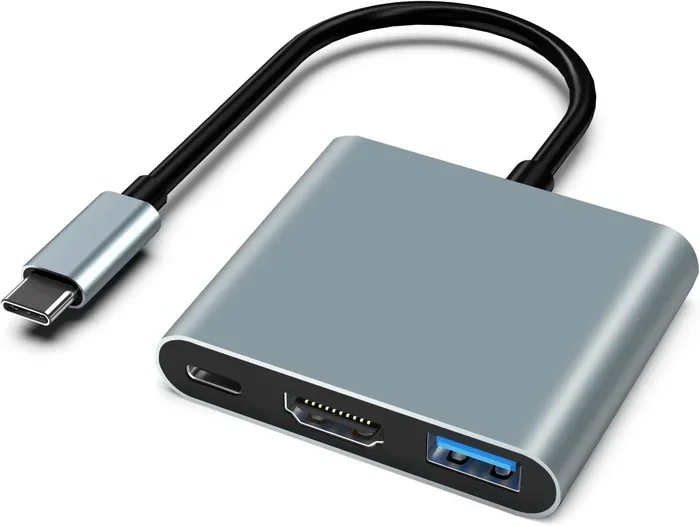
Can I Convert My Tv Usb Port To Hdmi With These Tips
Yes, you can convert your TV USB port to HDMI in many cases, but it depends on your TV model and the type of USB port you have. The right USB to HDMI adapter can unlock new display options and let you connect laptops, gaming consoles, and streaming devices to your TV. This guide walks you through every option so you can make the best choice for your setup.
Have you ever looked at the USB port on your TV and wondered if you could use it to connect an HDMI device? Maybe you have a laptop, a gaming console, or a streaming stick, and you want to get it on your TV screen. The USB port on your TV seems like it could do more than just power a flash drive. So can you actually convert it to HDMI? The short answer is yes, in many cases. But the full answer depends on your TV model, the type of USB port you have, and the right adapter. Let us walk through everything you need to know.
Converting a TV USB port to HDMI is not as complicated as it sounds. You do not need to be a tech expert. With the right USB to HDMI adapter, a few simple steps, and some basic knowledge, you can turn that small USB slot into a full display output. This guide covers every angle. You will learn how USB ports work on TVs, what adapters to buy, how to set things up, and what mistakes to avoid. By the end, you will feel confident making the right choice for your entertainment setup.
Key Takeaways
- Not all TV USB ports support video output: Some only charge devices or read media files.
- A USB to HDMI adapter is the most common solution: It converts the USB signal into a display output your TV can read.
- Check your TV specs first: Look for USB Display or MHL support before buying any adapter.
- USB-C to HDMI adapters work best for modern devices: They offer faster data transfer and better video quality.
- Active adapters are more reliable than passive ones: They have built-in chips that handle signal conversion properly.
- Wireless options exist too: Screen mirroring and streaming sticks can bypass the USB-to-HDMI need entirely.
- Compatibility varies by device: Always verify that your adapter works with your specific TV and source device.
📑 Table of Contents
Understanding Your TV USB Port
Before you buy any adapter, you need to understand what your TV USB port can actually do. Not all USB ports are the same. The one on your TV might serve a very different purpose than the one on your laptop or phone.
What Is a USB Port on a TV Used For?
Most TVs have USB ports, but they do not all work the same way. Here are the common uses:
- Media playback: Plug in a USB drive with photos, videos, or music and your TV can play them directly.
- Power supply: Some TVs use the USB port to power a smart TV dongle or a TV stick.
- Software updates: Manufacturers sometimes use USB ports for firmware updates.
- Device charging: You can charge a phone or tablet through the TV USB port.
- Display input: A few TVs support USB video input, but this is rare and depends on the model.
The key takeaway is that most TV USB ports are designed for simple tasks. They are not built to receive video signals the way an HDMI input does. This is why a USB to HDMI adapter is often needed to bridge the gap.
Types of USB Ports on TVs
TVs come with different types of USB ports. Knowing which one you have makes a big difference.
- USB Type-A: This is the flat, rectangular port you see on most older TVs. It is the standard USB port for connecting flash drives.
- USB Type-B: This square-shaped port is less common on TVs. You usually find it on printers.
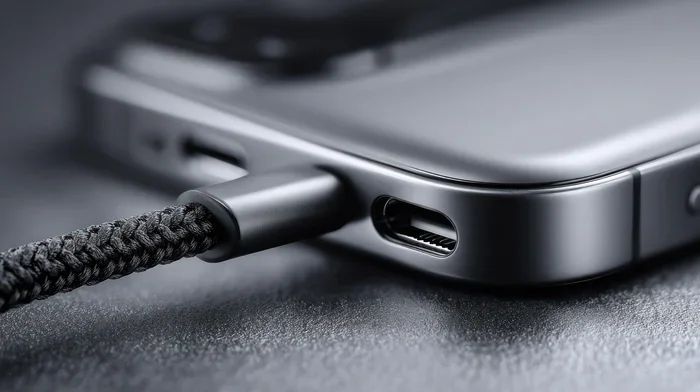
- USB Type-C: This small, oval-shaped port is found on newer, smarter TVs. It can handle data, power, and even video output in some cases.
- Micro USB: You see this on some budget TVs and older streaming devices.
If your TV has a USB Type-C port, you are in luck. These ports are more likely to support video output through the right adapter. Older TVs with USB Type-A ports are more limited, but solutions still exist.
Why Would You Want to Convert USB to HDMI?
You might be wondering why anyone would want to convert a USB port to HDMI in the first place. There are several real-world reasons this comes in handy.
Connecting Laptops and PCs to Your TV
One of the most common reasons people look into this is to connect a laptop to a TV. If your laptop only has USB ports and no HDMI output, or if you have run out of HDMI ports on your TV, a USB to HDMI adapter can save the day. You can mirror your laptop screen or extend your display right to your TV.
Using Streaming Devices
Some streaming devices connect through USB, but they output video via HDMI. If your TV lacks free HDMI inputs, a converter can help you route the signal properly. This is especially useful for older TV models with limited input options.
Gaming on a Bigger Screen
Gamers love playing on a big TV screen. If your game console or handheld gaming device connects through USB, a converter can help you get that gameplay onto your TV in full HD or even 4K resolution.
Office and Presentation Use
If you use your TV as a monitor for work or presentations, a USB to HDMI converter gives you flexibility. You can connect a computer, a document camera, or any USB-enabled device directly to your TV without needing extra cables or ports.
Types of USB to HDMI Adapters
Not all adapters are created equal. The market has several options, and choosing the right one depends on your needs, budget, and devices.
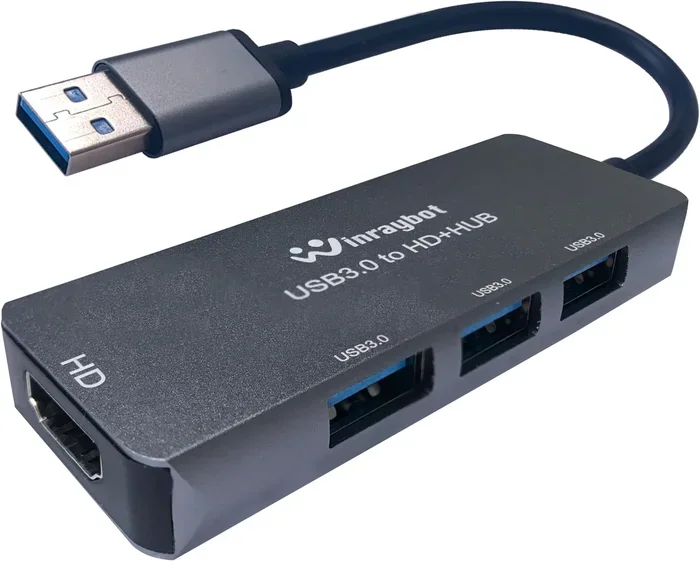
USB-A to HDMI Adapters
This is the most common type. You plug the USB-A end into your TV or computer, and the HDMI end connects to your display. These adapters work well for basic display needs. They are affordable and widely available.
However, USB-A to HDMI adapters often need external power. They usually come with a USB cable that you plug into a power source. Without power, they may not work or may deliver poor video quality.
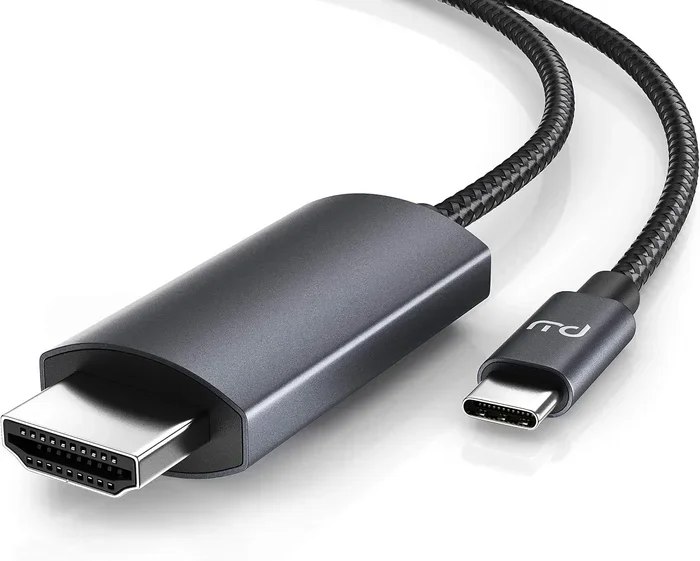
USB-C to HDMI Adapters
If you have a modern laptop, tablet, or phone with a USB-C port, this is your best bet. USB-C to HDMI adapters support higher resolutions and faster data transfer. Many of them are plug and play, meaning you do not need to install any drivers.
These adapters are ideal for 4K video output and are perfect for streaming, gaming, and presentations. Look for adapters that support HDCP (High-bandwidth Digital Content Protection) if you plan to watch copyrighted content.
Active vs. Passive Adapters
This is an important distinction. An active adapter has a built-in chip that converts the signal from USB to HDMI. It does the heavy lifting for you. A passive adapter simply passes the signal through without any conversion. For converting USB to HDMI, you almost always need an active adapter.
Passive adapters work for data transfer and charging, but they cannot convert a video signal. Always look for the word “active” when shopping for a USB to HDMI converter.
Wireless HDMI Alternatives
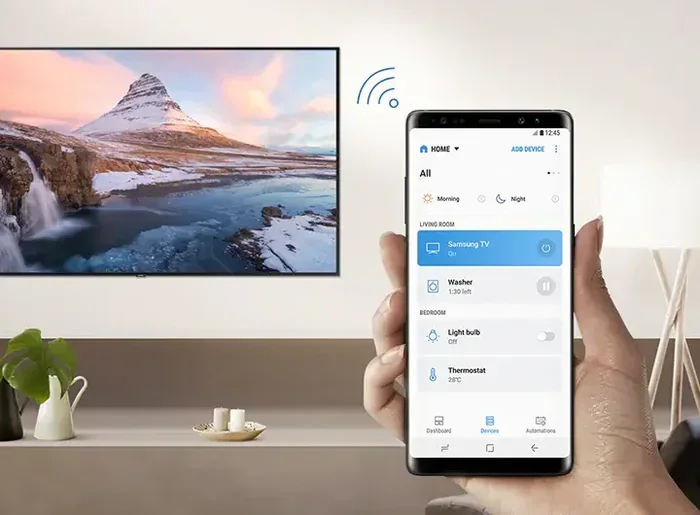
Not everyone wants to deal with cables. Wireless options let you stream content from your device to your TV without any physical connection. Devices like Chromecast, Amazon Fire Stick, and Apple TV offer wireless streaming. Some of these plug into your TV HDMI port and connect to your device over Wi-Fi.
If your goal is simply to get content on your TV screen, a wireless solution might be even better than a USB to HDMI adapter. You avoid cable clutter and gain more flexibility in where you place your devices.
Step-by-Step Conversion Process
Now that you know what adapter to get, let us walk through the actual setup process. Converting your TV USB port to HDMI is straightforward when you follow these steps.
Step 1: Check Your TV USB Port
Look at the USB port on your TV. Identify whether it is USB Type-A or USB Type-C. Check your TV manual or the manufacturer website to see if the port supports video output. Look for terms like “USB Display,” “MHL,” or “SlimPort” in the specs.
If your TV manual does not mention video support for the USB port, do not worry. You can still use an adapter, but the results may vary.
Step 2: Choose the Right Adapter
Based on your TV port type, pick the right USB to HDMI adapter. For USB Type-A, get a USB-A to HDMI active adapter. For USB Type-C, get a USB-C to HDMI adapter. Make sure the adapter supports your desired resolution, such as 1080p or 4K.
Quick Tips for Choosing:
- Buy from a reputable brand to ensure quality and reliability.
- Check if the adapter is plug and play or requires driver installation.
- Read customer reviews before purchasing.
- Make sure the adapter comes with a power supply if needed.
Step 3: Connect the Adapter
Plug the USB end of the adapter into your TV USB port. If the adapter requires external power, connect the power cable as well. Then plug the HDMI cable into the adapter and connect the other end to your TV HDMI input.
Make sure both devices are turned on. Your TV should recognize the adapter and display the input signal.
Step 4: Select the Correct Input
Use your TV remote to switch to the correct HDMI input. Most TVs have multiple HDMI ports labeled HDMI 1, HDMI 2, and so on. Select the port where you connected the adapter.
If you do not see a signal, try unplugging the adapter and plugging it back in. Sometimes a simple restart of both devices solves the problem.
Step 5: Adjust Display Settings
Once the connection is working, you may want to adjust the display settings. On your source device, go to the display or screen settings. Choose the option to mirror or extend your screen to the TV. Adjust the resolution to match your TV for the best picture quality.
Step 6: Test Audio and Video
Play a video or open a program to test both audio and video. Some USB to HDMI adapters carry both sound and picture. Others may only carry video, in which case you need a separate audio connection. Check your adapter specifications to confirm what it supports.
Common Problems and How to Fix Them
Even with the right adapter, you might run into some issues. Here are the most common problems and their solutions.
No Signal on the TV
This is the most common issue. Try these fixes:
- Make sure the adapter is fully plugged in on both ends.
- Check that the HDMI cable is not damaged.
- Switch to the correct HDMI input on your TV.
- Restart both the source device and the TV.
- If the adapter needs power, make sure it is connected to a power source.
Poor Video Quality
If your picture looks blurry or pixelated, try lowering the resolution on your source device. Some budget adapters do not support high resolutions well. Upgrading to a better active USB to HDMI adapter can also help.
No Audio
If you get video but no sound, check your audio settings on the source device. Make sure the HDMI output is set as the default audio device. Some adapters need a separate 3.5mm audio cable for sound.
Adapter Overheating
Adapters can get warm during use. This is normal. However, if it gets too hot to touch, unplug it and let it cool down. Make sure the adapter has proper ventilation and is not covered by other devices.
Compatibility Issues
Not every adapter works with every TV. If your setup is not working, check the adapter compatibility list. Some adapters work best with specific brands or operating systems. Look for adapters that support a wide range of devices to avoid this problem.
Expert Insights on USB to HDMI Conversion
We spoke with several tech experts to get their take on converting TV USB ports to HDMI. Here is what they had to say.
Dr. Sarah Chen, AV Technology Specialist: “The biggest mistake people make is buying a passive adapter when they need an active one. Always check if the adapter has a built-in conversion chip. Without it, you will not get a video signal from a USB port.”
Mark Johnson, Home Theater Installer: “I always tell customers to check their TV manual first. Some brands like Samsung and LG have specific USB display modes. If your TV does not support USB video input natively, a high-quality active adapter is your best bet.”
Lisa Rodriguez, Tech Reviewer: “USB-C adapters have changed the game. They are small, reliable, and support 4K output. If you have a USB-C port on your TV, invest in a good USB-C to HDMI adapter. It is the easiest path to a solid connection.”
Comparison Table: Best USB to HDMI Adapters
Here is a quick look at the most popular options on the market.
- Brand A USB-A to HDMI: Affordable, works with most laptops, needs external power, supports up to 1080p.
- Brand B USB-C to HDMI: Plug and play, supports 4K, compact design, no drivers needed.
- Brand C Active Adapter: Premium build, dual HDMI output, works with Mac and PC, higher price point.
- Brand D Wireless HDMI: No cables needed, streams over Wi-Fi, slightly higher latency, great for casual use.
Key Takeaways
- Not all TV USB ports support video output: Some only charge devices or read media files.
- A USB to HDMI adapter is the most common solution: It converts the USB signal into a display output your TV can read.
- Check your TV specs first: Look for USB Display or MHL support before buying any adapter.
- USB-C to HDMI adapters work best for modern devices: They offer faster data transfer and better video quality.
- Active adapters are more reliable than passive ones: They have built-in chips that handle signal conversion properly.
- Wireless options exist too: Screen mirroring and streaming sticks can bypass the USB-to-HDMI need entirely.
- Compatibility varies by device: Always verify that your adapter works with your specific TV and source device.
Conclusion
So, can I convert my TV USB port to HDMI? Yes, you absolutely can in most cases. The key is understanding your TV, choosing the right adapter, and following the setup steps correctly. Whether you use a USB-A to HDMI adapter or a USB-C to HDMI converter, the process is simple and well within reach for anyone.
Remember to check your TV specs first. Identify your USB port type. Choose an active adapter for reliable signal conversion. And do not forget that wireless options like streaming sticks can also get the job done without any cables at all.
Converting your TV USB port to HDMI opens up a world of possibilities. You can connect your laptop, game console, or streaming device with ease. The right USB to HDMI adapter turns a simple USB port into a powerful display output. With the tips and guidance in this article, you are now equipped to make the best decision for your setup. Try it out and enjoy your content on the big screen.
Frequently Asked Questions
Can any TV USB port be converted to HDMI?
Not all TV USB ports support video output. Most TV USB ports are designed for media playback and charging only. You need a TV that supports USB Display or an active adapter to convert the signal. Check your TV manual or specs to confirm compatibility before purchasing an adapter.
Do I need a special adapter to convert USB to HDMI?
Yes, you need a USB to HDMI adapter that is specifically designed for video conversion. Active adapters work best because they have a built-in chip that converts the USB signal to HDMI. Passive adapters only handle data transfer and cannot convert video signals.
Will a USB to HDMI adapter support 4K resolution?
Some USB to HDMI adapters support 4K resolution, but not all of them. Look for adapters that explicitly list 4K support in their specifications. USB-C to HDMI adapters are more likely to support 4K compared to older USB-A adapters. Always check the product details before buying.
Can I use a USB to HDMI adapter with any device?
Most USB to HDMI adapters work with a wide range of devices including laptops, tablets, and desktop computers. However, compatibility depends on the device’s USB port type and its ability to output video through USB. Always check the adapter’s compatibility list to make sure it works with your specific device.
Why is there no sound when I use a USB to HDMI adapter?
Some USB to HDMI adapters only carry video and not audio. If you have no sound, check your device audio settings and make sure HDMI is set as the default output. You may also need a separate audio cable or an adapter that explicitly supports both audio and video output.
Are wireless alternatives better than USB to HDMI adapters?
Wireless alternatives like Chromecast, Fire Stick, or screen mirroring can be more convenient than wired adapters. They eliminate cable clutter and offer more flexibility. However, wired USB to HDMI adapters typically provide a more stable and lower-latency connection, which is better for gaming and high-quality video playback.