Can I Convert A Vga Monitor To Hdmi With These Simple Steps
Yes, you can convert a VGA monitor to HDMI with the right converter or adapter. This guide walks you through every step, from picking the right VGA to HDMI converter to fixing common issues. You will learn how analog and digital signals work, which tools you need, and how to get the best picture quality on your VGA display.
If you have an old VGA monitor sitting around and a newer device with only HDMI ports, you might feel stuck. The good news is that Can I Convert A Vga Monitor To Hdmi is a question with a very clear answer. Yes, you can. And it is easier than most people think.
Whether you want to connect a laptop, a desktop PC, or a media player to a VGA monitor, a simple converter does the job. This guide shows you exactly how to do it. You will learn what tools you need, how the conversion works, and how to avoid common mistakes. By the end, you will feel confident making the switch.
Let us start with the basics. VGA stands for Video Graphics Array. It is an older analog connection standard that has been around since the late 1980s. HDMI stands for High-Definition Multimedia Interface. It is a modern digital standard that carries both video and audio in one cable. The gap between these two technologies is why you need a converter in the first place.
Key Takeaways
- VGA to HDMI conversion is simple: You just need a VGA to HDMI converter or adapter and an HDMI cable.
- Active converters work best: They boost the analog VGA signal and convert it to digital HDMI output clearly.
- Check your monitor specs first: Make sure your VGA monitor supports the resolution and refresh rate you want.
- Audio may need a separate cable: VGA carries no sound, so you may need a 3.5mm audio cable for audio through HDMI.
- Common problems have easy fixes: No signal, blurry image, and no sound are usually quick to solve.
- Consider upgrading if your monitor is old: A new HDMI monitor gives better picture quality and fewer connection headaches.
📑 Table of Contents
- What Is VGA and Why Do People Still Use It?
- How Does VGA to HDMI Conversion Work?
- The Best VGA to HDMI Converters and Adapters
- Step-by-Step Guide to Converting VGA to HDMI
- Common Problems and How to Fix Them
- Is VGA to HDMI Conversion Worth It?
- Tips for Getting the Best Results
- Common Mistakes to Avoid
What Is VGA and Why Do People Still Use It?
Understanding VGA Technology
VGA is an analog video standard. It sends information through electrical signals over a 15-pin D-sub connector. This is the blue, trapezoid-shaped port you have probably seen on older computers and monitors. VGA only carries video. It does not carry any audio signal at all.
Many people still use VGA monitors because they are reliable. A VGA monitor can last for many years if you take care of it. Some offices and schools still run VGA setups because replacing all the monitors is expensive. Also, some industrial machines and older equipment only have VGA output options.
But VGA has limits. The maximum resolution it supports is usually 2048 x 1536, and that is rare in practice. Most VGA monitors work best at 1024 x 768 or 1366 x 768. The image can also degrade over long cable runs. Interference and signal loss are real concerns with VGA connections.
Why VGA Monitors Are Still Around
There are several reasons VGA monitors are still in use today. Here are the most common ones:
- Cost savings: Many people already own a VGA monitor and do not want to buy a new one.
- Durability: Old VGA monitors were built to last. They often outlive newer budget displays.
- Compatibility: Some legacy systems and industrial equipment only output VGA signals.
- Availability: VGA monitors are cheap on the secondhand market.
- Simplicity: VGA connections are straightforward and rarely have driver issues.
Even though VGA is outdated, it still serves a purpose. The key is knowing how to bridge the gap between VGA and modern HDMI devices. That is where a VGA to HDMI converter comes in.
How Does VGA to HDMI Conversion Work?
Analog vs Digital Signals
To understand Can I Convert A Vga Monitor To Hdmi, you need to understand the difference between analog and digital signals. VGA sends an analog signal. This means the video information is carried as continuous electrical waves. HDMI sends a digital signal. This means the information is broken into binary code of ones and zeros.
A converter bridges this gap. It takes the analog VGA signal, samples it, and converts it into digital data that an HDMI cable can carry. This process is called digital-to-analog or analog-to-digital conversion, depending on the direction. The converter chip inside the device handles all of this in real time.
The quality of the conversion depends on the converter. Cheap converters may produce a blurry or flickering image. Good converters maintain sharp text and accurate colors. This is why choosing the right converter matters more than most people realize.
Active vs Passive Converters
Not all converters are the same. There are two main types you should know about:
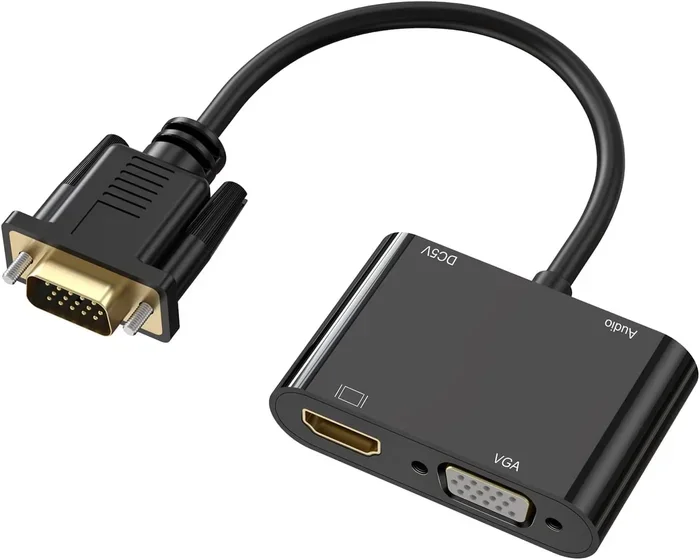
- Active converters: These have a built-in chip that processes the signal. They boost the VGA analog signal and convert it to digital HDMI output. Active converters work in both directions. They are the best choice for most users.
- Passive adapters: These simply re-route the pins from one connector to another. They do not convert the signal at all. A passive VGA to HDMI adapter will not work because VGA and HDMI use completely different signal types.
Always buy an active VGA to HDMI converter. If a product looks too cheap or claims to be a simple adapter, it is probably passive and will not do the job. Check the product description carefully before you buy.
The Best VGA to HDMI Converters and Adapters
Top-Rated Converters for 2024
There are many VGA to HDMI converters on the market. Here are some things that separate the good ones from the bad ones:
- Built-in audio extraction: Some converters pull the audio signal from your device and send it through the HDMI cable. This is very useful if your monitor or TV has built-in speakers.
- USB power requirement: Most active converters need a USB port for power. Make sure your device has a free USB port nearby.
- Resolution support: Look for converters that support at least 1080p at 60Hz. Some support 4K, but that is rare for VGA input.
- Build quality: Metal housings last longer than plastic ones. Look for converters with good cable management and sturdy connectors.
Popular brands in this space include brands like Cable Matters, DeLock, and UGREEN. These brands offer reliable converters with good customer support. Always read user reviews before making a purchase.
What to Look for When Buying
Before you buy a converter, check these key specs:
- Input and output types: Make sure it has a VGA input and an HDMI output.
- Maximum resolution: 1080p is the sweet spot for most VGA monitors.
- Audio support: Check if the converter supports audio through HDMI.
- Power source: Some converters use USB power, while others need a wall adapter.
- Driver requirements: Most converters are plug-and-play. But some may need a driver install on Windows.
Here is a quick comparison of the main types of converters you will find:
| Feature | Basic Converter | Premium Converter |
|---|---|---|
| Price Range | $10 – $20 | $25 – $50 |
| Resolution Support | Up to 1080p | Up to 1080p or 4K |
| Audio Support | Some models | Yes, built-in |
| Build Quality | Plastic | Metal housing |
| USB Power | Yes | Yes |
| Plug and Play | Mostly yes | Yes |
| Warranty | Limited or none | 1 – 2 years |
For most home and office setups, a basic converter in the $15 to $25 range works perfectly. If you need audio extraction or better build quality, spend a little more on a premium model.
Step-by-Step Guide to Converting VGA to HDMI
What You Need Before You Start
Before you begin the conversion process, gather these items:
- A VGA to HDMI active converter
- An HDMI cable (standard or mini, depending on your display)
- A VGA cable (the one you already use with your monitor)
- A USB cable or power adapter for powering the converter
- The device you want to connect (laptop, desktop PC, or media player)
Once you have everything, you are ready to start. The whole process takes about five minutes.
The Conversion Process
Follow these steps to connect your VGA monitor to an HDMI source:
- Plug the VGA cable into the converter. The VGA port on the converter is usually labeled “VGA In” or “Input.”
- Connect the other end of the VGA cable to your monitor. Push the connector in firmly until it clicks.
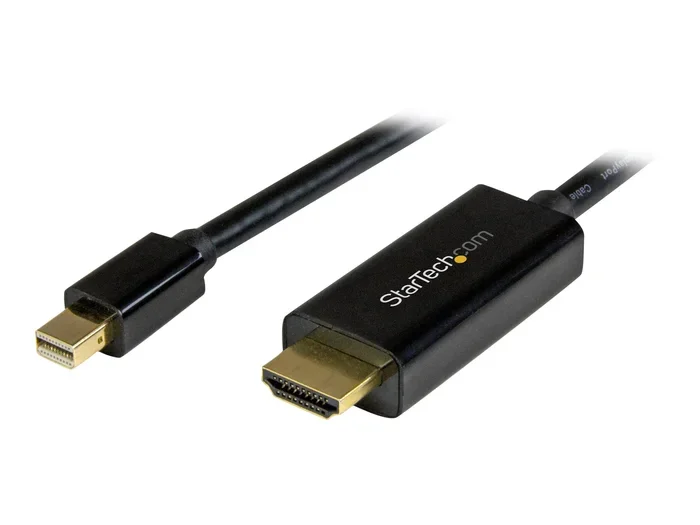
- Plug the HDMI cable into the converter. Use the port labeled “HDMI Out” or “Output.”
- Connect the other end of the HDMI cable to your display. This could be a TV, a projector, or an HDMI-capable monitor.
- Connect the USB power cable to the converter. Plug the USB end into your computer or a USB wall adapter.
- Turn on all devices. Power on your source device, the converter, and the display.
- Select the correct HDMI input on your display. Use the input selector button on your TV or monitor to switch to the right HDMI port.
- Adjust the resolution if needed. Go to your display settings on your source device and set the output resolution to match your monitor’s native resolution.
That is it. You should now see your desktop on the VGA monitor through the HDMI connection. If you do not see anything, do not worry. We will cover troubleshooting in the next section.
Quick Tip: If your source device is a laptop, you may need to press a function key (like Fn + F4 on some Dell laptops) to toggle the display output. This switches the signal between the laptop screen and the external display.
Common Problems and How to Fix Them
No Signal Issues
The most common problem is a “No Signal” message on the display. This usually happens for one of these reasons:
- The converter is not receiving power. Make sure the USB cable is connected and the power light on the converter is on.
- The HDMI cable is loose. Unplug and replug both ends of the HDMI cable.
- The wrong input is selected. Check that your display is set to the correct HDMI input channel.
- The VGA cable is damaged. Try a different VGA cable if you have one available.
- The source device is not outputting a signal. Check your display settings and make sure the external display is enabled.
In most cases, simply unplugging and replugging the USB power cable fixes the no-signal problem. The converter sometimes needs a fresh power cycle to start working.
Poor Image Quality
If your image looks blurry, washed out, or has flickering lines, try these fixes:
- Check the resolution settings. Set your source device to output at the native resolution of your VGA monitor. For most VGA monitors, this is 1024 x 768 or 1366 x 768.
- Shorten your cables. Long VGA cables cause signal degradation. Keep the VGA cable under 6 feet if possible.
- Remove signal adapters. If you are using multiple adapters or dongles in a chain, remove them. Each adapter weakens the signal slightly.
- Check for interference. Keep the VGA cable away from power cables and other electronics that may cause electromagnetic interference.
Image quality from a VGA to HDMI setup will never match a native HDMI display. That is just the nature of converting an analog signal to digital. But a good converter will give you a clean, readable image that is perfectly fine for everyday use.
No Audio Through HDMI
Since VGA does not carry audio, you may notice that sound does not come through the HDMI connection. Here is how to fix that:
- Use a converter with built-in audio extraction. These models have a 3.5mm audio input or can extract audio from the USB data connection.
- Connect a separate audio cable. Run a 3.5mm aux cable from your source device to your display’s audio input if it has one.
- Check your sound settings. On Windows, right-click the speaker icon in the taskbar and select the correct audio output device.
If your converter does not support audio, you will need to handle sound separately. This is a limitation of the VGA standard, not a flaw in your setup.
Expert Insight: According to display technology experts, the best results come from using a converter that supports the native resolution of your monitor. Forcing a higher resolution on a low-resolution VGA monitor will not improve the image. It will only make text smaller and harder to read.
Is VGA to HDMI Conversion Worth It?
Pros and Cons
Before you decide, let us look at the advantages and disadvantages of converting VGA to HDMI:
Pros:
- You can keep your existing VGA monitor and save money.
- Active converters are affordable, usually under $30.
- The setup process is quick and does not require technical skills.
- You can connect modern devices like laptops and tablets to older displays.
- It extends the useful life of perfectly good monitors.
Cons:
- The image quality will not match a native HDMI display.
- VGA does not support audio, so you need a workaround for sound.
- Maximum resolution is limited by the VGA standard.
- Some converters need external power, which adds clutter.
- Older VGA monitors may not support higher refresh rates.
When to Upgrade Instead
Sometimes the best choice is to replace the VGA monitor with a new HDMI display. Here are signs that it is time to upgrade:
- Your monitor is physically damaged. Cracked screens, dead pixels, or fading backlights are hard to fix.
- You need higher resolution. If you do work that requires 1080p or 4K, a VGA monitor will hold you back.
- Your monitor is too dim or faded. Old LCD panels lose brightness over time. No converter can fix that.
- You need modern features. Things like HDR, higher refresh rates, and USB-C connectivity are not available on VGA monitors.
If your VGA monitor is still in good shape, a converter is a smart move. But if it is showing its age, investing in a new HDMI monitor will give you a much better experience overall.
Tips for Getting the Best Results
Here are some practical tips to make your VGA to HDMI setup work as well as possible:
- Use short, high-quality cables. Both the VGA cable and the HDMI cable should be as short as possible to reduce signal loss.
- Update your graphics drivers. Outdated drivers can cause display issues. Visit your GPU manufacturer’s website and download the latest drivers.
- Match the refresh rate. Set your display refresh rate to 60Hz, which is the standard for most VGA monitors.
- Keep the converter cool. Active converters generate a small amount of heat. Do not place them in enclosed spaces without airflow.
- Test with multiple source devices. If you are having trouble, try connecting a different device to rule out a problem with your source.
These small steps can make a big difference in the quality and reliability of your converted display setup.
Common Mistakes to Avoid
Here are mistakes that many people make when setting up a VGA to HDMI connection:
- Buying a passive adapter instead of an active converter. This will not work. Always double-check that the product is an active converter.
- Forgetting to power the converter. Most active converters need USB power. Without it, they cannot convert the signal.
- Using a damaged VGA cable. A bent pin or frayed wire will cause signal problems. Inspect your cables before setup.
- Setting the wrong resolution. If the output resolution does not match the monitor’s native resolution, the image will look blurry.
- Ignoring audio needs. VGA carries no sound. Plan for a separate audio solution from the start.
- Using too many adapters in a chain. Each adapter adds potential points of failure. Keep your setup as simple as possible.
Avoiding these mistakes will save you time and frustration. Most setup problems come from small oversights, not complex technical issues.
Frequently Asked Questions
Do I need a special converter to connect a VGA monitor to an HDMI port?
Yes, you need an active VGA to HDMI converter. VGA uses an analog signal while HDMI uses a digital signal. A simple cable or passive adapter cannot convert between these two different signal types. The active converter has a chip inside that handles the analog-to-digital conversion process for you.
Will the image quality be as good as a native HDMI monitor?
No, the image quality will not be identical. VGA is an older analog standard with lower resolution limits. The conversion process can also introduce slight quality loss. However, a good converter will give you a clean, clear image that is perfectly fine for everyday tasks like browsing, working documents, and watching videos.
Can I get audio through HDMI when using a VGA monitor?
VGA does not carry audio, so you will need a workaround. Some converters have built-in audio extraction and a 3.5mm audio input. Otherwise, you can connect a separate audio cable from your source device to external speakers or a sound system. Check your converter’s specs to see what audio options it supports.
What resolution can I expect from a VGA to HDMI setup?
Most VGA monitors work best at 1024 x 768 or 1366 x 768. Good converters support up to 1080p output, but the monitor itself cannot display anything beyond its native resolution. Set your source device to match the monitor’s native resolution for the sharpest image possible.
Do VGA to HDMI converters need drivers?
Most converters are plug-and-play and do not need drivers. They work immediately on Windows, Mac, and Linux systems. However, some models may require a driver install, especially on older operating systems. Check the product manual or manufacturer’s website for driver information before you buy.
Can I use a VGA to HDMI converter with a gaming console?
It depends on the console. Older consoles like the PlayStation 2 or certain retro systems may have VGA output options. Most modern consoles like the PlayStation 5 and Xbox Series X only output HDMI. You would need an HDMI to VGA converter for the reverse direction, and that setup has its own limitations. Always check your console’s output options first.
=== CONCLUSION ===
Can I Convert A Vga Monitor To Hdmi is a question with a straightforward and positive answer. You absolutely can, and the process is simpler than most people expect. With the right active VGA to HDMI converter, a couple of cables, and about five minutes of your time, you can connect your VGA monitor to any modern HDMI source.
The key is choosing a quality converter, matching your resolution settings, and being aware that VGA does not carry audio. Avoid common mistakes like buying a passive adapter or forgetting to power the converter, and your setup will work reliably.
If your VGA monitor is still in good condition, a converter is a smart and affordable way to keep using it. But if the monitor is old or damaged, it might be time to invest in a new HDMI display for a better overall experience.
Follow the steps in this guide, apply the tips, and you will have a working VGA to HDMI setup in no time. The process works, it is affordable, and it gives your old monitor new life. Give it a try and see the results for yourself.