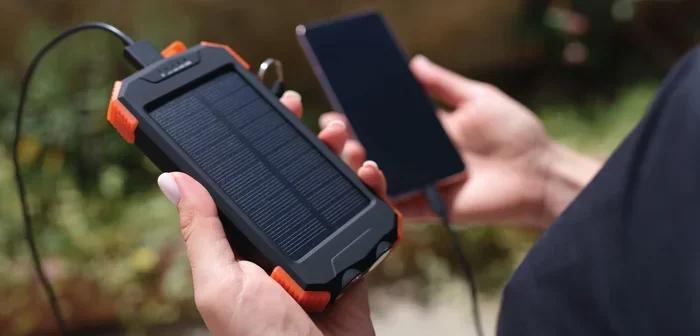
Can Solar Charger Damage Your Phone Battery Really Fast
Many people worry that using a solar charger can damage their phone battery, but the answer isn’t a simple yes or no. While low-quality solar panels and improper usage can cause battery degradation over time, the right solar charger with proper voltage and current control is perfectly safe. This guide breaks down exactly how solar charging affects your phone battery, what to watch out for, and how to charge your device safely under the sun.
Key Takeaways
- Low-quality solar chargers pose the biggest risk to your phone battery due to unstable voltage output.
- Lithium-ion batteries are sensitive to overcharging, and poor solar controllers can cause this problem.
- Using a reputable solar charger with built-in protections keeps your phone battery safe and healthy.
- Charging speed matters — slow solar charging is actually gentler on your phone battery than fast wall charging.
- Extreme heat from direct sunlight can degrade battery health faster than the charger itself.
- Matching voltage and amperage between your solar charger and phone is essential for safe charging.
- Regular maintenance and smart charging habits extend both your solar charger lifespan and phone battery life.
📑 Table of Contents
- Can Solar Charger Damage Your Phone Battery Really Fast?
- How Do Solar Chargers Work?
- Can Solar Charger Damage Phone Battery? The Real Answer
- What Factors Affect Battery Health When Using Solar Chargers?
- How to Safely Charge Your Phone with Solar Power
- Best Solar Chargers That Won’t Harm Your Phone Battery
- Common Myths About Solar Chargers and Phone Batteries
- How to Tell If Your Solar Charger Is Damaging Your Phone Battery
- Quick Tips for Solar Charging Success
- Conclusion
Can Solar Charger Damage Your Phone Battery Really Fast?
You bought a solar phone charger because you love the idea of free energy from the sun. You set it up on your hike, connect your phone, and wait. But then a thought hits you — can solar charger damage phone battery? It’s a fair question. A lot of people worry about this, and honestly, the answer is more nuanced than you might think.
The short answer is yes, it can — but only under certain conditions. A cheap, poorly made solar charger with no voltage regulation can absolutely harm your lithium-ion battery. On the other hand, a high-quality solar charger with proper safety features will charge your phone just as safely as a wall outlet.
In this article, we’re going to break it all down. You’ll learn how solar chargers work, what causes battery damage, and exactly how to protect your phone while enjoying the power of solar energy. Let’s dive in.
Why Should You Care About Solar Charger Safety?
Your phone battery is one of the most expensive parts to replace. A damaged battery means poor charging speed, shorter phone battery life, and sometimes a device that won’t even turn on. Solar chargers are incredibly convenient, especially for outdoor adventures, travel, and emergencies. But convenience means nothing if it comes at the cost of your device’s health.
Understanding how solar charging affects your phone puts you in control. You’ll know what to look for in a charger, what warning signs to watch for, and how to get the most out of both your solar panel and your phone battery.
How Do Solar Chargers Work?
Before we talk about damage, let’s understand how solar chargers actually work. A photovoltaic panel captures sunlight and converts it into electrical energy. This energy flows through a charging controller and then into your phone via a USB cable or charging port.
The charging controller is the unsung hero here. It regulates the voltage output and amperage so your phone receives a steady, safe flow of power. Without this controller, the electricity from the solar panel would be wild and unpredictable.
Here’s a simple breakdown of the process:
- Sunlight hits the solar panel and generates direct current (DC) electricity.
- The charge controller converts and stabilizes the power to match your phone’s needs.
- Power flows through the USB cable into your phone’s battery management system.
- The phone’s internal circuitry controls how much power the battery actually absorbs.
Most modern portable solar chargers also include built-in battery protection circuits. These prevent overcharging, short circuits, and voltage spikes. So in theory, a good solar charger should never harm your phone.
What Is a Charge Controller?
A charge controller is a small electronic module inside or attached to the solar charger. Its job is to manage the power flow. Think of it like a traffic cop for electricity. It makes sure the right amount of power reaches your phone at the right time.
Without a functioning charge controller, your solar panel could send too much voltage to your phone. This is where the real danger lies. Too much voltage can cause battery degradation, overheating, and in extreme cases, permanent damage to your device.
Can Solar Charger Damage Phone Battery? The Real Answer
Now let’s get to the heart of the matter. Can solar charger damage phone battery? The honest answer is that it depends on several factors. Let’s explore them one by one.
Low-Quality Solar Chargers Are the Main Culprit
The biggest risk comes from cheap, uncertified solar chargers. These products often skip important safety components like proper voltage regulators and thermal protection. They might look fine on the outside, but inside, the power management is unreliable.
When a low-quality charger sends inconsistent power to your phone, several bad things can happen:
- Voltage spikes can stress your battery cells and shorten their lifespan.
- Overcharging occurs when the charger keeps pushing power even after the battery is full.
- Heat buildup from unstable current accelerates battery degradation.
- Inconsistent amperage can cause your phone to charge erratically or not at all.
These problems don’t happen overnight. They build up slowly over weeks and months of use. By the time you notice the damage, it’s often too late to reverse it.
Overcharging and Its Effects on Lithium-Ion Batteries
Most smartphones use lithium-ion batteries. These batteries are sensitive to several conditions, and overcharging is one of the worst offenders. When a battery stays at 100% charge for too long under too much voltage, it starts to degrade internally.
Solar chargers are especially prone to overcharging because sunlight intensity changes constantly. When a cloud passes, the power output drops. When the sun comes back, it surges. A cheap charger doesn’t adjust fast enough, which means your phone battery gets hit with inconsistent power.
This is why it’s crucial to choose a solar charger with a smart power management system. Good chargers automatically reduce or stop power flow when your phone reaches full capacity.
Heat: The Silent Battery Killer
Here’s something most people don’t think about — heat. Solar panels heat up when exposed to direct sunlight. If the charger sits on a hot surface and transfers that heat to your phone, your battery suffers. Lithium-ion batteries degrade faster at high temperatures, period.
Even if the charger itself is high quality, leaving your phone baking in the sun while it charges can cause serious battery health issues. The combination of heat and charging stress is a double hit to your battery’s longevity.
Pro tip: If you’re using a solar charger outdoors, try to keep your phone in the shade while it charges. A small piece of cloth or a hat can work as a simple sun shield.
Voltage and Amperage Mismatch
Every phone has a specific voltage requirement and amperage rating. When a solar charger doesn’t match these specs, problems arise. For example, if your phone needs 5 volts and the solar charger outputs 9 volts without proper regulation, your battery takes a beating.
Most modern phones have built-in battery protection chips that handle minor voltage fluctuations. But these chips aren’t perfect. Repeated exposure to mismatched power slowly wears them down, and eventually, your battery health suffers.
| Factor | Safe Range | Risk Zone |
|---|---|---|
| Voltage Output | 4.8V – 5.2V | Above 5.5V or below 4.5V |
| Amperage Output | 1A – 2.4A | Above 3A without regulation |
| Temperature During Charging | Below 35°C (95°F) | Above 40°C (104°F) |
| Charging Duration | 2 – 4 hours | Over 6 hours continuously |
| USB Cable Quality | Certified, branded cables | Cheap, unbranded cables |
What Factors Affect Battery Health When Using Solar Chargers?
Not all solar charging situations are the same. Several factors determine whether your phone battery stays healthy or starts to decline. Let’s walk through the most important ones.
Solar Panel Quality and Efficiency
The quality of the photovoltaic panel matters enormously. High-efficiency panels deliver stable, consistent power even in varying sunlight conditions. Budget panels, on the other hand, produce erratic output that stresses your battery.
Look for solar chargers from reputable brands that list their wattage and voltage output clearly. If a product doesn’t provide these specs, it’s a red flag. You don’t want to guess about the power your phone is receiving.
Charging Speed and Battery Stress
Interestingly, solar charging is usually slower than wall charging. This slow charging is actually gentler on your battery. Fast wall chargers push more current, which generates more heat and puts more stress on the battery cells.
So in a way, solar charging can be better for long-term battery health than fast wall charging. The key is consistency — a steady, slow flow of power is always preferable to bursts of fast, unstable current.
Environmental Conditions
Where you use your solar charger matters a lot. Hot desert climates, humid tropical environments, and freezing cold temperatures all affect battery performance differently.
- Hot weather accelerates chemical reactions inside the battery, leading to faster degradation.
- Cold weather reduces battery efficiency and can cause charging to stall or become unstable.
- Humidity can affect the charging port and connections, potentially causing corrosion over time.
The ideal temperature range for charging your phone is between 16°C and 25°C (60°F to 77°F). Try to keep your phone within this range whenever possible, whether you’re using a solar charger or a wall plug.
Cable Quality and Connections
Don’t overlook the humble USB cable. A cheap, thin cable can cause resistance and heat buildup, which affects your charging speed and battery health. Always use a high-quality, certified cable with your solar charger.
Look for cables that are USB-IF certified or come from trusted brands like Anker, Belkin, or Cable Matters. These cables have proper wiring gauges and shielding that protect your phone from electrical noise and power fluctuations.
How Often You Use the Solar Charger
Frequency of use also plays a role. If you use a solar charger daily, your battery goes through more charge cycles. Each cycle slightly reduces the battery’s overall capacity. This is normal and expected for all lithium-ion batteries.
The key is to avoid deep discharges. Try not to let your phone battery drop below 20% before charging it back up. This habit applies whether you’re using a solar charger, a wall charger, or a power bank.
How to Safely Charge Your Phone with Solar Power
Now that you know the risks, let’s talk about how to charge your phone safely with a solar charger. These practical tips will help you protect your phone battery life while enjoying the benefits of renewable energy.
Choose the Right Solar Charger
This is the single most important step. Not all solar chargers are created equal. Here’s what to look for when shopping:
- Built-in charge controller — This regulates power output and prevents overcharging.
- Proper voltage and amperage ratings — Make sure the output matches your phone’s requirements.
- Certifications — Look for CE, FCC, or UL certification. These indicate the product has been tested for safety.
- Reputable brand — Stick with well-known brands that have positive reviews and warranty support.
- Multiple USB ports with independent control — This allows you to charge one device at a time with full power.
Monitor Your Phone Temperature
Your phone should never feel hot to the touch while charging. If it does, disconnect it immediately and move it to a cooler spot. Heat is the number one enemy of battery health, and solar chargers in direct sunlight can generate a lot of it.
Some solar chargers come with built-in cooling fans or heat-dissipating designs. These are worth the extra cost if you plan to use your charger in hot climates regularly.
Don’t Leave Your Phone Charging Overnight
While modern phones have battery protection circuits that stop charging at 100%, it’s still not ideal to leave your phone connected to a solar charger for many hours. The trickle charge that continues after reaching full capacity keeps the battery at 100%, which stresses the cells over time.
Instead, charge your phone during the day when you can monitor it. Disconnect it once it reaches a full charge, or at least within a couple of hours after it hits 100%.
Keep the Solar Panel Clean
Dust, dirt, and bird droppings on your solar panel reduce its efficiency. A dirty panel produces inconsistent power, which means your phone gets unstable voltage output. Wipe your panel regularly with a soft, damp cloth to keep it working at peak efficiency.
Clean panels also mean faster charging speed, which means less time your phone spends exposed to heat while connected to the charger.
Use the Right Charging Cable
We mentioned this earlier, but it’s worth repeating. A good quality cable makes a real difference. Avoid the free cables that come in random gift bags or gas station checkout counters. These cables often have poor shielding and incorrect wiring, which can introduce electrical noise into your charging circuit.
Investing in a few quality USB cables will pay off in better battery health and safer charging across all your devices, not just with solar chargers.
Charge in Shaded Areas When Possible
You don’t need to place your solar panel in direct blazing sunlight at all times. Partial shade actually works well for most panels, and it keeps your phone cooler. A tree branch, a tent canopy, or even a folded towel can provide enough shade for your phone while the panel still captures sunlight.
This simple trick can significantly extend your phone battery’s lifespan over months and years of regular solar charging.
Store Your Solar Charger Properly
When you’re not using your solar charger, store it in a cool, dry place. Extreme temperatures during storage can damage the internal electronics and reduce the charger’s overall lifespan. A well-maintained charger delivers more consistent power, which means better protection for your phone battery.
Best Solar Chargers That Won’t Harm Your Phone Battery
If you’re in the market for a solar phone charger that prioritizes battery safety, here are some features and brands to consider.
What to Look For
- Smart IC Chip — This chip automatically detects your device and delivers the correct power profile.
- Multi-Stage Charging — This feature adjusts the charging current as the battery fills up, reducing stress on the cells.
- Short-Circuit Protection — Prevents damage if the cable accidentally shorts out.
- Reverse Polarity Protection — Protects your phone if you accidentally connect the cable backwards.
- Temperature Regulation — Some premium chargers reduce power output when they detect excessive heat.
Recommended Brands
Brands like Anker, Goal Zero, Nekteck, and RAVPower are known for their quality solar chargers. These companies invest in proper power management and battery protection features. While they might cost a bit more than no-name alternatives, the peace of mind and phone battery life you preserve are well worth it.
Remember, spending a little more upfront on a quality charger saves you from expensive battery replacements later. A good solar charger should last for years and keep your phone battery healthy throughout its lifespan.
Common Myths About Solar Chargers and Phone Batteries
There’s a lot of misinformation floating around about solar charging and battery health. Let’s bust some of the most common myths.
Myth 1: Solar Chargers Always Damage Phone Batteries
This is simply not true. A quality solar charger with proper safety features charges your phone just as safely as any wall adapter. The damage comes from cheap, uncertified products, not from solar charging itself.
Myth 2: Solar Charging Is Too Slow to Be Useful
While solar charging is slower than wall charging, modern solar panels have become much more efficient. A good 21-watt solar panel can charge most phones from 0 to 50% in about 2 to 3 hours of direct sunlight. That’s perfectly usable for most situations.
Myth 3: You Should Never Charge Your Phone in the Sun
Charging in the sun isn’t the problem — charging with a bad charger in the sun is. If you use a quality solar charger and keep your phone shaded, sun-based charging is perfectly safe and effective.
Myth 4: Solar Chargers Don’t Work in Cloudy Weather
Solar panels do produce electricity even on cloudy days, though at reduced efficiency. They won’t charge your phone as fast, but they’ll still work. This actually can be an advantage since the lower power output is gentler on your battery.
Myth 5: All USB Cables Are the Same
This myth causes more battery damage than people realize. A poor-quality cable can introduce voltage fluctuations, resistive heating, and inconsistent power delivery. Always use certified, high-quality cables with your solar charger.
How to Tell If Your Solar Charger Is Damaging Your Phone Battery
It’s important to recognize the warning signs of battery damage early. If you notice any of the following symptoms after using a solar charger, it’s time to investigate:
- Your phone battery drains faster than usual even after a full charge.
- Your phone gets unusually hot during or after charging sessions.
- Charging takes much longer than it used to, or your phone won’t charge past a certain percentage.
- Your battery percentage jumps erratically (like from 30% to 15% in seconds).
- Your phone battery swells or the back of your phone starts to bulge — this is a serious safety issue.
If you experience any of these symptoms, stop using the solar charger immediately and have your phone checked by a professional. Continuing to use a damaged battery can be dangerous.
When to Replace Your Phone Battery
All lithium-ion batteries degrade over time. This is a natural process that happens regardless of how carefully you charge your phone. Most phone batteries are designed to retain about 80% of their original capacity after 500 full charge cycles.
If your battery health drops below 80% and you’re experiencing significant performance issues, consider getting a professional battery replacement. Most phone manufacturers and authorized repair shops can do this quickly and affordably.
Quick Tips for Solar Charging Success
Here’s a quick recap of the best practices for safe and effective solar charging:
- Always use a certified solar charger with a built-in charge controller.
- Keep your phone in the shade while it charges under the solar panel.
- Use high-quality USB cables from reputable brands.
- Don’t leave your phone connected to the solar charger for more than 4-6 hours at a time.
- Clean your solar panel regularly for optimal efficiency.
- Avoid charging your phone in extreme heat or cold.
- Monitor your battery health using your phone’s built-in battery settings.
- Store your solar charger in a cool, dry place when not in use.
Conclusion
So, can solar charger damage phone battery? The answer is clear now. A low-quality solar charger used improperly can definitely harm your phone battery over time. But a high-quality solar charger used correctly is a safe, reliable, and eco-friendly way to keep your phone powered up.
The key is choosing the right equipment and following smart charging habits. Invest in a reputable solar phone charger, use proper cables, monitor your phone temperature, and avoid leaving your device connected for excessively long periods. These simple steps go a long way toward preserving your phone battery life while you enjoy the benefits of solar energy.
Your phone battery is a valuable asset, and it deserves the same care and attention you give to any other expensive gadget. With the right solar charger and the right approach, you can charge your phone under the sun with complete confidence. Go ahead, embrace renewable energy, and keep your phone battery healthy for years to come.
Frequently Asked Questions
Can a solar charger overcharge my phone?
A quality solar charger with a built-in charge controller will not overcharge your phone. The controller automatically reduces or stops power flow once your battery reaches full capacity. However, cheap chargers without proper regulation can cause overcharging, which damages your battery over time.
Is it safe to charge my phone with a solar charger in hot weather?
It’s generally safe, but heat is a major factor in battery degradation. Try to keep your phone in the shade while charging, even if the solar panel is in direct sunlight. If your phone feels hot to the touch, disconnect it and let it cool down before resuming charging.
How long does it take to charge a phone with a solar charger?
Charging time depends on the solar panel’s wattage and the sunlight conditions. A 10-watt to 21-watt solar panel typically charges a phone from 0 to 50% in about 2 to 3 hours of direct sunlight. Charging times are longer on cloudy days or with smaller panels.
Do solar chargers work with all phone types?
Yes, most solar chargers work with all smartphones that charge via USB, including iPhones and Android devices. The key is matching the voltage output and amperage to your phone’s requirements. Look for a charger that outputs 5V and between 1A and 2.4A for standard charging.
Can I use any USB cable with a solar charger?
While most USB cables will work, using a high-quality, certified cable is important for safe charging. Cheap, unbranded cables can cause resistance, heat buildup, and inconsistent power delivery. Always choose USB-IF certified or brand-name cables for best results.
How can I check my phone battery health after using a solar charger?
Most smartphones have built-in battery health monitoring. On iPhones, you can check battery health in Settings > Battery > Battery Health. On Android phones, you may need a third-party app like AccuBattery to measure battery health accurately. If your battery health drops significantly, consider a professional replacement.