Does Iphone Screen Mirroring Use Wi Fi Or Bluetooth
iPhone screen mirroring primarily uses Wi-Fi, not Bluetooth, to cast your display to a TV or other screen. AirPlay, Apple’s built-in mirroring tool, relies on a strong Wi-Fi connection for smooth streaming. Bluetooth alone cannot handle the data demands of screen mirroring, but it does play a supporting role in some setups. Understanding this difference helps you troubleshoot issues and get the best mirroring experience.
This is a comprehensive guide about Does Iphone Screen Mirroring Use Wi Fi Or Bluetooth.
Key Takeaways
- Wi-Fi is the main technology behind iPhone screen mirroring: AirPlay requires a Wi-Fi connection to stream your display wirelessly.
- Bluetooth cannot mirror your screen alone: Bluetooth lacks the bandwidth needed for video and display data.
- You need a Wi-Fi network or a direct Wi-Fi connection for mirroring: Both devices should be on the same network for best results.
- Wired alternatives exist: You can use an HDMI adapter to mirror without Wi-Fi or Bluetooth at all.
- Wi-Fi Direct is a related technology: Some devices use Wi-Fi Direct for screen mirroring without a traditional router.
- Latency and quality depend on your Wi-Fi strength: A stronger connection means smoother, lag-free mirroring.
[FEATURED_IMAGE_PLACEHOLDER]
Have you ever wanted to show your phone screen on a bigger display? Maybe you want to share photos with family, watch a movie, or give a presentation. The first question that comes up is simple: does iPhone screen mirroring use Wi-Fi or Bluetooth?
The answer is not as obvious as you might think. Many people assume Bluetooth handles everything wireless between devices. But when it comes to screen mirroring, Wi-Fi does the heavy lifting. Bluetooth just plays a supporting role, if any at all.
This guide breaks it all down. You will learn exactly how iPhone screen mirroring works, why Wi-Fi matters so much, and what to do when things go wrong. By the end, you will be a screen mirroring pro.
What Is iPhone Screen Mirroring?
iPhone screen mirroring means sending what you see on your phone screen to another display in real time. This could be a television, a monitor, or a projector. The mirrored image looks like a perfect copy of your iPhone screen.
Apple calls this feature AirPlay. It is built right into iOS devices. You do not need to download extra apps in most cases. Just tap the screen mirroring button, pick a device, and you are good to go.
Screen mirroring is different from just casting a video. When you cast a video from YouTube or Netflix, only that video stream goes to the other device. Mirroring sends everything. Your home screen, notifications, games, apps, and all.
How Does AirPlay Mirroring Work?
AirPlay uses a wireless protocol to send video and audio data from your iPhone to a receiving device. This protocol works over a Wi-Fi network. The iPhone encodes the screen output and sends it as a data stream to the target device.
The receiving device decodes that stream and displays it. This all happens in near real time. The speed depends on your network quality, the distance between devices, and the type of content being mirrored.
Apple designed AirPlay to work seamlessly within its ecosystem. When both devices are Apple products, the experience is smooth. But you can also mirror to smart TVs, Roku devices, and third-party receivers that support AirPlay.
Does Iphone Screen Mirroring Use Wi-Fi Or Bluetooth?
Here is the direct answer. iPhone screen mirroring uses Wi-Fi, not Bluetooth. AirPlay relies on Wi-Fi to transmit the large amounts of data that screen mirroring requires.
Why not Bluetooth? Bluetooth is great for audio streaming, file transfers, and connecting accessories like headphones and keyboards. But it has limited bandwidth. Screen mirroring sends continuous video and audio data. Bluetooth simply cannot handle that volume fast enough.
Why Wi-Fi Is Essential for Screen Mirroring
Screen mirroring involves sending uncompressed or lightly compressed video frames constantly. A typical iPhone screen refreshes 60 times per second. Each frame contains millions of pixels. That is a massive amount of data to transfer every single second.
Wi-Fi can handle this data load easily. Modern Wi-Fi standards like Wi-Fi 5 and Wi-Fi 6 offer speeds that far exceed what screen mirroring needs. Bluetooth, on the other hand, maxes out at around 3 Mbps. That is not nearly enough for smooth video.
Also, Wi-Fi supports lower latency. Latency is the delay between what happens on your phone and what shows on the screen. For mirroring to feel natural, latency needs to be very low. Wi-Fi delivers this. Bluetooth does not.
The Role of Bluetooth in iPhone Connectivity
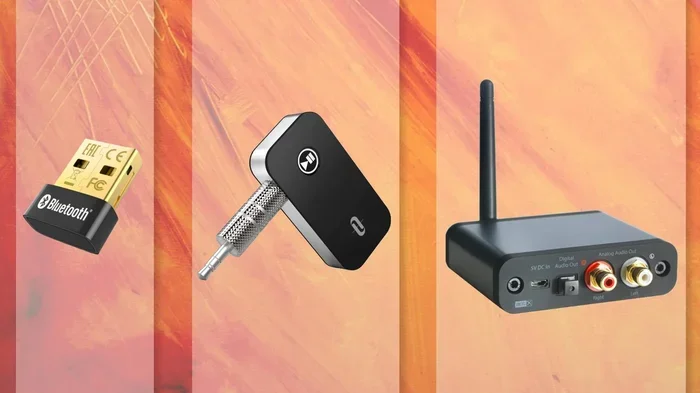
Bluetooth does play a role in the iPhone ecosystem. It connects your AirPods, Apple Watch, and other accessories. But for screen mirroring specifically, Bluetooth is not the primary method.
In some cases, Bluetooth helps with the initial pairing process. For example, when you connect to an Apple TV, Bluetooth might be used briefly to discover the device. But once the connection is established, Wi-Fi takes over for the actual mirroring data.
Some third-party mirroring apps may use Bluetooth for control signals while still relying on Wi-Fi for the video stream. The bottom line remains the same. Bluetooth supports the connection. Wi-Fi carries the heavy data load.
How to Mirror Your iPhone Screen Using Wi-Fi
Mirroring your iPhone screen is straightforward when you have a good Wi-Fi connection. Here is how to do it step by step.
- Make sure your iPhone and the receiving device are on the same Wi-Fi network. This is the most important step. Both devices need access to the same network.
- Open the Control Center on your iPhone. Swipe down from the top-right corner of your screen (or up from the bottom on older models).
- Tap the Screen Mirroring icon. It looks like two overlapping rectangles.
- Select the device you want to mirror to. A list of available devices will appear.
- Wait for the connection to establish. You should see your iPhone screen appear on the other display within a few seconds.
Troubleshooting Wi-Fi Mirroring Issues
Sometimes screen mirroring does not work as expected. Here are common issues and fixes.
- Device not showing up: Make sure both devices are on the same Wi-Fi network. Restart your router if needed.
- Lag or stuttering: Weak Wi-Fi signal causes this. Move closer to your router or reduce network traffic.
- No sound: Check that your audio output is set to the correct device in Control Center.
- Black screen: Some apps (like Netflix) block mirroring due to copy protection. Try mirroring a different app.
If you are having persistent problems, you might want to check your Wi-Fi signal strength or consider using a Wi-Fi extender to improve coverage in your mirroring area.
Can You Mirror Without Wi-Fi?
Yes, you can mirror your iPhone screen without a traditional Wi-Fi network. But you still need some form of wireless or wired connection.
Using Wi-Fi Direct for Mirroring
Wi-Fi Direct is a technology that lets two devices connect directly without a router. Some smart TVs and streaming devices support Wi-Fi Direct for screen mirroring. This can be useful when you do not have access to a Wi-Fi network.
Wi-Fi Direct creates a point-to-point connection between your iPhone and the receiving device. It works similarly to a regular Wi-Fi connection but without the router in the middle. The speeds are often comparable to a standard Wi-Fi connection.
If you are curious about how Wi-Fi Direct works for screen mirroring, you can read more about it here: Can Wi-Fi Direct Be Used For Screen Mirroring.
Using a Wired HDMI Connection
The most reliable way to mirror without Wi-Fi is to use a cable. Apple sells the Lightning Digital AV Adapter, which connects your iPhone to an HDMI cable and then to a TV or monitor.
Wired connections have several advantages. They do not depend on Wi-Fi signal strength. They have virtually zero latency. And they cannot be interrupted by network congestion. If you need a rock-solid connection, a wired setup is hard to beat.
You can also mirror your iPhone to a TV using an HDMI cable without Wi-Fi at all. This is a great option for presentations or when the Wi-Fi network is unreliable.
Using a USB Connection
Some setups allow you to connect your iPhone to a display via USB. This is common with certain monitors and projectors. USB-C to HDMI adapters work with newer iPhones that have USB-C ports.
A USB connection bypasses both Wi-Fi and Bluetooth entirely. It provides a direct, stable link between your iPhone and the display. For professional or critical use cases, a USB connection is often the best choice.
Screen Mirroring vs. Casting: What Is the Difference?
People often use screen mirroring and casting interchangeably. But they are different technologies with different use cases.
| Feature | Screen Mirroring | Casting |
|---|---|---|
| What gets sent | Entire screen | Specific content (video, audio) |
| Protocol | AirPlay (Wi-Fi) | Chromecast, DLNA, etc. |
| Interactivity | Full touch control | Limited or none |
| Wi-Fi required | Yes (usually) | Sometimes |
| Latency | Low to moderate | Low for video |
| Use case | Presentations, demos, sharing | Streaming media |
Screen mirroring shows everything on your phone. Casting sends only the content you choose. For example, when you cast a YouTube video, the video plays on the TV but you can still use your phone for other things.
With screen mirroring, anything you do on your phone shows on the TV. If you get a text message, it appears on both screens. If you open a new app, the TV shows it too.
Tips for the Best Screen Mirroring Experience
Getting the most out of iPhone screen mirroring is easy with a few simple tips. These suggestions help you avoid frustration and get a smooth, reliable connection every time.
1. Use a 5GHz Wi-Fi Network
Most modern routers offer both 2.4GHz and 5GHz bands. The 5GHz band is faster and less crowded. For screen mirroring, always choose the 5GHz network when available. It provides a more stable and faster connection.
2. Keep Devices Close to the Router
Distance matters. The farther your iPhone is from the router, the weaker the signal. Weak signals lead to lag, stuttering, and dropped connections. Try to keep your iPhone and the receiving device within a reasonable range of your router.
3. Close Unnecessary Apps
Screen mirroring uses a lot of system resources. Closing apps you are not using frees up memory and processing power. This leads to a smoother mirroring experience with less lag.
4. Update Your iOS and TV Software
Apple regularly updates AirPlay with bug fixes and improvements. Keeping your iPhone and receiving device updated ensures the best compatibility and performance.
5. Avoid Network Congestion
If too many devices are using your Wi-Fi network, mirroring quality drops. Try to minimize other network activity while mirroring. Pause large downloads or streams on other devices during your mirroring session.
6. Use a Dedicated Streaming Device
Devices like Apple TV, Roku, or Chromecast are optimized for streaming and mirroring. They handle the decoding and display of mirrored content better than most smart TVs built-in receivers.
Common Mistakes People Make with iPhone Screen Mirroring
Even experienced users make mistakes with screen mirroring. Avoid these common pitfalls to save yourself time and frustration.
- Assuming Bluetooth will work: Bluetooth cannot carry screen mirroring data. Always check your Wi-Fi connection first.
- Forgetting to check the Wi-Fi network: Both devices must be on the same network. A common mistake is having one device on 2.4GHz and the other on 5GHz.
- Ignoring software updates: Outdated software can cause compatibility issues. Always keep your devices current.
- Mirroring in crowded Wi-Fi environments: Offices, apartments, and public spaces often have many Wi-Fi networks. This interference can degrade mirroring quality.
- Not restarting devices when issues arise: A simple restart of both your iPhone and the receiving device fixes many mirroring problems.
If you want to learn more about controlling your TV without Wi-Fi, check out this guide: How Can I Control My TV Without Wi-Fi.
Expert Insights on Wireless Display Technology
Wireless display technology has come a long way. Early screen mirroring solutions were clunky and unreliable. Today, AirPlay and similar technologies offer a near-seamless experience.
The key advancement has been in compression technology. Modern mirroring protocols use efficient video compression to reduce the data stream without sacrificing quality. This means smoother performance even on moderate Wi-Fi networks.
Another important development is the shift toward Wi-Fi Direct. This technology allows devices to connect without a router, making mirroring more flexible. You can mirror to a device in a different room or even in a location without a traditional Wi-Fi network.
Experts also point to the importance of network quality. A dedicated Wi-Fi network for streaming and mirroring can make a huge difference. Some people set up a separate network just for their smart home and entertainment devices. This reduces interference and keeps mirroring performance high.
If you are interested in extending your Wi-Fi reach for better mirroring, you might want to explore options for extending your Wi-Fi signal to cover more areas of your home or office.
Can You Mirror Your iPhone to Different Types of Displays?
iPhone screen mirroring works with many types of displays. Here is a quick look at the most common options.
Mirroring to a Smart TV
Most modern smart TVs support AirPlay natively. Samsung, LG, Sony, and Vizio TVs all have built-in AirPlay compatibility. Simply select your TV from the Screen Mirroring menu on your iPhone.
Mirroring to a Streaming Device
Devices like Apple TV, Roku, and Fire TV can receive AirPlay signals. Apple TV offers the most seamless experience since it is also made by Apple. Roku supports AirPlay on many of its models. Fire TV requires a third-party app for AirPlay support.
Mirroring to a Projector
You can mirror your iPhone to a projector using an adapter or a wireless projector that supports AirPlay. Some people also use a sheet as a projector screen for a quick and easy setup. Just make sure your projector has Wi-Fi capability for wireless mirroring.
Mirroring to a Computer
You can mirror your iPhone screen to a Mac using AirPlay. Windows PCs can also receive AirPlay signals with third-party software like AirServer or Reflector. This is useful for presentations or recording your iPhone screen.
Final Thoughts
The answer to whether iPhone screen mirroring uses Wi-Fi or Bluetooth is clear. Wi-Fi is the primary technology. Bluetooth simply does not have the bandwidth or speed needed to transmit screen mirroring data reliably.
Understanding this distinction helps you troubleshoot problems and set up the best mirroring experience. Always ensure both devices are on the same Wi-Fi network. Use the 5GHz band when possible. And consider wired alternatives when Wi-Fi is not an option.
Screen mirroring is a powerful tool. It lets you share your phone screen with anyone, anywhere. Whether you are presenting at work, streaming a movie, or showing off photos, knowing how the technology works makes all the difference.
Next time someone asks you if iPhone screen mirroring uses Wi-Fi or Bluetooth, you will have a clear, confident answer. And you will know exactly how to get the best results every time.
Frequently Asked Questions
Can I mirror my iPhone screen using Bluetooth only?
No, Bluetooth alone cannot mirror your iPhone screen. Bluetooth does not have enough bandwidth to transmit video and display data. Wi-Fi is required for screen mirroring, even if Bluetooth is used briefly for device discovery.
Why is my iPhone screen mirroring lagging over Wi-Fi?
Lag usually happens when the Wi-Fi signal is weak or the network is congested. Try moving closer to your router, switching to the 5GHz band, or reducing the number of devices using your network during mirroring.
Do I need an Apple TV to mirror my iPhone?
No, you do not need an Apple TV. Many smart TVs, Roku devices, and third-party receivers support AirPlay. You can also mirror to a computer or use a wired HDMI adapter for a direct connection.
Can I mirror my iPhone to a TV without Wi-Fi at home?
Yes, you can use a wired HDMI adapter to mirror your iPhone to a TV without Wi-Fi. You can also use Wi-Fi Direct if your TV supports it, which creates a direct connection between devices without a router.
Is screen mirroring the same as casting?
No, they are different. Screen mirroring sends your entire phone screen to another display. Casting sends only specific content, like a video from an app, while you continue using your phone for other things.
Does screen mirroring use a lot of Wi-Fi data?
Yes, screen mirroring uses a significant amount of data because it continuously streams video frames. A typical mirroring session can use several gigabytes per hour depending on the content and resolution being mirrored.