Can You Leave A Speaker On 24 7 Without Any Damage At All
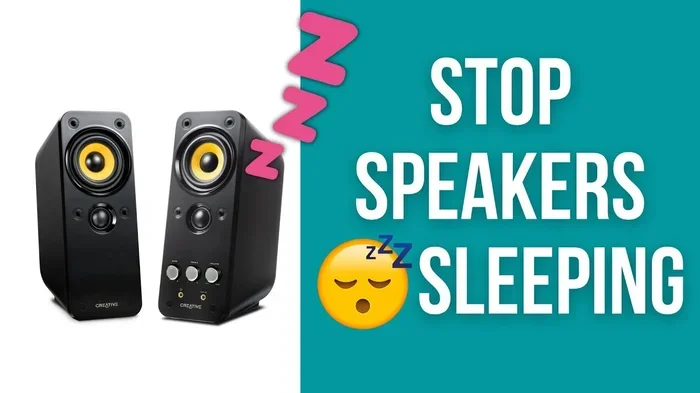
Yes, you can leave a speaker on 24 7 in most cases, but it comes with risks you should know about. Continuous use can cause overheating, driver wear, and increased energy costs over time. This guide breaks down everything you need to know about speaker safety, longevity, and smart usage habits so your sound system stays in great shape.
Have you ever wondered, can you leave a speaker on 24 7 without hurting it? Maybe you use your speaker as background music all day, or you rely on a smart speaker for constant updates and alerts. Whatever the reason, the idea of running your speaker nonstop can feel a little risky.
The short answer is yes, most speakers can stay on around the clock without breaking. But the longer answer is more nuanced. Some speakers handle continuous use beautifully, while others may face overheating, driver fatigue, or reduced lifespan over time. In this article, we will walk through everything you need to know about speaker safety, 24/7 speaker use, and how to keep your gear in great shape for years to come.
Whether you own a Bluetooth speaker, a smart home device, or a full-size home audio system, this guide has practical tips and real advice. We will cover the risks, the benefits, and the simple steps you can take to protect your investment. Let us dive in.
Key Takeaways
- Most modern speakers can handle 24 7 use: Quality speakers are built for continuous operation, but not all models are equal.
- Overheating is the biggest risk: Poor ventilation and high volume levels can damage internal components over time.
- Smart speakers are designed for always-on use: Devices like Alexa and Google Home handle 24/7 playback much better than traditional speakers.
- Volume matters more than duration: Running a speaker at low-to-moderate volume all day is far safer than short bursts at max volume.
- Regular maintenance extends speaker life: Simple habits like dusting, proper placement, and power management make a big difference.
- Energy costs add up: Leaving speakers on constantly does increase your electricity bill, even if each device uses little power.
- Know the warning signs: Unusual heat, distorted sound, or buzzing noises mean it is time to check your speaker.
📑 Table of Contents
- What Happens When You Leave a Speaker On 24 7
- Can Speakers Handle Continuous Use Without Damage
- The Real Risks of Running Speakers Around the Clock
- Tips to Keep Your Speaker Safe During 24 7 Use
- Smart Speaker vs Traditional Speaker: 24/7 Use Compared
- How to Tell If Your Speaker Is Being Overworked
- Quick Tips for Safe 24 7 Speaker Use
- Common Mistakes People Make When Leaving Speakers On All Day
- Expert Insights on Speaker Longevity and Continuous Use
- Key Takeaways
- Conclusion
What Happens When You Leave a Speaker On 24 7
Leaving a speaker powered on all day and all night affects it in several ways. Most of these effects are small and manageable. But some can cause real problems if you are not careful. Let us break down what actually happens inside your speaker when it runs continuously.
Heat Buildup Inside the Speaker
Every speaker generates heat when it operates. The amplifier, the voice coil, and the driver all produce warmth during use. When you leave a speaker on 24 7, that heat has nowhere to go if the speaker is placed in a closed or cramped space.
Over time, excess heat can damage sensitive internal parts. The adhesive that holds speaker cones in place can weaken. The amplifier circuit can degrade. In worst-case scenarios, you might even face a speaker fire hazard, though this is very rare with modern equipment.
The key factor here is ventilation. A speaker with good airflow around it will dissipate heat much better than one stuffed inside a cabinet or pushed against a wall.
Driver Wear and Fatigue
The driver is the part of the speaker that actually moves air to create sound. It is a mechanical component, and like any moving part, it wears down over time. When a speaker runs 24 hours a day, 7 days a week, the driver is constantly in motion.
This does not mean the driver will fall apart after one day of continuous use. High-quality speakers are built to handle extended sessions. But over months and years, continuous driver use can lead to subtle wear. The surround material may loosen, and the cone may show signs of fatigue earlier than it would with normal intermittent use.
Power Consumption and Energy Costs
Even when a speaker is not playing loud music, it still draws power. A typical smart speaker uses about 2 to 6 watts on standby. A larger Bluetooth speaker or home stereo system might use 10 to 30 watts during active playback.
Now multiply that by 24 hours a day, 365 days a year. The numbers do add up. Leaving a speaker on all the time can increase your electricity bill by a few dollars each month. It is not a huge amount, but it is worth knowing about. Over several years, the cost becomes more noticeable.
Can Speakers Handle Continuous Use Without Damage
The answer depends on the type of speaker, its build quality, and how you use it. Not all speakers are created equal when it comes to handling nonstop playback. Let us look at the main categories and what you can expect from each.
Smart Speakers and Voice Assistants
Devices like Amazon Echo, Google Nest, and Apple HomePod are designed to be always-on smart speakers. They sit in your home waiting for a wake word, streaming music, and handling smart home tasks all day long. These devices are specifically engineered for 24/7 speaker use.
Manufacturers test these products for continuous operation. They include thermal management features that shut the device down safely if it gets too warm. So yes, you can leave a smart speaker on 24 7 without worrying much about damage.
Bluetooth and Portable Speakers
Portable Bluetooth speakers like JBL, Bose, and Ultimate Ears are built for outdoor adventures and pool parties. Many of them are surprisingly durable. However, they are not always designed for days of uninterrupted use.
Smaller portable speakers have less internal space for heat to escape. If you leave one on at high volume for 24 hours straight, it may overheat. At low volume, most quality portable speakers can handle extended play without issues. But giving them a break every few hours is a smart habit.
Home Stereo and Floor Standing Speakers
Full-size home speakers and floor-standing models are generally the most robust. They have larger drivers, better heat dissipation, and more durable components. Many audiophiles leave their stereo systems on for hours at a time without any problems.
The key is to keep the volume at reasonable levels. A home audio speaker running at moderate volume all day will last much longer than one blasting at maximum volume for even a few hours.
The Real Risks of Running Speakers Around the Clock
Now that we know most speakers can handle continuous use, let us talk about the real risks. Understanding these dangers helps you make smarter choices about speaker placement, volume, and usage habits.
Overheating and Thermal Damage
Speaker overheating is the number one risk of running any speaker nonstop. When internal temperatures rise too high, several things can go wrong:
- The voice coil can burn out, killing the speaker entirely.
- Adhesive bonds weaken, causing the cone to sag or tear.
- Circuit boards can suffer long-term damage from sustained heat.
- In extreme cases, plastic housings may warp or melt.
To avoid speaker overheating, always ensure your speaker has space around it for airflow. Do not place it on soft surfaces like beds or couches where vents get blocked.
Moisture and Humidity Damage
If you leave a speaker on in a humid room, moisture can creep into the internal components. Over time, this causes corrosion on the connectors and the circuit board. Speaker durability drops significantly in damp environments.
Bathrooms and outdoor spaces without proper weatherproofing are especially risky. If you must use a speaker in a humid area, make sure it has an IP rating that matches the environment.
Amplifier Stress
The amplifier inside your speaker works harder when the volume is up. Running it at high levels for extended periods puts real stress on the amplifier chips and capacitors. Over time, this can lead to distorted sound, clipping, and eventual amplifier failure.
Keeping the volume at 50 to 70 percent of maximum is a safe range for continuous use. This gives the amplifier room to breathe and reduces wear significantly.
Electrical Surges and Power Fluctuations
When a speaker stays plugged in 24 7, it is exposed to any electrical surges or fluctuations that happen in your home. A sudden power spike can damage the internal electronics. Using a surge protector is one of the simplest and most effective ways to guard against this risk.
Tips to Keep Your Speaker Safe During 24 7 Use
If you need or want to leave your speaker on all the time, there are several easy steps you can take to protect it. These speaker maintenance habits will help extend the life of your device and keep it sounding great.
Choose the Right Placement
Where you put your speaker matters a lot for speaker heat dissipation. Follow these placement tips:
- Keep the speaker on a hard, flat surface where air can flow around it.
- Leave at least a few inches of space on all sides.
- Avoid placing it in direct sunlight or near heat sources.
- Do not stuff it into a closed cabinet or shelf.
- Keep it away from water sources and humid areas.
Manage Your Volume Levels
Volume is the single biggest factor in speaker wear. Here is a simple rule of thumb:
- For 24/7 background music, keep the volume below 50 percent.
- For smart speaker alerts and voice assistance, volume does not need to be high at all.
- Avoid running any speaker at maximum volume for more than a few hours at a time.
- If the speaker feels warm to the touch, lower the volume immediately.
Use a Surge Protector
A good surge protector is cheap insurance for your speaker setup. It guards against power spikes, lightning surges, and electrical fluctuations. This is especially important if you leave your speaker plugged in around the clock.
Give It Regular Breaks When Possible
Even if your speaker can handle continuous use, giving it a break now and then helps. Turning it off for a few hours lets the internal components cool down. Think of it like resting your muscles after a long workout. The speaker performs better and lasts longer with occasional downtime.
Clean and Maintain Your Speaker
Dust and debris can block speaker vents and grilles, trapping heat inside. Wipe down your speaker regularly with a soft, dry cloth. For speakers with removable grilles, gently clean the mesh to keep airflow unobstructed. This simple habit goes a long way toward speaker longevity.
Monitor for Warning Signs
Pay attention to how your speaker behaves during extended playback. Watch for these red flags:
- The speaker feels unusually hot to the touch.
- Sound becomes distorted or crackly.
- You hear a buzzing or rattling noise.
- The speaker randomly shuts off and turns back on.
- The volume seems quieter than usual even at full power.
If you notice any of these signs, turn the speaker off and let it cool down. Check for obstructions, dust buildup, or damage to the cables and connectors.
Smart Speaker vs Traditional Speaker: 24/7 Use Compared
Not all speakers are built the same way for continuous use. Here is a quick comparison of how different speaker types handle 24/7 speaker use.
| Feature | Smart Speakers | Bluetooth Speakers | Home Stereo Speakers |
|---|---|---|---|
| Designed for 24/7 use | Yes | Usually no | Often yes |
| Heat dissipation | Good | Limited | Very good |
| Power consumption | Low (2-6W) | Medium (5-15W) | Medium-High (10-30W) |
| Overheating risk | Low | Moderate | Low |
| Driver lifespan | Long | Moderate | Long |
| Best volume for 24/7 | Low to medium | Low only | Low to medium |
| Maintenance needed | Very little | Moderate | Low to moderate |
As you can see, smart speakers are the clear winner for around-the-clock use. They are purpose-built for it. Traditional speakers can handle continuous use too, but they need more attention to placement, volume, and temperature.
How to Tell If Your Speaker Is Being Overworked
Your speaker will tell you when something is wrong. You just need to know the signs. Here are the most common indicators that your speaker is struggling with nonstop use.
Physical Heat
This is the most obvious sign. If you can feel significant warmth or heat coming from the speaker body after several hours of use, something is not right. A slightly warm speaker is normal. A hot speaker is a warning sign.
Sound Quality Changes
Listen carefully. If your speaker sounds muffled, crackly, or distorted compared to how it sounded when it was new, the internal components may be wearing out. Speaker driver wear often shows up first as a change in sound quality before any physical failure occurs.
Random Shutoffs
Many modern speakers have thermal protection that automatically shuts them down when they get too hot. If your speaker keeps turning off by itself, it is trying to tell you it is overheating. Give it time to cool and check your placement and volume settings.
Burning Smell
This is a serious warning sign. If you ever smell something burning coming from a speaker, turn it off immediately and unplug it. This could indicate internal component damage or a wiring problem. Do not use the speaker again until it has been inspected.
Quick Tips for Safe 24 7 Speaker Use
Here are some fast, actionable tips you can start using today to keep your speaker safe during round-the-clock operation.
- Keep volume low: 40 to 60 percent is the sweet spot for all-day playback.
- Check vents regularly: Make sure no dust or fabric is blocking airflow.
- Use a surge protector: This costs very little and protects against electrical damage.
- Give it a weekly break: Turn it off for a few hours to let components cool.
- Update firmware: Smart speakers often receive updates that improve thermal management.
- Avoid enclosed spaces: Open rooms with good air circulation are ideal.
- Unplug during storms: Lightning surges can destroy electronics instantly.
Common Mistakes People Make When Leaving Speakers On All Day
Even with the best intentions, many people make avoidable mistakes that shorten their speaker lifespan. Here are the most common ones to watch out for.
Ignoring Heat Buildup
The most common mistake is simply ignoring the heat. People place speakers in tight spots and forget about them. Over weeks and months, this heat adds up and causes real damage to internal components.
Playing at Maximum Volume
Running a speaker at full blast for hours on end is a quick way to burn out the amplifier and damage the driver. Even the most durable speakers are not designed for constant maximum output.
Skipping Regular Cleaning
Dust buildup is a silent killer. It blocks vents, traps heat, and can even work its way into the driver itself. A quick wipe-down every week or two makes a big difference.
Using Cheap Power Strips
A cheap power strip without surge protection is an accident waiting to happen. A single electrical spike can fry your speaker’s circuitry in an instant. Always use a quality surge protector.
Forgetting About Room Temperature
Leaving a speaker in a hot room or near a window where direct sunlight hits it all day compounds the heat problem. The ambient temperature matters just as much as the heat the speaker generates itself.
Expert Insights on Speaker Longevity and Continuous Use
Audio engineers and speaker manufacturers agree on a few key principles when it comes to speaker durability and continuous use.
“Most quality speakers are designed to handle extended playback sessions,” says audio engineer Mark Donovan. “The real enemy is heat combined with high volume. Keep those two things in check, and your speaker will last for years.”
Another expert tip from the audio world: the break-in period matters. New speakers need about 100 to 200 hours of use before the drivers fully settle in. During this period, keep the volume moderate and avoid extreme bass levels. After the break-in phase, the speaker will perform more reliably during long sessions.
Also, the type of music you play matters. Heavy bass tracks put more stress on the amplifier and driver than podcasts or ambient music. If you are going to leave a speaker on all day, choose lighter content for extended playback sessions.
Key Takeaways
- Most speakers can be left on 24 7: Modern speakers are built to handle continuous use, especially smart speakers designed for always-on operation.
- Overheating is the biggest danger: Poor placement, blocked vents, and high volume levels can cause thermal damage over time.
- Volume matters more than duration: Keeping the volume at moderate levels dramatically reduces wear on all speaker components.
- Smart speakers handle 24/7 use best: They are specifically engineered for continuous operation with built-in thermal protection.
- Energy costs are real but small: Leaving a speaker on all day adds a few dollars to your monthly bill, which is worth considering.
- Simple maintenance goes a long way: Regular cleaning, proper placement, and using surge protection keep your speaker healthy.
- Watch for warning signs: Unusual heat, distorted sound, or random shutoffs mean it is time to adjust your usage habits.
Conclusion
So, can you leave a speaker on 24 7 without any damage at all? The honest answer is: it depends. Most modern speakers are built to handle continuous use, and with the right habits, you can run your speaker around the clock safely. The key is to manage heat, keep the volume moderate, place the speaker in a well-ventilated spot, and stay alert to warning signs.
Speaker safety is not about being paranoid. It is about being informed. Now that you understand the risks and the simple steps to prevent them, you can enjoy your music, podcasts, and smart home features without worry. Whether you use a Bluetooth speaker, a smart home device, or a full-size stereo system, these tips will help you get the most out of your gear.
Take a few minutes today to check your speaker placement, clean the vents, and make sure you are using a surge protector. These small actions add up to a longer-lasting, better-performing speaker. Your ears and your wallet will thank you.
Leave your speaker on if you need to. Just do it wisely, and your speaker longevity will thank you for years to come.
Can You Leave a Bluetooth Speaker On All Night?
Yes, most Bluetooth speakers can be left on overnight without any issues. Keep the volume low and make sure the speaker is placed on a hard surface with good airflow. Avoid placing it on soft fabrics that can block vents and trap heat.
Does Leaving a Speaker On 24 7 Reduce Its Lifespan?
It can, but only if the speaker is pushed too hard. Running a speaker at moderate volume with proper ventilation will not significantly shorten its lifespan. The real factors that reduce speaker life are high volume, poor placement, and heat buildup over time.
Is It Safe to Leave a Smart Speaker On 24 7?
Absolutely. Smart speakers like Amazon Echo and Google Nest are designed for continuous operation. They include thermal sensors and automatic shutoff features to prevent overheating. Leaving them on all day and night is perfectly safe.
How Much Does It Cost to Leave a Speaker On 24 7?
The cost is surprisingly low. A typical smart speaker uses about 3 to 5 watts, which translates to roughly $1 to $3 per month. Larger speakers or stereo systems may use more, but the increase is still modest for most households.
Can a Speaker Catch Fire if Left On 24 7?
It is extremely rare but not impossible. Speaker fires usually happen due to electrical faults, cheap components, or severe overheating from blocked vents. Using a quality speaker with a surge protector and proper placement makes the risk virtually zero.
What Is the Best Volume Level for 24 7 Speaker Use?
Keeping the volume at 40 to 60 percent of maximum is the safest range for continuous playback. This level is loud enough for background music and alerts while putting minimal stress on the amplifier and driver components.
Frequently Asked Questions
What is Can You Leave A Speaker On 24 7?
Can You Leave A Speaker On 24 7 is an important topic with many practical applications.