Can I Use A Sheet As A Projector Screen For Movies
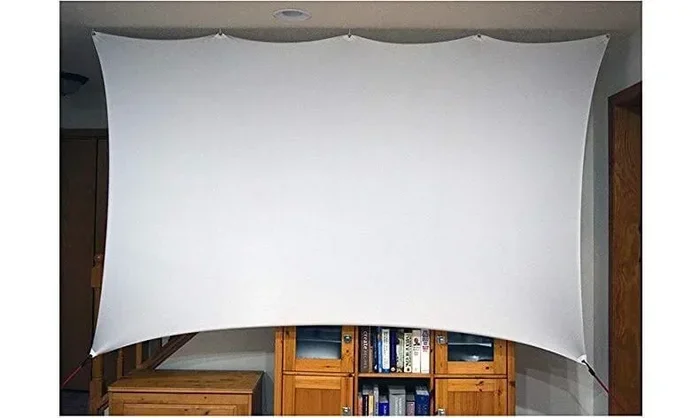
Yes, you can absolutely use a sheet as a projector screen for movies. A plain white bedsheet can work surprisingly well for casual movie nights, backyard screenings, and DIY home theater setups. The key is choosing the right fabric, stretching it tight, and managing ambient light. This guide covers everything you need to know about using a bedsheet as a projection surface, from setup to image quality tips.
Key Takeaways
- A white bedsheet works: A simple white flat sheet can serve as a decent projector screen for casual movie watching.
- Fabric matters: Tightly woven, wrinkle-free white fabric gives the best projection results on a sheet.
- Setup makes a difference: Proper stretching, hanging, and positioning of the sheet dramatically improve image quality.
- Ambient light is the enemy: Dimming the room and controlling light gives you a much better viewing experience.
- DIY projector screens are budget-friendly: Using a sheet saves money compared to buying a dedicated screen.
- Limitations exist: Sheets lack the gain, color accuracy, and texture of purpose-built projector screens.
- Quick fixes help: Ironing, starching, and using a seam roller can reduce wrinkles on a bedsheet screen.
📑 Table of Contents
- Can I Use A Sheet As A Projector Screen For Movies?
- Choosing the Right Sheet for Your Projector Screen
- How to Set Up a Sheet as a Projector Screen
- Comparing a Sheet vs. a Dedicated Projector Screen
- Tips to Improve Image Quality on a Sheet Screen
- Common Mistakes People Make When Using a Sheet as a Screen
- Best Types of Sheets for Projector Screens
- Outdoor Movie Nights: Using a Sheet as a Screen
- Expert Insights on Using a Sheet as a Projector Screen
- Quick Tips for the Best Sheet Screen Experience
- Frequently Asked Questions
- Conclusion
Can I Use A Sheet As A Projector Screen For Movies?
Have you ever wanted to watch a big movie on a giant screen but didn’t want to spend a fortune? Maybe you’re planning an outdoor movie night or setting up a quick home theater in the living room. The idea of grabbing a plain white bedsheet and hanging it on the wall might have crossed your mind.
So, can you use a sheet as a projector screen for movies? The short answer is yes. A simple white sheet can work as a DIY projector screen in a pinch. But there’s more to it than just hanging fabric on a wall. The type of sheet, how you stretch it, the lighting in your room, and your projector settings all play a role. Let’s dive deep into everything you need to know.
Using a bedsheet as a projection surface is nothing new. People have done it for decades at outdoor events, school gatherings, and backyard parties. With the right approach, you can get surprisingly good results. This guide will walk you through the process step by step, covering fabric choices, setup tips, common mistakes, and ways to boost image quality.
Whether you’re a college student on a budget, a parent setting up a kids’ movie night, or just someone who loves experimenting with home theater gear, this article has you covered. Let’s get started.
Why People Choose a Sheet Over a Dedicated Screen
Before we jump into the how-to, let’s talk about why people even consider using a sheet. There are several good reasons:
- Cost savings: A dedicated projector screen can cost anywhere from $50 to several hundred dollars. A bedsheet costs a few bucks at most.
- Convenience: You probably already have a white sheet at home. No need to order or wait for delivery.
- Portability: Sheets are lightweight and easy to carry. Great for outdoor movie nights or camping trips.
- Flexibility: You can change the size by using a bigger or smaller sheet. You can also move the setup around easily.
- No installation needed: No drilling holes or mounting brackets. Just hang it up and you’re ready.
That said, a purpose-built screen has advantages we’ll discuss later. But for a quick, affordable setup, a sheet is hard to beat.
Choosing the Right Sheet for Your Projector Screen
Not all sheets are created equal when it comes to projection. The fabric type, color, and texture all matter. Let’s break down what to look for.
Go With a White Flat Sheet
The best choice is a plain white flat sheet. Avoid fitted sheets because they have elastic edges that create bumps and wrinkles. Flat sheets are smoother and easier to stretch tight. Look for a 100% cotton white sheet with a tight weave.
Thread count matters here. A higher thread count usually means a smoother surface, which translates to a better projection surface. Sheets with 200 thread count or higher work well. Avoid sheets with patterns, prints, or colored designs. White provides the best color accuracy and brightness for projection.
Avoid These Fabrics
Some fabrics sound like a good idea but actually hurt your viewing experience. Stay away from:
- Flannel sheets: The fuzzy texture scatters light and makes the image look blurry.
- Sheets with a glossy finish: They create glare and hot spots in the projection.
- Colored or printed sheets: They tint the image and reduce brightness.
- Thick, heavy fabrics: They absorb too much light and make the image dark.
- Sheets with visible texture: Any raised patterns show up on the projected image.
Stick with a simple, smooth, white cotton flat sheet. It’s the closest you’ll get to a proper projection surface without spending extra money.
How to Set Up a Sheet as a Projector Screen
Setting up a bedsheet as a projector screen is simple, but doing it right makes a huge difference. Follow these steps for the best results.
Step 1: Find the Right Wall or Frame
Choose a wall that receives the least ambient light. A darker room gives you a sharper, brighter image. If you don’t have a suitable wall, build a simple frame using PVC pipes or wooden dowels. Stretch the sheet across the frame and secure it with clips or staples.
A frame lets you pull the fabric tight, which reduces wrinkles. You can also use a curtain rod and hang the sheet from it. Just make sure the sheet is taut and doesn’t sag in the middle.
Step 2: Iron or Steam the Sheet
This step is often overlooked but it’s crucial. Wrinkles on a projection surface create distortions in the image. Iron the sheet thoroughly before hanging it. If ironing isn’t an option, use a handheld steamer.
For extra smoothness, try spraying the sheet with starch before hanging it. Starch stiffens the fabric and helps it stay wrinkle-free longer. You can also use a wrinkle release spray for quick touch-ups.
Step 3: Hang the Sheet Properly
Use curtain clips, binder clips, or pins to attach the sheet to the wall or frame. Start from the top center and work your way outward. Pull each section tight as you go. The tighter the sheet, the fewer wrinkles you’ll see in the projected image.
If you’re using a wall, consider using removable adhesive hooks. They hold the sheet securely without damaging the paint. For outdoor setups, clothespins work great for attaching the sheet to a rope or wire.
Step 4: Position Your Projector
Place your projector on a stable surface directly in front of the sheet. The distance between the projector and the sheet determines the image size. Check your projector’s manual for the recommended throw distance.
A projector with a short throw lens can create a large image even when placed close to the sheet. If you’re using a standard projector, you might need to place it 8 to 15 feet away depending on the screen size you want.
Comparing a Sheet vs. a Dedicated Projector Screen
Now that you know how to set up a sheet, let’s compare it side by side with a purpose-built screen. This comparison table breaks down the key factors.
| Feature | White Bedsheet | Dedicated Projector Screen |
|---|---|---|
| Cost | $5 to $15 | $50 to $300+ |
| Image Brightness | Good in dark rooms | Excellent with high gain |
| Color Accuracy | Decent | Superior |
| Wrinkle Resistance | Low (needs ironing) | High (tensioned surface) |
| Portability | Excellent | Varies by model |
| Setup Time | 5 to 10 minutes | 10 to 30 minutes |
| Durability | Moderate | High |
| Ambient Light Handling | Poor | Good to excellent |
| Size Options | Limited by sheet size | Wide range available |
As you can see, a dedicated screen wins in most categories. But a sheet holds its own when budget and portability are priorities. For casual movie nights and occasional use, a bedsheet works surprisingly well.
Tips to Improve Image Quality on a Sheet Screen
A plain sheet won’t give you theater-quality images, but these tips can get you closer.
Control the Ambient Light
Light is the biggest enemy of projection. Even small amounts of ambient light wash out the image and reduce contrast. Close all curtains and blinds before starting your movie. Turn off any unnecessary lights in the room.
If you’re watching during the day, consider using blackout curtains. They block outside light and create a near-dark environment. This single change makes the biggest difference in image quality on a sheet screen.
Adjust Your Projector Settings
Most modern projectors have settings that help with projection on non-ideal surfaces. Try these adjustments:
- Increase brightness: Boost the projector’s brightness setting to compensate for the sheet’s lower gain.
- Turn off eco mode: Eco mode dims the lamp and reduces image brightness.
- Use dynamic contrast: This setting enhances contrast and makes dark scenes more visible.
- Set color mode to vivid: Vivid mode brings out colors that might look dull on a white sheet.
- Disable keystone correction: Keystone correction reduces resolution. Instead, adjust the projector’s physical position for a rectangular image.
Use a Screen Enhancer or Paint
For a more permanent setup, consider applying a projector screen paint to the sheet or wall. Screen paint increases the gain of the surface and improves brightness. Brands like Screen Goo are specifically designed for this purpose.
You can also use a wrinkle-free projection screen fabric instead of a bedsheet. These fabrics are designed to provide a smooth, uniform surface. They cost more than a regular sheet but deliver noticeably better results.
Keep the Sheet Clean
Dust and dirt on the sheet scatter light and create a hazy look. Wash the sheet before each use and make sure it’s completely dry before hanging it. Avoid fabric softeners because they leave a residue that affects light reflection.
Common Mistakes People Make When Using a Sheet as a Screen
Even with the best intentions, people make mistakes that ruin their viewing experience. Here are the most common ones to avoid:
Using a Colored or Patterned Sheet
This is the number one mistake. A blue sheet, a sheet with a floral pattern, or a sheet with a decorative border will distort the projected image. Always use a plain white sheet. The color white reflects light evenly and preserves the original colors of the video.
Not Stretching the Sheet Tight Enough
A loose, sagging sheet creates wrinkles that distort the image. Take the time to pull the sheet tight on all sides. Use clips or pins to keep it taut. A wrinkled sheet turns your movie into a blurry mess.
Ignoring the Room Lighting
Some people set up their sheet screen in a room with lots of natural light or overhead lighting. The result is a washed-out image that’s hard to see. Always watch in a dim or dark room for the best experience.
Placing the Projector at the Wrong Angle
If the projector is angled upward or too far to the side, the image becomes distorted. The keystone effect stretches and warps the picture. Try to place the projector at eye level and center it with the sheet for the sharpest image.
Using the Wrong Projector Distance
Place the projector too close and the image is small and blurry. Place it too far and the image loses sharpness. Find the sweet spot by testing different distances. Most projectors work best at a specific throw ratio, which you can find in the manual.
Forgetting About the Sheet Material
A thick, heavy blanket or a fleece sheet absorbs too much light. The image looks dark and dull. Stick with a thin, smooth cotton sheet for the best light reflection. The thinner the fabric, the more light passes through to your eyes.
Best Types of Sheets for Projector Screens
Not sure which sheet to buy if you don’t have one at home? Here’s a quick guide:
- Plain white cotton flat sheet: The best all-around choice. Smooth, affordable, and widely available.
- Microfiber sheet: Very smooth and wrinkle-resistant. Gives a clean projection surface.
- Muslin fabric: A lightweight, plain-weave cotton fabric popular in theater and film production. Excellent for projection.
- Pillowcase (large): A quick fix for a small screen. Works in a pinch but limits your image size.
- Drop cloth (white canvas): More durable than a sheet and resistant to wrinkles. A great option for outdoor use.
Each option has its pros and cons. For most people, a basic white cotton flat sheet from a discount store works perfectly fine.
Outdoor Movie Nights: Using a Sheet as a Screen
Outdoor movie nights are a blast, and a bedsheet is the perfect screen for them. The setup is even simpler outdoors since you don’t need to worry about wall damage.
Use a portable frame or string up a rope between two trees. Clip the sheet to the rope using binder clips. Make sure the sheet is pulled tight and hangs straight. Any sag in the middle will distort the bottom of the image.
For outdoor setups, consider the time of day. Sunset or early evening is ideal. The sky provides natural ambient light that reduces the need for complete darkness. Bring a portable projector with good brightness. Outdoor ambient light is higher than indoor light, so a brighter projector helps.
Don’t forget the popcorn and blankets. A great movie night is about more than just the screen setup. Create an atmosphere that makes the experience memorable.
Expert Insights on Using a Sheet as a Projector Screen
We asked a few home theater enthusiasts about their experiences with bedsheet screens. Here’s what they had to say:
“I’ve used a white bedsheet for backyard movie nights for years. It works great as long as you iron it out and watch after dark. My kids love it.”
“The secret is a high-lumen projector. A cheap projector on a sheet looks okay, but a bright projector on a sheet looks amazing. Don’t skimp on the projector if you want a good experience.”
“I tried a bedsheet once and it was fine for a one-time event. But for regular use, I invested in a proper screen. The difference in clarity and color is night and day.”
These insights show that a sheet works well for casual use. But if you’re serious about home theater, a dedicated screen is worth the investment.
Quick Tips for the Best Sheet Screen Experience
Here’s a quick roundup of tips to remember:
- Always use a plain white flat sheet.
- Iron or steam the sheet before hanging it.
- Stretch the sheet as tight as possible.
- Watch in a dark or dimly lit room.
- Position the projector at eye level, centered with the screen.
- Increase projector brightness for better results.
- Clean the sheet before each use.
- Use a portable frame for outdoor setups.
- Test different projector distances for the best image size.
- Avoid using sheets with textures, patterns, or colors.
Follow these tips and your DIY sheet screen will deliver a surprisingly enjoyable movie experience.
Frequently Asked Questions
Can any white sheet be used as a projector screen?
A plain white flat cotton sheet works best. Avoid fitted sheets, flannel, or sheets with patterns. The smoother and tighter the weave, the better the projection results. A high-thread-count white cotton flat sheet gives you the clearest image.
Will a sheet give me the same quality as a store-bought screen?
Not exactly. A dedicated projector screen has a special coating that boosts brightness and color accuracy. A sheet can come close, especially in a dark room with a bright projector. But for the best image quality, a purpose-built screen is superior.
How do I reduce wrinkles on a sheet projector screen?
Iron the sheet thoroughly before hanging it. Use starch or a wrinkle-release spray for extra smoothness. Pull the sheet tight when attaching it to the wall or frame. A frame with tension rods works especially well to keep the fabric taut.
Can I use a sheet outdoors as a projector screen?
Yes, absolutely. A white bedsheet works great for outdoor movie nights. Hang it on a frame or rope, make sure it’s tight and wrinkle-free, and watch after sunset for the best results. Bring a bright projector since outdoor ambient light is higher.
What size sheet do I need for a projector screen?
The sheet should be at least 1.5 times wider and 1.5 times taller than your desired image size. For example, if you want a 100-inch diagonal image, use a sheet that’s at least 80 inches wide and 60 inches tall. A king-size flat sheet works well for large images.
Does the projector type matter when using a sheet?
Yes. A brighter projector produces a better image on a sheet because the fabric has a lower gain than a dedicated screen. LED projectors and laser projectors with high lumens work best. Avoid using a low-brightness projector in a room with any ambient light.
Conclusion
So, can you use a sheet as a projector screen for movies? Absolutely. A plain white bedsheet is a simple, affordable, and surprisingly effective DIY projector screen. With the right fabric, a tight setup, and a dark room, you can enjoy a great movie night without spending a fortune on equipment.
The key is to choose a smooth, white, tightly woven flat sheet. Stretch it tight, iron out the wrinkles, and control the lighting in your room. Adjust your projector settings to compensate for the sheet’s lower gain, and you’ll have a viewing experience that’s close to a proper home theater setup.
Whether you’re hosting a backyard movie party, setting up a quick indoor screening, or just looking for a budget-friendly solution, a bedsheet projector screen delivers. It’s not perfect, but it’s practical, fun, and easy to set up.
Give it a try at your next movie night. You might be surprised at how good a simple sheet can look when paired with a decent projector. Grab a white flat sheet, hang it up, and enjoy the show.