Do You Have To Have 2 Nightstands In A Bedroom Setup
Do you have to have 2 nightstands in a bedroom? The short answer is no. While many bedroom designs feature matching nightstands on both sides of the bed, there is no rule that says you must. Your choice depends on bedroom size, personal needs, and your preferred bedroom furniture arrangement. Whether you opt for a single nightstand, dual pieces, or something entirely different, the right setup can transform your sleep space into a clutter-free retreat.
Let us talk about something that confuses a lot of people when they set up their bedroom: nightstands. You walk into a furniture store, scroll through Pinterest, or browse bedroom decor blogs, and you see the same pattern everywhere. Two matching nightstands, one on each side of the bed. It looks clean. It looks balanced. But here is the real question most people never ask out loud: do you actually need two nightstands in your bedroom?
The answer might surprise you. There is no hard and fast rule that says every bedroom must have a pair of nightstands. Your bedroom size, sleeping habits, storage needs, and personal style all play a role. Some people love the symmetry of dual nightstands. Others prefer the open feel of a single piece or no nightstand at all. In this guide, we will walk through every angle so you can decide what works best for your sleep space.
Whether you are designing a master bedroom from scratch or simply rearranging your current room, this article will help you make a confident decision. We will cover the pros and cons, explore creative alternatives, and give you practical tips you can use right away. Let us dive in.
Key Takeaways
- No strict rule exists: You do not need two nightstands. One or even none can work perfectly depending on your bedroom layout.
- Space matters most: Smaller bedrooms benefit from a single nightstand or wall-mounted alternatives to keep the room feeling open.
- Function drives the decision: Think about what you actually need — charging, storage, lighting — before adding furniture.
- Asymmetry is trendy: Mismatched nightstands can add character and personality to your bedroom design.
- Alternatives exist: Wall-mounted shelves, bed frames with drawers, and small consoles can replace traditional nightstands entirely.
- Bedroom aesthetics matter: The right nightstand setup contributes to better sleep hygiene and a more relaxing environment.
- Smart devices change the game: With smart speakers and projectors, you may need less physical furniture than before.
📑 Table of Contents
- What Is The Purpose Of A Nightstand?
- Do You Need Two Nightstands In A Bedroom?
- Creative Alternatives To Traditional Nightstands
- Smart Bedroom Devices And The Nightstand
- Matching Nightstands: Should You Buy A Pair?
- Nightstand Height And Placement Tips
- Common Mistakes People Make With Nightstands
- Final Thoughts
What Is The Purpose Of A Nightstand?
Before we answer whether you need two, let us talk about why nightstands exist in the first place. A nightstand, also called a bedside table, serves several important functions in a bedroom. Understanding these purposes will help you decide how many you actually need.
Most nightstands hold items you use before bed and right after waking up. Think about your nightly routine. What do you reach for? A lamp for reading light. Your phone to check the time or set an alarm. A glass of water. A book. Maybe eyeglasses or a sleep mask. All of these items need a convenient place to sit within arm’s reach of your bed.
Beyond convenience, nightstands also provide storage. Many models include drawers or shelves where you can tuck away personal items, extra blankets, or bedroom essentials. This keeps your sleeping area tidy and contributes to better sleep hygiene. A clutter-free bedroom is scientifically linked to improved rest and reduced stress.
The Evolution Of The Nightstand
Nightstands have changed a lot over the years. Older designs were simple wooden tables with a drawer. Today, you can find nightstands with built-in USB ports, wireless charging pads, and even integrated speakers. Some modern bedroom furniture pieces blur the line between a nightstand and a small smart home hub. With devices like Alexa and smart speakers becoming common bedroom companions, the traditional nightstand is evolving fast.
Do You Need Two Nightstands In A Bedroom?
This is the big question. And the honest answer is: it depends. There is no one-size-fits-all rule. Let us break down the factors that should influence your decision.
The Case For Two Nightstands
Many people prefer having a nightstand on each side of the bed. Here is why this setup works well for some:
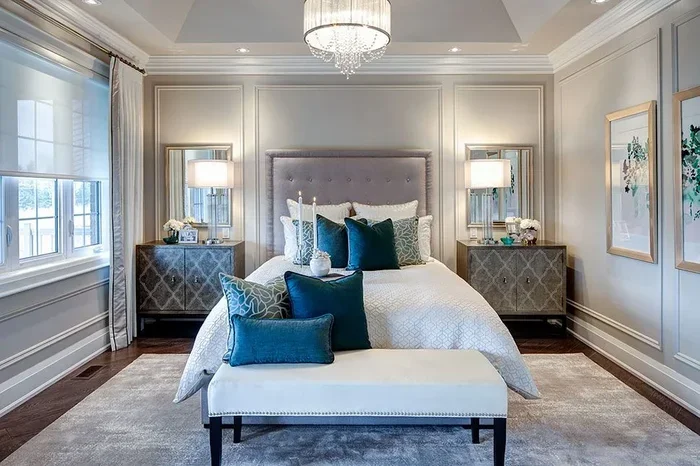
- Symmetry and balance: Matching nightstands create a visually pleasing layout. This is especially popular in master bedrooms where the design feels intentional and polished.
- Shared convenience: If you share your bed with a partner, each person gets their own surface for a lamp, phone, water bottle, or book. No more reaching across someone to grab your glasses.
- Equal access to essentials: Both partners can set alarms, charge devices, and keep personal items within easy reach without fighting for space.
- Better bedroom aesthetics: Dual nightstands often make a room feel complete and well-designed. They anchor the bed and give the space a furnished, put-together look.
For couples with similar bedtime routines, two nightstands can be a game-changer. Each person maintains their own small zone of organization right next to the bed.
The Case For One Nightstand Or None
On the other side of the debate, there are strong reasons to go with a single nightstand or skip them entirely:
- Space savings: In smaller bedrooms, every square foot counts. One nightstand — or none — frees up floor space and makes the room feel larger and less cramped.
- Cost savings: Buying two matching nightstands costs more than one. If budget is a concern, a single quality piece saves money.
- Flexibility: One nightstand can serve both partners if they are okay sharing or if one person uses the bed’s edge or a wall shelf instead.
- Modern design trends: Many contemporary bedroom designs embrace minimalism. Floating shelves, wall-mounted lights, and built-in storage replace the need for traditional side tables entirely.
If your bedroom furniture arrangement prioritizes open space and clean lines, you might find that one nightstand — or zero — actually looks and functions better.
Bedroom Size: The Deciding Factor
The size of your bedroom should heavily influence how many nightstands you include. Here is a simple way to think about it:
- Small bedrooms (under 200 square feet): One nightstand or a wall-mounted shelf is usually enough. Two full-size nightstands will make the room feel crowded and reduce your walking space.
- Medium bedrooms (200 to 300 square feet): You have flexibility here. One nightstand works well, or two smaller ones if you need the extra surface and storage.
- Large bedrooms (over 300 square feet): Two nightstands fit comfortably and can enhance the room’s balanced look without sacrificing usable space.
Measure your bedroom before you buy anything. Walk around the space with a tape measure and visualize where furniture will go. A cramped room with two oversized nightstands will feel worse than a spacious room with just one.
Creative Alternatives To Traditional Nightstands
If you decide that two nightstands do not fit your needs, you have plenty of alternatives. These options can add function and style without taking up the same floor space.
Wall-Mounted Shelves
Wall-mounted shelves are a fantastic replacement for nightstands. They take up zero floor space while still giving you a surface for your lamp, phone, or book. You can install one shelf on each side of the bed for a symmetrical look, or a single shelf on one side for a minimalist approach. These are especially popular in studio apartments and small bedrooms where every inch matters.
Bed Frames With Built-In Storage
Many modern bed frames come with built-in drawers or shelves underneath. This eliminates the need for a nightstand entirely for some items. You can store extra linens, books, or electronics right under the bed and keep your sleeping area organized. If you are exploring different bedroom essentials, a storage bed frame might be all you need.
Small Consoles Or Benches
A narrow console table or a small bench at the foot of the bed can double as a nightstand alternative. These pieces are often slimmer than traditional nightstands and can add a decorative touch. They work especially well in bedrooms where the bed is positioned against a wall on one side.
Floating Desks
For people who work from home or read in bed, a small floating desk mounted on the wall can serve as both a workspace and a bedside surface. These are compact, stylish, and very functional. Pair one with a wall-mounted light, and you have a full bedside setup without the bulk of a traditional nightstand.
Smart Bedroom Devices And The Nightstand
Technology is changing how we think about bedroom furniture. Smart devices are shrinking in size and expanding in capability, which means your nightstand setup might look very different from what your parents had.
Projectors In The Bedroom
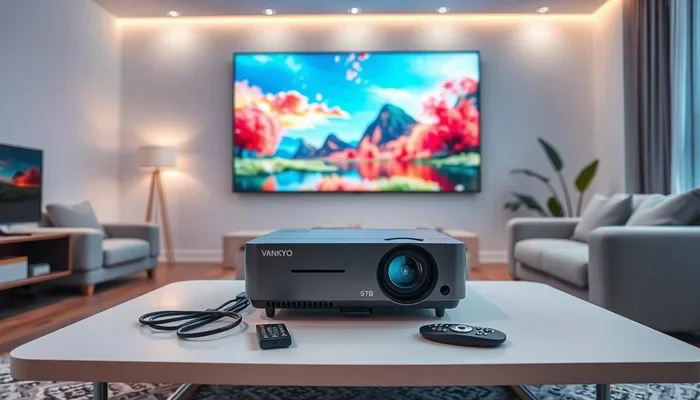
Some people love to watch movies or shows in bed. A projector mounted on the ceiling or placed on a surface creates a big-screen experience without taking up much space. If you are considering a projector setup, you might wonder about placement. You can use a projector on your wall and place the device on a small shelf or even a single nightstand. This means one well-placed nightstand can support both your reading and entertainment needs.
For those who want to stream content directly, you can also project Netflix from your laptop to a projector without needing a TV stand or entertainment center. This opens up more flexibility in how you arrange your bedroom.
Phone Projectors And Portable Entertainment
Portable phone projectors are becoming increasingly popular. These tiny devices can turn any wall into a screen. Since they are small enough to sit on a nightstand, you might only need one surface to hold your phone, the projector, and a charging cable. This is another reason why a single nightstand — or a compact alternative — can handle multiple functions.
Similarly, you can turn your iPhone into a projector using compatible accessories. These mini projectors are perfect for bedroom use and reduce the need for bulky entertainment furniture.
Smart Speakers As Bedside Companions
Smart speakers like Alexa or Google Nest have replaced many traditional nightstand items. Instead of a clock radio, a separate speaker, and a lamp all taking up space, one smart speaker can handle timekeeping, alarms, music, and smart home control. This consolidation means you need less surface area on your nightstand, which makes a single nightstand — or even no nightstand — more practical.
Matching Nightstands: Should You Buy A Pair?
If you do decide to go with two nightstands, should they match? This is a design question that sparks a lot of debate. Let us look at both sides.
| Matching Nightstands | Mismatched Nightstands |
|---|---|
| Creates a symmetrical, balanced look | Adds personality and visual interest |
| Easy to shop for — buy the same model twice | Mixing styles allows creative expression |
| Feels traditional and polished | Works well in eclectic or bohemian bedrooms |
| Can look boring if the room needs character | Requires more thought to pull off well |
| Best for classic and modern bedroom aesthetics | Best for adventurous or vintage-inspired rooms |
There is no wrong answer here. It comes down to your personal taste and the overall bedroom design. If you love a clean, put-together look, matching nightstands are a safe and elegant choice. If your bedroom has more personality and you enjoy mixing textures and styles, mismatched nightstands can actually look stunning.
Some interior designers recommend choosing nightstands that share at least one common element — color, material, or shape — even if they are not identical. This creates cohesion without forcing a perfectly matched set.
Nightstand Height And Placement Tips
Whether you choose one nightstand or two, how you position them matters. Proper placement improves both function and comfort.
Ideal Nightstand Height
The top of your nightstand should sit roughly level with the mattress top or just slightly above it. This makes it easy to reach for your phone, lamp, or book without stretching or bending. Most standard nightstands range from 24 to 30 inches tall, which works well with most bed heights.
Distance From The Bed
Place your nightstand close enough that you can reach it without getting out of bed. About 2 to 4 inches of gap between the bed edge and the nightstand is ideal. Too far, and you will struggle to grab items in the dark. Too close, and you might bump your elbow when turning in bed.
Lighting Considerations
A good bedside lamp is one of the most important nightstand items. Choose a lamp that provides enough light for reading without being so bright that it disrupts sleep. Warm-toned bulbs with dimming options work best for sleep hygiene. Position the lamp so the light shines downward onto your book or reading material without casting glare in your eyes.
Common Mistakes People Make With Nightstands
Avoid these common pitfalls when planning your bedroom nightstand setup:
- Buying nightstands that are too large for the room. Oversized furniture in a small bedroom makes the space feel cramped and uncomfortable. Always measure before you buy.
- Ignoring storage needs. If you have a lot of bedtime essentials — books, glasses, chargers, sleep aids — make sure your nightstand has enough drawers or shelves to keep things organized.
- Forgetting about cable management. With so many devices needing to charge — phones, tablets, earbuds, smart speakers — cables can quickly become a mess. Choose a nightstand with a built-in charging port or plan a cable management solution.
- Copying someone else’s setup blindly. Just because a Pinterest bedroom looks great with two nightstands does not mean it will work in your space. Adapt ideas to fit your real-life needs.
- Overlooking the bedroom layout flow. Nightstands should not block walkways or make it hard to open drawers and closet doors. Think about the full room layout before placing furniture.
Final Thoughts
So, do you have to have 2 nightstands in a bedroom setup? Absolutely not. The right number of nightstands depends entirely on your bedroom size, your personal habits, your budget, and your design preferences. Some people thrive with a pair of matching nightstands that bring balance and convenience to their sleep space. Others do just fine with a single nightstand, a wall shelf, or no bedside table at all.
The most important thing is that your bedroom feels comfortable, organized, and peaceful. Your sleep environment should support rest and relaxation, not create stress. Whether you choose dual nightstands, a single bedside table, or a completely furniture-free setup, the decision should serve your daily life and nighttime routine.
Take the time to measure your room, think about what you actually need within arm’s reach, and explore creative alternatives. Your perfect bedroom setup is out there — it just might look different from what you see in magazine photos. And that is perfectly okay. The best bedroom is the one that works for you.
Frequently Asked Questions
Can I use just one nightstand if I share a bed with a partner?
Yes, absolutely. Many couples share a single nightstand between them, especially in smaller bedrooms. You can also split the essentials by placing a small shelf, wall-mounted light, or portable tray on the opposite side of the bed. Communication with your partner about shared space is key to making any setup work comfortably.
What is the ideal height for a nightstand?
The top of your nightstand should be roughly level with the top of your mattress or just slightly above it. Most standard nightstands range from 24 to 30 inches tall. This height makes it easy to reach for your phone, lamp, or book without straining. If your bed is unusually high or low, you may need to adjust accordingly.
Can I use a wall shelf instead of a nightstand?
Yes, wall shelves are a great alternative to traditional nightstands. They take up no floor space and can hold a lamp, phone, book, or small plant. You can install one shelf on each side of the bed for a balanced look, or a single shelf for a minimalist approach. Just make sure the shelf is securely mounted and deep enough to hold your items safely.
Do I need a nightstand if I have a storage bed frame?
Not necessarily. Many modern storage bed frames include built-in drawers or shelves that can hold the same items you would normally keep on a nightstand. If your bed frame provides enough accessible storage and surface space, you may be able to skip the nightstand entirely and keep your bedroom looking clean and open.
How can I reduce clutter on my nightstand?
Start by keeping only the essentials on your nightstand surface. A lamp, your phone, and a glass of water should be all you need at arm’s reach. Use drawer organizers to tuck away smaller items like chargers, glasses, and sleep aids. A clutter-free nightstand contributes to a calmer, more restful bedroom environment.
Is it okay to have no nightstand at all in my bedroom?
Yes, it is perfectly fine to have no nightstand. Many people use a small bench, a chair, or even a portable tray placed on the bed or floor for their bedside essentials. If you have enough storage elsewhere and can keep your needed items organized, skipping the nightstand can create a more spacious and minimalist bedroom feel.