How Can I Retrieve Deleted Facetime Calls on My Phone
How Can I Retrieve Deleted Facetime Calls is an essential topic that provides valuable insights.
Losing a FaceTime call record can feel frustrating. You might need it for a work reference, a personal memory, or to check who called you. The good thing is that your Apple device stores more data than you might think. There are several ways to recover deleted FaceTime calls and get your call log back. In this article, we will walk you through every reliable method. You will learn how to check your iCloud backup, use recovery tools, and prevent future data loss. Let us get started.
Many people do not realize that FaceTime calls leave traces on their devices. Even after deletion, data often remains hidden in your iPhone call records or Mac system files. The key is knowing where to look and which method fits your situation. This guide covers everything from free built-in options to third-party tools. By the end, you will have a clear plan to restore FaceTime calls and protect your data going forward.
Key Takeaways
- Understanding How Can I Retrieve Deleted Facetime Calls: Provides essential knowledge
📑 Table of Contents
- Understanding How FaceTime Calls Get Deleted
- Can You Actually Retrieve Deleted FaceTime Calls?
- Method 1: Restore from iCloud Backup
- Method 2: Use Third-Party Data Recovery Tools
- Method 3: Check Your FaceTime Call Log Directly
- Preventing Future Loss of FaceTime Call Data
- When to Contact Apple Support
- Key Takeaways
Understanding How FaceTime Calls Get Deleted
Before you try to recover anything, it helps to understand how FaceTime calls get deleted in the first place. This knowledge makes the recovery process much easier.
Why FaceTime Call Records Disappear
Several things can cause your FaceTime call history to vanish. Accidental deletion is the most common reason. You might swipe the wrong call entry and tap delete. Sometimes, updating your iOS or macOS can reset your call log. Low storage space on your device can also trigger automatic cleanup of older call data. In rare cases, a software glitch removes call records without your input.
Another reason is syncing issues with iCloud. If your iCloud sync fails or gets interrupted, your call history may not save properly. This can make it look like calls were deleted when they were never properly stored in the first place. Understanding these causes helps you pick the right recovery method.
How FaceTime Stores Your Call Data
FaceTime saves call details on your device and in iCloud. Each entry usually includes the contact details, call duration, date, and time. FaceTime calls can be audio or video, and both types get logged the same way. When you make or receive a call, your Apple device records it locally first. Then it syncs to iCloud if that feature is turned on.
However, iCloud does not store every detail forever. Apple keeps call history for a limited time on its servers. This is why acting quickly after a deletion is so important. The sooner you try to recover the data, the better your chances.
Can You Actually Retrieve Deleted FaceTime Calls?
The short answer is yes, in most cases. But the method you use depends on several factors. Whether you have a recent iCloud backup matters a lot. So does how long ago the call was deleted. Let us look at the real possibilities for call recovery.
The Truth About FaceTime Call Recovery
Many people believe deleted FaceTime calls are gone forever. That is not always true. Your device keeps cached data even after you delete a call entry. This hidden data can be accessed through backups or recovery tools. However, there is no magic button that guarantees 100% recovery every time.
Your success rate depends on three main things. First, whether you have a recent backup. Second, how long ago the deletion happened. Third, whether new data has overwritten the old call records. Keeping these factors in mind will help you set realistic expectations.
| Recovery Method | Success Rate | Difficulty | Cost |
|---|---|---|---|
| iCloud Backup Restore | High | Easy | Free |
| Third-Party Recovery Tools | Medium to High | Moderate | Paid |
| FaceTime Settings Check | Low | Easy | Free |
| Apple Support Assistance | Medium | Easy | Free |
Method 1: Restore from iCloud Backup
The most reliable way to retrieve deleted FaceTime calls is through an iCloud backup. If you regularly back up your device, your call history is likely saved there. This method is free and built right into your Apple ecosystem.
Step-by-Step Guide to iCloud Restoration
Follow these steps carefully to restore your FaceTime call history from iCloud:
- Open the Settings app on your iPhone or iPad.
- Tap your name at the top of the screen.
- Select iCloud and then tap iCloud Backup.
- Check when your last backup was created.
- If the backup is from before the deletion, proceed to the next steps.
- Go to Settings, then General, then Transfer or Reset iPhone.
- Tap Erase All Content and Settings.
- During setup, choose Restore from iCloud Backup.
- Sign in and select the relevant backup file.
- Wait for the restore to complete.
Important note: This method will erase everything on your device and replace it with the backup. Make sure you have your current data saved elsewhere before you start. This is a full device restore, not a selective recovery.
Quick Tips for iCloud Restoration
- Always check your backup date before erasing your device.
- Make sure you have enough storage in iCloud to complete the restore.
- Use a Wi-Fi connection throughout the process to avoid interruptions.
- Keep your device charged above 50% during the full restore.
Common Mistakes with iCloud Backup Recovery
Many users make avoidable mistakes during this process. One common error is restoring from a backup that was created after the deletion. Always verify the backup timestamp. Another mistake is skipping the backup of current data before erasing. You could lose new information if you do not save it first. Also, some users forget to check if iCloud backup was even enabled before the deletion occurred.
Expert insight: If you only need the FaceTime call data and not a full device restore, consider using a third-party tool instead. This lets you recover specific data without wiping everything.
Method 2: Use Third-Party Data Recovery Tools
When iCloud backup does not work or is not available, third-party recovery tools become your best option. These apps scan your device storage for deleted FaceTime call records that are still hidden beneath the surface.
Best Recovery Apps for FaceTime Call History
Several reputable tools can help you recover deleted FaceTime calls. Here are some of the most trusted options:
- Dr.Fone – Data Recovery: This tool scans your device for deleted call logs and FaceTime records. It offers a preview before you restore anything.
- iMobie PhoneRescue: Known for its deep scan feature. It can find deleted call history that other tools miss.
- Tenorshare UltData: Works well for both iPhone and Mac. It supports recovery from device, iTunes backup, and iCloud backup.
- Enigma Recovery: A solid option for recovering call tracking data including FaceTime logs and contact details.
How Third-Party Recovery Works
Most recovery tools follow a similar process. You download the software on your computer. Then you connect your Apple device using a USB cable. The tool scans your device storage for deleted data fragments. It then presents the recoverable items in a preview list. You select the FaceTime calls you want back and click restore.
The entire process usually takes between 10 and 30 minutes. The scan time depends on how much data is on your device. Always download recovery tools from the official websites to avoid malware.
Expert Insights on Recovery Tools
Security experts recommend checking app permissions carefully before using any recovery tool. Make sure the app does not request unnecessary access to your personal data. Also, always use the latest version of any recovery software. Updates often include better compatibility with new iOS and macOS versions.
Method 3: Check Your FaceTime Call Log Directly
Sometimes the calls you think are deleted are still accessible through your device settings. This method works best for recent deletions that have not been overwritten yet.
Navigating FaceTime Settings on Your Device
Your FaceTime app keeps a log of recent calls. Even if a call seems deleted from your main call history, it might still appear here. Follow these steps to check:
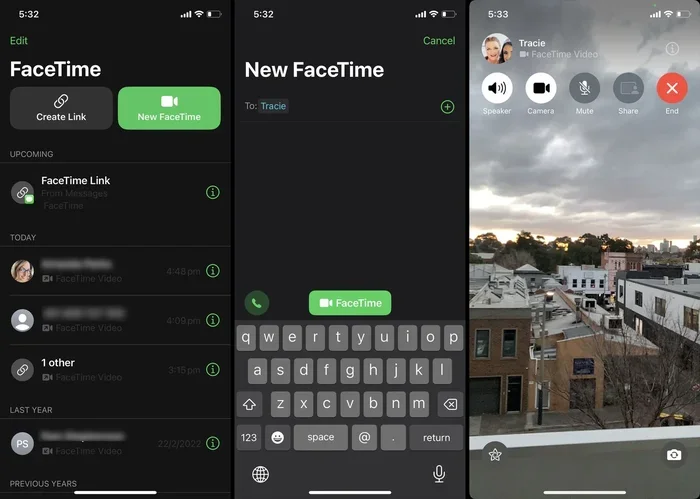
- Open the FaceTime app on your iPhone, iPad, or Mac.
- Tap the Recents tab at the bottom of the screen.
- Swipe down to refresh the list.
- Look for any calls that are missing from your phone log.
- Check both the Audio and Video tabs for missed FaceTime audio/video calls.
On a Mac, open the FaceTime app and click the Recents menu. Your call history should appear there if it has not been fully purged from the system.
Using iPhone Call History Settings
Your iPhone also stores call records in the Phone app. Even though FaceTime calls are separate from regular phone calls, they sometimes appear in the broader call log. Open the Phone app and tap Recents. Scroll through the list and look for any FaceTime entries. This simple check can save you a lot of time.
Quick tip: If you see a call that looks like it was cut short or missing details, it might be a partially deleted FaceTime record. Copy the contact information from that entry as a backup while you work on full recovery.
Preventing Future Loss of FaceTime Call Data
Recovery is great, but prevention is even better. Taking a few simple steps can protect your FaceTime call history from accidental loss in the future.
Best Practices for Protecting Your Call Records
- Enable iCloud Backup regularly: Set your device to back up automatically every day. Go to Settings, tap your name, then iCloud, then iCloud Backup, and turn on Automatic Backups.
- Keep enough storage space: Low storage can cause your device to skip backups or delete old data. Aim to keep at least 10% of your storage free.
- Avoid accidental deletion: Be careful when swiping through your call log. Consider enabling a confirmation prompt if your device supports it.
- Update your software: Keep your iOS and macOS up to date. Updates often fix bugs that cause data loss.
- Use a strong password: Protect your iCloud account with two-factor authentication. This prevents unauthorized access that could lead to data tampering.
Common Mistakes That Lead to Permanent Deletion
There are a few habits that make data loss worse. One is ignoring backup notifications. When your device tells you a backup failed, address it immediately. Another mistake is waiting too long to attempt recovery. The longer you wait, the more likely new data will overwrite the deleted records. Also, avoid factory resetting your device until you have tried all recovery options.
Expert tip: If you notice a call is missing, act within 24 to 48 hours. This window gives you the best chance of successful call recovery before the data is permanently overwritten.
When to Contact Apple Support
If none of the methods above work, Apple Support can help. They have access to server-side data that regular users cannot reach. Contact them through the Apple Support app or visit an Apple Store Genius Bar appointment.
Apple may be able to retrieve deleted FaceTime calls from their servers if the deletion happened recently. However, they do not guarantee recovery. Their ability to help depends on your account settings, backup configuration, and how long ago the deletion occurred.
Before contacting support, gather your Apple ID, device model, and the approximate date of the deleted call. Having this information ready will speed up the process significantly.
Key Takeaways
- Recovery is possible: You can retrieve deleted FaceTime calls through iCloud backups, third-party tools, or direct settings checks.
- Act quickly: The sooner you attempt recovery, the better your chances of success before data gets overwritten.
- iCloud backup is your best friend: Regular backups make FaceTime call recovery simple and free.
- Third-party tools work well: Apps like Dr.Fone and PhoneRescue can find hidden call records that backups miss.
- Prevention beats recovery: Enable automatic backups and keep your device updated to avoid future data loss.
- Check the FaceTime Recents tab: Sometimes deleted calls still appear in the app itself.
- Apple Support is a last resort: They can help if all other methods fail, but results are not guaranteed.
Frequently Asked Questions
Can I recover FaceTime calls deleted more than 30 days ago?
It depends on whether you have an iCloud backup from before the deletion. If your backup is older than 30 days and includes the call record, you can restore it. Without a backup, recovery becomes much harder. Third-party tools may still find traces of the data, but success is not guaranteed for older deletions.
Do FaceTime calls appear in my regular iPhone call log?
Not always. FaceTime calls are logged separately in the FaceTime app under the Recents tab. However, some users report seeing FaceTime entries in the Phone app’s Recents list as well. Check both places when looking for missing call records.
Is it safe to use third-party FaceTime recovery tools?
Most reputable recovery tools are safe when downloaded from official websites. Always check reviews and verify the developer before installing any software. Avoid tools that ask for unnecessary permissions or seem too good to be true. Stick with well-known brands like Dr.Fone, iMobie, or Tenorshare.
Will restoring from iCloud backup delete my current data?
Yes, a full iCloud restore replaces all current data on your device with the backup data. This means any new calls, photos, or messages created after the backup date will be lost. Always back up your current data before performing a full restore.
How long does it take to recover deleted FaceTime calls?
The time varies by method. Checking the FaceTime Recents tab takes seconds. An iCloud restore can take anywhere from 30 minutes to several hours depending on your backup size and internet speed. Third-party scans typically take 10 to 30 minutes. Patience is key during the recovery process.
Can I recover FaceTime calls on a Mac after deleting them on my iPhone?
Yes, if both devices share the same iCloud account and iCloud sync is enabled. Your FaceTime call history syncs across all your Apple devices. You can check the FaceTime Recents on your Mac to see if the deleted call still appears there. If it does, you have found your records without needing any recovery tool.
=== CONCLUSION ===
Losing a FaceTime call record does not mean it is gone forever. You now know several proven ways to retrieve deleted FaceTime calls on your phone or Mac. From iCloud backups to third-party recovery tools, you have options that fit every situation. The most important step is to act quickly and avoid making changes to your device that could overwrite the deleted data.
Remember that prevention is the best strategy. Set up automatic iCloud backups, keep your storage space healthy, and stay on top of software updates. These simple habits will protect your FaceTime call history and give you peace of mind.
If you found this guide helpful, share it with someone who might need it. Losing call records happens to everyone, and knowing how to fix it makes all the difference. Start with the iCloud backup method first, then explore other options if needed. Your deleted FaceTime calls may be closer to recovery than you think.