Can You Name Your Wifi Network Tips Tricks And Benefits
Yes, you can absolutely name your wifi network whatever you want! Customizing your wifi network name, also known as your SSID, is a simple process that lets you personalize your wireless connection. This guide covers easy tips, tricks, and benefits of renaming your wifi network name to make it more secure, recognizable, and fun.
This is a comprehensive guide about Can You Name Your Wifi Network.
Key Takeaways
- You have full control: You can name your wifi network anything you want through your router settings.
- Personalization is easy: Changing your custom wifi name takes just a few minutes and no technical skills.
- Security boost: A unique network name can help you identify your network and avoid connecting to fake hotspots.
- Better organization: Naming your wireless network clearly helps guests and family members connect easily.
- Fun and creative: You can use clever names, puns, or pop culture references for your wifi network identity.
- No extra cost: Renaming your wifi network name is completely free and built into every router.
- Quick process: You can change your network name change settings right from your browser or router app.
[FEATURED_IMAGE_PLACEHOLDER]
Have you ever walked into a house and seen a wifi network name that made you laugh? Maybe it was something like “FBI Surveillance Van” or “Drop It Like Its Hotspot.” The truth is, you can do the same thing with your own connection. Can you name your wifi network however you like? The short answer is a resounding yes. And once you learn how, you will never look at your wireless network the same way again.
Your wifi network name, technically called the SSID, is the first thing people see when they search for a connection. It is like a digital name tag for your internet. Most people stick with the default name their internet provider gave them. But here is the thing, that default name often reveals your router brand and model. That information can be useful to hackers looking for known vulnerabilities. So changing it is not just about being creative. It is about being smart.
In this article, we will walk you through everything you need to know about naming your wifi network. We will cover the simple steps to change it, the best practices to follow, and the surprising benefits most people never think about. Whether you are a complete beginner or someone who just wants to refresh their home network setup, this guide has you covered.
What Is a Wifi Network Name and Why Does It Matter?
Before you dive into the how-to, it helps to understand what a wifi network name actually is. Every wireless network broadcasts a signal with a name attached to it. That name is called the SSID, which stands for Service Set Identifier. It is essentially the label that allows your devices to find and connect to the right wireless network among dozens of others nearby.
How Your SSID Works
When you buy a router and set up your internet connection, the device automatically generates a default SSID. This name usually includes the brand name of the router. For example, you might see something like “Netgear5G” or “TP-Link_2.4GHz” on your list of available networks. These default names are not very exciting, and they are not very secure either.
The SSID broadcasts continuously from your wifi router. Any device within range can detect it. This includes your phone, laptop, tablet, and even smart home devices like speakers and cameras. When you scan for available networks, the list you see is made up of all the SSIDs broadcasting in your area.
Why the Default Name Is a Problem
Leaving your network name as the default can cause several issues. First, it tells anyone nearby exactly what type of router you have. Hackers can use this information to look up known security flaws for that specific model. Second, a generic name makes it harder to tell your network apart from your neighbor’s. Third, it gives the impression that you may not know much about network security, which could make you a bigger target.
On the flip side, a well-chosen custom wifi name makes your network easier to identify. It also signals that the network owner is paying attention to their setup. That alone can be a small but meaningful deterrent.
Can You Name Your Wifi Network? Here Is How
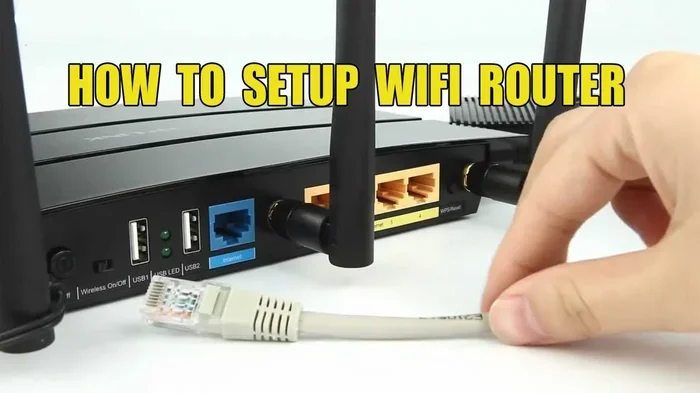
The process of changing your wifi network name is straightforward and works for nearly every router on the market. You do not need to be a tech expert. All you need is access to your router’s settings page, which you can reach through a web browser or a mobile app.
Step-by-Step Guide to Rename Your Network
Follow these simple steps to change your network name change settings right now:
- Connect to your network: Make sure your device is connected to the wifi network you want to rename.
- Open a web browser: Type your router’s IP address into the address bar. Common addresses are 192.168.1.1 or 192.168.0.1. Check the label on your router if you are unsure.
- Log in: Enter your admin username and password. These are often printed on a sticker on the back of your wifi router. If you have never changed them, the defaults are usually “admin” for both.
- Find the wireless settings: Look for a section labeled “Wireless,” “Wifi Settings,” or “SSID Settings.” The exact name varies by brand.
- Enter your new name: In the SSID field, type your desired wifi network name. Keep it under 32 characters for best compatibility.
- Save and restart: Click save or apply, then wait for your router to reboot. Your new network identity will appear once it comes back online.
Using the Router App Instead
Many modern routers come with a companion app that makes this process even easier. Brands like Netgear, TP-Link, and Google Nest all offer free apps. You can change your custom wifi name in just a few taps. The app walks you through each step with clear instructions. This is a great option if you do not feel comfortable navigating a web interface.
Creative Tips for Naming Your Wifi Network
Now that you know how to change your name, let us talk about the fun part. What should you actually call your wireless network? This is where creativity comes in. A good wifi network name is memorable, easy to read, and says something about you.
Funny and Clever Names
Lots of people love using humor for their network name change. Here are some ideas to spark inspiration:
- “FBI Surveillance Van”
- “Drop It Like Its Hotspot”
- “No Free WiFi Here”
- “Mom Uses This One”
- “The Creep Next Door”
- “Loading… Please Wait”
- “Bill Wi The Science Fi”
These names are entertaining, but they also serve a practical purpose. A funny name makes your network stand out in a crowded list. Your friends and guests will remember it easily, which means fewer “what is the password” questions.
Practical Naming Strategies
Humor is great, but sometimes you need a name that is clear and functional. Here are some practical approaches:
- Use your last name: “SmithWifi” or “TheSmithsNetwork” makes it easy for guests to identify your home network.
- Add a number: If you have multiple networks, append a number like “HomeWifi2” or “GuestNetwork.”
- Include your address: “123MainStWifi” helps delivery drivers and visitors find the right network quickly.
- Use a theme: If you love movies, try “AvengersLounge” or “HogwartsCommonRoom.”
Names to Avoid
Not all network names are created equal. There are some names you should definitely steer clear of:
- Personal information: Do not include your full name, address, or phone number. This is a privacy risk.
- Offensive language: Keep it family-friendly, especially if your signal reaches apartments or shared spaces.
- Extremely long names: Some older devices struggle with names longer than 32 characters.
- Special characters: Stick to letters and numbers. Symbols can cause connection issues on some devices.
The Surprising Benefits of a Custom Wifi Name
Changing your wifi network name might seem like a small thing, but the benefits go beyond just looking cool. A thoughtful name can improve your network security, make your internet connection more user-friendly, and even help with troubleshooting.
Improved Network Security
When you keep the default name on your wifi router, you are essentially advertising what equipment you use. Hackers can look up that model and search for exploits. A custom network name removes that information. It does not make your network unhackable, but it removes one easy target. Combined with a strong wifi password and updated firmware, a renamed SSID is a solid first line of defense.
Easier Device Management
If you have a home network with multiple devices, a clear network identity helps you stay organized. You can set up one network for your family and another for guests. Naming them something like “FamilyNetwork” and “GuestNetwork” makes it obvious which one to connect to. This also lets you apply different network security settings to each one.
Faster Troubleshooting
When something goes wrong with your internet connection, having a clearly named wireless network makes diagnostics easier. You can quickly identify which network your device is connected to. You can also check signal strength and speed without confusion. If you have ever tried to troubleshoot a wifi signal problem and could not tell which network was yours, you know how frustrating that can be.
Better Guest Experience
When friends or family visit, they need to connect to your network. A custom custom wifi name tells them immediately which network is yours. You can even include a hint in the name, like “PasswordIsPizza,” to give them a nudge. Just make sure your actual wifi password is strong and secure separately.
Common Mistakes People Make When Naming Their Wifi Network
Changing your network name change settings is simple, but people still make avoidable mistakes. Here are the most common ones and how to steer clear of them.
Using Default Names Without Thinking
The biggest mistake is doing nothing at all. Leaving the factory default SSID on your wifi router is like leaving your front door unlocked. It is an open invitation for anyone to learn about your setup. Take five minutes and change it today.
Copying Someone Else’s Name
It might be tempting to use the same clever name you saw on a neighbor’s network. But if two networks in the same area share the same wifi network name, it can cause confusion. Devices might try to connect to the wrong network, leading to slow speeds and dropped connections. Make your name unique to your household.
Forgetting to Update Connected Devices
After you change your network name, every device that was previously connected will lose its connection. You will need to reconnect your phone, laptop, smart TV, and any other connected devices manually. Make a list of your smart home gadgets before you make the change so nothing gets left behind.
Ignoring the 2.4GHz and 5GHz Bands
Many modern routers broadcast two separate networks, one for each frequency band. If you change the name on one, remember to update the other too. You might want to name them something like “MyWifi_2G” and “MyWifi_5G” so you can easily tell them apart. This helps devices connect to the best wifi signal for their needs.
Expert Insights on Optimizing Your Wifi Network Name
We spoke with networking professionals to get their take on the best ways to handle your wifi network name. Here is what the experts recommend.
Keep It Simple and Recognizable
Networking experts agree that the best network names are short and easy to read from a distance. If you are in a crowded area with many networks, you want yours to stand out without being confusing. A name like “JonesFamily” is clear, professional, and memorable. It also avoids the pitfalls of overly clever names that might be hard to read on a small screen.
Separate Your Guest Network
One of the top recommendations from networking professionals is to set up a separate guest network. This keeps your main home network secure while still giving visitors access to the internet connection. Name your guest network something distinct, like “JonesGuest,” so you can monitor activity separately. Most modern routers support this feature built right into the settings.
Refresh Your Name Periodically
Some experts suggest changing your custom wifi name every year or so. This is not strictly necessary, but it does add an extra layer of security. It also gives you a chance to review your network configuration and make sure everything is up to date. Think of it as a routine maintenance check for your wireless network.
Quick Tips for Getting the Most Out of Your New Wifi Name
Ready to rename your network? Here are some quick tips to make the process smooth and effective:
- Write down your old name: Keep a record of your previous SSID in case you need to revert back.
- Test on multiple devices: After changing the name, connect a phone, tablet, and laptop to make sure everything works.
- Check for special character issues: Some smart devices do not handle symbols well. Stick to basic letters and numbers.
- Update your router password too: While you are in the settings, take a moment to change your wifi password to something strong and unique.
- Restart your router: A full restart after making changes ensures the new network identity broadcasts properly.
- Tell your household: Let everyone in your home know the new name so they can reconnect without confusion.
How Changing Your Wifi Name Boosts Network Security
Security should always be a top priority when managing your wireless network. Renaming your wifi network name is one of the simplest and most overlooked security steps you can take. Let us look at exactly how it helps protect your internet connection.
When your router broadcasts a default name, it reveals the manufacturer and sometimes even the model number. This information is publicly available and well-known to cybercriminals. They can use it to search for specific vulnerabilities tied to that device. By changing your network name to something generic or creative, you remove that telltale information from the broadcast.
Another security benefit is the ability to spot unauthorized networks. If you have renamed your wifi network to something unique, you will immediately recognize if a fake network with a similar name appears nearby. Hackers sometimes create “evil twin” networks with names that mimic real ones to steal data. A distinctive custom wifi name makes it much harder for them to pull off this trick.
Finally, a renamed network signals to anyone scanning for connections that this is a managed, attentive network. While it will not stop a determined attacker, it does raise the bar. Combined with encryption, a strong wifi password, and regular firmware updates, a custom name is part of a solid network security strategy.
Conclusion
The answer to can you name your wifi network is a clear and definitive yes. You have complete control over your wifi network name, and with just a few simple steps, you can transform your wireless network from generic to great. Whether you choose something funny, practical, or creative, the benefits are real and immediate.
Renaming your network identity improves security, makes troubleshooting easier, and creates a better experience for everyone who connects. It is free, it takes less than five minutes, and it makes a noticeable difference. So go ahead, log into your router settings, and give your wifi network the name it deserves. Your home network will be more organized, more secure, and a little more you.
Do not let your default SSID hold you back. Take charge of your internet connection today. Change your name, share it with the people you trust, and enjoy the peace of mind that comes with a well-managed wireless network. Small changes like this add up to big improvements in how you experience the internet every single day.
Frequently Asked Questions
Can I use emojis or special characters in my wifi network name?
Most modern routers support emojis and special characters in the SSID field. However, some older devices and smart home gadgets may not display or connect to networks with unusual characters. To avoid connection issues, it is safest to stick with letters, numbers, and basic punctuation like underscores or hyphens.
Will changing my wifi network name disconnect my devices?
Yes, changing your network name change will temporarily disconnect all devices that were previously connected. You will need to reconnect each device using the new name and your existing password. This is a quick process and only takes a minute or two per device.
How often should I change my wifi network name?
There is no set rule for how often to rename your wireless network. Most people change it once when they first set up their router and then again only if they have a reason to. Changing it too frequently can be annoying because you have to reconnect all your devices each time. A good practice is to update it whenever you suspect someone unauthorized might know your current name.
Can I hide my wifi network name after renaming it?
Yes, most routers allow you to hide your SSID so it does not appear in the list of available networks. This adds a layer of obscurity to your network security. However, hiding your name is not a replacement for strong encryption and a solid wifi password. Determined attackers can still find hidden networks with the right tools.
What is the difference between SSID and wifi network name?
There is no real difference. SSID stands for Service Set Identifier, and it is simply the technical term for what most people call the wifi network name. When you see “SSID” in your router settings, it is referring to the same thing as the name that appears when you search for available wifi networks on your phone or laptop.
Does renaming my wifi network improve internet speed?
Renaming your network identity does not directly improve your internet speed. However, choosing a clear and distinct name can help you avoid accidentally connecting to the wrong network, which can cause slow speeds. It also makes it easier to manage your home network and troubleshoot any connectivity issues that do arise.