Does Switch Have A Mic Find Out Everything You Need To Know
Yes, the Nintendo Switch has a built-in microphone located on the console itself, and each Joy-Con controller also features its own mic. Whether you are chatting with friends online, recording voice memos, or using voice commands, the Switch offers multiple ways to capture audio. This guide covers everything from how the Switch mic works to troubleshooting common issues and the best external microphone options for gamers.
This is a comprehensive guide about Does Switch Have A Mic.
Key Takeaways
- Built-In Mic On The Console: The Nintendo Switch dock and console body have a small built-in microphone for basic voice input.
- Joy-Con Controllers Have Mics Too: Each Joy-Con has its own microphone, making handheld mode perfect for voice chat.
- Pro Controller Lacks A Mic: The Nintendo Switch Pro Controller does not include a microphone, so you need a headset or external mic.
- Voice Chat Requires Nintendo Switch Online: You need a paid Nintendo Switch Online membership to use the built-in voice chat feature.
- External Mics Work Great: USB microphones and compatible headsets can dramatically improve your audio quality on Switch.
- Troubleshooting Is Simple: Most Switch mic issues can be fixed with basic steps like checking mute settings and restarting the console.
[FEATURED_IMAGE_PLACEHOLDER]
Does Switch Have A Mic? Find Out Everything You Need To Know
The Nintendo Switch is one of the most popular gaming consoles in the world. Millions of players use it for solo adventures and multiplayer sessions. But one question comes up again and again. Does Switch have a mic?
The answer is yes, but it is not as simple as it sounds. The Switch has microphones in multiple places. Each location serves a different purpose. Some work great for casual chatting. Others fall short for serious gaming.
In this guide, we will walk you through everything you need to know about the Switch microphone. You will learn where the mics are located, how they perform, and what you can do to improve your audio. Whether you are a casual player or a competitive gamer, this article has you covered.
Does The Nintendo Switch Have A Built-In Microphone?
Yes, the Nintendo Switch console does have a built-in microphone. It is a small microphone embedded into the body of the console. You will find it near the top of the device, close to the screen.
However, this built-in mic is not designed for high-quality audio. It works well enough for basic tasks. These include short voice recordings, simple commands, and quick chats. If you are looking for studio-quality sound, the built-in mic will disappoint you.
The built-in microphone on the Switch is also sensitive to background noise. Fan noise, TV sounds, and room echo can all interfere. This makes it less ideal for competitive online gaming where clear communication matters.
How The Built-In Mic Works In Different Modes
The Switch microphone behaves differently depending on how you use the console. Let us break it down by mode.
TV Mode: When the Switch is docked and connected to your television, the built-in mic on the console is not the primary audio input. The console relies on the controller or a connected headset for voice input. This is an important thing to remember if you are trying to use voice chat while playing on your big screen.
Handheld Mode: In handheld mode, the built-in mic on the console body works alongside the Joy-Con mics. The system picks up audio from whichever source is closest to your mouth. This gives you flexibility, but it also means audio quality can vary.
Tabletop Mode: When the Switch is in tabletop mode with the kickstand deployed, the built-in mic and Joy-Con mics all work together. The system uses a mix of inputs to capture your voice. This can sometimes cause echo or feedback if you are not careful.
How The Joy-Con Microphone Works
The Joy-Con controllers are where the Switch really shines for voice input. Each Joy-Con has its own built-in microphone. These mics are small but surprisingly capable. They are located on the inside of each Joy-Con, right near where your thumb rests.
When you hold a Joy-Con in your hand, the mic is positioned close to your mouth. This makes it much better for voice chat than the console’s built-in mic. The audio is clearer and more focused.
Here are some key things to know about the Joy-Con microphones:
- Each Joy-Con Has Its Own Mic: You can use either the left or right Joy-Con for voice input. Both work equally well.
- Mic Works In Both Modes: Whether you are in handheld mode or using the Joy-Con grip, the mic functions the same way.
- Sensitivity Is Adjustable: The Switch automatically adjusts mic sensitivity based on your environment and distance.
- Mute Button Available: Each Joy-Con has a small mute button. When activated, the mic icon lights up on screen to show you are muted.
Using the Joy-Con mic is the easiest way to chat without buying extra accessories. For casual gaming sessions with friends, it works just fine. But if you want better sound quality, you will need to look at external options.
Using The Switch Mic For Voice Chat And Online Gaming
Voice chat is a huge part of modern gaming. The Switch handles it in a unique way compared to other consoles. Understanding how the Switch mic integrates with online play is essential for a good experience.
To use voice chat on the Nintendo Switch, you need a Nintendo Switch Online membership. This paid subscription gives you access to the Switch Online app on your smartphone. The app acts as a bridge between your Switch and your friends. You can join voice chat rooms, chat during games, and even share voice messages.
Here is how the voice chat process works step by step:
- Download the Nintendo Switch Online app on your phone.
- Link your Nintendo Account to the app.
- Open the app and select a game that supports voice chat.
- Join or create a voice chat room.
- The Switch sends audio through your phone’s microphone and speakers.
Notice that in this setup, your phone’s microphone does the talking. The Switch itself does not directly handle voice chat audio through its own mic. This is a common point of confusion. Many players think the Switch mic feeds directly into online chat. It does not. The phone app handles that part.
However, there are exceptions. Some games have their own built-in voice chat systems. These games can use the Switch mic or Joy-Con mic directly. Always check the specific game’s settings to confirm.
Can You Use A USB Controller With The Switch For Better Audio?
If you are looking to upgrade your Switch setup, you might wonder about USB controllers. The good news is that you can use a USB controller on your Switch with the right adapter. This opens up possibilities for better audio setups too. Some USB audio adapters work with the Switch, allowing you to connect external microphones and headsets directly. This is a great way to improve your voice chat quality without spending a fortune.
For more details on using USB controllers with the Switch, check out our guide on Can I Use A USB Controller On My Switch. It covers compatibility and setup tips that will help you get the most out of your Switch.
Switch Mic Accessories And External Microphone Options
While the built-in mics on the Switch and Joy-Con are decent, they are not perfect. Many gamers want better audio quality. The good news is that there are plenty of accessories that can help.
Here are the best options for upgrading your Switch microphone setup:
- Headsets With Built-In Mics: These are the most popular choice. A good headset gives you both audio output and a quality microphone in one package. Look for headsets with a 3.5mm jack or USB connectivity.
- USB Microphones: Some USB microphones work directly with the Switch. These offer studio-quality sound and are perfect for streaming or recording gameplay.
- Wireless Headsets: Wireless options give you freedom of movement. Just make sure they are compatible with the Switch’s wireless protocols.
- Clip-On Microphones: These small mics clip onto your collar or headset. They are portable and easy to use. Great for casual gaming.
- Bluetooth Headsets: The Switch has limited Bluetooth support. Most Bluetooth headsets do not work directly. However, some Bluetooth adapters can bridge the gap.
When choosing a mic accessory, consider your use case. Are you streaming? You need a high-quality USB mic. Are you just chatting with friends? A simple headset will do. Are you playing competitively? Look for low-latency wired options.
Do You Need A Special Mic For Streaming On Switch?
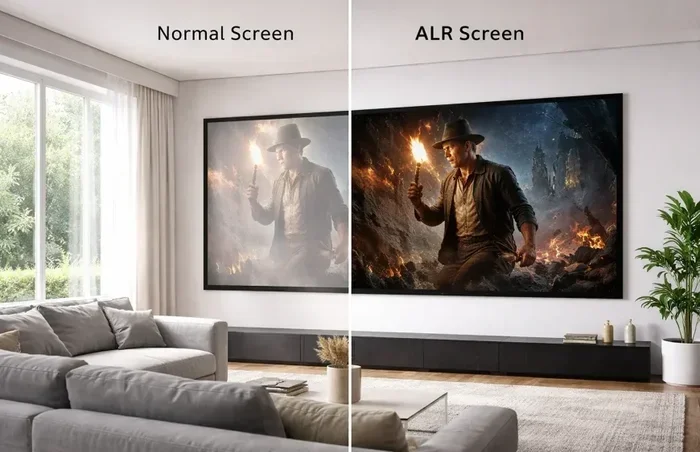
If you are thinking about streaming your Switch gameplay, a good microphone is essential. Viewers want to hear you clearly. The built-in Switch mic will pick up game audio and background noise. This can make your stream sound amateur. Investing in a dedicated USB microphone or a quality headset mic will make a huge difference. You can even use your TV as a projector screen for a more immersive streaming setup. Check out our article on Can I Use A Sheet As A Projector Screen for tips on creating a great viewing experience at home.
Common Switch Microphone Problems And How To Fix Them
Like any electronic device, the Switch microphone can have issues. Here are the most common problems and their solutions.
Problem 1: Mic Not Working At All
This is usually caused by the mute button being accidentally activated. Check your Joy-Con or controller for the mute indicator. If it is lit up, press it again to unmute. Also go to your Switch system settings and check the microphone volume. Make sure it is not set to zero.
Problem 2: Muffled Or Distorted Audio
Muffled audio often means the mic is blocked. Check that nothing is covering the microphone hole on your Joy-Con or console. Dust and debris can accumulate over time. Gently clean the mic area with a soft brush or compressed air.
Problem 3: Echo During Voice Chat
Echo happens when the Switch picks up audio from your TV or speakers. Lower your TV volume or move the console further from the sound source. Using a headset instead of the built-in mic almost always fixes echo problems.
Problem 4: Other Players Cannot Hear You
This could be a software issue. Restart your Switch and try again. Make sure your Nintendo Switch Online app is up to date. Check that your internet connection is stable. A weak Wi-Fi signal can cause audio dropouts.
Problem 5: Mic Picks Up Background Noise
The Switch mic is sensitive by design. If your room is noisy, the mic will pick it up. Try using a headset with noise cancellation. You can also adjust the mic sensitivity in the Switch audio settings.
Expert Tips For Better Voice Quality On Switch
Want to sound like a pro on your Nintendo Switch? These expert tips will help you get the best audio possible.
Tip 1: Use A Headset Instead Of The Built-In Mic. This is the single biggest upgrade you can make. A headset positions the mic close to your mouth and blocks out background noise. Even a budget headset sounds better than the console’s built-in mic.
Tip 2: Adjust Your Switch Audio Settings. Go to System Settings > Audio and tweak the mic volume and sensitivity. Lower sensitivity reduces background noise. Higher volume makes your voice clearer.
Tip 3: Keep The Mic Close To Your Mouth. Distance is the enemy of clear audio. The closer the mic is to your mouth, the better you will sound. This is why Joy-Con mics work well in handheld mode.
Tip 4: Use A Quiet Room. Echoey or noisy rooms ruin audio quality. Close windows, turn off fans, and chat in a quiet space. Your teammates will thank you.
Tip 5: Update Your Switch Firmware. Nintendo regularly releases updates that improve audio performance. Keep your console updated for the best mic experience.
Tip 6: Test Your Mic Before Important Sessions. Use the Switch voice chat test feature to check your audio before a big match. This helps you catch problems early.
Tip 7: Consider A USB Audio Adapter. If you want pro-level audio, a USB adapter lets you connect studio microphones directly to your Switch. This is the go-to solution for content creators and streamers.
How The Switch Mic Compares To Other Gaming Consoles
Every gaming console handles voice chat differently. Here is how the Switch stacks up against the competition.
| Feature | Nintendo Switch | PlayStation 5 | Xbox Series X |
|---|---|---|---|
| Built-In Console Mic | Yes (basic) | No | No |
| Controller Mic | Yes (Joy-Con) | Yes (DualSense) | Yes (Xbox Controller) |
| USB Mic Support | Limited | Yes | Yes |
| Voice Chat App Required | Yes (Nintendo Switch Online) | No (Built-in) | No (Built-in) |
| Bluetooth Mic Support | No (direct) | No (direct) | No (direct) |
| Mic Quality | Fair | Good | Good |
As you can see, the Switch is unique. It is the only console with a built-in mic on the console body. The Joy-Con mics are also a nice touch. But the lack of native USB mic support and Bluetooth audio puts it behind the PS5 and Xbox in terms of flexibility.
That said, the Switch makes up for it with portability. You can chat on the go with the Joy-Con mics. No other console offers that level of convenience.
For those who enjoy karaoke or music-based games, the Switch mic can double as a fun tool. You might even try turning your TV into a karaoke machine using the Switch’s audio output. Check out our guide on Can I Turn My Tv Into A Karaoke Machine for a fun twist on your Switch setup.
Final Thoughts On The Nintendo Switch Microphone
So, does Switch have a mic? Absolutely. The Nintendo Switch offers microphones in multiple places. The built-in console mic, the Joy-Con mics, and the option to connect external microphones give you plenty of flexibility.
For casual chatting and online play, the Joy-Con mics work well. For serious gaming or streaming, an external mic or headset is the way to go. The Switch may not have the most advanced audio system, but it gets the job done.
Remember that troubleshooting mic issues is usually straightforward. Check your mute settings, clean the mic, and keep your firmware updated. These simple steps solve most problems.
We hope this guide answered all your questions about the Switch microphone. Whether you are a newbie or a seasoned gamer, understanding your Switch audio setup makes a big difference. Now get out there and chat with your teammates. Your voice matters.
Frequently Asked Questions
Can You Use The Nintendo Switch Mic Without Nintendo Switch Online?
Yes, you can use the Switch mic for local voice recording and in-game voice features that do not require online play. However, for online voice chat with friends, you do need a Nintendo Switch Online subscription. The Switch Online app on your phone handles the actual voice chat connection.
Why Is My Switch Mic Not Picking Up My Voice?
This is usually caused by the mute button being on, the mic volume being set too low, or the mic being blocked by debris. Check the mute indicator on your Joy-Con or console. Go to System Settings > Audio to adjust the mic volume. Clean the mic hole gently with a soft brush.
Can You Connect A USB Microphone To The Nintendo Switch?
The Switch has limited USB support. Some USB microphones work with the Switch, especially through a USB-C adapter. However, compatibility varies. Not all USB mics are supported. Always check the Switch’s compatibility list before buying a USB microphone.
Does The Pro Controller Have A Microphone?
No, the Nintendo Switch Pro Controller does not have a built-in microphone. If you want to use voice chat with the Pro Controller, you will need a headset connected through the 3.5mm jack or a compatible wireless headset.
Can You Use Bluetooth Headphones With The Switch Mic?
The Nintendo Switch does not support Bluetooth audio devices directly for voice chat. Bluetooth headphones can be used for audio output in some cases, but the mic will not work through Bluetooth. You need a wired connection or a compatible wireless adapter for mic input.
How Do You Test The Switch Microphone?
Go to System Settings > Sound on your Switch. There you will find a mic test option. Speak into the mic and watch the input level meter. If the meter moves, your mic is working. You can also test the mic in the Nintendo Switch Online voice chat app.
Frequently Asked Questions
What is Does Switch Have A Mic?
Does Switch Have A Mic is an important topic with many practical applications.