Do Waterproof Backpacks Actually Exist Or Are They A Myth
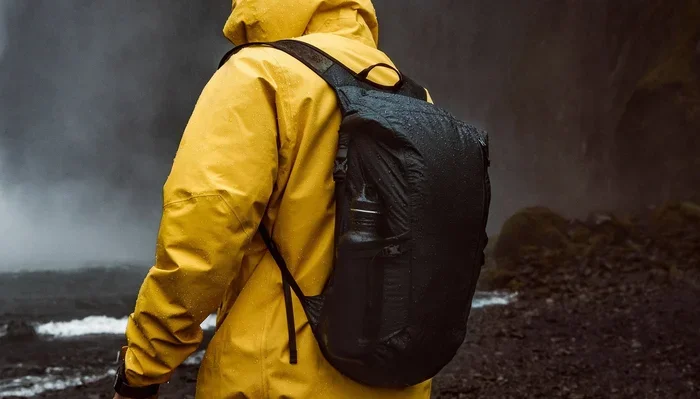
Yes, waterproof backpacks do exist, and they are far from a myth. These bags use advanced materials, sealed seams, and specialized zippers to keep your gear bone dry in heavy rain, rivers, and even full submersion. Whether you are a hiker, commuter, or traveler, a waterproof backpack can protect your valuables like a champ.
Key Takeaways
- Waterproof backpacks are real: They use specialized materials and construction techniques to keep water out completely.
- Waterproof ratings matter: Look for IPX ratings and hydrostatic head measurements to know how waterproof a bag truly is.
- Not all “water-resistant” bags are waterproof: There is a big difference between water-resistant and fully waterproof.
- Sealed seams and waterproof zippers are essential: These features make or break a waterproof backpack’s performance.
- Roll-top designs are the gold standard: They create a watertight seal that is hard to beat.
- Proper care extends lifespan: Cleaning and storing your waterproof backpack correctly keeps it working for years.
📑 Table of Contents
- Do Waterproof Backpacks Actually Exist Or Are They A Myth?
- What Makes a Backpack Truly Waterproof?
- Waterproof vs Water-Resistant: What Is the Difference?
- Waterproof Ratings You Should Understand
- Types of Waterproof Backpacks You Can Buy
- How to Choose the Right Waterproof Backpack
- Common Mistakes People Make with Waterproof Backpacks
- Expert Tips for Getting the Most from Your Waterproof Backpack
- The Best Waterproof Backpacks Worth Your Money
- Conclusion
Do Waterproof Backpacks Actually Exist Or Are They A Myth?
Let us get one thing straight. Waterproof backpacks are 100% real. They are not a marketing gimmick or a product of wishful thinking. Companies have been manufacturing truly waterproof bags for decades. These packs use advanced materials and smart engineering to keep your gear completely dry, even in the toughest conditions.
So why do so many people still ask, do waterproof backpacks exist? The answer lies in confusion. The outdoor gear market is full of misleading labels. Many bags claim to be “water-resistant” when they are not truly waterproof. Others look tough but fall apart the moment you face heavy rain. This guide cuts through all the noise. We will show you exactly what makes a backpack waterproof, how to spot the fakes, and which types actually deliver on their promises.
If you have ever had your gear soaked through a regular backpack on a hiking trip or a rainy commute, you know the frustration. A waterproof backpack solves that problem once and for all. Let us dive into everything you need to know.
What Makes a Backpack Truly Waterproof?
A backpack earns the “waterproof” label only when it prevents water from entering through any opening, seam, or material. This is not just about the fabric. Several key features work together to create a fully waterproof bag.
Waterproof Materials
The foundation of any waterproof backpack is the material. Most waterproof packs use one of these three materials:
- TPU-coated fabric: Thermoplastic polyurethane coating creates a completely impermeable barrier. Water cannot pass through these layers at all.
- PVC (polyvinyl chloride): This is a heavy-duty material often used in dry bags and budget waterproof packs. It is cheap and effective but can be stiff.
- E-Vent or eVent fabric: These are advanced membranes that block water from the outside while allowing some moisture from inside to escape.
Each material has its strengths. TPU-coated fabrics offer the best balance of durability and light weight. PVC is great for submersion but heavier. eVent fabrics add breathability, which is helpful for sweaty gear.
Sealed Seams
Even the best fabric will fail if the seams are not sealed. Seam-sealed backpacks use tape or welding to close every stitch hole. Without this, water seeps right through the needle holes. Always check that a backpack has fully taped or welded seams before buying.
Waterproof Zippers and Closures
Standard zippers are one of the biggest weak points in any bag. Water sneaks right through the teeth. Waterproof zippers use a special design with rubber gaskets that seal the zipper shut. Some waterproof backpack models use roll-top closures instead. These fold down and clamp tight, creating a watertight seal that is nearly impossible to breach.
Waterproof vs Water-Resistant: What Is the Difference?
This is where most people get confused. The two terms sound similar, but they mean very different things.
A water-resistant backpack can handle light rain and splashes. It might use a DWR (durable water repellent) coating on the fabric. This causes water to bead up and roll off for a while. But eventually, under sustained rain or pressure, water will soak through.
A waterproof backpack, on the other hand, is built to completely block water. It can handle heavy downpours, river crossings, and even full submersion. The construction is far more rigorous. Every detail matters.
| Feature | Water-Resistant | Waterproof |
|---|---|---|
| Light rain | Handles well | Handles easily |
| Heavy rain | May leak | Stays dry |
| River crossing | Not safe | Safe |
| Submersion | Not safe | Safe (if rated) |
| Price range | $30-$80 | $60-$250+ |
| Best for | Light outdoor use | Adventures and travel |
If you only need protection from occasional drizzle, a water-resistant bag might work. But if you plan to face real weather, invest in a proper waterproof backpack.
Waterproof Ratings You Should Understand
Not all waterproof bags are created equal. Manufacturers use ratings to tell you how waterproof a backpack really is. Understanding these numbers helps you make a smart choice.
IPX Ratings
IPX ratings come from the Ingress Protection system. They measure how well a device or bag resists water. Here is a simple breakdown:
- IPX4: Splash-proof. Handles splashes from any direction.
- IPX5: Protected against water jets. Good for moderate rain.
- IPX6: Protected against strong water jets. Handles heavy storms.
- IPX7: Can be submerged in water up to 1 meter for 30 minutes. This is a true waterproof rating.
- IPX8: Can be submerged deeper and for longer. The highest waterproof rating.
For a waterproof backpack, look for at least IPX7. This ensures your gear stays dry even if you drop the bag in a lake or river.
Hydrostatic Head Rating
This is another common measurement. It tells you how much water pressure the fabric can withstand before leaking. Measured in millimeters, a rating of 1,500mm or higher is considered waterproof. Higher is better. Premium packs often rate 10,000mm or more.
Why Ratings Matter
Without a clear rating, you are guessing. A bag might feel thick and sturdy but still leak under pressure. Always check the waterproof rating before you buy. It is the most honest way to compare bags.
Types of Waterproof Backpacks You Can Buy
Not all waterproof backpacks are the same. Different designs serve different needs. Here are the main types you will find on the market.
Roll-Top Backpacks
Roll-top backpacks are the most popular type of waterproof backpack. They feature a main opening that folds down and seals with a buckle or clamp. This design creates a watertight closure that is simple and reliable. Many hikers and kayakers prefer roll-tops because they are easy to open and close, even with gloves on.
These packs typically offer 20 to 40 liters of capacity. They work great for day hikes, commuting, and short trips. The roll-top design is also very durable since there are fewer moving parts that can break.
Dry Bag Style Backpacks
Dry bag backpacks combine the simplicity of a dry bag with the structure of a backpack. They often have welded seams and a simple roll-top closure. These are lightweight and pack down small. They are ideal for kayaking, rafting, and any water-based activity.
One downside is that dry bag style packs often lack the padding and organization of a standard hiking backpack. They are best for gear that does not need much protection beyond staying dry.
Hard Shell Waterproof Backpacks
Some waterproof backpack models use a rigid shell to keep water out. These are often used for diving, military operations, and extreme expeditions. The hard shell provides impact protection as well as waterproofing.
These packs are heavy and bulky compared to flexible options. But for serious water exposure, nothing beats a hard shell. They can survive being dropped on rocks and fully submerged without any water getting in.
Frame Pack Waterproof Designs
For serious hikers, waterproof frame packs offer the best of both worlds. They have the structural support of a framed backpack with fully waterproof construction. These are more expensive but deliver excellent comfort and protection for multi-day trips in wet conditions.
How to Choose the Right Waterproof Backpack
Buying a waterproof backpack is not just about picking the prettiest one on the shelf. You need to consider several factors to find the right fit for your needs.
Consider Your Activities
What will you use the backpack for? A daily commuter needs something different from a river rafter.
- Commuting: Look for a compact roll-top with laptop protection. Make sure it is lightweight and easy to carry.
- Day hiking: Choose a pack with good ventilation and enough capacity for water, food, and layers.
- Multi-day trips: Go for a larger capacity pack with a frame and comfortable straps.
- Water sports: Pick a dry bag style with a high IPX rating and secure closures.
Check the Capacity
Waterproof backpacks come in all sizes. A smaller pack (10-20 liters) works for day trips and commutes. A medium pack (25-35 liters) fits overnight gear. Large packs (40+ liters) handle multi-day adventures. Always pick a size that fits your needs without being too bulky.
Test the Seals Yourself
When shopping in person, do a simple water test. Wet your hand and run it along the seams and zipper areas. Feel for any gaps or weak spots. A quality waterproof backpack will feel completely smooth and sealed.
Think About Electronics
If you carry electronics like a tablet or phone, make sure the backpack has a padded, waterproof compartment. Many modern waterproof packs include dedicated laptop sleeves that are also sealed. This is especially important if you carry work devices. For instance, if you use an iPad for travel or work, you might want to check whether you have to pay monthly for iPad before investing in a protective bag for it. Also, protecting your phone on wet adventures matters. If you rely on your cell signal outdoors, you may want to learn more about whether cell phone boosters really work so your device stays functional even in remote areas.
Budget Considerations
Waterproof backpacks range from budget options around $40 to premium models over $250. You do not need to spend a fortune, but very cheap bags often cut corners on seam sealing and zipper quality. A mid-range pack in the $80-$150 range usually offers the best value for most users.
Common Mistakes People Make with Waterproof Backpacks
Even the best waterproof backpack can fail if you use it wrong. Here are the most common mistakes to avoid.
Overpacking Past the Seal Line
Roll-top backpacks have a maximum fill line for a reason. Overstuffing the bag prevents the top from sealing properly. Water will find its way in through gaps. Always leave room to fold the top down at least two to three times.
Ignoring the Zipper Teeth
Even waterproof zippers need care. Dirt and grit can damage the rubber gaskets over time. Clean your zippers regularly with a damp cloth. If a zipper starts to feel stiff, apply a silicone-based lubricant to keep it sliding smoothly.
Storing the Bag Wet
This is a big one. Never store your waterproof backpack damp or wet. Moisture trapped inside the bag can grow mold and degrade the waterproof coating over time. Always air dry your bag completely before storing it.
Assuming It Will Last Forever
Waterproof materials wear out. The coating can degrade with UV exposure, friction, and regular use. Inspect your bag regularly for signs of wear. Reapply DWR coating annually if the bag uses fabric with a water repellent finish.
Relying Only on the Backpack
Even the best waterproof backpack has limits. If you are going whitewater rafting or kayaking, add a dry bag inside the backpack for extra protection. Layering your protection gives you peace of mind in extreme conditions.
Expert Tips for Getting the Most from Your Waterproof Backpack
Want your waterproof backpack to perform at its best? Follow these practical tips from experienced outdoor enthusiasts.
Pre-treat the fabric. Before your first use, apply a waterproofing spray to the outer fabric. This adds an extra layer of water repellency and extends the life of your pack.
Use packing cubes. They keep your gear organized and prevent items from shifting during your hike. Waterproof packing cubes add another layer of protection for sensitive items like electronics and documents.
Test before a big trip. Fill your backpack with newspaper, seal it, and leave it outside in the rain for an hour. Check the newspaper inside when you bring it back in. If any paper is damp, you have a leak to fix.
Carry a repair kit. Pack a small seam tape and a zipper repair tool in your day bag. On the trail, a quick fix can save your gear from getting soaked.
Travel smart with your tech. When heading out on trips, think about how you stay connected. If you are traveling and using public networks, it is wise to learn whether people can see what you do on guest wifi so you protect your data. Also, if you bring an older device along, you might explore what you can do with an old laptop instead of risking your primary gear in wet conditions.
The Best Waterproof Backpacks Worth Your Money
There are many great options out there. Here are a few standout choices across different categories.
- Budget Pick: A simple PVC roll-top backpack under $60. It gets the job done for light rain and commutes. It is not the most comfortable for long hikes, but it keeps water out.
- Mid-Range Pick: A TPU-coated roll-top pack with welded seams and a waterproof zipper. These run $80-$150 and offer excellent protection and comfort for day hikes and travel.
- Premium Pick: A hard shell or advanced membrane backpack with IPX7 rating. These cost $150-$300 and are built for serious adventures in harsh conditions.
When choosing, read reviews from real users who have tested the packs in the rain or on the water. A waterproof backpack review from someone with actual field experience is worth more than any marketing claim.
Conclusion
So, do waterproof backpacks exist? Absolutely yes. They are real, they work, and they are available at many price points. A waterproof backpack can protect your gear from heavy rain, river crossings, and even full submersion. The key is understanding the difference between waterproof and water-resistant, checking the ratings, and choosing a bag that fits your specific needs.
With the right waterproof backpack, you can hike, commute, and travel with confidence. Your gear stays dry. Your electronics stay safe. And you never have to worry about a sudden downpour ruining your day. Invest in a quality waterproof pack, take care of it, and it will serve you well for years to come.
Do not let the myth stop you. The technology is real. The bags work. Go out there and explore with confidence.
Frequently Asked Questions
Can a waterproof backpack survive full submersion in water?
Yes, if the backpack has an IPX7 or IPX8 rating, it can survive full submersion. IPX7 means it can handle being underwater for up to 30 minutes at a depth of 1 meter. IPX8 handles even deeper and longer submersion. Always check the rating before relying on a backpack for water exposure.
How long does a waterproof backpack last?
A quality waterproof backpack can last anywhere from 3 to 10 years depending on how often you use it and how well you care for it. Regular cleaning, proper storage, and annual DWR re-treatment can significantly extend its lifespan.
Are waterproof backpacks worth the extra cost?
Yes, they are worth it if you spend time outdoors in wet conditions or need to protect valuable electronics. The peace of mind alone makes them a smart investment. Compare that to replacing soaked gear or ruined electronics, and the cost makes sense.
Can you wash a waterproof backpack in a washing machine?
It is best to hand wash a waterproof backpack. Machine washing can damage the waterproof coating and seam tape. Use lukewarm water, a mild soap, and a soft sponge. Always air dry the bag completely before storing it.
What is the difference between a dry bag and a waterproof backpack?
A dry bag is a simple, flexible bag with a roll-top closure. It focuses purely on keeping contents dry. A waterproof backpack has the structure and straps of a regular backpack with waterproof construction throughout. Waterproof backpacks offer more comfort and organization for everyday use.
Do waterproof backpacks breathe or trap moisture inside?
This depends on the material. Some waterproof fabrics like eVent allow internal moisture to escape, which reduces condensation. Others, like PVC, trap moisture inside. If you carry sweaty clothes or damp gear, look for a breathable waterproof fabric to avoid condensation buildup.