Does Japan Have Free Internet Find Out Before You Travel
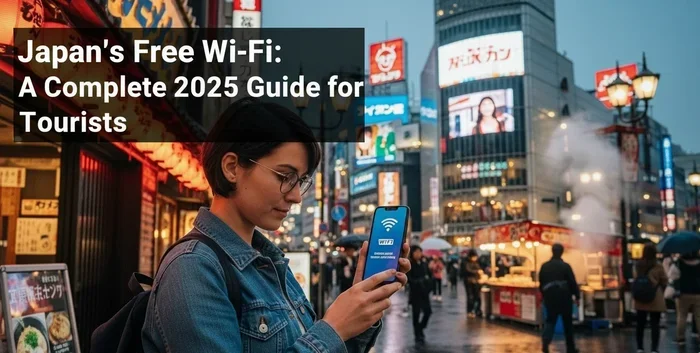
Does Japan have free internet? The answer is yes, but with some important caveats. Japan offers free WiFi in many tourist areas, cafes, and public spaces, yet coverage is not everywhere. Understanding your Japan internet options before you travel saves time, money, and frustration.
Does Japan have free internet? This is one of the most common questions travelers ask before visiting Japan. The short answer is yes, you can find free WiFi in many places. But the full story is more nuanced than that. Japan is a tech-savvy country with excellent infrastructure. Yet free internet access is not as widespread as some travelers expect. This guide covers everything you need to know about free internet in Japan. You will learn where to connect, what alternatives exist, and how to avoid common pitfalls.
Planning your travel connectivity ahead of time makes a huge difference. Some visitors arrive expecting seamless internet everywhere. They end up struggling in areas with weak or no signal. Others prepare well and enjoy uninterrupted access throughout their trip. The difference comes down to knowledge and preparation. This article gives you both.
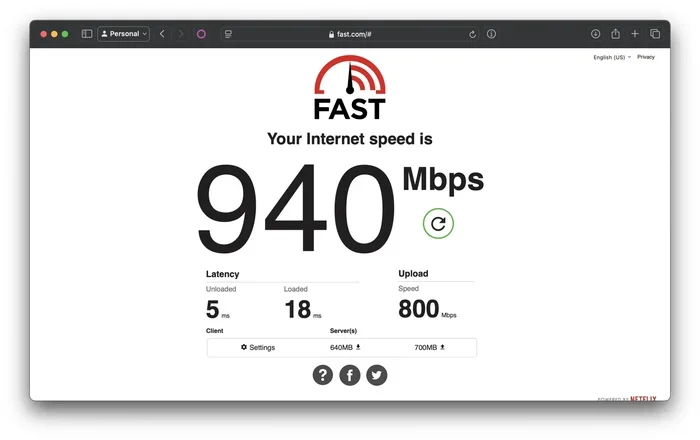
Japan has invested heavily in digital infrastructure over the past two decades. The country boasts some of the fastest internet speeds in the world. Fiber optic networks reach deep into urban areas. 5G coverage expands in major cities every year. But free public internet access tells a different story. The landscape of free wireless internet in Japan is shaped by culture, business models, and geography. Let us explore how it all works.
Key Takeaways
- Free WiFi exists in Japan: Many cafes, train stations, and tourist spots offer free wireless internet access.
- Coverage is not universal: Rural areas and some city neighborhoods may lack reliable free internet connections.
- Pocket WiFi and SIM cards are popular alternatives: These give you consistent internet access throughout your trip.
- Free internet abroad requires planning: Knowing where to connect before you arrive makes a big difference.
- Common mistakes waste time and money: Avoid relying solely on free WiFi or skipping research on coverage maps.
📑 Table of Contents
- Understanding Internet Access in Japan
- Where Can You Find Free WiFi in Japan
- How to Get Free Internet in Japan as a Tourist
- Pros and Cons of Free WiFi in Japan
- Alternative Internet Options for Japan Travel
- Common Mistakes Travelers Make With Internet in Japan
- Final Thoughts on Free Internet in Japan
Understanding Internet Access in Japan
Japan’s internet ecosystem is modern and robust. Most hotels, convenience stores, and restaurants in cities offer WiFi. But the term “free internet” can mean different things. Some connections require an email address. Others limit your data speed. A few are truly open and unrestricted. Understanding these differences helps you plan better.
When people ask does Japan have free internet, they usually mean public WiFi that costs nothing. Japan does have this in abundance in tourist-heavy areas. Shibuya, Shinjuku, and Akihabara are packed with free hotspots. Train stations across the country also provide free wireless access. But venture into rural areas, and the picture changes. Japan internet options become more limited outside major cities.
How Free WiFi Works in Japan
Most free WiFi networks in Japan work through a portal page. You connect to the network, then open a browser. A login page appears asking for your email or phone number. Some networks require you to accept terms and conditions. The process is simple but can be confusing if you do not read Japanese.
Many free hotspots use a system called FREESPOT. This is a nationwide initiative by the Japanese government. It provides free internet access at participating locations. You can find FREESPOT networks at train stations, government buildings, and some cafes. The coverage map is available online, which makes planning easier.
Another common system is the Google Station project. Google partnered with several railway companies in Japan. They installed free WiFi at major train stations across the country. This project has expanded over the years. Today, you can connect to Google Station WiFi at hundreds of locations. It is one of the most reliable ways to get free internet abroad in Japan.
Where Can You Find Free WiFi in Japan
Finding Japan wifi spots is easier than most travelers think. The key is knowing where to look. Here are the best places to connect for free.
Train Stations: Major train stations in Japan offer free WiFi. Tokyo Station, Shinjuku Station, and Osaka Station are prime examples. These networks cover the platforms and waiting areas. They are convenient for travelers passing through. However, speeds can vary during peak hours.
Cafes and Restaurants: Many cafes in Japan offer free WiFi to customers. Chains like Starbucks and Doutor Coffee are reliable options. Some local cafes also provide free access. You usually need to make a purchase to use the network. This is standard practice and easy to follow.
Shopping Malls and Department Stores: Large malls in cities like Tokyo and Osaka have free WiFi zones. These cover food courts, corridors, and information desks. Department stores like Isetan and Mitsukoshi also offer free access. They are great spots to check maps or send messages.
Parks and Public Spaces: Some parks in Japan have free WiFi installed by local governments. These are less common but growing in number. Tokyo has added several free hotspots in popular parks. Yokohama and Kyoto also have public WiFi initiatives. Coverage in these areas is improving every year.
Hotels and Hostels: Most accommodations in Japan provide free WiFi. This is standard in both budget and luxury properties. Some older ryokan (traditional inns) may not have WiFi. Always check before booking if internet access is important to you.
How to Get Free Internet in Japan as a Tourist
Getting free internet abroad in Japan is straightforward if you follow a few tips. Preparation is the key to staying connected without spending extra money.
Download Offline Maps Before You Go: Google Maps allows offline downloads. This is a lifesaver when free WiFi is not available. Download the maps for your destination areas while you still have strong WiFi. You can navigate without an active data connection.
Use a Free WiFi App: Several apps help you find free WiFi in Japan. Japan Official Travel App by JNTO is one of the best. It shows nearby free hotspots and provides useful travel info. Another great option is the FREESPOT app. These tools make finding free wireless internet much easier.
Visit Tourist Information Centers: These centers often have free WiFi you can use. Staff can also help you find the nearest hotspot. They are located at major train stations and tourist districts. This is a great resource many travelers overlook.
Ask at Cafes and Hotels: Many places offer guest WiFi even if they are not official hotspots. Ask at the front desk of your hotel. Barista at cafes are usually happy to share their network name. This personal approach often yields better results than searching for open networks.
Quick Tips for Staying Connected
- Always carry a portable charger: Using WiFi on your phone drains battery fast.
- Download translation apps with offline mode: Google Translate works offline once you download language packs.
- Check coverage maps before visiting rural areas: Free WiFi is rare outside cities.
- Use a VPN for security on public networks: Protect your data on any open WiFi connection.
- Keep your email accessible: Some free networks require email verification to log in.
Pros and Cons of Free WiFi in Japan
Free WiFi in Japan has clear advantages. But it also comes with limitations. Understanding both sides helps you make informed decisions about your Japan connectivity guide strategy.
| Pros | Cons |
|---|---|
| No extra cost for basic connectivity | Coverage is limited outside city centers |
| Available at major tourist spots | Speeds can be slow during peak hours |
| Easy to find in urban areas | Some networks require Japanese language skills |
| Good for quick checks and messages | Not reliable for video calls or streaming |
| Government-supported networks are trustworthy | Login processes can be confusing for tourists |
The biggest advantage of free WiFi is cost savings. You stay connected without paying extra fees. This is especially helpful for budget travelers. Free networks also work well for checking maps, sending messages, and browsing light websites. They are perfect for quick tasks throughout the day.
The main drawback is reliability. Free WiFi in Japan is not consistent. Speeds drop in crowded areas. Some networks go offline without notice. Coverage gaps exist in many neighborhoods. If you need dependable internet for work or navigation, free WiFi alone may not be enough. This is where alternative options come in.
Alternative Internet Options for Japan Travel
If free WiFi does not meet your needs, several alternatives exist. These options give you more control over your mobile data Japan experience.
Pocket WiFi: Pocket WiFi devices are popular among Japan travelers. You rent a small device that creates a personal WiFi hotspot. These devices connect to local networks and give you internet anywhere. Rental companies deliver the device to your home or airport. Daily rates are reasonable, usually around 5 to 10 dollars per day. Pocket WiFi is the most popular choice for families and groups.
Japan SIM Card: Buying a Japan SIM card is another great option. Prepaid SIM cards give you data for a fixed period. You can choose plans ranging from 1 GB to unlimited data. SIM cards are available at airports, convenience stores, and online. They work in unlocked phones and provide reliable coverage across the country.
eSIM: If your phone supports eSIM, this is a convenient option. You activate a data plan digitally without swapping physical SIM cards. Several providers offer Japan eSIM plans. These are ideal for tech-savvy travelers who want instant connectivity upon arrival.
Can I Buy My Own Router For Internet? This is a question many travelers ask. The answer is yes, you can buy your own portable router. Some travelers prefer this over renting pocket WiFi. Buying a router gives you more flexibility. You can use the same device for future trips. However, you need to set it up with a local SIM or data plan. If you are curious about this option, check out our guide on Can I Buy My Own Router For Internet for detailed information.
Can I Be My Own Internet Provider? Some travelers wonder if they can set up their own internet connection while abroad. In Japan, this is technically possible with the right equipment. You would need a portable router and a data SIM card. This setup gives you full control over your connection. For more details on this approach, read our article Can I Be My Own Internet Provider.
Comparing Free WiFi vs. Paid Alternatives
Choosing between free WiFi and paid options depends on your needs. Here is a quick comparison to help you decide.
- Free WiFi: Best for light use like messaging and browsing. Good for budget travelers who stay in urban areas.
- Pocket WiFi: Best for consistent access throughout your trip. Ideal for families and groups sharing one connection.
- SIM Card: Best for individual travelers who need data on the go. Easy to set up and affordable.
- eSIM: Best for tech-savvy travelers with compatible phones. Instant activation without physical swaps.
Most travelers benefit from a combination approach. Use free WiFi when it is available. Switch to a SIM card or pocket WiFi when you need reliable access. This hybrid strategy saves money while keeping you connected.
Common Mistakes Travelers Make With Internet in Japan
Avoiding mistakes saves time and frustration. Here are the most common errors travelers make with Japan internet options.
Assuming Free WiFi Is Everywhere: This is the number one mistake. Free WiFi exists in many places but not all. Relying solely on public networks leaves you stranded in areas without coverage. Always have a backup plan like a SIM card or pocket WiFi.
Not Researching Coverage Maps: Japan has areas with weak or no signal. Rural regions and mountainous areas are especially affected. Check coverage maps from your carrier or rental provider before your trip. This simple step prevents connectivity surprises.
Forgetting to Rent or Buy Internet Before Arrival: Many travelers wait until they land to arrange internet. This leads to higher prices and limited options. Rent pocket WiFi or buy a SIM card before you depart. Several providers offer home delivery.
Ignoring Data Limits: Free WiFi networks often have no data limits. But paid SIM cards and pocket WiFi plans do. Check your data allowance carefully. Overage charges can add up quickly. Choose a plan that matches your expected usage.
Not Having Offline Resources: Even with the best internet plan, connections can fail. Download offline maps, translation guides, and important documents before your trip. This preparation ensures you are never completely stuck.
Expert Insight on Japan Internet Access
Travel experts recommend treating internet access as an essential part of your Japan trip planning. Just like booking flights and hotels, arranging connectivity should happen early. The best travelers prepare multiple options. They combine free WiFi with a paid backup. This approach gives them flexibility and peace of mind throughout the journey.
Japan network coverage is excellent in cities but varies in rural areas. The key is to know your route. If you plan to visit Tokyo, Osaka, and Kyoto, free WiFi plus a SIM card covers most needs. If you plan to explore rural Hokkaido or remote islands, invest in a reliable data plan with broader coverage.
Final Thoughts on Free Internet in Japan
So, does Japan have free internet? Absolutely, but with some important considerations. Japan offers free WiFi in many tourist areas, train stations, and public spaces. These hotspots work well for light use and quick tasks. However, they are not a complete replacement for a reliable data plan.
The best approach combines free WiFi with a paid backup option. Use free networks when they are available and convenient. Switch to pocket WiFi, a SIM card, or eSIM when you need dependable access. This strategy keeps you connected without overspending.
Japan is a fantastic destination with incredible digital infrastructure. Taking a little time to understand your options makes the experience smoother. You stay connected to what matters most. Maps, translation, communication with loved ones, and sharing your travel moments all become effortless. With the right preparation, you can enjoy all that Japan offers without worrying about staying online.
Plan ahead, pack the right tools, and embrace the connectivity Japan has to offer. Your trip will be more enjoyable, more convenient, and stress-free. Safe travels and enjoy every moment in Japan.
Frequently Asked Questions
Is free WiFi available at all train stations in Japan?
No, free WiFi is not available at every train station. Major stations in cities like Tokyo, Osaka, and Kyoto have free WiFi. Smaller rural stations may not offer this service. Always check the coverage map before relying on station WiFi.
Can I use free WiFi in Japan for video calls?
Free WiFi in Japan is generally not reliable enough for video calls. Speeds can drop during peak hours and in crowded areas. For stable video calls, use a pocket WiFi or SIM card with a dedicated data plan.
Do I need a Japanese phone number to access free WiFi?
Some free WiFi networks require a Japanese phone number for verification. However, many networks accept international phone numbers or email addresses. The FREESPOT and Google Station networks are usually accessible without a Japanese number.
How fast is free WiFi in Japan compared to paid options?
Free WiFi speeds vary widely. They are usually fast enough for browsing and messaging. Paid options like pocket WiFi or SIM cards offer more consistent speeds. For heavy data use, paid alternatives are the better choice.
Are there free internet options in rural Japan?
Free internet options in rural Japan are limited. Some towns and villages have public WiFi, but coverage is sparse. If you plan to visit rural areas, rent a pocket WiFi or buy a SIM card with good rural coverage.
Can I get free internet at Japanese convenience stores?
Some convenience stores like 7-Eleven and Lawson offer free WiFi. However, you may need to make a purchase or accept terms and conditions. The availability varies by location, so do not rely on convenience stores as your primary internet source.
=== CONCLUSION ===
Does Japan have free internet? Yes, and understanding how to access it makes your trip much smoother. Japan offers free WiFi at train stations, cafes, malls, and tourist areas. These hotspots are convenient for quick tasks and light browsing. But they are not a substitute for reliable, consistent connectivity.
The smartest travelers prepare a combination strategy. Use free WiFi when available. Pair it with a pocket WiFi device, SIM card, or eSIM for dependable backup. This approach keeps you connected without breaking the bank. Avoid the common mistakes that trip up other visitors. Research your route, download offline resources, and arrange internet before you arrive.
Japan is a connected country with modern infrastructure. With the right preparation, you will stay online throughout your journey. Enjoy the convenience, share your experiences, and explore with confidence. Your trip to Japan will be unforgettable, and staying connected is a big part of that experience.