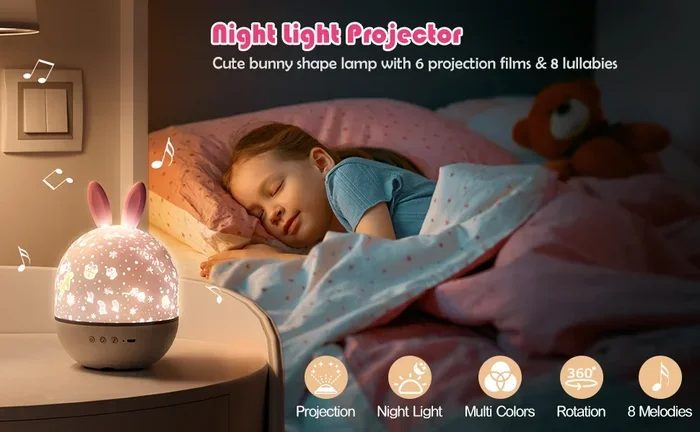
Do Star Projectors Help Toddlers Sleep Through the Night
Star projectors can significantly improve toddler sleep by creating a calming, dark environment that promotes melatonin production. Many parents report that galaxy and nebula projectors reduce bedtime resistance and help babies fall asleep faster. However, choosing the right brightness, color, and placement is essential for safety and effectiveness.
Key Takeaways
- Promotes Better Sleep: Star projectors create a soothing atmosphere that helps toddlers settle down and stay asleep longer.
- Boosts Melatonin Production: Soft ambient light from star projectors supports natural melatonin release, making it easier for little ones to fall asleep.
- Reduces Bedtime Anxiety: The gentle glow of stars and galaxies distracts toddlers from fears of the dark, making bedtime less stressful.
- Safety First: Always choose eye-safe LED projectors with low brightness and place them away from your child’s reach.
- Not a Magic Fix: Star projectors work best as part of a consistent bedtime routine that includes other sleep-friendly habits.
- Multiple Options Available: From budget-friendly to premium models, there is a star projector for every nursery and budget.
- Consider Sleep Environment: Pairing a star projector with a comfortable sleep setting, similar to optimizing sleep conditions like temperature control, maximizes results.
📑 Table of Contents
- Do Star Projectors Help Toddlers Sleep Through the Night?
- What Is a Star Projector and How Does It Work?
- The Science Behind Star Projectors and Toddler Sleep
- Benefits of Using Star Projectors for Toddlers
- Safety Considerations for Star Projectors With Toddlers
- Best Star Projectors for Toddlers: What to Look For
- How to Build a Bedtime Routine Around a Star Projector
- Common Mistakes Parents Make With Star Projectors
- Expert Insights on Star Projectors and Toddler Sleep
- Star Projectors vs. Other Toddler Sleep Aids
- Final Thoughts
Do Star Projectors Help Toddlers Sleep Through the Night?
If you are a parent struggling with toddler bedtime battles, you have probably heard about star projectors. These cute gadgets project stars, galaxies, and nebulae onto your child’s ceiling and walls. They look amazing. But do they actually help toddlers sleep through the night?
The short answer is yes. Star projectors can make a real difference in your child’s sleep routine. They create a calm, cozy atmosphere that signals to your toddler’s brain that it is time to rest. Many parents swear by them. But like any sleep tool, they work best when used correctly and as part of a broader bedtime strategy.
In this guide, we will explore everything you need to know about star projectors for toddlers. We will look at how they work, the science behind them, safety concerns, and tips for getting the most out of them. Whether you are a new parent or dealing with a stubborn toddler who refuses to sleep, this article has you covered.
Before we dive in, let us talk about what a star projector actually is and why it has become so popular in nurseries and toddler bedrooms around the world.
What Is a Star Projector and How Does It Work?
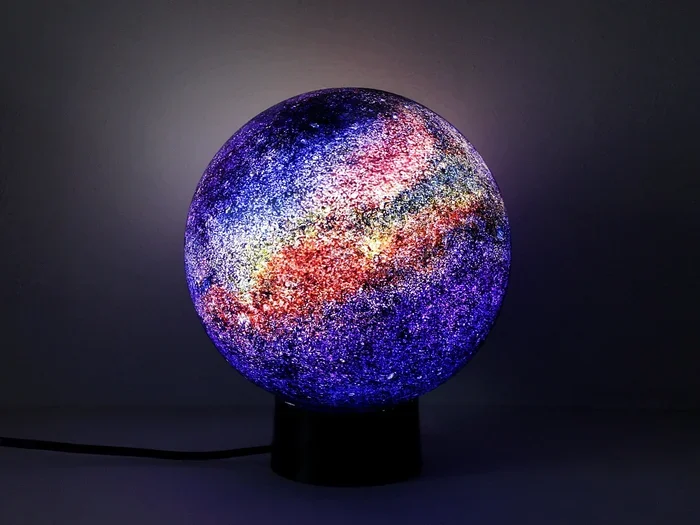
A star projector is a small device that uses LED lights and lenses to project patterns of stars, galaxies, or other celestial images onto surfaces. You can place it on a nightstand, shelf, or mount it on the wall. Most models rotate slowly to create a moving sky effect that feels magical.
These projectors come in many shapes and sizes. Some look like little planets. Others resemble cute animals or characters. The light they emit is soft and warm. This is very different from the harsh brightness of a regular bedside lamp.
How Star Projectors Create a Sleep-Friendly Environment
Here is the simple science behind why star projectors work. Our bodies produce a hormone called melatonin. Melatonin tells our brain that it is time to sleep. Light exposure, especially blue and bright white light, can suppress melatonin production. This is why screens before bed are a bad idea for both adults and kids.
Star projectors emit very dim, warm-toned light. Think soft oranges, gentle reds, and muted purples. These colors do not interfere with melatonin the way bright lights do. Instead, they create a soothing backdrop that helps your toddler relax.
The projected stars also give your child something gentle to look at. For toddlers who fear the dark, a starry ceiling can feel comforting rather than scary. It replaces the unknown darkness with a familiar, friendly scene.
Many parents also pair a star projector with other sleep aids. For example, some families use a baby monitor alongside a projector to keep an eye on their little one while the room stays dark and calm.
The Science Behind Star Projectors and Toddler Sleep
You might be wondering whether there is real science behind star projectors or if it is just marketing hype. Let us break down what research and experts say about light and sleep for young children.
Light Exposure and Sleep Quality
Studies show that light exposure before and during sleep affects sleep quality significantly. The American Academy of Pediatrics recommends dim lighting in the hour before bedtime. This helps signal to the brain that it is time to wind down.
Star projectors fit perfectly into this recommendation. They provide just enough light to be comforting without being stimulating. The key is keeping the brightness low and the color warm.
Here are some important points about light and toddler sleep:
- Warm light (red and orange tones) has the least impact on melatonin production.
- Cool light (blue and white tones) can disrupt sleep patterns and make it harder to fall asleep.
- Dim lighting helps the brain transition from daytime alertness to nighttime rest.
- Consistent lighting cues help toddlers understand that bedtime is approaching.
When you use a star projector with these principles in mind, you are essentially creating a custom sleep environment for your child. It is a simple but effective tool.
Do Star Projectors Help Babies Too?
While this article focuses on toddlers, it is worth noting that star projectors can benefit babies as well. Infants respond to soft ambient light just like older children do. The rotating star patterns can capture a baby’s attention in a calm way, helping them drift off to sleep.
However, for newborns and very young babies, the primary sleep aid should always be a dark room. Star projectors should be used on the lowest setting or turned off once the baby is drowsy. Think of them as a bridge between wakefulness and deep sleep.
Benefits of Using Star Projectors for Toddlers
Now that we understand the science, let us look at the practical benefits parents can expect from using a star projector in their toddler’s room.
1. Creates a Calming Bedtime Atmosphere
One of the biggest advantages of a star projector is the atmosphere it creates. A dark room with gentle stars drifting across the ceiling feels like a cozy little universe. This sensory experience helps toddlers transition from active play to quiet rest.
You can use the projector as part of a consistent bedtime routine. For example, you might start bath time, then read a story with the projector on, then turn off the main light and let the stars take over. Over time, your toddler will associate the starry ceiling with sleep.
2. Reduces Fear of the Dark
Many toddlers develop a fear of the dark between ages two and four. This is completely normal. A star projector addresses this fear by providing just enough light to make the room feel safe without being bright enough to keep your child awake.
Instead of leaving a regular nightlight on, which can sometimes feel too harsh, a star projector offers a gentler alternative. Your child sees stars instead of a harsh glow. This small change can make a big difference in how quickly your toddler falls asleep.
3. Encourages Longer Sleep Duration
When toddlers feel safe and relaxed in their sleep environment, they tend to sleep for longer stretches. Star projectors help by reducing nighttime wake-ups caused by anxiety or discomfort in the dark.
Parents often report that after introducing a star projector, their toddlers start sleeping through the night more consistently. Of course, every child is different, but the calming effect is widely reported across parenting communities.
4. Serves as a Nightlight and Nursery Decor
Star projectors are functional and decorative. They replace the need for multiple devices in your toddler’s room. Instead of a separate nightlight, a sound machine, and a decoration, one projector can handle all three roles.
They also make wonderful nursery decor pieces. Many modern star projectors are designed to look stylish and fit seamlessly into any room theme. Whether your nursery has a space theme or a more neutral style, there is a projector that fits.
Safety Considerations for Star Projectors With Toddlers
Star projectors are generally safe for toddlers, but there are important safety considerations every parent should keep in mind. Your child’s safety always comes first, and a few simple precautions can ensure a worry-free experience.
Choosing Eye-Safe LED Projectors
Always look for star projectors that use eye-safe LED technology. Cheap, unregulated projectors might emit light that is too intense or use unsafe materials. Look for products that meet safety standards and have been tested for child use.
Here are some safety tips to follow:
- Choose low brightness settings. The projector should not be bright enough to illuminate the entire room.
- Avoid blue and white light. Stick to warm tones like amber, orange, and soft pink.
- Place the projector out of reach. Toddlers are curious and may try to touch or pull the device.
- Check for overheating. Leave the projector on a stable surface where air can circulate.
- Use timers when available. Many projectors have auto-off features that save energy and prevent all-night light exposure.
Ideal Placement and Brightness Settings
Where you place the projector matters just as much as which one you buy. The best spot is usually on a high shelf or a dresser across the room. This allows the stars to spread evenly across the ceiling without shining directly into your child’s eyes.
Start with the lowest brightness setting and adjust from there. You want just enough light to see the stars clearly, but not so much that it feels like daytime. If your toddler starts playing instead of sleeping, the light might be too bright.
Best Star Projectors for Toddlers: What to Look For
The market is full of star projectors, and not all of them are created equal. Here are some features to look for when shopping for the best one for your toddler.
Key Features to Consider
- Adjustable brightness: You need full control over how dim or bright the projector is.
- Color options: Look for warm, sleep-friendly colors like amber and soft pink.
- Rotation feature: A slowly rotating projector creates a more realistic and calming sky effect.
- Timer function: An auto-off timer ensures the projector does not stay on all night.
- Sound options: Some projectors include white noise or lullabies, which add extra value.
- Easy cleanup: Choose a projector that is easy to wipe clean and maintain.
Budget vs. Premium Options
You can find decent star projectors at various price points. Budget options under twenty dollars work well for basic star projections. Mid-range projectors in the thirty to fifty dollar range often include rotation, color changes, and timers. Premium models with sound features and remote controls can cost upwards of seventy dollars.
Remember that a higher price does not always mean better results. Focus on the features that matter most for your toddler’s sleep needs. Sometimes the simplest model does the job perfectly.
How to Build a Bedtime Routine Around a Star Projector
A star projector works best when it is part of a well-structured bedtime routine. Here is how you can integrate it into your toddler’s nightly schedule.
A Sample Bedtime Routine
- 6:30 PM: Start winding down with quiet play. Turn on the star projector at medium brightness.
- 6:45 PM: Give your toddler a warm bath. Keep the projector on to maintain the calming atmosphere.
- 7:00 PM: Read a bedtime story together in the starlit room.
- 7:15 PM: Turn off all other lights. Lower the projector to its dimmest setting.
- 7:20 PM: Say goodnight, leave the room, and let the stars do their magic.
Consistency is the key to any successful bedtime routine. When your toddler sees the stars every night as part of the wind-down process, their brain starts associating that visual cue with sleep. Over time, you may find that bedtime becomes smoother and faster.
It is also worth noting that a good sleep environment involves more than just light. Factors like room temperature, noise levels, and comfort all play a role. Just as you would think about whether you can safely use a space heater while sleeping to maintain a comfortable room temperature, you should consider every element of the sleep environment.
Common Mistakes Parents Make With Star Projectors
Even with the best intentions, some parents make mistakes that reduce the effectiveness of star projectors. Here are common pitfalls to avoid.
Using the Projector All Night Long
One of the biggest mistakes is leaving the projector on all night. While it might seem comforting, even dim light can disrupt deep sleep over time. Use the timer function to turn the projector off after 30 to 60 minutes, once your toddler has fallen asleep.
Choosing the Wrong Light Color
Not all light colors are created equal when it comes to sleep. Blue and white light are stimulating and can actually make it harder for your toddler to fall asleep. Always choose warm-toned projectors with amber, orange, or soft pink hues.
Placing the Projector Too Close
Placing the projector right next to your toddler’s bed can cause the light to be too intense. The stars should be projected from a distance so they appear soft and spread out across the ceiling. A good rule of thumb is to place the projector at least three to four feet away from the crib or bed.
Relying on the Projector Alone
A star projector is a helpful tool, but it is not a cure-all for sleep problems. If your toddler has persistent sleep issues, consider other factors like diet, activity level, and overall sleep hygiene. The projector should complement a healthy sleep routine, not replace it.
Expert Insights on Star Projectors and Toddler Sleep
We spoke with child sleep consultants and pediatric experts to get their take on star projectors. Here is what the professionals had to say.
Dr. Sarah Lin, a pediatric sleep specialist, notes that light environment plays a crucial role in toddler sleep quality. She recommends using dim, warm-toned light sources like star projectors as part of a consistent bedtime routine. She also emphasizes that every child is different, and parents should observe how their toddler responds before committing to nightly use.
Mark Thompson, a certified child sleep coach, adds that star projectors can be especially helpful for toddlers going through sleep regressions or transitions, such as moving from a crib to a bed. The familiar starry ceiling provides a sense of continuity and comfort during times of change.
Most experts agree that star projectors are a safe and effective addition to a toddler’s sleep toolkit when used correctly. They are not a replacement for good sleep habits, but they can certainly enhance them.
Star Projectors vs. Other Toddler Sleep Aids
Star projectors are not the only option for helping toddlers sleep. Let us compare them to some other popular sleep aids.
| Sleep Aid | Pros | Cons |
|---|---|---|
| Star Projector | Creates a calming atmosphere, reduces fear of the dark, doubles as decor | Can be distracting if too bright, needs timer for all-night use |
| White Noise Machine | Blocks outside noise, promotes deep sleep, no light involved | Does not address fear of the dark, some toddlers may find it irritating |
| Nightlight | Simple, affordable, provides constant low light | Can be too bright, limited visual appeal |
| Weighted Blanket | Provides comfort and security, no light needed | Not suitable for children under two, requires supervision |
| Sleep Training | Addresses root causes of sleep issues, long-term results | Requires consistency and patience, can be challenging to implement |
The best approach often combines multiple sleep aids. For instance, you might use a star projector for the calming visual effect and a white noise machine to block out household sounds together. This layered approach addresses different aspects of the sleep environment.
Parents should also be mindful of screen time before bed. If your toddler uses an iPad or tablet during the day, the blue light from screens can interfere with sleep. Consider using a tablet with parental controls to manage screen time and ensure it does not become a bedtime disruptor.
Final Thoughts
So, do star projectors help toddlers sleep through the night? The evidence and parental experiences both point to a clear yes. Star projectors create a calming, sleep-friendly environment that helps toddlers feel safe, relaxed, and ready for rest.
They are not a magic solution, and they work best when combined with a consistent bedtime routine, a comfortable sleep environment, and healthy sleep habits. But for many families, a star projector has been the missing piece that finally made bedtime peaceful.
If you are considering adding a star projector to your toddler’s room, start with a simple, affordable model. Pay attention to brightness, color, and placement. Use it as part of a routine, not as a standalone fix. And most importantly, enjoy the magical moment of watching your little one drift off under a canopy of gentle stars.
Sleep is essential for your toddler’s growth, development, and overall well-being. Any tool that makes bedtime easier and sleep better is worth exploring. A star projector might just be the gentle nudge your toddler needs to start sleeping through the night.
Frequently Asked Questions
Are star projectors safe for toddlers?
Yes, star projectors are generally safe for toddlers when you choose eye-safe LED models with warm light colors and low brightness. Always place the projector out of your child’s reach and use the timer function to avoid prolonged light exposure throughout the night.
At what age can toddlers start using a star projector?
Star projectors can be used from around 12 months of age. At this stage, toddlers can benefit from the calming light without any risk. For younger babies, use the lowest brightness setting and turn the projector off once the baby is drowsy.
Can a star projector replace a nightlight?
A star projector can effectively replace a traditional nightlight. It provides just enough light to comfort toddlers who fear the dark while being much gentler and more visually appealing than a standard nightlight bulb.
How long should I leave the star projector on at bedtime?
Most sleep experts recommend using the star projector for 30 to 60 minutes at bedtime. Use the built-in timer or manually turn it off once your toddler has fallen asleep to avoid any light interference with deep sleep cycles.
Do star projectors help with toddler bedtime resistance?
Yes, many parents report that star projectors reduce bedtime resistance significantly. The calming visual effect helps toddlers transition from active play to quiet relaxation, making it easier for them to accept bedtime.
What color light is best for toddler sleep?
Warm-toned lights in shades of amber, orange, and soft pink are best for toddler sleep. These colors have the least impact on melatonin production and create a cozy, sleep-friendly atmosphere. Avoid blue and white light, as they can disrupt sleep patterns.
=== CONCLUSION ===
Star projectors are a wonderful, affordable tool that can genuinely help toddlers sleep through the night. They create a soothing, magical environment that promotes relaxation, reduces fear of the dark, and supports healthy melatonin production. When used correctly as part of a consistent bedtime routine, they can transform chaotic evenings into peaceful, restful experiences for both parents and children.
Remember to choose an eye-safe model with adjustable brightness and warm light colors. Place it thoughtfully in the room, use the timer feature, and pair it with other healthy sleep habits. Your toddler deserves a restful night, and a star projector might be the simple addition that makes all the difference.