Can I Sleep With A Space Heater On Every Night Safely
Sleeping with a space heater on is possible, but only if you follow key safety rules. This guide covers the real risks, the best space heater safety practices, and how to keep your bedroom warm all night without worry. You will learn which space heater models are safest for overnight use and how to avoid common dangers.
Cold nights can make sleep feel impossible. You curl up under the blankets, and your toes still feel like ice. So it is natural to wonder, can I sleep with a space heater on every night? The short answer is yes, but the full answer is a bit more complicated. Sleeping with a space heater on comes with real risks that you need to understand before you turn that dial and close your eyes.
This guide breaks down everything you need to know about sleeping with a heater safely. We will cover the dangers, the best safety practices, the top-rated heaters for bedrooms, and expert tips you can use tonight. Whether you live in a drafty apartment or a cold rural home, this article has the answers you are looking for.
Millions of people use portable heaters every winter. Many of them sleep with their unit running all night. The question is not whether it works, but whether it is safe and smart to do so. Let us dive in and find out.
Key Takeaways
- Yes, you can sleep with a space heater on: But only with the right type, proper placement, and safety features like tip-over protection.
- Fire risk is real: Space heaters cause about 25,000 house fires per year in the U.S., and many happen at night.
- Choose the right heater: Infrared and ceramic heaters with auto-shutoff are the safest options for bedroom use.
- Placement matters: Keep heaters at least 3 feet away from blankets, curtains, and furniture.
- Never leave it unattended: Always turn off fuel-based heaters before sleeping and plug electric ones into a grounded outlet.
- Watch for dry air effects: Heaters can dry out your skin, throat, and nasal passages overnight.
- Energy costs add up: Running a space heater every night can increase your electricity bill significantly.
📑 Table of Contents
- Is It Safe to Sleep With a Space Heater On?
- Risks and Dangers of Sleeping With a Space Heater On
- How to Use a Space Heater Safely at Night
- Best Space Heaters for Bedroom Use
- Common Mistakes People Make When Sleeping With a Space Heater
- Expert Tips for Overnight Heating
- Energy Costs of Sleeping With a Space Heater
- Conclusion
Is It Safe to Sleep With a Space Heater On?
The safety of sleeping with a space heater on depends on three main factors. First, the type of heater you use. Second, where you place it. Third, the safety features built into the unit. Not all heaters are created equal, and not all bedrooms are set up for overnight heating.
Electric space heaters are generally safer than fuel-based models for bedroom use. Gas and propane heaters produce carbon monoxide, a colorless and odorless gas that can be deadly in enclosed spaces. Never sleep with a fuel-burning heater on in your bedroom unless you have a proper carbon monoxide detector installed.
Electric vs. Fuel-Based Heaters
Electric heaters are the clear winner for bedroom safety. They do not produce open flames or toxic fumes. However, they still carry risks like electrical fires and overheating. Fuel-based heaters, including kerosene and propane models, should never be used in a closed bedroom while you sleep.
- Electric heaters: Safe for indoor overnight use with proper precautions.
- Fuel-based heaters: Dangerous for sleeping due to carbon monoxide risk.
- Infrared heaters: Heat objects directly, not the air, making them more efficient.
- Ceramic heaters: Heat up quickly and stay cool to the touch on the outside.
- Oil-filled radiators: Retain heat well and pose a lower fire risk.
The bottom line is that sleeping with a space heater on can be safe if you choose the right type and follow basic precautions. Always read the manufacturer’s instructions before using any heater overnight.
Risks and Dangers of Sleeping With a Space Heater On
It is important to understand the real risks before you decide to leave your heater running all night. Many of these dangers are preventable, but they can have serious consequences if ignored.
Fire Hazards
The biggest danger of sleeping with a space heater on is fire. According to the National Fire Protection Association, space heaters are involved in about 25,000 house fires every year in the United States. Roughly one-third of these fires start because the heater was too close to combustible materials like bedding, curtains, or furniture.
When you sleep, your awareness drops significantly. You cannot smell smoke as easily, and your reaction time is slower. A heater that tips over or overheats can start a fire in minutes while you are unconscious.
Carbon Monoxide Poisoning
If you use a gas or propane heater, carbon monoxide poisoning is a serious threat. This silent killer has no color, no smell, and no taste. Symptoms include headaches, dizziness, nausea, and confusion. In high concentrations, it can be fatal within minutes.
This is why sleeping with a fuel-based heater on in a closed room is extremely dangerous. Even a small leak can build up to deadly levels overnight. Always use electric models for bedroom heating.
Burns and Contact Injuries
Some space heaters have surfaces that get very hot. If you roll over in your sleep and touch the unit, you can suffer burns. This is especially risky for children and elderly individuals. Space heater placement is critical to prevent contact injuries during the night.
Dry Air and Health Issues
Running a heater all night can dry out the air in your bedroom. This leads to dry skin, irritated nasal passages, sore throats, and even nosebleeds in some people. Dry air can also worsen allergies and asthma symptoms. You may wake up feeling stuffy or uncomfortable.
Electrical Risks
Overloaded circuits, frayed cords, and faulty outlets can all cause electrical fires. Space heater electricity draw is significant, and older homes may not have circuits designed to handle a heater running for hours. Always plug your heater directly into a wall outlet, never into an extension cord or power strip.
How to Use a Space Heater Safely at Night
Now that you know the risks, let us talk about how to reduce them. Following these safety guidelines will help you sleep with a space heater on without putting yourself in danger.
Choose a Heater with Safety Features
Not all space heaters are built the same. When shopping for a bedroom heater, look for these essential safety features:
- Tip-over protection: The heater automatically shuts off if it gets knocked over.
- Overheat protection: The unit powers down if internal temperatures get too high.
- Auto shut-off timer: Lets you set a timer so the heater turns off after a set period.
- Cool-touch exterior: The outer casing stays at a safe temperature even while heating.
- Certified safety standards: Look for UL, ETL, or CSA certification marks on the unit.
These features are non-negotiable if you plan to sleep with a space heater on regularly. A heater without them is simply too risky for overnight use.
Proper Placement Guidelines
Where you put your heater matters just as much as what heater you buy. Follow these placement rules to stay safe:
- Place the heater on a flat, hard, and level surface.
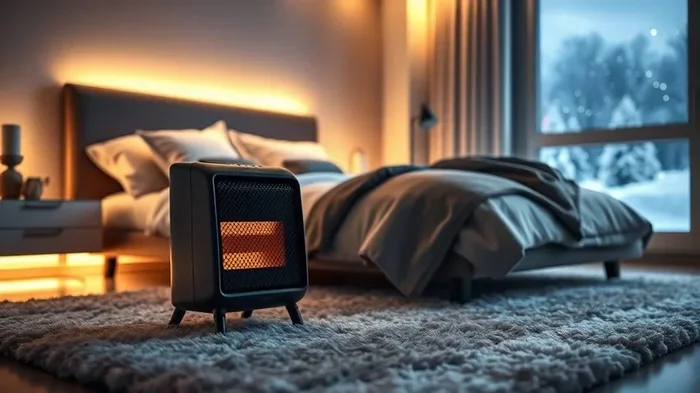
- Keep it at least 3 feet away from anything that can burn, including bedding, curtains, and furniture.
- Never place it on a carpet or rug, as this can cause overheating.
- Position it away from foot traffic to prevent accidental bumps.
- Place it on the floor, never on a table or shelf.
- Keep it out of reach of children and pets.
Following these simple rules dramatically reduces the risk of fire and injury. Space heater placement is one of the most overlooked aspects of heater safety.
Ventilation and Air Quality
Even with an electric heater, your bedroom air quality can suffer from overnight heating. Dry air can irritate your lungs and throat. Consider using a humidifier alongside your heater to maintain comfortable moisture levels. A good rule is to keep your bedroom humidity between 30% and 50%.
If you have allergies, consider running an air purifier in the room as well. Heaters can stir up dust and allergens that settle in bedding and carpets. Clean air helps you sleep better and wake up healthier.
Electrical Safety Tips
Your heater’s power cord is not something you should ignore. Follow these electrical safety tips:
- Plug the heater directly into a wall outlet. Never use an extension cord.
- Check the cord for fraying, cracks, or damage before each use.
- Do not use the heater if the plug feels hot to the touch.
- Avoid using the heater on the same circuit as other high-wattage appliances.
- Make sure your home’s wiring is up to code and can handle the load.
These steps protect you from electrical fires and ensure your space heater electricity usage is safe and efficient.
Best Space Heaters for Bedroom Use
Not all heaters are safe for overnight use. Here are the best types of space heaters for bedroom use based on safety, efficiency, and performance.
Infrared Heaters
Infrared heaters warm objects and people directly rather than heating the air. This makes them more energy-efficient and comfortable. They also tend to have lower surface temperatures, reducing burn risks. Many infrared models come with built-in tip-over protection and overheat protection.
Ceramic Heaters
Ceramic heaters use a ceramic element to heat up quickly and evenly. The fan pushes warm air into the room, and the ceramic housing stays relatively cool. They are lightweight, portable, and affordable. Most ceramic models include multiple safety shut-off features that make them ideal for bedroom heater safety.
Oil-Filled Radiators
Oil-filled radiators are excellent for overnight heating because they retain heat long after being turned off. The oil inside acts as a heat reservoir, so the unit does not cycle on and off constantly. Their exterior stays cool to the touch, making them one of the safest options for sleeping with a heater.
Panel Heaters
Panel heaters are slim, wall-mounted units that heat a room evenly. They are energy-efficient and pose minimal fire risk because they do not have exposed heating elements. They are a great choice for small bedrooms where space is limited.
| Heater Type | Safety Rating | Energy Efficiency | Best For |
|---|---|---|---|
| Infrared | High | Excellent | Targeted heating, quick warmth |
| Ceramic | High | Good | Small to medium bedrooms |
| Oil-Filled Radiator | Very High | Very Good | Overnight sustained heating |
| Panel | Very High | Excellent | Small rooms, wall-mounted |
| Fan-Forced | Moderate | Fair | Quick room heating |
When choosing a safe space heater for bedroom use, always prioritize models with auto shut-off and tip-over protection. These features give you peace of mind while you sleep.
Common Mistakes People Make When Sleeping With a Space Heater
Even with the best intentions, many people make mistakes that put them at risk. Here are the most common errors to avoid.
Placing the Heater Too Close to Bedding
This is the number one mistake people make. A heater placed too close to blankets, pillows, or curtains can ignite those materials in minutes. Always maintain a minimum 3-foot clearance from anything flammable.
Using an Extension Cord
Extension cords are not designed to handle the high wattage of a space heater. They can overheat, melt, and start a fire. Plug your heater directly into a wall outlet every single time.
Ignoring the Auto Shut-Off Feature
Some heaters have a built-in timer or auto shut-off feature that is designed specifically for overnight use. If your heater has this feature, use it. Never rely solely on falling asleep to turn the heater off for you.
Running the Heater on High All Night
Running your heater on the highest setting all night wastes energy and increases fire risk. Use a lower setting or a thermostat-controlled model that cycles on and off to maintain a comfortable temperature.
Skipping Regular Maintenance
Dust buildup inside your heater can cause it to overheat or even catch fire. Clean your unit regularly according to the manufacturer’s instructions. Check cords, plugs, and vents for damage before each use.
Using a Damaged Heater
A cracked cord, loose plug, or dented housing are all signs that your heater needs to be replaced. Do not use a damaged unit, no matter how well it still heats. The risk is simply not worth it.
Expert Tips for Overnight Heating
Want to get the most out of your space heater on at night? Here are expert-backed tips that make overnight heating safer and more efficient.
Use a Timer or Smart Plug
A simple outlet timer or smart plug lets you schedule when your heater turns on and off. Set it to warm up your bedroom 30 minutes before bedtime and shut off 30 minutes after you fall asleep. This saves energy and reduces risk.
Keep a Humidifier Running
Pairing your heater with a humidifier keeps the air from drying out. This protects your skin, throat, and nasal passages while you sleep. It also makes the room feel warmer at a lower temperature setting.
Dress Warm, Not the Room
Instead of cranking the heater up, try wearing warm socks and using a heavy blanket. You can keep the room at a lower temperature and still feel cozy. This approach uses less energy and reduces fire risk.
Insulate Your Bedroom First
Before you turn on any heater, make sure your bedroom is properly insulated. Seal drafty windows with weatherstripping or a draft stopper. Use heavy curtains to block cold air from entering. A well-insulated room holds heat much better.
Never Block Vents or Grilles
Keep the area around your heater’s vents and grilles clear at all times. Blocking airflow causes the unit to overheat, which can lead to automatic shutoff or, in worst cases, a fire hazard.
Install Smoke and Carbon Monoxide Detectors
No matter how safe your heater is, always have working smoke detectors and carbon monoxide detectors in your home. Test them monthly and replace the batteries twice a year. These devices are your last line of defense in an emergency.
Energy Costs of Sleeping With a Space Heater
Running a space heater every night can have a noticeable impact on your electricity bill. A typical 1,500-watt heater running for 8 hours per night uses about 12 kilowatt-hours of electricity per day. Over a month, that adds up to around 360 kWh, which can increase your bill by $30 to $60 or more depending on your local energy rates.
If you want to reduce costs, consider using a energy efficient space heater with a thermostat. These models adjust their power output to maintain a set temperature, which uses less electricity than running on high continuously. You can also use the heater to warm just your bedroom and lower the thermostat for the rest of the house.
Some people find that using a heater only in the bedroom while they sleep allows them to keep the rest of the house cooler. This can actually save money compared to heating the entire house overnight.
Conclusion
So, can I sleep with a space heater on every night? The answer is yes, as long as you take the right precautions. Choose an electric heater with tip-over protection, overheat protection, and auto shut-off. Place it on a flat surface at least 3 feet from anything flammable. Plug it directly into a wall outlet, never an extension cord. And always make sure your smoke and carbon monoxide detectors are working.
Sleeping with a space heater on does not have to be dangerous if you follow the safety guidelines in this article. The key is to be informed, be cautious, and never take shortcuts with heater safety. Your warmth and comfort should never come at the cost of your safety.
Use the tips in this guide to make your bedroom warm, cozy, and safe all winter long. Stay warm, stay safe, and sleep well.
Frequently Asked Questions
Can I leave my space heater on all night while I sleep?
You can, but only if your heater has essential safety features like tip-over protection, overheat protection, and auto shut-off. Electric heaters with these features are generally safe for overnight use. Never leave a fuel-based heater running while you sleep.
What type of space heater is safest for a bedroom?
Oil-filled radiators, ceramic heaters, and infrared heaters are the safest options for bedroom use. They have cool-touch exteriors, built-in safety shutoffs, and lower fire risks. Always look for UL or ETL certification when choosing a bedroom heater.
Can a space heater cause a fire while I am sleeping?
Yes, space heaters can cause fires, especially if they are placed too close to bedding or curtains. Most heater-related fires happen at night when people are asleep and unaware. Following proper placement and safety guidelines greatly reduces this risk.
Do I need a humidifier if I sleep with a space heater on?
It is a good idea. Heaters dry out the air, which can cause dry skin, sore throats, and nosebleeds. A humidifier helps maintain comfortable moisture levels in your bedroom while you sleep with a heater running.
How far should my space heater be from my bed?
Keep your space heater at least 3 feet away from your bed, bedding, curtains, and any other flammable materials. This distance significantly reduces the risk of fire and gives you peace of mind while you sleep.
Will running a space heater every night increase my electricity bill?
Yes, running a space heater nightly will increase your electricity bill. A 1,500-watt heater running 8 hours a night can add $30 to $60 or more per month to your bill. Using a thermostat-controlled or energy-efficient model can help reduce costs.