Do Light Projectors Help Kids Sleep Through the Night
Do light projectors help kids sleep through the night? The answer is yes — many parents see real improvements in their children’s bedtime routine. Kids sleep projectors create calming visuals that ease anxiety and signal bedtime. These devices use ambient light for sleep to transform bedrooms into peaceful, dream-like spaces that encourage deep rest.
Key Takeaways
- Soothing Visuals: Light projectors create calming scenes like stars and galaxies that help kids relax before bed.
- Better Bedtime Routine: Using a projector as part of a consistent routine signals to kids that sleep is coming.
- Safety First: Always choose cool LED projectors and place them safely away from little ones.
- Not a Magic Fix: Projectors work best when combined with good sleep habits and a dark, comfortable room.
- Age Matters: Younger kids respond more to soft colors, while older children enjoy interactive star projections.
- Cost-Effective: Most quality kids sleep projectors are affordable and last for years.
📑 Table of Contents
- Do Light Projectors Help Kids Sleep Through the Night?
- What Is a Light Projector for Kids Sleep?
- Benefits of Using a Light Projector for Kids Sleep
- Are Light Projectors Safe for Kids?
- What Age Is Best for a Light Projector?
- Do Light Projectors Help Kids Sleep Better Than Night Lights?
- How to Choose the Best Light Projector for Your Child
- Common Mistakes Parents Make With Light Projectors
- Expert Insights on Light Projectors and Children’s Sleep
- Real Parent Experiences: Do Light Projectors Really Work?
- Can a Light Projector Replace Other Sleep Aids?
- Final Thoughts: Do Light Projectors Help Kids Sleep?
Do Light Projectors Help Kids Sleep Through the Night?
If you have ever walked into your child’s room at bedtime and seen them wide-eyed and full of energy, you know how tough putting kids to sleep can be. Many parents are searching for something that works. Do light projectors help kids sleep through the night? This is a question more families are asking every day.
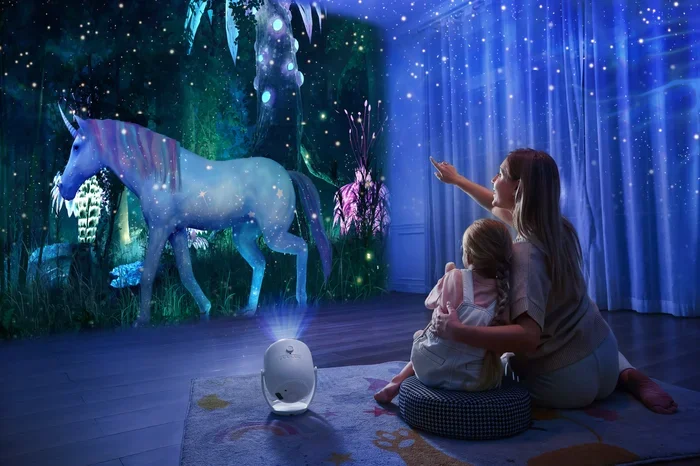
The short answer is yes. Kids sleep projectors have become one of the most popular tools for parents who want to improve their child’s bedtime experience. These devices project soft images of stars, moons, galaxies, and ocean scenes onto the ceiling and walls. They create a calm, cozy atmosphere that helps children feel safe and ready to rest.
But do they actually work for a full night of sleep? The truth is, light projectors are not a magic solution. They work best as part of a larger sleep-friendly lighting strategy. When used correctly, they can make a real difference. Let us explore how they work, what the benefits are, and what you need to know before buying one.
What Is a Light Projector for Kids Sleep?
A kids sleep projector is a device that casts images of nature, stars, or abstract patterns onto a room’s surfaces. Most models use LED lights to create soft, colorful visuals. Some project moving images that slowly change, while others stay still. The goal is to create a calming light for sleep environment that replaces harsh overhead lighting.
These projectors come in many shapes and sizes. Some look like little owls or stuffed animals. Others are simple dome-shaped devices that sit on a nightstand. The images they project can include:
- Stars and constellations
- Galaxy and nebula scenes
- Ocean waves and sea creatures
- Forest animals and leaves
- Soft rainbow colors and gradients
The ambient light for sleep these projectors produce is very different from a regular lamp. It is dim, warm, and gentle on the eyes. This matters because bright lights can trick the brain into thinking it is still daytime. By using soft projection light, you help your child’s body start producing melatonin, the hormone that controls sleep.
How Do Kids Sleep Projectors Work?
Most projectors for nursery use a small LED light source and a rotating disc or digital chip to create images. The light passes through a lens and projects onto the nearest surface. Simple models use a static image, while more advanced ones use motors to slowly rotate the projection.
The key feature that makes these devices useful for sleep is the color temperature. The best projectors for kids use warm tones like soft orange, pink, and deep blue. These colors are less likely to disrupt the body’s natural sleep cycle. Some models also include a white noise projector feature, adding gentle sounds like rain, waves, or lullabies to the experience.
Benefits of Using a Light Projector for Kids Sleep
Why are so many parents adding a projector to their child’s bedtime routine? There are several real benefits backed by both parent experiences and sleep science.
1. Creates a Relaxing Bedtime Atmosphere
A dark room with a single, soft glow feels completely different from a room lit by a bright overhead fixture. When you turn on a bedtime routine projector, it sets the mood for sleep. Children begin to associate the projector with winding down. Over time, this becomes a powerful signal that tells their brain it is time to rest.
Think of it like how adults use candles or dim lamps to relax in the evening. Kids respond to the same cues, even if they do not realize it. The visual experience of floating stars or gentle ocean waves gives their mind something calming to focus on instead of racing thoughts.
2. Reduces Fear of the Dark
Many children between ages two and seven experience fear of the dark. This is a very normal part of development. A projector night light for toddlers can help ease this fear without using a bright lamp that keeps them awake.
When a child can see soft, friendly images on their ceiling, the dark feels less scary. A galaxy projector for kids, for example, turns the ceiling into a personal planetarium. Instead of fearing shadows, they look up and see a beautiful night sky. This shift in focus can make a huge difference in how quickly they fall asleep.
3. Supports a Consistent Sleep Schedule
Consistency is one of the most important parts of healthy sleep training light habits. When you use the same projector every night at the same time, you build a predictable routine. Children thrive on predictability. They know what comes next, and their bodies start preparing for sleep before the routine even begins.
A consistent routine might look like this:
- Bath time
- Pajamas and brushing teeth
- Story time in bed
- Turn on the light projector
- Lights out and sleep
The projector becomes step four in this sequence. After a few weeks, your child will start to feel sleepy as soon as they see the images on the ceiling.
4. Helps With Naps Too
Light projectors are not just for nighttime sleep. Many parents use them during naptime as well. A calming light for kids projector in the nursery can help signal that nap time has arrived, even during bright daytime hours. The projector essentially darkens the room’s feel without blocking all natural light, which can be useful for afternoon naps.
5. Encourages Independent Sleep
One of the goals every parent has is helping their child fall asleep on their own. A projector can help with this. When a child has their own sleep-friendly lighting setup, they feel more in control of their sleep space. This sense of ownership can reduce bedtime resistance and help them learn to self-soothe.
Some parents report that after introducing a projector, their child asks for it less and less over time. The child learns to settle into sleep without needing a parent present every night. That is a win for everyone in the house.
Are Light Projectors Safe for Kids?
Safety is always the number one concern for parents. The good news is that most modern kids sleep projectors are designed with child safety in mind. However, there are still some important things to keep in mind.
Choosing the Right Type of Projector
Not all projectors are created equal. When shopping for a projector night light for toddlers, look for these safety features:
- Cool LED technology: LED bulbs stay cool to the touch, unlike older halogen bulbs that can get very hot.
- Low voltage power: Most kids projectors run on low voltage, which reduces the risk of electric shock.
- No small removable parts: Choose a model without small pieces that a child could pull off and put in their mouth.
- Stable base: Make sure the projector has a wide, sturdy base so it cannot be easily knocked over.
It is also worth noting that some projectors use lasers to create images. While most consumer-grade kids projectors are eye-safe, you should always check the product specifications. Look for models that are certified by recognized safety organizations.
Placement Tips for Safety
Where you place the projector matters just as much as which one you buy. Here are some practical tips:
- Place the projector on a high shelf or nightstand, out of your child’s reach.
- Keep cords tucked away and out of walking paths.
- Never leave a projector running unattended for very long periods if it is not designed for overnight use.
- Position the projector so the light beam does not shine directly into your child’s eyes when they are lying in bed.
If you are also considering other sleep aids for your child’s room, it is worth checking whether sleeping with a space heater on is safe for your child’s room environment. Creating a safe sleep space goes beyond just lighting.
What Age Is Best for a Light Projector?
The right age to start using a light projector depends on your child’s development and comfort level. Here is a simple breakdown:
| Age Group | Recommended Type | Why It Works |
|---|---|---|
| 0-12 months | Simple night light projector with soft white or warm glow | Newborns respond to gentle, dim light that mimics moonlight |
| 1-3 years | Projector with slow-moving stars or soft shapes | Toddlers enjoy watching movement and it distracts from bedtime fussiness |
| 3-6 years | Galaxy or nature scene projector with sound options | Preschoolers love imaginative scenes and may enjoy choosing the projection |
| 6+ years | Interactive or customizable projectors | Older kids can adjust colors and images themselves, building independence |
Every child is different. Some babies sleep better with total darkness and no projector at all. Others respond beautifully to the soft glow. The best approach is to try it for a few nights and watch how your child reacts. If they seem more relaxed and fall asleep faster, you have found a winner.
Do Light Projectors Help Kids Sleep Better Than Night Lights?
This is a common question among parents. Traditional night lights and projector lights serve similar purposes, but they work in different ways. Here is a quick comparison:
- Night lights provide a steady, fixed glow in one spot. They are simple and reliable but do not change the visual environment much.
- Light projectors transform the entire room with moving images and colors. They create a more immersive experience that can distract from worries and boredom.
- Combination devices that include both a night light and a projector offer the best of both worlds.
For most families, a projector provides more benefits because it actively engages a child’s sense of wonder. Instead of just having a small glow in the corner, the whole ceiling becomes a calming scene. This engagement can help children who struggle with projector help sleep issues because it gives their mind something positive to focus on.
If you are also wondering about other devices that might help or hinder your child’s sleep, it is worth noting that screen time before bed can be disruptive. If your child uses an iPad for bedtime stories, you might want to read up on whether you have to pay monthly for iPad and how device use affects sleep patterns.
How to Choose the Best Light Projector for Your Child
With so many options on the market, choosing the right projector can feel overwhelming. Here are the features that matter most:
Look for These Key Features
- Adjustable brightness: You should be able to dim the projector to the lowest setting for overnight use.
- Timer function: A built-in timer that turns the projector off after 30 or 60 minutes saves electricity and prevents light from disrupting deep sleep.
- Multiple projection modes: Choose a model that offers several images or scenes so your child does not get bored.
- Sound options: Built-in white noise or lullabies add another layer of relaxation.
- Easy cleanup: A projector that is simple to wipe down and maintain will last longer in a child’s room.
Top Brands Parents Trust
Some brands have built strong reputations for making safe, effective kids sleep projectors. Look for models from brands that specialize in children’s sleep products or baby gear. Reading parent reviews can also help you find real-world feedback on how well a projector actually works for children sleep aid purposes.
Budget vs. Premium Options
You do not need to spend a fortune to get a good projector. Many affordable models under $30 offer excellent performance. Premium models with more features and better build quality can cost $50 to $100. The most important thing is that the projector is safe, dimmable, and projects images your child finds calming.
Common Mistakes Parents Make With Light Projectors
Even the best projector will not help if it is used incorrectly. Here are some common mistakes to avoid:
Using the Projector Too Bright
The whole point of a projector for sleep is to create dim, calming light. If you set the brightness too high, it can actually make sleep harder. Always start with the lowest setting and adjust only if needed.
Forgetting the Timer
Leaving a projector on all night might seem harmless, but even soft light can interfere with deep sleep cycles over time. Use the timer function to turn the projector off after your child has fallen asleep.
Choosing Overstimulating Images
Not all projections are created equal. A fast-moving, colorful, high-contrast projection might look fun during playtime, but it is the wrong choice for bedtime. Stick to slow, soft, and neutral-toned projections for the best results.
Ignoring Room Darkness
A projector works best in a room that is already mostly dark. If you have bright curtains or many other light sources, the projection will look washed out and less effective. Consider using blackout curtains to create the ideal sleep environment for kids.
Expert Insights on Light Projectors and Children’s Sleep
Many child sleep specialists agree that creating a consistent, calming bedtime environment is one of the most effective ways to improve children’s sleep quality. A light projector can be a valuable tool in this process.
Dr. Natalie Barnett, a child sleep consultant, notes that visual cues are powerful sleep triggers for young children. She explains that a night sky projector children love can become a reliable part of the bedtime signal chain. When children see the same calming images every night, their brains learn to associate those visuals with sleep.
However, experts also caution that projectors should not replace fundamental sleep hygiene. A child still needs a consistent bedtime, a comfortable room temperature, and limited screen time before sleep. The projector is a supplement to good habits, not a replacement for them.
If you are also dealing with other household technology questions, you might be curious about whether baby monitors connect to phones and how monitoring devices can complement a good sleep setup.
Real Parent Experiences: Do Light Projectors Really Work?
The best way to understand the impact of a kids sleep projector is to hear from parents who have tried them. Here are some common themes from real families:
Sarah, mom of two: “We started using a galaxy projector when our son turned three. He used to fight bedtime every single night. Within a week, he was asking to go to bed because he wanted to see the stars on his ceiling. It was a game changer for our whole family.”
James, father of twins: “We bought a projector with ocean sounds. The twins used to wake up scared in the middle of the night. Now they fall asleep to the waves and stay asleep longer. The projector has become part of their identity — they call it their ‘sleep friend.'”
Maria, mom of a toddler: “I was skeptical at first. How much can a light really do? But I was wrong. The soft colors and slow movement really do calm her down. She now has a predictable routine, and bedtime is much less stressful for both of us.”
These stories reflect a growing trend of parents using projectors as part of their kids sleep projector toolkit. While results vary from child to child, the overwhelming feedback is positive.
Can a Light Projector Replace Other Sleep Aids?
Some parents wonder if a projector can take the place of other common sleep aids like white noise machines, night lights, or weighted blankets. The honest answer is that a projector works best alongside these tools, not instead of them.
Each sleep aid addresses a different sense. A projector appeals to sight. A white noise machine appeals to hearing. A weighted blanket provides gentle pressure. Together, they create a multi-sensory sleep environment that addresses more of your child’s needs at once.
If you are looking for a complete sleep setup, consider pairing your projector with a sleep-friendly lighting routine and other calming tools. The combination approach almost always produces better results than relying on a single device.
Final Thoughts: Do Light Projectors Help Kids Sleep?
So, do light projectors help kids sleep through the night? Based on the evidence, parent experiences, and sleep science, the answer is a strong yes — with some important caveats. A kids sleep projector is not a standalone fix. It is one piece of a larger sleep strategy that includes consistent routines, a comfortable sleep environment, and healthy habits.
The best projectors create a soothing, magical atmosphere that helps children feel safe, relaxed, and ready for sleep. They reduce fear of the dark, support independent sleep, and make bedtime something to look forward to instead of dread.
If you are considering adding a projector to your child’s room, start with a simple, affordable model. Try it for two weeks and observe the results. Most parents notice improvements in bedtime behavior within the first few nights. And once you see your child drifting off peacefully under a ceiling full of stars, you will understand why so many families swear by them.
Remember, every child is different. What works for one may not work for another. But with the right projector, the right setup, and the right expectations, you just might find that bedtime becomes the best part of the day.
Frequently Asked Questions
At what age can a child start using a light projector?
Most light projectors are safe for children from birth and up. However, parents of newborns should choose very dim, simple models without complex features. As children grow, you can introduce more interactive and colorful projectors that match their developmental stage.
Can a light projector cause any eye damage to children?
When used correctly, modern LED projectors designed for kids are completely safe for eyes. Always choose models with cool LED technology and avoid pointing the projector directly at your child’s face. Following the manufacturer’s placement guidelines ensures safe use.
How long should I leave the projector on at bedtime?
Most experts recommend using the projector for 15 to 30 minutes during the bedtime routine, then turning it off or using the built-in timer. Leaving it on all night can sometimes interfere with deep sleep cycles, even with soft light.
Do light projectors help with nightmares in kids?
Many parents report fewer nightmares after introducing a projector. The calming visuals give children something positive to focus on before sleep, which can reduce anxiety and the likelihood of nightmares. However, results vary from child to child.
What is the difference between a projector and a regular night light?
A regular night light emits a steady glow from one direction. A projector casts images across the entire ceiling and walls, creating an immersive visual experience. Projectors are generally more engaging for children and more effective at creating a calming atmosphere.
Can I use a light projector for naptime during the day?
Yes, you can. A projector can help create a sleep-friendly environment during daytime naps by reducing the brightness of the room. Pair it with blackout curtains for the best results, and your child’s body will still recognize it as nap time.
=== CONCLUSION ===
Do light projectors help kids sleep through the night? The evidence and real-world experiences both say yes. A well-chosen kids sleep projector transforms bedtime from a battle into a peaceful ritual. It creates a calming visual environment that helps children relax, feel safe, and fall asleep faster.
The key is to use the projector as part of a broader sleep strategy. Combine it with a consistent bedtime routine, a dark and comfortable room, and healthy sleep habits. Avoid common mistakes like setting the brightness too high or leaving it on all night. And always prioritize safety by choosing the right device for your child’s age and placing it properly in the room.
If you are ready to try a projector for your child, start small. Pick a simple model with warm colors and a timer. Give it a few nights to work. You may be surprised at how quickly your child starts looking forward to bedtime. Better sleep for your child means better rest for you too, and that is a win for the whole family.