Do 3d Pens Give Off Fumes and What You Need to Know
Yes, 3D pens do give off fumes. When you heat plastic filaments inside a 3D pen, they release fumes that can irritate your eyes, nose, and lungs. The type of filament you use matters a lot — PLA is generally safer, while ABS can produce stronger, more irritating fumes. Using your 3D pen in a well-ventilated area and choosing the right materials are the best ways to stay safe.
Do 3D pens give off fumes? If you have ever picked up a 3D pen or are thinking about buying one, this is a question you need answered. The short answer is yes. 3D pens do give off fumes, and understanding what those fumes are made of can make a big difference in how safely you use them.
3D pens have become incredibly popular in recent years. They let you draw in thin air, creating 3D objects from melted plastic. Artists, hobbyists, and even educators use them for fun and practical projects. But with that creative freedom comes a real concern: what are you breathing in while you create?
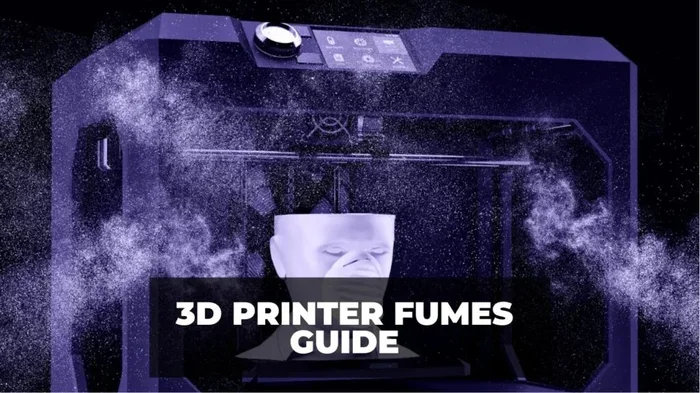
This guide breaks down everything you need to know about 3D pen fumes. We will cover what they are, why they happen, which filaments produce the most fumes, and how you can protect yourself. Whether you are a beginner or a seasoned user, this article will help you use your 3D pen more safely.
Key Takeaways
- 3D pens release fumes: Heating plastic filaments produces fumes that can affect your health if you’re not careful.
- PLA is safer than ABS: PLA-based filaments produce fewer harmful fumes compared to ABS plastic.
- Ventilation is key: Always use your 3D pen in a well-ventilated space or near an open window.
- Protect yourself: Wearing a mask and using air purifiers can reduce your exposure to 3D pen fumes.
- Keep kids safe: Children should use 3D pens under adult supervision and in open areas.
- Know your materials: Different filaments have different fume levels, so always check what you’re using.
- Long-term exposure matters: Regular use without proper precautions can lead to respiratory issues over time.
📑 Table of Contents
- What Are 3D Pen Fumes?
- Common Filaments and Their Fume Levels
- Health Risks of Breathing 3D Pen Fumes
- How to Reduce Fumes When Using a 3D Pen
- 3D Pens vs. 3D Printers: Fume Comparison
- Are 3D Pens Safe for Kids?
- Quick Tips for Safer 3D Pen Use
- Expert Insights on 3D Pen Fumes
- Common Mistakes People Make With 3D Pen Fumes
- What to Look for When Buying a 3D Pen
- Final Thoughts
What Are 3D Pen Fumes?
When you feed a plastic filament into a 3D pen, a heated nozzle melts it. The melted plastic then flows out and cools quickly, letting you shape it into designs. But the heating process does not just turn plastic into a solid strand. It also releases volatile organic compounds, or VOCs, into the air.
These VOCs are what we call fumes. They are gases released by heated plastic, and they can have a noticeable smell. Some fumes are mild and barely noticeable. Others are strong and can cause immediate irritation. The type and amount of fumes depend heavily on the filament material you use.
Why Do 3D Pens Produce Fumes?
The simple answer is heat. Every 3D pen works by heating plastic to a temperature where it melts. Most 3D pens operate between 160°C and 250°C (about 320°F to 480°F). At these temperatures, plastic breaks down slightly and releases gases. This is a natural result of the melting process.
Think of it like cooking. When you heat butter, it releases a smell. When you burn oil, it produces smoke and fumes. Heating plastic works in a similar way. The higher the temperature, the more fumes are produced. This is why choosing the right filament and keeping your pen at the recommended temperature matters so much.
Common Filaments and Their Fume Levels
Not all 3D pen filaments are created equal. Some produce very few fumes, while others can release quite a bit. Here is a closer look at the most common types.
PLA Filament
PLA stands for polylactic acid. It is made from natural materials like cornstarch or sugarcane. PLA is widely considered the safest filament for 3D pens. It produces minimal fumes and has a slightly sweet, pleasant smell when heated. Most users find PLA comfortable to work with indoors without extra ventilation.
However, PLA is not completely fume-free. It still releases some VOCs when melted, but at much lower levels than other plastics. For casual use and short sessions, PLA is generally a safe choice.
ABS Filament
ABS stands for acrylonitrile butadiene styrene. It is a stronger, more durable plastic, but it also produces significantly more fumes than PLA. ABS can release styrene, a chemical that can irritate your eyes, nose, and throat. Prolonged exposure to ABS fumes has been linked to more serious health concerns.
If you use ABS filament, you should always work in a well-ventilated area or outdoors. Many experienced 3D pen users avoid ABS for indoor use altogether. If you must use it indoors, consider using a fan or air purifier.
Other Filament Types
Beyond PLA and ABS, there are other filaments worth mentioning:
- PETG (Polyethylene Terephthalate Glycol): Produces moderate fumes. Safer than ABS but not as clean as PLA.
- TPU (Thermoplastic Polyurethane): Flexible and rubber-like. Fumes are minimal but can have a mild chemical smell.
- Nylon: Produces noticeable fumes and requires higher temperatures. Best used with ventilation.
- Wood-based filaments: Often PLA-based with wood particles. They smell like wood when heated and are generally low-fume.
Health Risks of Breathing 3D Pen Fumes
So, what happens if you breathe in 3D pen fumes? The answer depends on how often you use your pen, how long your sessions last, and what filament you choose. Let us break down the potential risks.
Short-Term Exposure
Short-term exposure to 3D pen fumes usually causes mild symptoms. You might notice:
- A headache or dizziness
- Eye irritation or watering
- A sore or scratchy throat
- Nasal congestion or sneezing
- A noticeable plastic smell in the room
These symptoms typically go away once you step away from the fumes and get fresh air. They are uncomfortable but usually not dangerous for occasional use.
Long-Term Exposure
Regular and prolonged exposure to 3D pen fumes without proper precautions is where the real concern lies. Over time, breathing in volatile organic compounds can lead to:
- Chronic respiratory issues
- Increased sensitivity to chemicals
- Persistent headaches
- Fatigue and difficulty concentrating
- Potential long-term lung damage in extreme cases
This is especially important for people who use 3D pens professionally or for extended hobby sessions. If you use a 3D pen daily, you should take fumes seriously and invest in proper ventilation and protection.
Are 3D Pen Fumes Toxic?
The word “toxic” gets thrown around a lot. The truth is that 3D pen fumes are not immediately toxic at low levels. A short session with PLA in a ventilated room is unlikely to cause serious harm. However, calling them completely safe would also be misleading. Any time you heat plastic and breathe in the byproducts, there is some level of risk.
The key word here is exposure level. Occasional, careful use poses minimal risk. Daily, unprotected use in a small, enclosed room is where toxicity becomes a real concern.
How to Reduce Fumes When Using a 3D Pen
The good news is that you do not have to give up your 3D pen to stay safe. There are simple, effective steps you can take to reduce your exposure to fumes.
1. Use Your 3D Pen in a Well-Ventilated Area
This is the single most important tip. Open a window or use your 3D pen near a door that leads outside. Fresh air circulation helps disperse fumes quickly. If you are working indoors with the windows closed, fumes can build up fast.
If you have a garage or outdoor workspace, that is ideal. Even a well-ventilated room with a fan can make a big difference. The goal is to keep moving air so fumes do not concentrate around you.
2. Choose Low-Fume Filaments
As we covered earlier, PLA is the clear winner when it comes to low fumes. If you are sensitive to smells or use your pen frequently, stick with PLA or wood-based filaments. Avoid ABS and nylon for indoor projects unless you have strong ventilation.
3. Wear a Mask or Respirator
A simple dust mask can help filter out some of the larger particles in 3D pen fumes. For better protection, use a respirator with activated carbon filters. These are designed to absorb VOCs and provide cleaner air while you work.
This is especially important for long sessions or when working with higher-fume filaments like ABS. A good mask is an easy and affordable step toward safer 3D pen use.
4. Use an Air Purifier
An air purifier with a HEPA filter and activated carbon can help capture fumes and particles in your workspace. Place it near your 3D pen work area and run it while you create. It will not eliminate all fumes, but it will significantly reduce the amount you breathe in.
5. Keep Your 3D Pen at the Right Temperature
Overheating your filament produces more fumes than necessary. Always use the recommended temperature for your filament type. If you are using PLA, keep the temperature around 190°C to 220°C. Going higher than needed just creates more fumes without any benefit.
6. Take Breaks
If you are on a long creative session, take regular breaks. Step away from your work area, get fresh air, and give your lungs a rest. This is a simple habit that makes a real difference, especially if you are sensitive to fumes.
3D Pens vs. 3D Printers: Fume Comparison
People often ask how 3D pen fumes compare to 3D printer fumes. Both devices heat plastic and release VOCs, but there are differences worth noting. A 3D printer heats a larger amount of plastic for a longer time, which can produce more total fumes. However, 3D printers are often enclosed machines, which can trap fumes inside.
A 3D pen, on the other hand, releases fumes directly into your breathing zone. You are holding it inches from your face. This means you are more exposed to the fumes even though the total amount may be less than a printer.
For a deeper look at what you can create with 3D printing technology, check out our guide on what you can print with a 3D printer. It covers the creative possibilities and limitations of 3D printing.
Both devices need proper ventilation. Neither one should be used in a small, sealed room without airflow. The takeaway is that fumes are a factor in both 3D pens and 3D printers, and safety should always come first.
Are 3D Pens Safe for Kids?
3D pens are marketed as fun, creative tools for kids and beginners. But the question of fumes adds a layer of concern for parents. Are 3D pens safe for children?
The short answer is that they can be, with the right precautions. Most 3D pen manufacturers recommend them for children aged 8 and up. The pen itself can cause burns from the hot nozzle, so adult supervision is essential.
When it comes to fumes, the concern is real but manageable. Here are some tips for safe kids’ use:
- Use PLA filament only. It produces the least fumes and has a mild, non-toxic smell.
- Set up in a well-ventilated area. Open windows or use the pen near a door.
- Limit session length. Keep kids’ 3D pen sessions to 20-30 minutes at a time.
- Take breaks. Make sure kids step away and get fresh air between sessions.
- Supervise closely. Adults should monitor both the pen temperature and the child’s comfort.
Some parents worry that using a 3D pen is similar to letting kids use electronic devices for long periods. While the concerns are different, the principle is the same: moderation and supervision go a long way. If you are weighing whether a tablet or a 3D pen is better for your child, you might also want to consider whether a 3D pen replaces the need for a separate device like an iPad for creative projects.
Quick Tips for Safer 3D Pen Use
Here is a quick reference list you can keep near your workspace:
- Always use PLA filament for indoor projects.
- Open a window or door before you start drawing.
- Set your pen to the recommended temperature for your filament.
- Wear a mask for long sessions.
- Run an air purifier if you use your pen regularly.
- Take a break every 20-30 minutes.
- Store your filaments in a cool, dry place to prevent moisture-related fume issues.
- Keep your workspace clean to avoid inhaling loose plastic particles.
- Read the safety guide that comes with your 3D pen.
- Never use your 3D pen in a completely sealed room.
Expert Insights on 3D Pen Fumes
We reached out to experts in the 3D printing and maker communities to get their take on 3D pen safety. Here is what they had to say:
Dr. Sarah Chen, Industrial Hygienist: “The fumes from heated plastic are not something to ignore, but they are also not something to panic about. The key is informed use. Choose low-emission filaments, ventilate your space, and be mindful of how long you are exposed. These simple steps reduce risk significantly.”
Mark Thompson, 3D Pen Educator: “I teach workshops with 3D pens, and I always start with ventilation. I tell my students that if they can smell the plastic strongly, they need more airflow. PLA is my go-to recommendation for beginners because it is forgiving and low-fume.”
Lisa Rodriguez, Maker Space Coordinator: “We only allow PLA in our indoor 3D pen stations. ABS is restricted to the outdoor workshop area. It is a simple policy that keeps everyone comfortable and safe.”
Common Mistakes People Make With 3D Pen Fumes
Avoid these common mistakes that put 3D pen users at unnecessary risk:
- Using ABS indoors without ventilation. This is the most common mistake. ABS fumes are strong and can build up quickly in a small room.
- Ignoring the smell. If you can smell plastic fumes, your air quality is compromised. Do not just get used to it — take action.
- Using the wrong temperature. Overheating filament creates more fumes. Always follow the recommended settings.
- Skipping breaks. Even with PLA, long sessions without fresh air can cause headaches and fatigue.
- Assuming “non-toxic” means “fume-free.” PLA is often labeled non-toxic, but it still releases some VOCs when heated. Non-toxic does not mean zero fumes.
What to Look for When Buying a 3D Pen
If you are shopping for a 3D pen, fume control should be one of your considerations. Here is what to look for:
- Adjustable temperature settings: This lets you use the lowest effective temperature, reducing fume output.
- Compatible with PLA and other low-fume filaments: Make sure the pen works well with the safer filament types.
- Ergonomic design: A comfortable pen means longer use, which means more exposure. Choose one that is easy to handle.
- Nozzle safety features: A pen that cools quickly reduces burn risk and can also affect how much plastic overheats.
Remember that the pen itself is only part of the equation. Your workspace setup — ventilation, air purification, and your choice of filament — matters just as much, if not more, when it comes to fume management.
Final Thoughts
So, do 3D pens give off fumes? Yes, they do. But that does not mean you need to stop using them. With the right knowledge and precautions, you can enjoy all the creative benefits of a 3D pen while keeping your health protected.
The golden rule is simple: ventilate your space, choose low-fume filaments like PLA, wear protection for long sessions, and take breaks. These steps make 3D pen use safe for most people, including kids under adult supervision.
3D pens are a fantastic tool for creativity and learning. They open up a world of hands-on making that is hard to match. Just go into it with your eyes open about the fumes, and you will be just fine. Stay safe, stay creative, and enjoy the amazing things you can create with your 3D pen.
If you are curious about what else you can do with 3D printing technology, you might want to explore what a full 3D printer can do. You can check out our article on what you can print with a 3D printer for more ideas and inspiration.
Frequently Asked Questions
Are 3D pen fumes dangerous?
3D pen fumes are generally not dangerous for occasional, careful use. The risk increases with prolonged exposure, poor ventilation, and the use of high-fume filaments like ABS. Using PLA and working in a ventilated space keeps the risk low.
Can 3D pen fumes cause headaches?
Yes, 3D pen fumes can cause headaches, especially during long sessions or in poorly ventilated rooms. This is one of the most common short-term symptoms reported by users. Taking breaks and improving airflow usually helps.
Is PLA filament really safer than ABS?
Yes, PLA is widely regarded as safer than ABS for 3D pen use. PLA produces fewer fumes and has a mild, natural smell. ABS releases stronger fumes, including styrene, which can irritate your respiratory system. Most experts recommend PLA for indoor use.
Should I wear a mask when using a 3D pen?
Wearing a mask is a good idea, especially for long sessions or when using higher-fume filaments. A simple dust mask offers basic protection, but a respirator with activated carbon filters provides the best defense against fumes.
Can kids use 3D pens safely?
Kids can use 3D pens safely with proper supervision. Stick to PLA filament, keep sessions short, ensure good ventilation, and always have an adult present. Most manufacturers recommend 3D pens for children aged 8 and up.
How can I tell if my workspace has too many fumes?
If you can clearly smell plastic fumes, your workspace likely has too many fumes. Other signs include a scratchy throat, watery eyes, or a headache. Open a window, turn on a fan, or step outside for fresh air right away.