Can You Use Fafsa Money To Buy Anything and Everything
Can you use FAFSA money to buy anything? The short answer is no — there are rules. Federal student aid is meant to cover education-related expenses like tuition, housing, and supplies. But understanding what qualifies can save you from penalties, repayment issues, and financial stress. This guide breaks it all down clearly.
Key Takeaways
- FAFSA funds have specific rules: They are intended for education-related expenses only, not for personal shopping sprees.
- Qualified expenses include tuition, room and board, books, and supplies: These are the core categories where FAFSA money can be used.
- Non-educational purchases can trigger issues: Misusing aid could lead to adjustments, repayment demands, or loss of future eligibility.
- Your school disburses funds directly: Money goes to your institution first to cover tuition and fees before anything reaches you.
- Smart budgeting matters: Even with available aid, planning your spending helps you avoid running out of money mid-semester.
- You can save leftover funds: Any remaining money after expenses can be used for reasonable living costs.
- Explore all aid options: Cutting monthly bills like cable frees up more money for your actual school needs.
📑 Table of Contents
- Can You Use Fafsa Money To Buy Anything and Everything?
- What Is FAFSA Money, Really?
- What Can FAFSA Money Actually Cover?
- What You Cannot Buy With FAFSA Money
- How FAFSA Funds Are Disbursed
- Common Mistakes Students Make With FAFSA Money
- Smart Spending Strategies for FAFSA Recipients
- What Happens If You Misuse FAFSA Funds?
- Conclusion
Can You Use Fafsa Money To Buy Anything and Everything?
Let’s get one thing straight right away. Can you use FAFSA money to buy anything? Not exactly. Federal student aid comes with guidelines. These rules exist for a reason. They make sure the money helps students actually pay for school.
Many first-time college students assume FAFSA cash works like a gift card. You know, swipe it and buy whatever you want. That’s not how it works. The federal government sets clear rules about what financial aid can cover. Understanding these rules early saves you from big headaches later.
In this guide, we walk through everything you need to know. We cover what FAFSA money can buy, what it cannot buy, and how to spend it wisely. Whether you’re a fresh high school graduate or a returning adult learner, this info matters to you.
What Is FAFSA Money, Really?
FAFSA stands for the Free Application for Federal Student Aid. It is not a scholarship. It is not a gift. It is a gateway to federal funding programs. These programs include grants, work-study, and federal student loans.
When you submit your FAFSA, the Department of Education looks at your expected family contribution. This number helps determine how much aid you qualify for. Your school then puts together a financial aid package just for you.
The money itself does not land in your bank account. Instead, your school receives it first. They apply it directly to your tuition and fees. Only after those bills are paid does any leftover money reach you. This process is called disbursement, and it matters a lot.
Types of Federal Student Aid
Not all FAFSA money is the same. There are different types of aid, and each has its own purpose.
- Pell Grants: Free money for students with financial need. You do not repay this.
- Federal Supplemental Educational Opportunity Grants (FSEOG): Another grant for students with exceptional need.
- Direct Subsidized Loans: Government pays the interest while you’re in school.
- Direct Unsubsidized Loans: Interest accrues from the start. You pay it back after graduation.
- Federal Work-Study: Part-time jobs that help you earn money for school costs.
Each type of aid has specific aid eligibility rules. Your dependency status also plays a big role. Dependent students need parent income information. Independent students report their own finances. Both paths lead to different aid amounts.
What Can FAFSA Money Actually Cover?
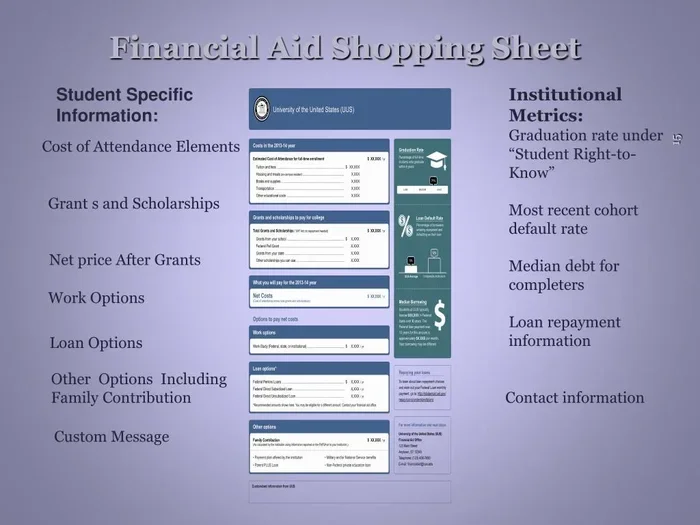
Here is the good news. FAFSA money covers a wide range of education expenses. The Department of Education defines these as “cost of attendance” items. Let’s break them down.
Tuition and Fees
This is the biggest and most obvious use. Your tuition fees get paid directly by your school. The same goes for mandatory fees like lab fees or technology fees. You do not get to skip this part because it is automatic.
If your aid exceeds your tuition costs, the extra amount moves to the next category. If it does not cover everything, you owe the difference.
Room and Board
Whether you live on campus or off campus, housing costs count. On-campus housing is straightforward. The school applies your aid to your dorm charges.
Off-campus housing is a bit different. Your school still calculates a room and board allowance. You receive any leftover funds and use them for rent, utilities, and groceries. This is where student budgeting becomes critical.
Books and Supplies
Every student needs textbooks. Some classes also require specific supplies. Calculators, lab gear, art materials — these all count. FAFSA money can cover these items without any problem.
Pro tip: Buy used textbooks when possible. Rent them online. This stretches your financial aid further and keeps more cash in your pocket.
Transportation Costs
Getting to and from school costs money. Bus passes, gas, parking permits, and even flights home count. Your school builds a transportation allowance into your cost of attendance. Use your remaining funds wisely here.
Computer and Technology
You can use FAFSA money for a computer if it is needed for school. This includes laptops, tablets, and internet access. Many students rely on technology for research, writing papers, and attending online classes.
However, this does not mean you can buy the latest gaming setup. The item must serve a clear academic purpose. Keep your receipts and be ready to justify purchases if asked.
What You Cannot Buy With FAFSA Money
This is where many students run into trouble. Can you use FAFSA money to buy anything outside of education? The answer is a firm no. Here is what you should avoid.
Luxury Items and Personal Shopping
Designer clothes, fancy electronics, and expensive vacations do not qualify. Federal aid is not a shopping budget. It exists to remove financial barriers to education. Using it for luxury items violates federal rules.
Think about it this way. Your aid is meant to help you focus on school. It is not meant to fund a lifestyle beyond what you can afford.
Non-Academic Subscriptions and Services
Streaming services, gym memberships, and club subscriptions are personal expenses. They do not fall under academic expenses. While some might seem harmless, misusing funds can have consequences.
For example, if you are trying to save money on entertainment at home, look into alternatives to Dish Network and DirecTV that cost less. Cutting non-essential bills frees up your FAFSA funds for what really matters.
Investing or Paying Off Debt
You cannot use FAFSA money to invest in stocks or pay off credit card debt. The funds are earmarked for your education. Using them for other financial goals is not permitted and could be considered fraud.
How FAFSA Funds Are Disbursed
Understanding disbursement helps you plan better. The money does not just appear in your wallet. There is a process.
First, your school receives the funds from the federal government. Then, they apply the money to your outstanding balance. This covers tuition, fees, and any other school charges. What remains is your student refund.
Your school will issue this refund to you. It might come as a check, a direct deposit, or a prepaid card. The timing varies by school, but it usually happens a few weeks into the semester.
Here is the key point. Once the refund hits your account, the temptation to spend it on non-essentials rises. Resist that urge. Every dollar counts when you are a student on a tight budget.
Quick Tips for Managing Your Refund
- Wait at least a week before spending any refund money.
- Make a list of all remaining school-related expenses.
- Open a separate savings account for your education funds.
- Track every purchase related to school.
- Set a weekly budget for personal spending from your refund.
Common Mistakes Students Make With FAFSA Money
Even well-meaning students make missteps. Here are the most common ones to avoid.
Assuming All Aid Is Free Money
Grants and scholarships are free. Loans are not. Many students forget this distinction. They treat all FAFSA money as if it does not need to be repaid. That is a dangerous assumption.
Federal student loans must be repaid with interest. Starting repayment early — even while in school — saves you money over time.
Overspending on Housing
Some students use their refund to upgrade their living situation. They move into a fancy apartment or pay for luxury furniture. This stretches funds thin and leaves nothing for textbooks or food.
Keep your housing simple. Focus on affordability. Your future self will thank you.
Ignoring School Refund Policies
Every school handles refunds differently. Some deposit funds automatically. Others require you to request them. If you miss a deadline, you might wait weeks for your money.
Contact your school’s financial aid office early. Ask about their disbursement schedule and refund procedures. Stay proactive.
Smart Spending Strategies for FAFSA Recipients
Now that you know what you can and cannot buy, let’s talk about smart spending. Making your FAFSA funds last requires planning and discipline.
Create a Student Budget
Sit down before the semester starts. Write out all your expected expenses. Include tuition, housing, food, books, and transportation. Then compare that number to your total aid. The gap tells you how much you have left to manage.
A simple budget keeps you on track. It prevents surprise shortfalls and helps you make informed decisions.
Buy Only What You Need
Before purchasing anything, ask yourself one question. Is this essential for my education? If the answer is no, skip it. There will always be time for non-essential purchases after graduation when you have a steady income.
For dorm room essentials, keep it practical. You do not need a baby monitor for your dorm room, and while some parents worry about staying connected, most baby monitors connected to Wi-Fi are designed for home use, not campus life. Focus on what helps you succeed academically.
Take Advantage of Student Discounts
Many stores and services offer student discounts. Software companies, tech retailers, and even grocery stores sometimes have deals. Always carry your student ID and ask about discounts before paying full price.
These small savings add up over a semester. They leave more of your FAFSA funds available for true necessities.
What Happens If You Misuse FAFSA Funds?
This is a serious topic. Federal student aid comes with rules. Breaking those rules has consequences.
If your school discovers that you used aid for non-educational purposes, they may adjust your financial aid package. You could lose eligibility for future aid. In severe cases, the Department of Education may investigate.
For loan recipients, misusing funds does not erase your debt. You still owe the full amount plus interest. The government takes federal aid fraud seriously. It is simply not worth the risk.
Key Takeaways
- FAFSA funds are for education expenses only. Stick to tuition, housing, books, and related costs.
- Your school disburses aid first. Tuition gets paid before you see any money.
- Refunds are not free money. Treat them with the same care as your original aid.
- Loans must be repaid. Do not treat all FAFSA money as a gift.
- Misuse can cost you future aid. Protect your eligibility by spending responsibly.
Conclusion
Can you use FAFSA money to buy anything and everything? The answer is a clear no. Federal student aid is a powerful tool. It opens doors to higher education for millions of students every year. But that power comes with responsibility.
Use your financial aid for its intended purpose. Pay for tuition, housing, books, and other education-related costs. Avoid the temptation to spend on non-essentials. Your future self will be grateful for the discipline.
Budget carefully. Track your spending. Ask questions when you are unsure. Your financial aid office is there to help. Reach out whenever you need guidance. Making smart choices with your FAFSA funds today sets you up for a stronger financial tomorrow.
College is a big step. It is also a big investment. Treat your aid like the investment it is. Spend wisely. Plan ahead. And remember — the goal is to graduate with knowledge, skills, and as little debt as possible.
Frequently Asked Questions
Can I use FAFSA money for off-campus housing?
Yes, FAFSA funds can cover off-campus housing costs. Your school includes a room and board allowance in your cost of attendance. Any leftover aid after tuition is paid can go toward rent and utilities. Just keep your spending reasonable and focused on your education.
Do I have to pay back FAFSA money?
It depends on the type of aid. Grants like the Pell Grant do not need repayment. Federal work-study earnings are yours to keep. However, federal student loans must be repaid with interest. Always check your aid award letter to understand what you received.
What happens if I have leftover FAFSA money after paying tuition?
Your school issues a refund for any remaining balance. You can use this refund for education-related expenses like books, transportation, and living costs. It is best to save or budget carefully rather than spend it on non-essentials.
Can I use FAFSA funds to buy a laptop?
Yes, if the laptop is needed for school. Federal aid covers technology expenses that support your education. Keep your purchase reasonable and avoid luxury models. Your school may also offer refurbished computers at discounted prices.
Will my school know how I spend my FAFSA refund?
Schools do not typically track how you spend your refund. However, they do monitor how aid is used overall. Misusing funds can lead to adjustments in your future aid packages. It is always best to spend responsibly and keep records of major purchases.
Can I lose my FAFSA eligibility for buying non-educational items?
Yes, misusing federal aid can affect your eligibility. Schools may adjust your aid package or report violations. Repeated misuse could result in losing future federal student aid. Always use FAFSA funds for their intended educational purposes.