Can You Roll A Projector Screen Without Damaging It
Yes, you can roll a projector screen, but only if you follow the right method for your specific screen type. Manual and electric screens handle rolling very differently, and using the wrong technique can cause permanent damage to the projection surface. This guide covers everything you need to know about rolling a projector screen safely, from material types to common mistakes you must avoid.
You just finished watching a movie on your home theater setup, and now it is time to put everything away. But then you pause. Can you actually roll up your projector screen without ruining it? This question might seem simple, but the answer depends on several factors that most people overlook. Whether you own a portable projector screen or a ceiling mounted setup, understanding how to handle your screen properly saves you money and headaches.
Many people assume all projector screens work the same way. They pull them down, use them, and then roll them back up without a second thought. But this assumption can lead to cracked materials, permanent wrinkles, and ruined projection surfaces. The good news is that with the right knowledge, you can keep your screen in excellent condition for years. In this guide, we walk you through everything you need to know about rolling a projector screen safely, including the different screen types, proper techniques, and common mistakes to avoid.
Key Takeaways
- Not all projector screens are designed to be rolled: Fixed frame screens should never be rolled, while retractable and portable screens are built for it.
- Rolling direction matters: Always roll the screen outward from the center to prevent wrinkles and material warping.
- Material type determines care: PVC, fabric, and ALR screens each have specific rolling and storage requirements.
- Electric screens need special handling: Never force a motorised screen to roll manually, as this can damage the internal mechanism.
- Proper storage extends screen life: Storing your screen in a cool, dry place and avoiding tight rolls prevents long-term damage.
- Wrinkles can often be fixed: Heat and gentle tension can remove minor creases without harming the projection surface.
📑 Table of Contents
- Understanding Your Projector Screen Type
- How Different Screen Materials React to Rolling
- The Right Way to Roll a Projector Screen
- Common Mistakes That Damage Projector Screens
- Tips for Extending Your Projector Screen Life
- When Rolling Is Not the Right Solution
- Frequently Asked Questions
- Final Thoughts
Understanding Your Projector Screen Type
Before you even think about rolling your screen, you need to know what type you have. Different screens are built with different materials and mechanisms. Treating every screen the same way is the fastest way to cause damage. Let us break down the most common types you will encounter.
Fixed Frame Screens
Fixed frame screens are exactly what they sound like. They stretch tightly over a rigid frame, much like a giant picture frame on your wall. These screens are not designed to be rolled at all. The material is pulled taut and secured around the edges. If you try to roll a fixed frame screen, you will likely crack the material, create permanent folds, or damage the frame itself. If you have a fixed frame screen, leave it alone. It stays up permanently, similar to how you would treat a mounted television.
If you need a screen that can be rolled up, you should look into retractable or portable options. Fixed screens offer the best image quality because the surface remains perfectly flat, but they sacrifice flexibility. This is a trade off worth understanding before you buy.
Retractable Screens
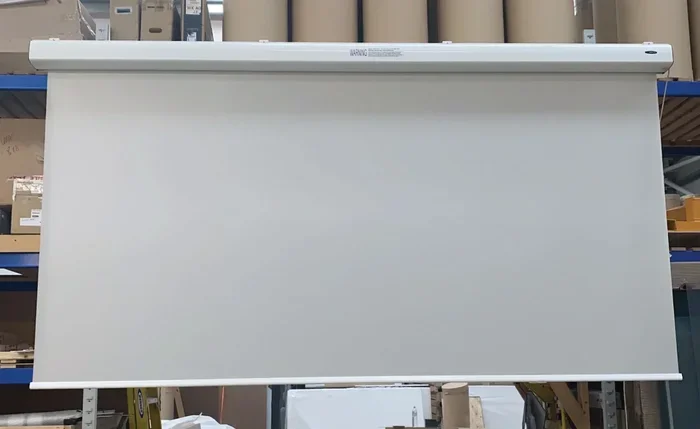
Retractable screens are the most common type for people who ask about rolling. These screens roll up into a casing or housing, usually mounted on a ceiling or wall. They come in both manual and electric versions. Manual retractable screens have a spring mechanism that helps the screen roll back up when you release it. Electric retractable screens use a motor to roll the screen up and down at the push of a button.
The key advantage of retractable screens is their convenience. You can roll them down when you want to watch something and roll them back up when you are done. They are perfect for people who use their living room for multiple purposes. But they do require proper care. Rolling them too fast, pulling them at an angle, or forcing them when they are stuck can all cause problems over time.
Portable and Tripod Screens
Portable screens are the most flexible option. They usually come with a tripod stand and a screen that can be rolled or folded for transport. These screens are popular among people who travel, host outdoor movie nights, or want a temporary setup without permanent installation. Most portable screens use a soft fabric material that can handle rolling without much trouble. However, you still need to be gentle with them to avoid creating permanent creases.
If you are looking for a screen that can double as a DIY projection surface, some people even build their own using portable frames and projection material. This brings us to an important point about screen materials and how they respond to rolling.
How Different Screen Materials React to Rolling
Not all projector screen materials are created equal. The material your screen is made from determines how it handles rolling, how well it resists wrinkles, and how long it will last. Let us look at the most common materials and what you need to know about each one.
PVC and Vinyl Screens
PVC screens are durable and easy to clean, which makes them a popular choice for home theaters and classrooms. They handle rolling fairly well because the material is flexible and resistant to cracking. However, PVC screens can develop permanent creases if you roll them too tightly or store them in a rolled position for extended periods. The material also has a memory, meaning it will try to return to its rolled shape even after you unroll it. To minimize this, avoid keeping a PVC screen rolled up for more than a few days at a time.
Fabric and Textile Screens
Fabric screens offer the best image quality for most home theater setups. They provide a natural texture that enhances color accuracy and contrast. However, fabric is more delicate than PVC. Rolling a fabric screen too aggressively can cause the fibers to bunch up, leading to visible wrinkles on the projection surface. Always roll fabric screens gently and avoid sharp bends. If your fabric screen does develop wrinkles, you can usually fix them with a low heat setting on an iron and a light mist of water.
ALR (Ambient Light Rejection) Screens
ALR screens are designed to reject ambient light and improve contrast in bright rooms. These screens use special coatings and microstructures to direct light back toward the viewer. The coatings on ALR screens are sensitive, and improper rolling can scratch or peel the surface. If you own an ALR screen, check the manufacturer guidelines before rolling it. In most cases, ALR screens should be rolled loosely and never stored in a tight roll. The investment in an ALR screen is significant, so taking extra care with handling makes a big difference in longevity.
Gray and High Gain Screens
Gray screens enhance contrast by absorbing ambient light while reflecting the projected image. High gain screens reflect more light back toward the projector, making them brighter. Both types can be rolled, but they share the same vulnerability as other specialty materials. The coatings and surface treatments can crack or peel if the screen is rolled too tightly or stored improperly. Treat these screens with extra care and always follow the manufacturer recommendations.
The Right Way to Roll a Projector Screen
Now that you understand your screen type and material, let us talk about the actual process of rolling. The technique you use matters just as much as the screen itself. Following the correct method prevents damage and extends the life of your projection surface.
Step by Step Rolling Guide
Here is the proper way to roll most retractable and portable projector screens:
- Turn off the projector and let the screen cool down. Projector lamps generate significant heat, and rolling a warm screen can cause the material to retain heat marks or warp slightly.
- Stand facing the screen directly. Do not roll from the side. Rolling from the front ensures even tension across the entire surface.
- Gather the bottom edge of the screen with both hands. Hold it loosely. Do not squeeze or bunch the material together.
- Roll the screen outward from the center. This means you roll it away from yourself in a smooth, even motion. Rolling inward toward the center creates uneven pressure and causes wrinkles.
- Maintain a loose roll. The screen should not be tightly compressed. A loose roll allows the material to breathe and prevents permanent creasing.
- Secure the rolled screen if needed. Some portable screens come with straps or clips. Use them to keep the roll from unraveling during storage.
Following these steps seems simple, but many people skip them and end up with a damaged screen. The biggest mistake is rolling too fast or pulling at an angle. Take your time and treat the screen gently.
What to Do If the Screen Gets Stuck
Sometimes a retractable screen will get stuck halfway. This can happen if the spring mechanism weakens, if the screen material gets caught, or if the housing becomes misaligned. When this happens, resist the urge to force it. Forcing a stuck screen can tear the material or break the internal mechanism. Instead, gently wiggle the screen while applying light pressure. If the screen still does not move, check for obstructions or contact the manufacturer for support. Forcing the issue almost always leads to costly repairs.
Common Mistakes That Damage Projector Screens
Even with the best intentions, people make mistakes when handling their projector screens. These errors are usually preventable, and knowing what not to do is just as important as knowing the right technique.
Rolling Too Tightly
This is the number one mistake people make. A tight roll puts excessive pressure on the material and the internal mechanism. Over time, tight rolling causes the screen to develop a permanent curl, cracks in the projection coating, and weak spots in the material. Always keep your roll loose and gentle. If the screen fits loosely in its casing or storage bag, that is the right fit.
Ignoring the Manufacturer Guidelines
Every projector screen comes with a user manual or set of care instructions. Most people throw these away without reading them. The manufacturer knows their product better than anyone else. If they say not to roll the screen a certain way, there is a good reason. Ignoring these guidelines can void your warranty and lead to premature damage. Take five minutes to read the instructions that came with your screen. It will save you money in the long run.
Storing the Screen in Humid or Hot Conditions
Where you store your screen matters just as much as how you roll it. Storing a rolled screen in a hot garage, damp basement, or direct sunlight can degrade the material over time. Heat causes PVC and fabric to become brittle, while moisture promotes mold and mildew. Store your screen in a cool, dry place, ideally in its original packaging or a protective bag. If you are setting up a temporary outdoor movie night, bring the screen inside as soon as you are done.
Using Harsh Cleaning Products Before Rolling
Some people clean their projector screens with household cleaners or abrasive cloths. This can leave residues that weaken the projection surface. When you roll a screen that has chemical residue on it, you press those chemicals into the material, which can cause discoloration and texture changes. Always use a soft microfiber cloth and a screen-safe cleaning solution. A damp cloth with plain water works for most fabric screens. For PVC screens, a mild soap solution is usually safe.
Forcing Electric Screens Manually
If you have an electric retractable screen, never try to roll it by hand when the motor is not working. Electric screens have internal gears, ribbons, and motors that are designed to work together. Forcing the screen manually can strip gears, damage the motor, or bend the roller tube. If your electric screen stops working, turn it off and contact a professional for repair. Attempting a DIY fix on a motorised screen almost always makes things worse.
Tips for Extending Your Projector Screen Life
Taking care of your projector screen does not have to be complicated. A few simple habits can add years to the life of your screen and keep your image quality sharp. Here are some practical tips that make a real difference.
- Unroll the screen fully after each use. Leaving a screen partially rolled for long periods creates stress points that lead to permanent creases.
- Dust the screen regularly. Use a soft microfiber cloth to gently wipe down the surface before and after use. Dust buildup can affect image clarity and attract more particles over time.
- Avoid touching the projection surface with bare hands. Oils from your skin can leave marks on the screen material and attract dust. If you need to handle the screen, wear clean cotton gloves.
- Inspect the screen for damage periodically. Catching small tears or peeling edges early prevents them from getting worse. A tiny tear can spread quickly if the screen is rolled over it repeatedly.
- Use a screen protector or carrying case. If you transport your screen frequently, a protective case prevents scratches, dents, and accidental damage. This is especially important for portable and tripod screens.
- Replace worn screens when needed. No matter how well you care for a screen, it will eventually wear out. If you notice significant color fading, texture changes, or persistent wrinkles, it may be time to invest in a replacement.
For those who like to experiment with their setup, you might also consider whether you can use alternative surfaces as a projection area. Some people explore options like painting a wall or using different materials to create a custom screen. If you are curious about alternatives, you can check out whether you can use blackout curtains as a projector screen or even make your own projector screen at home. These options give you more flexibility in how you set up your viewing experience.
When Rolling Is Not the Right Solution
There are times when rolling your projector screen is simply not the best option. Understanding when to avoid rolling helps you protect your investment and maintain the best possible image quality.
If your screen has visible damage such as tears, peeling edges, or deep creases that will not come out, rolling it will only make things worse. A damaged screen should be repaired or replaced before being stored. Similarly, if you notice the material has become brittle or the projection surface has changed texture, rolling it can cause further degradation. In these cases, it is better to keep the screen laid flat or mounted in place until you can address the issue.
Another situation where rolling is not ideal is during long term storage. If you plan to store a retractable screen for more than a few weeks, it is better to keep it fully unrolled and laid flat. Rolling a screen for extended periods puts constant pressure on the same area, which can cause the material to lose its elasticity. If you must store a screen in a rolled position, unroll it periodically to relieve the tension and prevent permanent deformation.
For those who have their projector mounted on a wall or ceiling, you might also wonder about the best placement and setup. You can learn more about wall mounting options in our guide on using a projector on your wall. Proper projector placement reduces the need to move and roll your screen frequently, which in turn extends its lifespan.
Frequently Asked Questions
Can You Roll Up a Projector Screen Without Damaging It?
Yes, you can roll up a projector screen without damaging it, but only if the screen is designed to be rolled. Retractable and portable screens are built for repeated rolling and unrolling. Fixed frame screens should never be rolled. Always roll gently, keep the roll loose, and follow the manufacturer guidelines for your specific screen type to prevent damage.
How Do You Store a Projector Screen After Rolling It Up?
Store your rolled projector screen in a cool, dry place away from direct sunlight. Use the original packaging or a protective carrying bag if possible. Avoid storing the screen in a tightly rolled position for long periods, as this can create permanent creases. If you are storing the screen for more than a few weeks, consider laying it flat instead of rolling it.
What Happens If You Roll a Projector Screen the Wrong Way?
Rolling a projector screen the wrong way can cause wrinkles, material warping, and permanent creases. It can also put stress on the internal mechanism of retractable screens, leading to sticking or malfunction. Over time, improper rolling can crack the projection coating and reduce image quality. Always roll from the center outward in a smooth, even motion.
Can You Iron a Wrinkled Projector Screen?
Yes, you can often remove wrinkles from a fabric projector screen using a household iron on a low heat setting. Place a thin cloth between the iron and the screen, and use a light mist of water to help smooth out the wrinkles. Never iron PVC or ALR screens directly, as the heat can damage the special coatings. Always test a small, hidden area first before treating the entire screen.
How Often Should You Replace a Projector Screen?
The lifespan of a projector screen depends on the material, how often you use it, and how well you care for it. A well maintained fabric screen can last 10 years or more. PVC screens may last 5 to 8 years with regular use. ALR screens are more delicate and may need replacement sooner if the coating degrades. Replace your screen when you notice significant color fading, texture changes, or persistent wrinkles that cannot be removed.
Is It Safe to Roll an Electric Projector Screen by Hand?
No, it is not safe to roll an electric projector screen by hand when the motor is not functioning. Electric screens contain internal gears, motors, and ribbon cables that can be easily damaged by manual force. Forcing the screen by hand can strip the gears, bend the roller tube, or break the motor. If your electric screen stops working, turn it off and contact a professional technician for repair.
Final Thoughts
So, can you roll a projector screen? The short answer is yes, but with important caveats. Your screen type, material, and rolling technique all determine whether rolling is safe. Fixed frame screens should never be rolled. Retractable and portable screens can be rolled, but only with gentle, proper technique. The material matters too. PVC handles rolling better than fabric, while ALR and high gain screens require extra caution due to their sensitive coatings.
Taking a few extra minutes to roll your screen correctly and store it properly pays off in the long run. You will enjoy a better projection surface, fewer wrinkles, and a longer lasting setup. The small effort of proper care makes a huge difference in the quality of your viewing experience. Whether you are setting up a casual movie night or a dedicated home theater, treating your projector screen with respect ensures it performs at its best every time you use it.
Remember, your projector screen is an investment. Treat it well, follow the guidelines in this article, and it will serve you beautifully for years to come. If you are exploring other projector setup options, consider learning about using a projector for window installations or projecting Netflix from your laptop to get the most out of your home entertainment system.