Can You Get Wireless Smoke Alarms For Your Home Today
Yes, you absolutely can get wireless smoke alarms for your home today. These modern wireless smoke detectors offer easy installation, smart home integration, and reliable fire safety without messy wiring. Whether you rent or own, wireless smoke alarms give you peace of mind with battery backup and interconnected alert features.
Have you been wondering if you can get wireless smoke alarms for your home? The answer is a resounding yes. In fact, wireless smoke detectors have become one of the most popular home safety upgrades in recent years. People everywhere are ditching old hardwired systems and switching to wireless smoke alarms that are easier to install and more reliable than ever before.
If you have been putting off updating your fire safety system, now is the perfect time. Modern wireless options are affordable, smart home compatible, and designed to keep your family safe around the clock. This guide covers everything you need to know about getting wireless smoke detectors for your home today. We will walk you through how they work, why they matter, and which ones are worth your money.
Whether you live in a small apartment or a large family home, there is a wireless smoke alarm solution that fits your needs. Let us dive in and explore what makes these devices such a smart choice for modern homeowners.
Key Takeaways
- Easy Installation: Wireless smoke alarms require no wiring, making setup quick and DIY-friendly for any homeowner.
- Smart Home Compatible: Many models connect to your phone, smart speakers, and home automation systems for real-time alerts.
- Interconnected Safety: When one alarm detects smoke, all alarms in the home sound together for full coverage.
- Battery Powered Options: You can find reliable wireless detectors that run on long-lasting batteries with low-battery warnings.
- Affordable Choices: Prices range from budget-friendly to premium, so there is a wireless smoke alarm for every home and budget.
- NFPA Compliance: Modern wireless alarms meet current fire safety codes and standards for home protection.
📑 Table of Contents
- What Are Wireless Smoke Alarms?
- Benefits of Wireless Smoke Alarms
- How to Choose the Right Wireless Smoke Alarm
- Installation Tips for Wireless Smoke Alarms
- Common Mistakes to Avoid
- Expert Insights on Wireless Smoke Alarm Safety
- Comparison: Wireless vs. Hardwired Smoke Alarms
- Quick Tips for Maximizing Your Wireless Smoke Alarm Performance
- Conclusion
What Are Wireless Smoke Alarms?
A wireless smoke alarm is a fire detection device that uses radio frequency signals to connect with other alarms in your home. Unlike traditional hardwired systems, these detectors do not need electrical wiring between units. Instead, they communicate through wireless signals, making them incredibly easy to set up and expand.
How Do They Work?
Each wireless smoke alarm contains a small radio transmitter and receiver. When one detector senses smoke, it sends a wireless signal to all linked units. Within seconds, every alarm in the network sounds off. This interconnected alert system ensures that no matter where you are in your home, you will hear the warning.
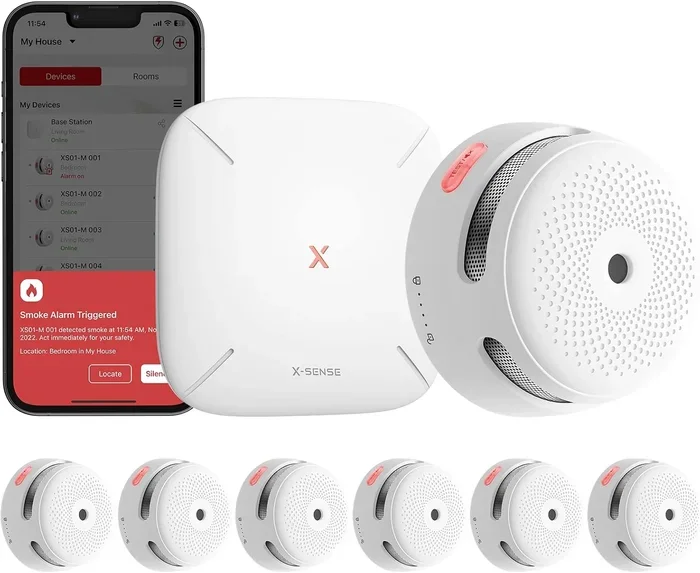
Most wireless detectors use RF technology or Zigbee wireless protocol to communicate. Some advanced models also connect to your home Wi-Fi network, allowing you to receive push notifications on your phone. This makes smart smoke alarms a powerful addition to any home automation setup.
Types of Wireless Smoke Detectors
Not all wireless smoke alarms are the same. Here are the main types you will find on the market:
- Battery-Powered Wireless Detectors: These run entirely on batteries. They are perfect for renters or homes without accessible wiring. Many models include a 10-year sealed battery that never needs replacement.
- Hardwired with Wireless Interconnect: These plug into your home’s electrical system but also communicate wirelessly with other units. They often include a battery backup for power outages.
- Smart Wireless Smoke Alarms: These connect to your Wi-Fi and work with voice assistants like Alexa and Google Home. You can monitor them from your phone and get instant alerts.
- Combination Smoke and CO Detectors: Some wireless models detect both smoke and carbon monoxide. These all-in-one units add an extra layer of home safety.
Benefits of Wireless Smoke Alarms
Switching to wireless smoke alarms offers real advantages over older systems. Here is why so many homeowners are making the switch.
Easy Installation
One of the biggest benefits is how simple installation is. You do not need to hire an electrician or drill through walls. Most wireless detectors mount to the ceiling with screws or adhesive strips. You screw them in, insert batteries, and they are ready to go. A complete smoke alarm installation can take less than 30 minutes for a standard home.
No Wiring Mess
Traditional hardwired alarms require running cables through walls and ceilings. This means holes, drywall repair, and often professional help. Wireless detectors eliminate all of that. They work anywhere you can mount them, giving you flexible placement options throughout your home.
Interconnected Protection
With wireless interconnected alarms, when one unit detects smoke, they all go off. This is a game-changer for larger homes or multi-story houses. You might be sleeping in a bedroom far from the kitchen, but you will still hear the alarm immediately. This interconnected smoke alarm network dramatically improves your family’s safety.
Smart Features and Remote Monitoring
Many modern wireless detectors include smart features that go beyond basic smoke detection. You can get voice alert smoke alarms that announce the location of the fire. Some models let you silence false alarms with a wave of your hand. Others send low-battery warnings and maintenance reminders straight to your phone.
When integrated into a smart home security system, wireless smoke alarms become part of a larger safety ecosystem. They can trigger smart lights, unlock doors, or send emergency alerts automatically.
Affordability
Wireless smoke alarms come in a wide range of prices. You can find reliable single units for under $30. A full set of interconnected detectors for a whole home typically costs between $100 and $300. Compare that to the cost of professional hardwired installation, and the savings are significant.
How to Choose the Right Wireless Smoke Alarm
With so many options available, picking the right wireless smoke detector can feel overwhelming. Here are the key factors to consider.
Check the Sensor Type
There are two main sensor types in smoke detectors:
- Photoelectric Sensors: These detect smoldering fires that produce a lot of smoke. They are great for slow-burning fires like those caused by cigarettes or electrical faults.
- Ionization Sensors: These respond faster to fast-flaming fires. They are better at detecting fires with open flames and quick spread.
- Dual Sensor Alarms: These combine both technologies for the most comprehensive protection. Many experts recommend dual sensor wireless smoke alarms for the best coverage.
Consider Battery Life
Battery life is a critical factor. Look for models with 10-year sealed batteries if you want to avoid frequent replacements. Standard battery-powered units typically last 1 to 3 years. The battery backup smoke alarm is a smart choice because it ensures your detector keeps working even during power outages.
Look for Interconnectivity
Make sure the alarms you buy are compatible with each other. Most brands use proprietary wireless protocols, so mixing brands can cause issues. Stick with one brand or system for your entire home to ensure seamless wireless interconnection.
Smart Home Compatibility
If you already use smart home devices, choose alarms that integrate with your ecosystem. Look for compatibility with Alexa, Google Assistant, Apple HomeKit, or Samsung SmartThings. This allows you to build a cohesive home automation setup that includes fire safety.
Certification and Standards
Always check that the alarm meets current safety standards. In the United States, look for UL certification or ETL listing. These labels confirm the detector has been independently tested and meets NFPA smoke alarm requirements. Do not skip this step, as certification ensures real reliability in an emergency.
Installation Tips for Wireless Smoke Alarms
Installing wireless smoke detectors is straightforward, but proper placement makes a big difference. Follow these tips for the best results.
Where to Place Your Alarms
- Install alarms in every bedroom and outside each sleeping area.
- Place detectors on every level of your home, including the basement.
- Mount alarms on the ceiling, at least 4 inches from the wall.
- If ceiling mounting is not possible, place the alarm on the wall between 4 and 12 inches from the ceiling.
- Keep alarms at least 10 feet away from cooking appliances to reduce false alarms.
- Avoid placing detectors near windows, fans, or air vents that can interfere with smoke detection.
How to Link the Alarms
Most wireless smoke alarms come with a simple linking process. Here is a general overview:
- Mount all alarms in their designated locations.
- Insert batteries or connect to power.
- Press and hold the link button on the first alarm until it beeps.
- Within 30 seconds, press and hold the link button on the next alarm.
- Repeat until all alarms are linked.
- Test the system by pressing the test button on any unit. All linked alarms should sound.
The exact steps vary by brand, so always read the manufacturer’s instructions. Most modern wireless smoke alarms include a quick-start guide that makes the process even easier.
Testing and Maintenance
Once installed, regular maintenance keeps your alarms working reliably:
- Test each alarm monthly by pressing the test button.
- Clean detectors gently with a vacuum or soft brush to remove dust.
- Replace batteries in non-sealed models when you hear the low-battery chirp.
- Replace the entire unit every 10 years, as recommended by most manufacturers.
Common Mistakes to Avoid
Even with wireless smoke alarms, mistakes can reduce their effectiveness. Here is what to watch out for.
Skipping Interconnection
Some homeowners buy wireless detectors but do not link them together. This defeats the purpose of having interconnected alarms. Always take the extra few minutes to pair all units so they communicate with each other.
Placing Alarms Too Close to Kitchens
Cooking smoke is the number one cause of false alarms. Placing a detector too close to the stove or toaster can trigger nuisance alerts. Keep a safe distance and consider using photoelectric smoke detectors in kitchen-adjacent rooms, as they are less sensitive to cooking fumes.
Ignoring Battery Replacement
If your wireless alarm uses removable batteries, do not ignore the low-battery warning. A chirping alarm is trying to tell you something. Replace the battery promptly to maintain continuous protection.
Buying Cheap, Uncertified Units
It is tempting to grab the cheapest option, but uncertified detectors may not perform reliably in a real fire. Always choose wireless smoke alarms that carry UL or ETL certification. Your family’s safety is not worth the risk of a cheap, untested product.
Forgetting to Replace Old Units
Smoke detectors degrade over time. Even if they seem to work, sensors lose sensitivity after 10 years. Mark your calendar for replacement and do not wait for a failure to remind you.
Expert Insights on Wireless Smoke Alarm Safety
Fire safety experts strongly recommend wireless smoke alarms as a reliable and practical solution for modern homes. The National Fire Protection Association (NFPA) advises installing smoke alarms in every bedroom, outside sleeping areas, and on every level of the home. Wireless interconnected systems make this easier than ever.
According to the NFPA, three out of five fire deaths occur in homes without working smoke alarms. Having a properly installed and maintained wireless smoke detector system significantly reduces this risk. Experts also emphasize the importance of combining smoke alarms with carbon monoxide detectors, since both threats can be present in any home.
Firefighters often note that wireless interconnected alarms give families more time to escape. When all alarms sound at once, everyone in the house is alerted immediately. This early warning can be the difference between a safe evacuation and a tragedy.
Comparison: Wireless vs. Hardwired Smoke Alarms
Let us look at how wireless detectors stack up against traditional hardwired systems.
| Feature | Wireless Smoke Alarms | Hardwired Smoke Alarms |
|---|---|---|
| Installation | Easy, DIY-friendly, no wiring | Requires professional electrician |
| Cost | $20 to $150 per unit | $50 to $200 per unit plus installation |
| Interconnection | Wireless signal, easy to set up | Wired connection between units |
| Portability | Easy to move or relocate | Difficult to move without rewiring |
| Smart Features | Many models support Wi-Fi and apps | Limited or no smart features |
| Battery Backup | Built-in battery backup standard | Battery backup available |
| Maintenance | Simple battery replacement or sealed 10-year | Requires testing and occasional wiring checks |
| Reliability | High, depends on battery and signal strength | High, depends on electrical system |
As you can see, wireless smoke alarms offer clear advantages in ease of use, cost, and smart features. Hardwired systems still have their place, especially in new construction, but wireless options are the go-to choice for most homeowners today.
Quick Tips for Maximizing Your Wireless Smoke Alarm Performance
- Use dual sensor technology for the broadest fire detection coverage.
- Link all units together so every alarm sounds when one detects smoke.
- Choose sealed 10-year batteries to eliminate battery maintenance headaches.
- Test alarms monthly and never ignore a low-battery warning.
- Add a carbon monoxide detector for complete home safety coverage.
- Integrate with your smart home system for remote monitoring and alerts.
- Replace units every 10 years to ensure optimal sensor performance.
Conclusion
The answer to the question “can you get wireless smoke alarms” is absolutely yes. Wireless smoke alarms are widely available, affordable, and incredibly effective at protecting your home and family. They offer easy installation, smart features, and interconnected safety that older hardwired systems simply cannot match.
Whether you are a renter looking for a simple battery-powered smoke detector or a homeowner building a full smart home security system, there is a wireless solution that fits your needs. The key is to choose certified, interconnected units and maintain them properly.
Do not wait for a fire to remind you how important working smoke alarms are. Take action today. Upgrade to wireless smoke alarms and give your family the protection they deserve. A few hours of effort now can save lives later.
Frequently Asked Questions
Can wireless smoke alarms work without Wi-Fi?
Yes, most wireless smoke alarms use radio frequency signals to communicate with each other and do not need Wi-Fi. Wi-Fi is only required if you want remote notifications on your phone or smart home integration. The core interconnected alarm function works independently of your internet connection.
How long do wireless smoke alarm batteries last?
Batteries in wireless smoke alarms typically last between 1 and 10 years depending on the model. Units with sealed 10-year batteries do not require any battery replacement during their lifespan. Standard removable battery models should have batteries replaced once a year or when the low-battery chirp sounds.
Are wireless smoke alarms as reliable as hardwired ones?
Yes, modern wireless smoke alarms are just as reliable as hardwired systems. They meet the same safety standards and certifications, including UL listing. The wireless signal technology is designed to be dependable, and many models include battery backup for added security during power outages.
Can I mix different brands of wireless smoke alarms?
It is best to use the same brand and model throughout your home. Different brands often use different wireless protocols that may not be compatible with each other. Sticking with one brand ensures seamless interconnection and reliable performance across all your detectors.
Do wireless smoke alarms need to be replaced?
Yes, like all smoke detectors, wireless units should be replaced every 10 years. The sensors inside degrade over time and become less effective. Check the manufacture date on the back of your unit and replace it once it reaches the 10-year mark, even if it still seems to work.
What is the difference between a smoke alarm and a smoke detector?
A smoke alarm contains both the sensor and the alarm sounder in one unit. A smoke detector refers only to the sensing component and is typically part of a larger fire alarm system. For most homes, wireless smoke alarms are the right choice because they are standalone units that detect smoke and sound the alert on their own.