Can You Check Wifi Signal Strength On Iphone Step By Step
You can easily check wifi signal strength on iPhone using built-in tools, hidden field test mode, and third-party apps. Whether you are dealing with slow internet or weak connections, knowing your signal strength helps you troubleshoot faster. This guide walks you through every method, explains the numbers behind the bars, and gives practical tips to improve your wifi connection on any iPhone model.
Have you ever wondered can you check wifi signal strength on iPhone and actually get useful results? It is a question many iPhone users ask when their internet starts acting up. Maybe your videos keep buffering, or your downloads crawl to a halt. Whatever the reason, knowing your wifi signal strength can save you a lot of frustration.
The good news is that Apple makes it surprisingly easy to check this on your device. You do not need to be a tech expert. Whether you are using the latest iPhone 15 or an older model, the steps are simple and straightforward. This guide will show you every method, explain what the numbers mean, and give you real tips to boost your signal.
Let us dive right in and explore how you can take control of your wifi connection starting today.
Key Takeaways
- Multiple Methods Available: You can check wifi signal strength on iPhone using the standard settings menu, the hidden field test mode, and dedicated third-party apps.
- dBm Numbers Matter: Understanding the decibel-milliwatt readings gives you a precise measurement of how strong your wifi signal really is.
- Built-In Tools Are Free: Apple includes diagnostic tools inside iOS that help you measure signal strength without downloading anything.
- Signal Boosting Is Easy: Simple steps like repositioning your router and reducing interference can dramatically improve your wifi performance.
- Third-Party Apps Add Detail: Apps like NetSpot and WiFi Analyzer provide visual maps and deeper insights into your wireless network.
- Regular Checks Help: Making it a habit to check your signal strength can prevent slow internet before it becomes a big problem.
📑 Table of Contents
Why Checking Wifi Signal Strength On Iphone Matters
Many people ignore their wifi signal until something goes wrong. By then, you might already be dealing with slow speeds, dropped connections, or frustrating lag. Checking your signal strength regularly helps you catch problems early.
Here are a few reasons why this matters so much:
- Better Internet Speeds: A strong signal means faster downloads and smoother streaming. You will notice the difference immediately.
- Fewer Connection Drops: Weak signals cause your phone to disconnect randomly. Checking strength helps you fix this before it ruins your day.
- Smart Troubleshooting: When you know your signal numbers, you can pinpoint whether the problem is with your phone, your router, or your internet plan.
- Healthier Network: Regular checks help you spot interference from other devices or neighboring networks.
- Peace of Mind: Knowing your connection is solid gives you confidence when working, gaming, or streaming.
Think of it like checking the weather before you leave the house. A quick look at your signal strength tells you what to expect from your internet that day.
How To Check Wifi Signal Strength On Iphone Step By Step
Now let us get into the actual steps. There are three main ways to check your wifi signal strength on iPhone. Each method gives you a different level of detail, so you can pick the one that works best for you.
Method 1: Using the Standard Iphone Settings
This is the easiest and most common way. Here is exactly what to do:
- Open the Settings app on your iPhone.
- Tap on Wi-Fi from the list of options.
- Look at the list of available networks. Find the network you are currently connected to.
- Next to the network name, you will see a series of bars. These bars show your signal strength visually.
- More bars mean a stronger connection. Fewer bars mean a weaker signal.
That is it. This method works on every iPhone running modern iOS. However, it only gives you a rough estimate. The bars do not tell you exact numbers.
Quick Tip: If you see only one or two bars, your signal is weak. Try moving closer to your router to see if the bars increase.
Method 2: Using the Hidden Field Test Mode
Apple hides a powerful diagnostic tool inside iOS. This tool shows you the exact signal strength in dBm (decibel-milliwatts). It is not shown in the regular settings, but you can access it easily.
Here is how to use it:
- Open the Phone app on your iPhone.
- Dial 3001#12345# and press the call button.
- A field test mode screen will appear.
- Look for the rsrp0 or rsrq number. This is your signal strength reading.
- The number will be negative. A number closer to zero means a stronger signal.
For example, -30 dBm is a very strong signal. -80 dBm is a weak signal. Anything below -90 dBm usually means you have almost no usable connection.
Important Note: This method works best for cellular signal, but it also gives you useful data for wifi on some iPhone models and iOS versions. The exact behavior can vary depending on your device and software version.
Method 3: Using Third-Party Apps
If you want more detailed information, third-party apps are your best friend. These apps give you visual maps, signal graphs, and detailed network analysis right on your iPhone.
Here are some of the best apps for checking wifi signal strength:
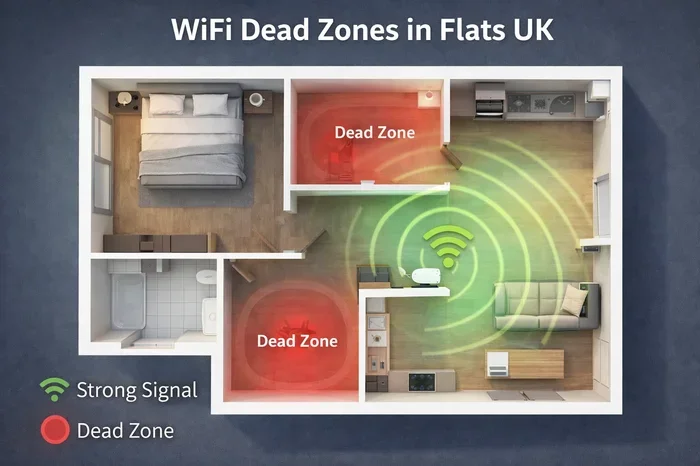
- NetSpot: This app creates visual heat maps of your wifi coverage. It is great for seeing dead zones in your home or office.
- WiFi Analyzer: Shows you all nearby networks and their signal strengths. Very useful for finding the least crowded wifi channel.
- Airport Utility: Apple’s own app for network diagnostics. It is free and built for iOS devices.
- Fing: A network scanner that checks your entire network, including signal strength, connected devices, and potential security issues.
Most of these apps are free or offer free versions with enough features for everyday use. Simply search for them in the App Store, download one, and follow the on-screen instructions.
Quick Tip: When choosing an app, look for ones with good reviews and regular updates. This ensures compatibility with the latest iPhone models and iOS versions.
Understanding Wifi Signal Strength Numbers
Once you know how to check your signal, the next step is understanding what the numbers actually mean. Signal strength is measured in dBm, which stands for decibel-milliwatts. This is a standard unit used across all wireless devices.
What Do The dBm Numbers Mean?
Here is a simple breakdown of what different dBm readings mean for your wifi connection:
- -30 dBm to -50 dBm: Excellent signal. You are right next to the router and getting the best possible speeds.
- -50 dBm to -60 dBm: Very good signal. Your connection is strong and stable. Streaming and gaming work perfectly.
- -60 dBm to -70 dBm: Good signal. You will have solid performance for most activities.
- -70 dBm to -80 dBm: Fair signal. You might notice slower speeds, especially for heavy tasks.
- -80 dBm to -90 dBm: Weak signal. Expect frequent drops and very slow performance.
- Below -90 dBm: Very poor signal. Your connection may drop frequently or not work at all.
Remember, the closer the number is to zero, the stronger your signal. Negative numbers are normal, and do not be alarmed by the minus sign.
How Signal Strength Affects Your Daily Use
Your signal strength directly impacts what you can do on your iPhone. Here is a quick look at how different signal levels affect common activities:
- Strong Signal: 4K streaming, video calls, large file downloads, and online gaming all work flawlessly.
- Moderate Signal: HD streaming and video calls work well, but large downloads may take longer.
- Weak Signal: Standard definition streaming works, but you will experience buffering and lag during calls.
- Very Weak Signal: Basic web browsing becomes difficult. Many apps will fail to load or keep disconnecting.
Knowing these ranges helps you decide when to move closer to your router or when to consider other solutions.
Tips To Improve Your Iphone Wifi Signal
Once you have checked your signal strength and found it is weak, you can take steps to improve it. Here are practical tips that really work.
Move Closer To Your Router
This sounds obvious, but it is the most effective fix. The further you are from your router, the weaker your signal becomes. Try moving to the same room as your router and see if your signal improves.
If you notice your signal gets stronger when you are near the router, that tells you your router placement needs adjustment.
Reposition Your Router
Where you place your router matters a lot. Here are some guidelines:
- Put your router in a central location in your home or office.
- Keep it elevated on a shelf or table, not on the floor.
- Avoid placing it near thick walls, metal objects, or large appliances.
- Keep it away from microwaves, baby monitors, and cordless phones that cause interference.
- Make sure the antennas are positioned vertically for the best coverage.
Even moving your router a few feet can make a noticeable difference in your wifi signal strength.
Reduce Interference From Other Devices
Many household devices can interfere with your wifi signal. Bluetooth devices, baby monitors, and even neighboring wifi networks can all cause problems. Try turning off devices you are not using and see if your signal improves.
You can also change your wifi channel to a less crowded one. Most routers allow you to do this through their admin panel. Check your router manual for specific instructions.
Update Your Iphone And Router Software
Outdated software can cause connectivity issues. Make sure your iPhone is running the latest version of iOS. Also check that your router firmware is up to date. Manufacturers regularly release updates that improve performance and fix bugs.
Quick Tip: Set your router to update automatically if that option is available. This saves you the hassle of checking manually.
Use A Wifi Extender Or Mesh System
If you have a large home or office, your router might not reach every room. A wifi extender or mesh system can solve this problem. These devices boost your signal and extend coverage to areas where the signal is weak.
Mesh systems are especially popular because they create one seamless network throughout your space. You do not have to switch between different network names as you move around.
Expert Insight: According to networking professionals, a mesh system is often a better long-term solution than a single wifi extender. Mesh systems handle multiple devices more efficiently and provide more consistent coverage.
Common Problems And How To Fix Them
Even after checking your signal strength and trying the tips above, you might still face issues. Here are some common problems and their solutions.
Wifi Shows Connected But No Internet
This is one of the most common issues. Your iPhone shows you are connected to wifi, but nothing loads. Try these steps:
- Turn wifi off and back on from your Settings.
- Restart your iPhone completely.
- Restart your router by unplugging it for 30 seconds.
- Check if other devices can connect to the same network.
If none of these work, the problem might be with your internet service provider. Contact them for assistance.
Signal Strength Fluctuates Randomly
If your signal strength goes up and down without any clear reason, try these fixes:
- Check if other devices in your home are using heavy bandwidth.
- Move away from sources of interference like microwaves or Bluetooth speakers.
- Change your wifi channel to reduce congestion from neighboring networks.
- Check for firmware updates on your router.
Slow Speeds Even With Strong Signal
A strong signal does not always mean fast speeds. If your signal is good but your internet is slow:
- Run a speed test to check your actual internet speed.
- Check if your internet plan meets your needs for streaming and downloads.
- Limit the number of devices connected to your network at the same time.
- Try using a wired ethernet connection for your router to see if the problem is with wifi or your internet plan.
Common Mistake: Many people blame their wifi when the real issue is their internet plan. Always run a speed test before making any changes to your network setup.
When To See A Professional For Wifi Issues
Most wifi problems can be fixed with the steps described above. However, there are times when you need professional help. If you have tried everything and your signal is still weak, it might be time to call in an expert.
Here are signs that you should seek professional assistance:
- Your signal strength is consistently below -85 dBm even when you are right next to the router.
- Your router is old and does not support modern wifi standards like WiFi 6.
- You have a large property with many dead zones that wifi extenders cannot fix.
- You suspect there is a deeper network issue that requires specialized diagnostic tools.
A professional can assess your entire network setup and recommend the best solutions for your specific situation. This might include upgrading your router, installing access points, or restructuring your home network layout.
Key Takeaway: Do not hesitate to seek help when you need it. A professional assessment can save you money in the long run by identifying the right solution the first time.
Conclusion
So, can you check wifi signal strength on iPhone? Absolutely yes. You have multiple methods at your fingertips, from the simple Settings menu to the powerful hidden field test mode and detailed third-party apps. Each method gives you a different level of insight into your connection quality.
Checking your wifi signal strength regularly is one of the best habits you can build. It helps you catch problems early, troubleshoot faster, and get the most out of your internet connection. Whether you are a casual user or someone who depends on a strong connection for work, these skills are invaluable.
Remember to use the tips we shared to improve your signal when it is weak. Reposition your router, reduce interference, and consider mesh systems for larger spaces. With the right approach, you can enjoy fast, reliable wifi on your iPhone every single day.
Start by checking your signal strength right now. You might be surprised by what you find. A few small changes can make a huge difference in your daily internet experience.
Frequently Asked Questions
Can I check my wifi signal strength without downloading any apps?
Yes, you can. The iPhone Settings app shows your signal strength using bars next to your connected network. You can also use the hidden field test mode by dialing 3001#12345# in the Phone app. These built-in tools give you a good overview without needing any additional downloads.
What is a good wifi signal strength number for iPhone?
A good wifi signal strength number falls between -30 dBm and -60 dBm. Numbers in this range mean you have a strong, stable connection. If your number is between -60 dBm and -70 dBm, it is still good for most activities. Anything below -80 dBm indicates a weak signal that may cause slow speeds or disconnections.
Why does my iPhone show full bars but slow wifi?
Full bars on your iPhone show that your device is close to the router, but they do not guarantee fast speeds. Your internet plan speed, router performance, and network congestion all play a role. Run a speed test to see if the problem is with your connection or your router’s capabilities.
How often should I check my wifi signal strength?
It is a good idea to check your signal strength whenever you notice slow internet or connection problems. You can also make it a habit to check once a month as part of regular network maintenance. This helps you catch small issues before they become bigger problems.
Do wifi signal strength apps really work?
Yes, wifi signal strength apps work well and provide detailed information that the built-in tools do not show. Apps like NetSpot and WiFi Analyzer give you visual heat maps, channel analysis, and precise dBm readings. They are especially helpful for diagnosing coverage issues in larger homes or offices.
Can a weak wifi signal damage my iPhone?
No, a weak wifi signal cannot damage your iPhone. It only affects your internet performance. Your phone will work normally, but you may experience slow loading times, buffering during streaming, and dropped connections. If your signal is consistently weak, consider repositioning your router or using a wifi extender.