Can My Car Be Tracked Without Me Knowing Right Now
Yes, your car can be tracked without your knowledge through hidden GPS devices, built-in telematics, and tracking apps. Understanding how car tracking works helps you protect your location privacy and personal safety. This guide covers the types of trackers, warning signs, and practical steps you can take right now.
Have you ever wondered, “Can my car be tracked without me knowing right now?” It sounds like something from a spy movie, but it is a real concern for everyday drivers. The truth is, car tracking technology has become cheap, small, and widely available. Anyone with basic tech skills can place a hidden GPS tracker on your vehicle in seconds.
Your car may already be sharing location data through built-in systems you never fully understood when you bought it. Whether it is a fleet manager, a suspicious partner, or a stranger with bad intentions, vehicle tracking without consent is more common than you think. This article breaks down exactly how it works, how to spot it, and what you can do to stop it.
Let us walk through everything you need to know about car surveillance and location privacy. By the end, you will feel more confident about protecting yourself and your vehicle.
Key Takeaways
- Hidden GPS trackers can be placed on your car easily and remain undetected for months.
- Modern vehicles often have built-in tracking features that share your location data.
- Common signs of a tracker include unusual battery drain and unfamiliar devices under your car.
- Law enforcement, employers, and even stalkers can track your car without your consent.
- Regular physical checks and signal scanners help you detect hidden tracking devices.
- Simple steps like disabling Bluetooth and checking app permissions boost your car privacy.
- If you find a tracker, handle it carefully and contact authorities if needed.
📑 Table of Contents
How Car Tracking Works
Understanding how car tracking works is the first step toward protecting yourself. A GPS tracker uses satellites to pinpoint your car’s exact location. The device then sends that data to a server or a phone app. All of this can happen in real time, without you ever noticing.
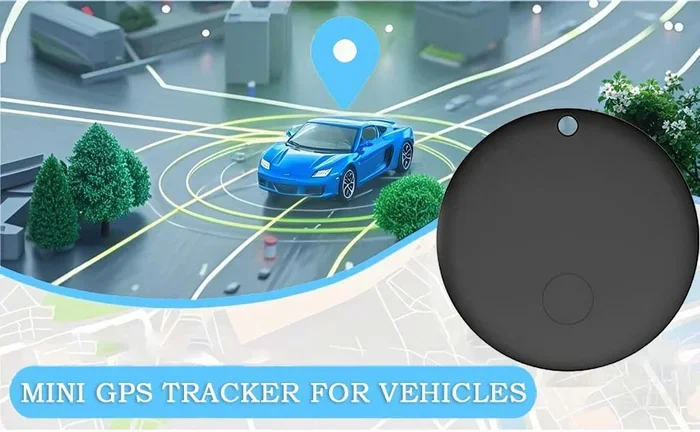
Most trackers are small enough to fit in your palm. They can be hidden under seats, inside wheel wells, or taped to the undercarriage. Some advanced vehicle surveillance devices even run on internal batteries that last for weeks. Others draw power directly from your car’s electrical system.
The Role of GPS Satellites
GPS stands for Global Positioning System. A network of satellites orbits the Earth. Your car’s tracker communicates with these satellites to calculate its exact position. This process works day and night, in any weather. The tracker then sends the location data through cellular networks, just like your phone does.
Real-Time Tracking vs. Stored Data
Some real-time tracking devices send your location every few seconds. Others store the data internally and upload it later. Real-time trackers are more dangerous because they give the tracker instant access to everywhere you go. Stored data trackers are harder to detect because they do not need a constant signal.
Types of Car Tracking Devices
Not all trackers look the same. Some are high-tech gadgets, while others are simple plug-in devices. Knowing the common types helps you know what to look for during a car security check.
OBD-II Trackers
Many modern cars have an OBD-II port under the dashboard. This port is meant for mechanics to diagnose engine problems. But a small GPS tracker can plug right into it. These trackers are hard to spot because they stay hidden inside the car. They also never need charging because they draw power from the car’s battery.
Battery-Powered Portable Trackers
These are the most common hidden tracking devices. They are small, magnetic, and easy to attach anywhere on your car. Because they run on batteries, they can be placed anywhere without wiring. A single charge can last anywhere from two weeks to three months, depending on how often they send updates.
Built-In Factory Tracking
Many new cars come with built-in tracking features. Brands like Tesla, GM, and Ford collect location data through their telematics systems. These systems are designed for services like roadside assistance and stolen vehicle recovery. But they also mean your car is always connected to a network that knows where you are.
Smartphone Apps and Tracking Software
Some tracking apps can monitor your car through your phone. These apps often come bundled with insurance programs or family safety tools. While they are usually legal, they can be misused. A partner or employer could install one on your phone without telling you, giving them access to your car’s location.
Signs Your Car Might Be Tracked
Detecting a hidden tracking device is not always easy. Many trackers are designed to be invisible. However, there are several warning signs you should watch for.
Unusual Battery Drain
If your car battery dies faster than usual, something may be drawing power without your knowledge. A GPS tracker that taps into your car’s electrical system can cause this problem. Pay attention if you notice your battery struggling, especially after your car has been parked for a long time.
Unfamiliar Devices Under Your Car
Get under your car with a flashlight and look around. Check the undercarriage, near the wheels, and behind the bumpers. Magnetic trackers are often attached to metal surfaces. They usually look like small black boxes or rectangles. If you find anything that does not belong to your car, do not touch it with bare hands.
Strange Sounds or Interference
Some trackers emit a faint buzzing sound. You might also notice GPS signal interference on your phone when you are near certain areas of your car. These signs are subtle, but they can point to a hidden device.
Unexplained Data Usage
Trackers that send real-time location data use cellular networks. If you notice unusual data usage on your phone bill or your car’s connected system, it could be a sign of car surveillance. Check your data usage regularly to stay alert.
Your Car Feels “Off”
Trust your instincts. If something feels wrong with your car and you cannot explain why, investigate further. Sometimes the only sign is a gut feeling. That feeling is worth checking out.
Who Can Track Your Car Without You Knowing?
The scary part is that many different people and organizations can track your car without your knowledge. Let us look at who has this capability and why they might use it.
Law Enforcement Agencies
Police departments and federal agencies can legally attach GPS trackers to your car with a warrant. In some cases, they may use them without a warrant, depending on local laws. Law enforcement tracking is usually tied to criminal investigations. While it serves a purpose, it raises serious location privacy concerns.
Employers and Fleet Managers
If you drive a company vehicle, your employer likely tracks your location. Fleet tracking systems are standard in the trucking, delivery, and taxi industries. These systems help managers monitor routes, fuel usage, and driver behavior. However, some employers go beyond work hours and track personal trips too.
Suspicious Partners or Stalkers
Unfortunately, stalkerware and tracking devices are tools of abuse. A controlling partner or stalker can place a tracker on your car to monitor your movements. This form of car surveillance is dangerous and illegal in many places. If you suspect someone is tracking you, take it seriously and seek help.
Insurance Companies
Many insurance telematics programs offer discounts in exchange for monitoring your driving habits. These programs track your speed, braking, and location. While they claim to improve safety, they also collect a lot of personal data. Always read the fine print before enrolling in these programs.
Hackers and Cybercriminals
Modern cars are essentially computers on wheels. Hackers can exploit car hacking vulnerabilities to access your location data. Some newer vehicles have Wi-Fi hotspots and Bluetooth connections that can be exploited. While this is less common, it is a growing concern as cars become more connected.
How to Prevent Car Tracking
Protecting your car privacy does not require expensive equipment. A few simple habits can make a big difference. Here are practical steps you can take today.
Perform Regular Physical Checks
Get under your car once a month and look for anything unusual. Check inside the glove box, under seats, and around the wheel wells. Use a flashlight and feel for small bumps or devices you do not recognize. A tracking device scanner can also help you find hidden electronics.
Use a GPS Signal Blocker
A GPS jammer blocks tracking signals in a small radius. These devices are small and plug into your car’s cigarette lighter. However, be aware that using a jammer is illegal in many countries. Use this option carefully and only where legal.
Disable Unnecessary Connectivity
Turn off Bluetooth and Wi-Fi when you are not using them. Many built-in tracking features rely on these connections. Go into your car’s settings and disable features you do not need. This simple step reduces the chances of unauthorized location tracking.
Review Your Apps and Permissions
Check your phone for apps that have access to your location. Remove any apps you do not recognize or no longer use. Go through your phone settings and revoke location permissions for apps that do not need them. This is one of the easiest ways to protect your location privacy.
Update Your Car’s Software
Car manufacturers release software updates that fix security vulnerabilities. Keep your car’s system up to date. These updates often include patches that prevent car hacking and unauthorized data collection. Check with your dealer if you are unsure how to update your vehicle.
Be Cautious with Insurance Telematics
If you enroll in an insurance tracking program, understand exactly what data is collected and how it is used. Ask questions before you sign up. Some programs allow you to opt out of location tracking while still earning discounts for safe driving.
Consider a Professional Sweep
If you suspect you are being tracked but cannot find the device, hire a professional. Technical surveillance countermeasures experts can sweep your car for hidden electronics. They use advanced tools that can detect even the smallest GPS monitoring devices. This is a worthwhile investment if you have serious concerns about your safety.
What to Do If You Find a Tracker
Discovering a hidden tracking device on your car can be alarming. Stay calm and follow these steps carefully.
- Do not touch it with bare hands. Wear gloves to avoid leaving fingerprints or DNA evidence.
- Take photos of the device. Document its location, appearance, and any identifying marks.
- Do not remove it yourself if you feel unsafe. Contact local law enforcement and let them handle it.
- Report the incident. File a police report and explain the situation. In many places, placing a tracker on someone’s car without consent is illegal.
- Consult a lawyer if needed. If the tracker was placed by a partner or employer, you may have legal options to protect your rights.
- Check your car again after a few days. The person who placed the tracker may return to retrieve it or install a new one.
Dealing with a tracking device is stressful, but you are not alone. Many people have faced this situation and found resolution through the right steps. Your safety and car privacy matter, so take action quickly.
Common Myths About Car Tracking
There are many misconceptions about vehicle tracking that can leave you vulnerable. Let us clear up a few of the most common ones.
Myth: Only expensive cars get tracked. Truth: Trackers are cheap and can be placed on any car, regardless of value or brand.
Myth: Old cars cannot be tracked. Truth: Older cars without built-in systems are actually easier to track because they lack modern security features.
Myth: Trackers need line of sight to work. Truth: GPS trackers work through clouds, roofs, and even underground parking garages. They do not need a clear view of the sky.
Myth: You will always know if your car is tracked. Truth: Many modern trackers are completely silent and invisible. The average person would never notice one during a casual glance.
Expert Insights on Car Privacy
Cybersecurity experts agree that car tracking is one of the most overlooked privacy risks. According to recent studies, millions of vehicles are tracked without owner consent each year. The rise of connected car technology has made this problem worse, not better.
Experts recommend treating your car like an extension of your phone. Just as you would check your phone for suspicious apps, you should check your car for hidden devices. Regular maintenance of your car’s digital and physical security is just as important as oil changes and tire rotations.
“Most people do not realize how much data their car collects,” says a leading privacy advocate. “The first step is awareness. Once you know what is possible, you can take control.”
Key Takeaways
- Can my car be tracked without me knowing? Yes, through hidden GPS devices, built-in telematics, and tracking apps.
- Regular physical inspections of your vehicle are one of the best ways to detect hidden trackers.
- Multiple parties including law enforcement, employers, and stalkers can track your car without your consent.
- Simple habits like disabling Bluetooth and reviewing app permissions go a long way in protecting your car privacy.
- If you find a tracker, handle it carefully and contact authorities immediately.
- Stay informed about your car’s built-in tracking features and how to manage them.
Conclusion
The question “Can my car be tracked without me knowing right now?” has a clear and unsettling answer: yes. Car tracking technology is everywhere, and it is more accessible than ever. From hidden GPS trackers to built-in factory systems, your vehicle may be sharing your location data more than you realize.
The good news is that you are not powerless. By understanding how vehicle tracking works, recognizing the warning signs, and taking practical prevention steps, you can protect your location privacy and stay safe. Regular checks, smart connectivity habits, and awareness of who has access to your data are your best defenses.
Take action today. Check your car for unfamiliar devices, review your app permissions, and stay informed about your vehicle’s tracking features. Your car privacy matters, and a few simple steps can make a world of difference. Stay alert, stay safe, and never underestimate the importance of knowing what is happening with your vehicle.
Frequently Asked Questions
Can someone track my car using my phone?
Yes, if someone installs a tracking app on your phone or gains access to your phone’s location services, they can monitor your car’s whereabouts. Always review which apps have location permissions and remove any you do not recognize.
Are car tracking devices legal?
The legality depends on who is tracking and why. Law enforcement usually needs a warrant. Employers can track company vehicles during work hours. But placing a tracker on someone’s car without consent is illegal in most states and countries.
How can I detect a hidden GPS tracker in my car?
Perform a thorough physical inspection under your car and inside the cabin. Look for small magnetic devices or unfamiliar wiring. You can also use a GPS signal detector or RF scanner to find electronic transmissions.
Do modern cars track my location by default?
Many modern cars have built-in telematics systems that collect location data. Check your vehicle’s settings and privacy policy to understand what data is being collected. You can usually disable most tracking features in your car’s infotainment system.
What should I do if I find a tracker on my car?
Do not remove it yourself if you feel unsafe. Take photos, wear gloves, and contact local law enforcement. File a police report and consider consulting a lawyer, especially if the tracker was placed by someone you know.
Can a stalker track my car without a GPS device?
Yes, stalkers can use your phone’s location sharing features, social media check-ins, or even license plate recognition cameras to monitor your movements. Limit what you share online and review your phone’s location settings regularly.