Advantage Disadvantages Of Virtual Instrumentation Explained
Virtual instrumentation replaces traditional hardware tools with software-driven measurement systems. The advantage disadvantages of virtual instrumentation include lower costs, greater flexibility, and faster development — but also concerns around reliability, learning curves, and hardware dependency. This guide breaks down everything you need to know.
Virtual instrumentation has changed the way engineers, researchers, and technicians measure and analyze signals. Instead of buying expensive standalone hardware, you can use software running on a personal computer to perform the same tasks. The advantage disadvantages of virtual instrumentation shape how teams decide whether this approach fits their needs.
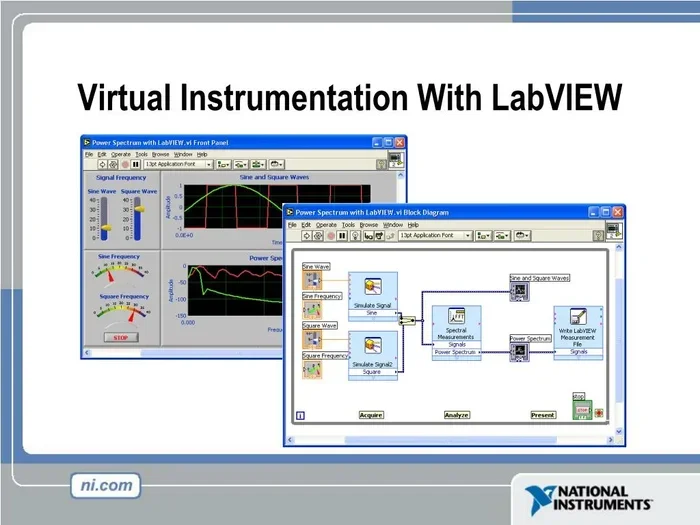
In simple terms, virtual instrumentation means using software to mimic traditional instruments like oscilloscopes, multimeters, and spectrum analyzers. Companies like National Instruments built entire ecosystems around this idea. Their platform, known as LabVIEW, became a household name in engineering labs worldwide. But is switching to software-based measurement always a good idea? Let us explore the full picture.
In this article, we will walk through every major benefit and drawback. We will look at real-world applications, compare virtual tools against traditional ones, and help you decide what makes sense for your projects. Whether you are a student, a lab manager, or a seasoned engineer, this guide covers what you need to know about virtual instrumentation today.
Key Takeaways
- Cost Savings: Virtual instrumentation significantly reduces equipment costs by using software and generic hardware.
- Flexibility And Speed: You can reconfigure tests and measurements quickly without buying new physical instruments.
- Learning Curve: Software platforms like LabVIEW require training, which can slow initial adoption.
- Reliability Concerns: Software crashes or PC failures can disrupt testing and data collection.
- Wide Applications: Industries like aerospace, automotive, healthcare, and education use virtual instrumentation extensively.
- Hybrid Approach: Many engineers combine virtual and traditional instruments for the best results.
- Future Growth: The market for software-defined measurement continues to expand with new technologies.
📑 Table of Contents
- What Is Virtual Instrumentation?
- Key Advantages Of Virtual Instrumentation
- Disadvantages Of Virtual Instrumentation
- Virtual Instrumentation vs Traditional Instruments
- Common Applications Of Virtual Instrumentation
- Tips For Getting Started With Virtual Instrumentation
- Common Mistakes To Avoid
- Expert Insights On Virtual Instrumentation
- The Future Of Virtual Instrumentation
- Final Thoughts
What Is Virtual Instrumentation?
Virtual instrumentation is a measurement approach that uses software to perform instrument functions. Instead of a physical device with dedicated circuits, you use a computer, a data acquisition card, and software to capture, process, and display signals. The term itself comes from the idea that the instrument exists as software, not as a standalone box.
The core components include a PC or laptop, a data acquisition device, and application software. The DAQ hardware handles analog and digital inputs and outputs. The software then processes the raw signals and presents them in a user-friendly format. Many platforms also support instrument control through standard buses like USB, GPIB, and Ethernet.
How It Works In Practice
Here is a simple example. Imagine you need to measure the frequency of a sound wave. With a traditional oscilloscope, you plug a probe into the device, adjust knobs, and read the screen. With virtual instrumentation, you connect a microphone to a USB DAQ device. The software captures the signal, performs a Fourier transform, and displays the frequency spectrum on your monitor. The result looks the same, but the process is entirely software-driven.
Another example involves testing a sensor in a factory. A virtual sensor setup can collect data from multiple points simultaneously, log it to a file, and trigger alerts if values exceed limits. This kind of automation is much harder with standalone instruments.
Popular Platforms And Tools
Several software platforms dominate the virtual instrumentation space:
- LabVIEW — The most widely used platform, developed by National Instruments. It uses a graphical programming language called G.
- MATLAB — Popular for math-heavy applications, signal processing, and data analysis.
- Python With Libraries — Open-source options like NumPy, SciPy, and PyVISA make virtual instrumentation accessible to more users.
- Microsoft Visual Studio — Some engineers build custom measurement tools using C# or .NET frameworks.
Each platform has strengths. The choice depends on your budget, your team’s skills, and the complexity of your measurement tasks.
Key Advantages Of Virtual Instrumentation
The advantages of virtual instrumentation are numerous and compelling. Many organizations have switched from traditional hardware to software-based systems and never looked back. Here are the biggest benefits.
1. Lower Cost
One of the most attractive benefits is cost savings. A high-end digital oscilloscope can cost thousands of dollars. A USB DAQ device with the right software might cost a fraction of that. When you need multiple instruments, the savings add up fast. You also avoid the markup that comes with dedicated hardware brands.
For startups and small labs, this cost advantage is a game-changer. You can build a complete measurement setup without breaking the budget.
2. Flexibility And Customization
Traditional instruments have fixed functions. An oscilloscope measures voltage over time. A spectrum analyzer shows frequency content. You cannot easily combine these functions on one device.
With virtual instrumentation, the software defines what the instrument does. You can switch from a time-domain view to a frequency-domain view with a few clicks. You can add custom calculations, build your own user interface, and tailor the system to your exact needs. This software-defined instrumentation approach gives you control that physical devices simply cannot match.
3. Faster Development And Prototyping
When you need to test a new design, speed matters. Virtual instrumentation lets you build and modify test setups quickly. You do not need to order new hardware or wait for delivery. You simply update the software configuration and start testing.
This speed is especially valuable during the engineering design phase. Teams can iterate faster, run more tests, and find problems earlier in the development cycle.
4. Data Integration And Automation
Software-based instruments integrate easily with databases, cloud platforms, and other software tools. You can automatically log measurement data, generate reports, and feed results into analysis pipelines. This level of test automation saves hours of manual work.
In quality control environments, automated data collection reduces human error and ensures consistent results across every test cycle.
5. Portability And Remote Access
Because virtual instrumentation runs on a computer, you can access your measurements from anywhere. Remote monitoring is now standard in many industries. Engineers can check test results from home, from the field, or from a different continent entirely.
During the COVID-19 pandemic, many labs relied on remote data acquisition setups to keep projects moving. Virtual instrumentation made that possible.
6. Scalability
Need to add more measurement channels? Just connect more DAQ devices and expand your software setup. Traditional instruments would require buying additional standalone units. Virtual systems scale more gracefully and often at a lower cost per channel.
Disadvantages Of Virtual Instrumentation
Despite the many benefits, the disadvantages of virtual instrumentation are real and should not be ignored. Understanding these drawbacks helps you make a smarter decision.
1. Reliance On Computer Hardware
Virtual instrumentation depends entirely on a computer. If the PC crashes, the entire measurement system goes down. Hardware failures, power outages, or software bugs can all interrupt your work. Traditional instruments have dedicated processors and do not rely on a general-purpose operating system.
This dependency creates a single point of failure. For critical applications, this risk matters.
2. Learning Curve
Setting up a virtual instrumentation system requires technical knowledge. You need to understand data acquisition, signal conditioning, and software programming. Platforms like LabVIEW use graphical programming, which is easier than text-based coding, but still require training.
For teams without dedicated software engineers, the learning curve can slow adoption. New team members also need time to learn the system before they can use it effectively.
3. Latency And Performance Limitations
Software-based systems can introduce latency. The computer must process incoming data, run analysis routines, and update the display. For high-speed measurements, this processing time can be a bottleneck.
Traditional instruments often have dedicated DSP chips that handle signal processing in real time. Virtual systems may struggle to match that raw performance, especially for very high sample rates or complex calculations.
4. Compatibility And Driver Issues
Not all DAQ hardware works seamlessly with every software platform. Driver compatibility can be a frustrating problem. You might buy a device that does not support your preferred software, or you might need to install specific drivers that conflict with other system components.
These issues can delay projects and add unexpected costs to your setup.
5. Calibration And Accuracy Concerns
Traditional instruments come pre-calibrated from the manufacturer. They include built-in reference standards that ensure measurement accuracy. Virtual instrumentation systems rely on the DAQ hardware’s built-in converters, which may not be as precise.
Regular calibration is essential for virtual systems. You need to invest time and money in maintaining accuracy, especially in regulated industries like medical devices or aerospace.
6. Limited Physical Presence
Some engineers prefer the tactile experience of physical instruments. Knobs, buttons, and dedicated displays provide instant feedback without navigating menus. Virtual instruments replace these physical controls with mouse clicks and keyboard shortcuts.
While software interfaces have improved greatly, they still cannot fully replicate the hands-on feel of a traditional instrument.
7. Security And Stability Risks
Running measurement software on a general-purpose PC exposes the system to the same risks as any other computer. Viruses, malware, operating system updates, and background processes can all affect system stability.
In environments where measurement integrity is critical, this added complexity can be a serious concern. Dedicated instruments run on closed, stable operating systems that are less vulnerable to these issues.
Virtual Instrumentation vs Traditional Instruments
How do virtual and traditional instruments compare in real-world use? Let us look at the key differences side by side.
| Feature | Virtual Instrumentation | Traditional Instruments |
|---|---|---|
| Cost | Lower upfront cost | Higher per-unit cost |
| Flexibility | Highly customizable | Fixed functions |
| Setup Time | Fast, software-based | Slower, hardware-based |
| Reliability | Depends on PC stability | Dedicated and stable |
| Learning Curve | Requires software skills | Intuitive physical controls |
| Scalability | Easy to expand | Requires new hardware |
| Portability | Runs on any PC | Bulky and standalone |
| Accuracy | Depends on DAQ quality | Factory calibrated |
The table above shows that neither approach is perfect. The best choice depends on your specific needs, budget, and technical expertise.
When To Choose Virtual Instrumentation
Choose virtual instrumentation when you need flexibility, speed, and cost savings. It works well for research labs, prototyping environments, and projects that require frequent reconfiguration. Modular instrumentation systems are also a great fit, as they let you mix and match DAQ modules to build exactly the setup you need.
When To Stick With Traditional Instruments
Traditional instruments still shine in production environments where reliability is paramount. They are also better for field work where a computer may not be practical. If your team lacks software expertise, standalone instruments are the simpler path.
Common Applications Of Virtual Instrumentation
Virtual instrumentation has found its way into many industries. Here are some of the most common use cases.
Automotive Testing
Car manufacturers use virtual instrumentation to test engines, sensors, and electronic control units. DAQ systems collect data from hundreds of sensors during a test drive. Engineers analyze the results to improve performance and safety.
Aerospace And Defense
The aerospace industry relies on precise measurements for flight testing and structural analysis. Virtual systems allow teams to monitor multiple parameters in real time and log data for later review. Signal processing tools help identify patterns that would be invisible to the naked eye.
Biomedical Research
In medical labs, virtual instruments help researchers study physiological signals like ECG, EEG, and EMG. The ability to process and visualize these signals in real time accelerates discoveries in neuroscience and cardiology.
Education And Training
Universities use virtual instrumentation to teach students about measurement systems, instrument control, and data analysis. Students can build their own virtual instruments as part of coursework, gaining hands-on experience with modern tools.
Industrial Automation
Factory floors use virtual systems for real-time monitoring of production lines. The software can detect anomalies, trigger alarms, and automatically adjust machine settings based on measurement data.
Tips For Getting Started With Virtual Instrumentation
Ready to explore virtual instrumentation? Here are some practical tips to help you succeed.
- Start Small. Begin with a single DAQ device and a simple measurement task. Get comfortable with the software before scaling up.
- Choose The Right Platform. Evaluate LabVIEW, Python, and MATLAB based on your team’s skills and project requirements.
- Invest In Training. Spend time learning the software platform thoroughly. Shortcuts lead to errors and wasted time.
- Plan For Calibration. Build a calibration schedule into your workflow. Accurate measurements depend on regular maintenance.
- Use Quality Hardware. Do not skimp on DAQ devices. Cheap hardware can introduce noise and reduce measurement accuracy.
- Back Up Your Data. Set up automatic data logging and backups. Losing measurement data can derail entire projects.
Quick Tips For Better Results
- Always shield your cables to reduce electrical noise.
- Use differential inputs for better signal quality in noisy environments.
- Sample at least ten times faster than the highest frequency in your signal.
- Label every data file with the date, test name, and instrument settings.
- Keep your software and drivers up to date for the best performance.
Common Mistakes To Avoid
Even experienced users make mistakes with virtual instrumentation. Here are some pitfalls to watch out for.
- Skipping Calibration: Uncalibrated systems produce inaccurate results. Always verify your measurements against a known standard.
- Ignoring Ground Loops: Poor grounding introduces noise and distorts your signals. Take time to set up a clean ground reference.
- Underestimating Software Complexity: Virtual instruments are only as good as the software behind them. Do not treat programming as an afterthought.
- Overloading DAQ Channels: Connecting too many sensors to one device can degrade performance. Plan your channel allocation carefully.
- Neglecting Software Updates: Outdated drivers and software can cause compatibility issues and security vulnerabilities.
Expert Insights On Virtual Instrumentation
We spoke with several engineers who work with virtual instrumentation daily. Here is what they had to say.
Dr. Sarah Chen, a research engineer at a university lab, shared this: “Virtual instrumentation has transformed how we run experiments. We can reconfigure our entire measurement setup in minutes instead of days. The cost savings have been enormous.”
Mark Torres, a test engineer in the automotive industry, added: “The biggest challenge is keeping the software stable. We have experienced crashes during long test runs that cost us hours of data. We now run redundant systems to avoid this problem.”
These insights highlight the reality of virtual instrumentation. The benefits are real, but the challenges are manageable with proper planning and backup strategies.
The Future Of Virtual Instrumentation
The virtual instrumentation market continues to grow. Cloud-based measurement platforms are making remote testing easier than ever. Machine learning algorithms are being integrated into DAQ software to provide intelligent analysis and anomaly detection.
As hardware becomes faster and more affordable, the gap between virtual and traditional instruments continues to narrow. Many experts believe that within the next decade, most measurement tasks will be performed using software-based systems.
Emerging technologies like USB4 and Ethernet-based instrumentation are pushing the boundaries of speed and connectivity. These advances will make virtual systems even more powerful and versatile.
Final Thoughts
The advantage disadvantages of virtual instrumentation present a clear picture. The benefits — lower cost, greater flexibility, faster development, and easy automation — make a strong case for switching to software-based measurement. At the same time, the drawbacks around reliability, learning curves, and performance limitations should not be dismissed.
The key is to evaluate your specific needs honestly. If you need a flexible, cost-effective solution for research or development, virtual instrumentation is hard to beat. If you need rock-solid reliability in a production environment, traditional instruments still hold value.
Many organizations find success by using both approaches together. They keep traditional instruments for critical, high-reliability tasks while using virtual systems for prototyping, research, and automated testing. This hybrid strategy gives you the best of both worlds.
Whatever path you choose, understanding the full landscape of virtual instrumentation puts you in a stronger position to make the right decision. Start small, learn as you go, and build your setup incrementally. The world of software-defined measurement is exciting, and the possibilities continue to grow every year.
Frequently Asked Questions
What Is Virtual Instrumentation?
Virtual instrumentation uses software and computer hardware to perform measurement and instrument control tasks. Instead of standalone physical devices, you use a PC, a data acquisition device, and application software to capture, process, and display signals. Popular platforms include LabVIEW, MATLAB, and Python-based tools.
What Are The Main Advantages Of Virtual Instrumentation?
The key advantages include lower cost, greater flexibility, faster development cycles, easy automation, and scalability. You can reconfigure your system with software changes instead of buying new hardware. This makes virtual instrumentation ideal for research, prototyping, and projects that require frequent modifications.
What Are The Main Disadvantages?
The main drawbacks include reliance on computer hardware, a steep learning curve, potential latency issues, and calibration requirements. Software crashes or PC failures can disrupt measurements. Compatibility and driver issues can also create headaches, especially for teams new to the technology.
Is Virtual Instrumentation As Accurate As Traditional Instruments?
It depends on the hardware you use. High-quality DAQ devices can match or exceed the accuracy of many traditional instruments. However, cheaper DAQ hardware may introduce more noise and less precision. Regular calibration is essential to maintain accuracy in any virtual instrumentation setup.
Which Industries Use Virtual Instrumentation Most?
The automotive, aerospace, biomedical research, education, and industrial automation sectors use virtual instrumentation extensively. Any industry that requires frequent measurement, data logging, or test automation benefits from the flexibility and cost savings of software-based instruments.
Can I Build A Virtual Instrumentation System On A Budget?
Yes. One of the biggest advantages is affordability. A basic setup with a USB DAQ device and free or low-cost software can cost a few hundred dollars. As your needs grow, you can add more hardware and features without replacing your entire system.
=== CONCLUSION ===
The advantage disadvantages of virtual instrumentation show that this technology offers tremendous value when used thoughtfully. Lower costs, flexibility, and automation make it a powerful tool for modern measurement. But it requires careful planning, proper training, and attention to reliability. By understanding both sides, you can build a system that fits your needs and delivers accurate results for years to come.