Application Computers Transforming the Banking Sector
Application computers are revolutionizing the banking sector by making transactions faster, safer, and more efficient than ever before. From core banking software to mobile banking apps, these powerful tools are reshaping how financial institutions serve their customers. This article explores the key technologies, benefits, challenges, and future trends driving this digital transformation in banking.
The banking world has changed dramatically over the past two decades. Walk into any bank today and you will see application computers driving nearly every process behind the counter and beyond. These powerful machines and their software are the backbone of modern finance. They handle millions of transactions, manage customer data, detect fraud, and much more.
But what exactly are application computers in the banking sector, and why does it matter to you? Simply put, these are specialized computer systems designed to perform specific tasks within financial institutions. They range from the software that processes your deposit to the app on your phone that lets you check your balance. Understanding how these tools work gives you a clearer picture of the banking world you interact with every day.
In this article, we will break down everything you need to know. We will explore the types of banking technology in use today, the real benefits they bring, and the challenges banks face when adopting them. Whether you are a curious customer, a student studying finance, or someone in the banking industry, this guide has something valuable for you.
Key Takeaways
- Core banking systems powered by application computers streamline daily operations and improve service delivery across banks of all sizes.
- Digital banking transformation reduces manual tasks, cuts costs, and enhances the customer experience significantly.
- Security and compliance software protect sensitive financial data while meeting strict regulatory requirements.
- Mobile banking applications have become essential tools for customers who expect seamless, on-the-go access to their finances.
- Artificial intelligence and automation are the next frontier in banking technology, offering smarter fraud detection and personalized services.
- Challenges like high costs and legacy systems remain hurdles that banks must overcome to fully embrace digital solutions.
- The future of banking will be shaped by cloud computing, blockchain, and continued innovation in financial software.
📑 Table of Contents
- What Are Application Computers in Banking?
- How Application Computers Are Changing Banking Operations
- Key Benefits of Application Computers in Banking
- Challenges Banks Face When Adopting Application Computers
- Future Trends in Banking Technology
- Comparison: Traditional Banking vs. Application Computer-Driven Banking
- Quick Tips for Understanding Banking Technology
- Common Mistakes Banks Make with Technology Adoption
- Expert Insights on Banking Technology
- Conclusion
What Are Application Computers in Banking?
Let us start with the basics. Application computers refer to computer systems and software designed to carry out specific functions within a bank or financial institution. Unlike general-purpose computers that you might use at home, these systems are built for one purpose: to make banking operations smoother, faster, and more secure.
Think of it this way. Your laptop can do many things, but a banking application computer is like a specialized tool built just for one job. It might process loan applications, manage account balances, or generate monthly statements. Each application serves a unique role in the banking ecosystem.
Core Banking Systems
The heart of any bank is its core banking system. This is the main software that handles everyday transactions like deposits, withdrawals, and loan payments. Without it, a bank simply cannot function. Core banking applications run on powerful servers and are accessible to tellers, managers, and other staff members throughout the day.
Modern core banking software has evolved significantly. Older systems were often slow and difficult to update. Today, banks use cloud-based and modular platforms that can be scaled up or down based on need. This shift has made banking operations more flexible and cost-effective.
Front-End Banking Applications
Front-end applications are the ones customers interact with directly. These include online banking portals, mobile banking apps, and ATM software. When you log into your bank account on your phone, you are using a front-end application that connects to the bank’s back-end systems in real time.
Mobile banking applications have become incredibly popular. According to industry reports, over 75% of banking customers now use some form of digital banking. These apps let users transfer money, pay bills, check balances, and even apply for loans from the comfort of their homes. The rise of electronic banking has been one of the biggest shifts in the financial world.
How Application Computers Are Changing Banking Operations
The impact of banking technology on daily operations cannot be overstated. Banks that have embraced digital banking transformation report higher efficiency, lower costs, and happier customers. Let us look at the specific ways these systems are making a difference.
Automating Repetitive Tasks
One of the biggest advantages of banking automation is the elimination of manual, repetitive work. In the past, bank employees spent hours processing paper forms, reconciling accounts, and entering data by hand. Today, automated banking solutions handle these tasks in seconds.
For example, when you deposit a check using your phone, the app uses optical character recognition to read the check details and process the deposit automatically. This kind of automation speeds up service and reduces human error.
Improving Customer Service
Customers today expect fast, personalized service. Banking information systems make this possible by storing and analyzing customer data in real time. When you call your bank, the representative can pull up your account history instantly and offer tailored solutions.
Many banks now use chatbots and AI assistants powered by application computers. These tools answer common questions 24/7, freeing up human agents for more complex issues. The result is shorter wait times and a better overall experience for customers.
Enhancing Data Management
Banks deal with enormous amounts of data every single day. From transaction records to customer profiles, the volume is staggering. Banking data management systems built on application computers organize, store, and retrieve this data efficiently.
Good data management means faster processing, fewer mistakes, and better decision-making. Banks can analyze trends, identify risky customers, and develop new products based on real insights. It is a game-changer for institutions that want to stay competitive.
Key Benefits of Application Computers in Banking
The benefits of using financial software applications in banking are clear and significant. Let us break them down into the most important areas.
Speed and Efficiency
Application computers process transactions in milliseconds. What once took hours of manual work can now be completed in seconds. This speed benefits both the bank and its customers. Transfers that used to take days now happen instantly.
Banks can also handle more customers with fewer staff members. This efficiency translates into lower operating costs, which can be passed on to customers in the form of better rates and fewer fees.
Accuracy and Reliability
Human error is a real problem in banking. A single mistake in a transaction record can cause serious issues. Banking software applications minimize this risk by automating calculations and cross-checking data automatically.
These systems are also highly reliable. Modern financial institution technology is built with redundancy and backup systems, meaning that even if one component fails, operations continue without interruption.
Enhanced Security
Security is a top priority in banking. Banking security software protects sensitive customer information from unauthorized access, fraud, and cyber threats. Application computers use encryption, multi-factor authentication, and real-time monitoring to keep data safe.
Banks also use fraud detection algorithms that analyze transaction patterns and flag suspicious activity immediately. This proactive approach has helped reduce financial fraud significantly over the past decade.
Regulatory Compliance
Banks must follow strict regulations set by governments and financial authorities. Compliance software built into application computers ensures that every transaction is recorded, reported, and audited correctly. This reduces the risk of fines and legal issues.
Regulatory technology, often called RegTech, has become a major part of the banking technology landscape. It helps banks stay compliant without adding excessive workload to their teams.
Challenges Banks Face When Adopting Application Computers
While the benefits are clear, the journey to full digital transformation is not without its hurdles. Banks face several challenges when integrating application computers into their operations.
Legacy System Integration
Many older banks still rely on legacy systems that were built decades ago. These systems were not designed to work with modern software. Integrating new banking technology with old infrastructure can be complex, time-consuming, and expensive.
Some institutions choose to replace their legacy systems entirely, while others opt for gradual upgrades. Both approaches come with risks and costs. The key is to plan carefully and choose a path that minimizes disruption to daily operations.
High Implementation Costs
Building or purchasing financial software applications requires a significant investment. Small and mid-sized banks may struggle to afford the latest technology. They often rely on third-party vendors or shared platforms to keep costs manageable.
However, the long-term savings usually outweigh the initial expense. Banks that invest wisely in banking infrastructure see returns through improved efficiency, reduced errors, and higher customer satisfaction.
Cybersecurity Threats
As banks become more digital, they also become more vulnerable to cyberattacks. Hackers constantly look for weaknesses in banking security software. A single breach can expose millions of customer records and cause massive financial losses.
Banks must invest heavily in cybersecurity measures, including regular updates, employee training, and advanced threat detection tools. Staying ahead of cyber threats is an ongoing battle that requires constant vigilance.
Training and Change Management
New technology means new workflows. Bank employees need training to use banking automation tools effectively. Resistance to change is natural, and some staff members may struggle to adapt to new systems.
Successful banks invest in comprehensive training programs and change management strategies. They make sure every team member feels comfortable and confident with the new technology before fully rolling it out.
Future Trends in Banking Technology
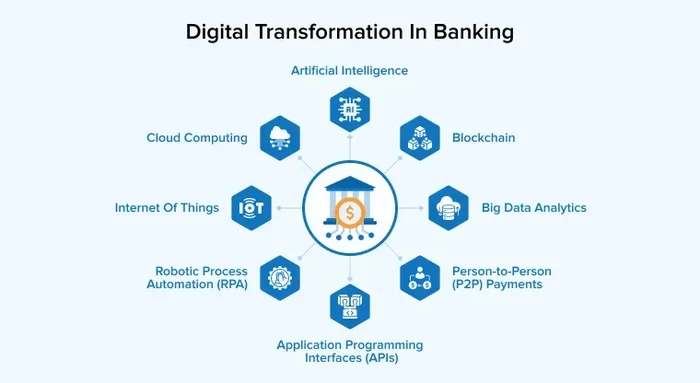
The world of financial services technology is evolving rapidly. Several trends are shaping the future of how banks use application computers. Let us look at what is coming next.
Artificial Intelligence and Machine Learning
AI and machine learning are already making waves in banking. These technologies allow application computers to learn from data and make intelligent decisions. Banks use AI for credit scoring, customer behavior analysis, and personalized product recommendations.
In the near future, AI-powered systems will handle even more complex tasks, from managing investment portfolios to predicting market trends. The potential is enormous, and banks that embrace AI will have a significant edge over their competitors.
Blockchain and Distributed Ledger Technology
Blockchain technology offers a new way to record and verify financial transactions. It is secure, transparent, and nearly impossible to tamper with. Some banks are already experimenting with blockchain for cross-border payments and smart contracts.
While widespread adoption is still a few years away, blockchain has the potential to revolutionize the way banks process transactions. It could make international transfers faster, cheaper, and more trustworthy.
Cloud Computing
Cloud-based banking solutions are becoming the norm. Cloud computing allows banks to store data and run applications on remote servers, reducing the need for expensive on-site hardware. This approach is more scalable, flexible, and cost-effective.
More banks are moving their core banking systems to the cloud. This shift enables faster updates, better disaster recovery, and easier access to data from anywhere in the world.
Open Banking and APIs
Open banking is a trend that allows third-party developers to build applications using bank data through APIs. This creates a more connected financial ecosystem where customers can use multiple services seamlessly.
For example, a budgeting app could connect directly to your bank account and categorize your spending automatically. Open banking empowers customers and encourages innovation in the financial sector.
Comparison: Traditional Banking vs. Application Computer-Driven Banking
| Feature | Traditional Banking | Application Computer-Driven Banking |
|---|---|---|
| Transaction Speed | Slow, often manual | Instant, automated |
| Customer Access | Limited to branch hours | 24/7 online and mobile access |
| Error Rate | Higher due to manual processes | Lower due to automation |
| Security | Basic physical and manual checks | Advanced encryption and real-time monitoring |
| Cost Efficiency | Higher operational costs | Lower costs through automation |
| Data Management | Paper-based and fragmented | Centralized and digital |
| Scalability | Difficult to scale quickly | Easily scalable with cloud systems |
The comparison table above shows why so many banks are making the shift to application computers. The advantages in speed, accuracy, and cost savings are too significant to ignore.
Quick Tips for Understanding Banking Technology
- Stay curious. The banking technology landscape changes fast. Keep learning about new tools and trends.
- Use digital banking tools. Experience mobile banking and online portals firsthand to understand how they work.
- Ask questions. If you are a banking professional, ask your IT team about the banking software applications they use daily.
- Follow industry news. Reading about fintech solutions and banking digital transformation keeps you informed and ahead of the curve.
- Think about security. Always use strong passwords and enable two-factor authentication on your banking apps.
Common Mistakes Banks Make with Technology Adoption
Even well-intentioned banks can stumble when adopting new banking technology. Here are some common mistakes to avoid.
- Skipping the planning phase. Rushing into a new system without proper planning leads to costly problems down the road.
- Ignoring employee input. The people who use the systems every day have valuable insights. Ignoring their feedback can lead to poor adoption rates.
- Underestimating cybersecurity needs. Investing in technology without strong security measures is a recipe for disaster.
- Choosing cost over quality. Cheap solutions often lack the features and reliability that banks need. It is better to invest in quality financial software applications from the start.
- Neglecting ongoing training. Technology evolves constantly. Banks must commit to continuous training for their staff to stay effective.
Expert Insights on Banking Technology
“The banks that will thrive in the next decade are those that treat technology not as a cost center but as a strategic advantage,” says Dr. Sarah Chen, a fintech consultant with over 15 years of experience. Application computers are no longer optional for banks. They are the foundation of modern financial services.
“We have seen a dramatic shift in how customers interact with their banks,” adds James Rivera, a banking technology analyst. Digital banking transformation is not just about convenience. It is about building trust and delivering value at every touchpoint.
These expert perspectives highlight a clear truth: banking technology is not a trend. It is a permanent shift in how the industry operates. Banks that understand this will lead the way. Those that resist it risk falling behind.
Conclusion
Application computers have fundamentally changed the banking sector in ways that would have seemed impossible just a few decades ago. From core banking systems to mobile banking applications, these powerful tools drive every aspect of modern finance. They make banking faster, safer, and more accessible for everyone.
The journey is not without challenges. Legacy systems, high costs, and cybersecurity threats are real hurdles. But the benefits far outweigh the risks. Banks that invest wisely in banking software applications and embrace digital banking transformation will be well-positioned for the future.
As a customer, understanding how these systems work empowers you to make better financial decisions. Use digital banking tools, stay informed about new fintech solutions, and always prioritize your online security. The banking world is evolving, and being prepared is the best thing you can do.
The future of banking belongs to those who harness the power of application computers. And that future is already here.
Frequently Asked Questions
What are application computers in banking?
Application computers in banking refer to specialized computer systems and software designed to perform specific banking tasks. These include core banking systems, mobile banking apps, online portals, and fraud detection tools. They automate processes, manage data, and improve the overall banking experience for both institutions and customers.
How do application computers improve banking security?
Banking security software powered by application computers uses encryption, multi-factor authentication, and real-time monitoring to protect customer data. These systems detect suspicious transactions instantly and alert security teams. This proactive approach significantly reduces the risk of fraud and unauthorized access.
What is the difference between core banking systems and front-end banking applications?
Core banking systems handle the back-end operations like transaction processing, account management, and loan calculations. Front-end applications are what customers interact with directly, such as mobile banking apps and online portals. Both work together to create a seamless banking experience.
Are application computers only used by large banks?
No, banks of all sizes use application computers. While large banks may have custom-built systems, smaller banks often use shared platforms or third-party financial software applications. Cloud-based solutions have made advanced banking technology accessible and affordable for institutions of every size.
What role does artificial intelligence play in banking technology?
AI in banking powers chatbots, fraud detection systems, credit scoring models, and personalized recommendations. AI-driven banking automation helps banks process data faster and make smarter decisions. It is one of the most exciting areas of financial services technology today.
What is the future of application computers in banking?
The future points toward greater use of AI, blockchain, cloud computing, and open banking. These technologies will make banking even faster, more secure, and more personalized. Banks that continue to invest in banking digital transformation will lead the industry into this exciting new era.