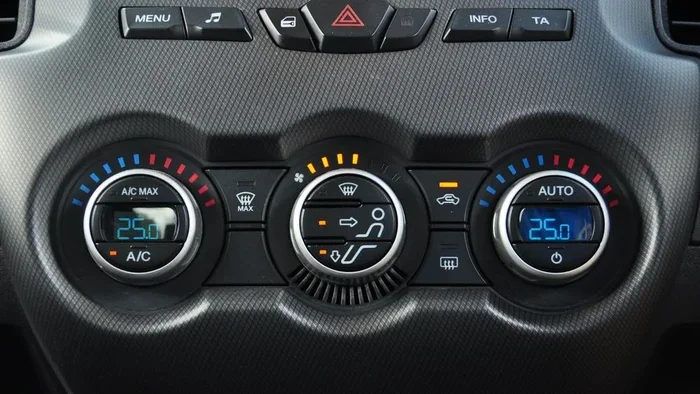
Do Cars Have Actual Heaters Here Is What You Need To Know
Yes, cars do have actual heaters, and they are a vital part of every vehicle’s comfort and safety system. Your car heater works by using waste heat from the engine, passed through a small component called the heater core, to warm up your cabin. Understanding how this system operates helps you stay warm, fix problems faster, and appreciate the engineering behind your daily drive.
Do cars have actual heaters? The answer is a simple yes. Every car built in the last several decades comes equipped with a heating system designed to keep passengers warm and comfortable. But how does it actually work? And why do some cars feel warmer than others? These are questions many drivers ask, especially when winter rolls around and the temperature drops.
Your car heater is not some magic box. It is a carefully designed system that captures heat your engine already produces and redirects it into the cabin. This process has been refined over decades of automotive engineering. Understanding it can help you stay warmer, save money on repairs, and drive more safely during cold months.
In this article, we will break down everything you need to know about car heaters. We will explore how they work, what parts are involved, common problems you might face, and practical tips to keep your system running strong. Whether you drive a compact sedan or a full-size truck, this guide has something useful for you.
Key Takeaways
- Cars use engine heat: Your car heater relies on the engine’s cooling system to generate warmth for the cabin.
- The heater core is key: This small heat exchanger is the heart of your vehicle’s heating system.
- Common problems are fixable: Low coolant, clogged cores, and broken blower motors are the top culprits.
- Winter readiness matters: Regular maintenance keeps your car heater working when you need it most.
- Different systems exist: From traditional heater cores to modern electric heaters, cars use various methods to keep you warm.
- Safety is a factor: A working car heater helps prevent fogged windows and keeps drivers alert in cold weather.
📑 Table of Contents
How Does a Car Heater Actually Work?
Many drivers take their car heater for granted. They turn the dial, feel warm air, and never think twice. But the process behind that warmth is fascinating. Your car heating system depends on several working parts that all need to function together.
Here is the basic idea. Your engine generates a tremendous amount of heat while running. About one-third of that heat goes toward making your car move. Another third escapes through the exhaust. The remaining third is absorbed by the engine coolant, also called antifreeze. This heated coolant flows through hoses and into the heater core inside your dashboard.
The Role of Engine Heat
Your engine produces heat as a byproduct of combustion. Without a way to manage that heat, the engine would overheat and fail. This is where the cooling system comes in. The water pump pushes coolant through engine passages, absorbing heat along the way. The heated coolant then travels to the radiator, where some heat dissipates into the air.
But here is the clever part. Before the coolant reaches the radiator, it can be diverted through the heater core. This small radiator-like unit sits inside your dashboard. As warm coolant flows through it, the blower motor pushes cabin air across the heater core. That air picks up heat and flows into your car’s interior. This is how your car heater works.
Temperature Control and Blend Doors
Modern cars give you precise control over cabin temperature. This is thanks to blend doors. These small flaps sit inside your HVAC system. They regulate how much air flows through the heater core versus how much bypasses it.
When you turn the temperature dial to hot, the blend door opens to allow more air through the heater core. When you set it to cold, the door closes and air bypasses the core. This system gives you exactly the right amount of warmth for any driving condition.
The Heater Core: The Heart of Your Car’s Heating System
If you have ever wondered what the heater core actually is, think of it as a tiny radiator. It is a small metal box with thin tubes and fins inside. Hot coolant flows through the tubes, and air passes over the fins. Heat transfers from the coolant to the air, and that warm air enters your cabin.
The heater core is typically located under the dashboard on the passenger side. It connects to two heater hoses that carry coolant back and forth between the engine and the core. These hoses are usually larger than other coolant lines and may feel warm or hot to the touch when your heater is running.
What Happens When the Heater Core Fails?
A bad heater core can cause several problems. The most obvious sign is no heat coming from your vents. But there are other warning signs you should watch for:
- Foggy windows: A leaking heater core can release steam into the cabin, causing fog on the inside of your windshield.
- Sweet smell: Coolant has a sweet, syrupy odor. If you smell this inside your car, the heater core may be leaking.
- Coolant leaks under the dashboard: You may notice a puddle on the passenger floor.
- Low coolant levels: A leaking core slowly drains your coolant reservoir over time.
Replacing a heater core can be expensive because of its location inside the dashboard. Labor costs often make up the bulk of the repair bill. This is why regular maintenance and catching early warning signs matter so much.
Different Types of Car Heaters
Not all car heating systems are the same. While most vehicles use a heater core powered by engine coolant, there are variations depending on the vehicle type and era. Let us look at the main types you will encounter.
Traditional Heater Core Systems
This is the most common type found in passenger cars and trucks. It uses the engine’s waste heat and the heater core to warm the cabin. These systems are reliable, efficient, and have been the standard for decades. Almost every gas-powered car on the road today uses this type of heating system.
Electric Heaters
Electric vehicles and some modern hybrids use electric heaters instead of a traditional heater core. Since these cars do not have a combustion engine producing waste heat, they need a different way to generate warmth. Electric heating elements or heat pumps warm the air and push it into the cabin.
Electric heaters work well, but they can reduce driving range in cold weather. The heater draws power from the battery, which means less energy goes toward driving. This is one reason why EV owners often preheat their cars while still plugged in.
Diesel Heater Systems
Some diesel vehicles and off-road trucks use auxiliary diesel heaters. These are separate from the engine cooling system. They burn a small amount of diesel fuel to generate heat. This type of heater is popular in cold climates and in vehicles that sit idle for long periods, like RVs and work trucks.
Block Heaters and Engine Warmers
In extremely cold regions, many drivers use engine block heaters. These devices plug into an electrical outlet and warm the engine coolant before you start driving. They do not heat the cabin directly, but they make the engine warm up faster, which means your car heater starts working sooner.
Common Car Heater Problems and How to Fix Them
Even well-maintained cars can develop heater issues over time. Knowing what to look for can save you from a freezing cold commute. Here are the most common car heater problems drivers face.
No Heat at All
If your heater blows cold air, several things could be the cause. First, check your coolant level. Low coolant is the most common reason for no heat. The system simply does not have enough hot fluid to pass through the heater core.
Next, check if your thermostat is working. A stuck thermostat can prevent coolant from reaching the heater core. If the thermostat stays open, the engine never gets hot enough to produce warmth. If it stays closed, the engine overheats before heat reaches the cabin.
A broken blower motor is another possibility. If the fan does not spin, no air moves through the heater core, even if the core is hot. Replacing a blower motor is usually a straightforward and affordable repair.
Weak or Lukewarm Air
If your heater blows air but it is not very warm, you might have a partial blockage in the heater core. Debris and rust can build up inside the small tubes over time. This restricts coolant flow and reduces heating efficiency.
A failing water pump can also cause weak heat. The pump is responsible for moving coolant through the system. If it is worn out, coolant moves too slowly to absorb and deliver enough heat.
Smelly or Foggy Cabin
A sweet smell inside your car often points to a leaking heater core. Coolant leaking into the cabin can be harmful to breathe and damaging to your car’s interior. If you notice this smell, get your car inspected right away.
Foggy windows that will not clear are another sign. The moisture from a leaking core condenses on the inside of the windshield and windows. This can be dangerous for visibility, especially during early morning drives.
Tips for Keeping Your Car Heater Working Great
Prevention is always better than repair when it comes to your car heating system. A few simple habits can keep your heater working reliably for years.
- Check your coolant regularly. Low coolant is the number one cause of heater problems. Make sure the level is between the minimum and maximum marks on the reservoir.
- Flush your cooling system on schedule. Most manufacturers recommend flushing the coolant every 30,000 to 50,000 miles. Old coolant can become acidic and clog the heater core.
- Watch for warning signs. If you notice any change in your heater performance, address it early. Small problems become expensive repairs when ignored.
- Replace your cabin air filter. A clogged filter restricts airflow, making your heater feel weak even when it is working properly.
- Run your heater occasionally. Even in summer, running the heater for a few minutes every few weeks keeps the system lubricated and prevents seals from drying out.
Quick Tips for Cold Weather Driving
- Start your car and let it idle for a minute or two before cranking the heat. This gives the engine time to produce warm coolant.
- Use the recirculate setting once the cabin is warm. This keeps the already-heated air moving instead of pulling in cold outside air.
- Point your vents toward the floor. Warm air rises, so floor-level vents help heat the cabin more effectively.
- Keep a small bottle of coolant in your trunk during winter. Emergency top-offs can save you from being stranded without heat.
So Do Cars Really Have Actual Heaters?
The answer to the question do cars have actual heaters is an emphatic yes. Your car has a fully functional heating system that has been engineered to keep you warm, comfortable, and safe during cold weather driving. From the engine coolant that carries heat to the heater core that transfers it into your cabin, every component plays an important role.
Whether you drive a traditional gasoline car, a hybrid, or a fully electric vehicle, your car has some form of heating system designed for your comfort. The technology may vary, but the goal is the same: to keep you warm when temperatures drop.
Understanding how your car heater works gives you an advantage. You can spot problems early, perform basic maintenance, and make smarter decisions about repairs. You also gain a deeper appreciation for the engineering that goes into something we all take for granted every winter morning.
So the next time you turn up the heat and feel that warm air flow through your vents, remember the system behind it. Your car heater is working hard to keep you comfortable. And with the right care and attention, it will keep doing its job for many miles to come.
Stay warm, stay safe, and never take your car’s heating system for granted. It is one of those features that makes every drive more pleasant, no matter how cold it gets outside.
Frequently Asked Questions
Why does my car heater only work when the engine is warm?
Your car heater relies on hot coolant from the engine to produce warmth. When the engine is cold, the coolant has not heated up yet, so the heater blows cold air. This is completely normal and is why you should let your car warm up for a minute or two before turning on the heat on cold mornings.
Can I drive my car if the heater core is leaking?
You can drive short distances, but a leaking heater core is a serious issue. It can cause coolant loss, which leads to engine overheating. Over time, the leak will get worse and the cabin will fill with fog from coolant vapor. Have it repaired as soon as possible to avoid bigger problems and costly repairs.
Does using the car heater drain the battery?
In traditional gas-powered cars, the heater uses engine heat, not battery power. The blower motor does draw a small amount of electricity, but it has minimal impact on the battery. In electric vehicles, the heater does use battery power, which can reduce driving range in very cold weather.
How much does it cost to replace a heater core?
Replacing a heater core typically costs between $500 and $1,000, with labor making up the majority of the cost. The part itself is usually affordable, but the core is located deep inside the dashboard, which makes removal and installation time-consuming and labor-intensive.
What is the difference between a heater core and a radiator?
Both the heater core and the radiator are heat exchangers, but they serve different purposes. The radiator cools the engine by releasing heat into the outside air. The heater core warms the cabin by transferring heat from the coolant into the air inside your car. They work together as part of the same cooling system.
Can a clogged heater core be cleaned instead of replaced?
Yes, in some cases a clogged heater core can be flushed with a special cleaning solution. A mechanic can run the solution through the core to break up buildup and restore proper coolant flow. However, if the core is severely clogged or has internal leaks, replacement is usually the best and most reliable option.
=== CONCLUSION ===
Do cars have actual heaters? Absolutely. Your vehicle’s heating system is a well-engineered combination of engine heat, coolant circulation, and a heater core that works together to keep your cabin warm. From the moment you start your engine, the system is already at work, capturing waste heat and turning it into comfort.
Understanding how your car heater works, recognizing common problems early, and following simple maintenance tips will keep your system running strong for years. Whether you face a no-heat situation on a freezing morning or just want to stay ahead of potential issues, the knowledge in this article gives you exactly what you need.
Take care of your car’s heating system, and it will take care of you. Stay warm, drive safely, and never let a cold cabin ruin your ride again.