Can I Mirror Iphone To Tv With Hdmi Complete Guide
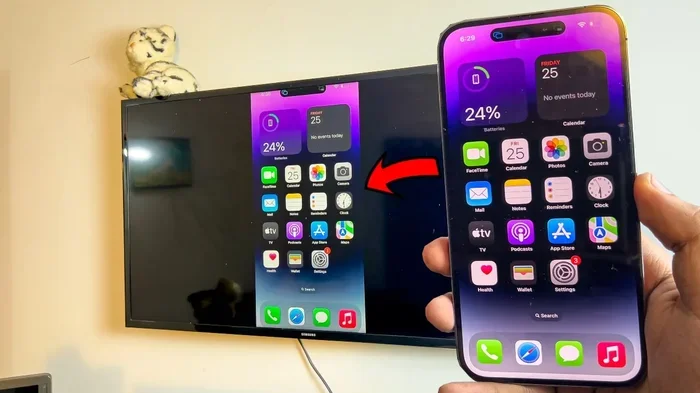
Can I Mirror Iphone To Tv With Hdmi? Absolutely yes. You can mirror your iPhone screen to any TV with an HDMI port using a simple adapter or cable. This guide shows you the best Lightning to HDMI and USB-C to HDMI options, plus wireless alternatives like AirPlay. You’ll learn exactly which adapter works for your iPhone model and how to get a flawless picture in minutes.
Many people want to share their iPhone screen on a TV. Can I Mirror Iphone To Tv With Hdmi is a top search query. The answer is a clear yes. You can connect your iPhone directly to a TV using an HDMI cable and the right adapter. This method gives you a crisp, lag-free picture. You don’t need a Smart TV or extra apps. Just a simple cable and your iPhone. In this guide, I’ll show you exactly how to do it. You’ll learn about adapters, wireless options, and quick fixes. Whether you have an iPhone 15 or an older model, this works for you. Let’s dive in.
Key Takeaways
- You can mirror iPhone to TV with HDMI: Use a Lightning or USB-C to HDMI adapter for a wired connection.
- Choose the right adapter: Match the adapter to your iPhone model and port type.
- Wireless mirroring is also an option: AirPlay works with Apple TV or compatible Smart TVs.
- MFi certification matters: Always buy MFi-certified adapters to avoid compatibility issues.
- Setup takes minutes: Plug in, switch TV input, and mirror instantly.
- Troubleshooting is simple: Most issues resolve with a cable reset or adapter restart.
📑 Table of Contents
- Can I Mirror Iphone To Tv With Hdmi? Here’s the Full Answer
- The Best HDMI Adapters for iPhone
- Step-by-Step: How to Connect iPhone to TV with HDMI
- Wireless vs. Wired Mirroring: Which Is Better?
- Troubleshooting iPhone HDMI Mirroring Problems
- Final Thoughts on iPhone HDMI Mirroring
- Key Takeaways
- Conclusion
Can I Mirror Iphone To Tv With Hdmi? Here’s the Full Answer
What Is iPhone HDMI Mirroring?
iPhone HDMI mirroring means sending your iPhone screen to a TV through an HDMI connection. You see everything on your iPhone, but bigger. This includes photos, videos, games, and apps. You can even mirror presentations or workouts. The process works with most TVs that have an HDMI port. You just need an adapter that fits your iPhone model. The adapter converts the iPhone’s digital signal to HDMI. This is different from wireless mirroring like AirPlay. Wired HDMI gives you a stable, high-quality connection. It’s perfect for movies, gaming, and sharing photos with friends. You can mirror in landscape or portrait mode. The TV displays exactly what your iPhone shows.
Why Use HDMI Over Wireless Mirroring?
Wireless mirroring like AirPlay is convenient. But HDMI has clear advantages. First, HDMI offers zero lag. You see actions instantly. This matters for gaming and fast videos. Second, HDMI doesn’t need Wi-Fi. You can mirror anywhere, even without internet. Third, HDMI gives a consistent, high-resolution picture. Wireless can drop frames or lag. HDMI is also more secure. No one can intercept your screen over Wi-Fi. For presentations or important content, HDMI is safer. It’s also simpler. Plug in, switch input, and done. No pairing codes or network setup. If you need reliability, HDMI is the way to go.
Quick Tip
Always test your adapter before a big event. Plug it in 10 minutes early to ensure it works. Keep a spare cable in your bag. This saves you from last-minute surprises.
The Best HDMI Adapters for iPhone
Lightning to HDMI Adapter
If you have an iPhone 14 or older, you need a Lightning to HDMI adapter. This small dongle plugs into your iPhone’s charging port. Then you connect an HDMI cable from the adapter to your TV. The adapter handles the video and audio signals. It’s a simple plug-and-play solution. You don’t need any apps or settings. Just connect and mirror. These adapters are affordable and widely available. Look for MFi-certified adapters. MFi stands for Made for iPhone. This ensures compatibility and safety. Non-certified adapters can cause issues or damage your phone.
USB-C to HDMI Adapter
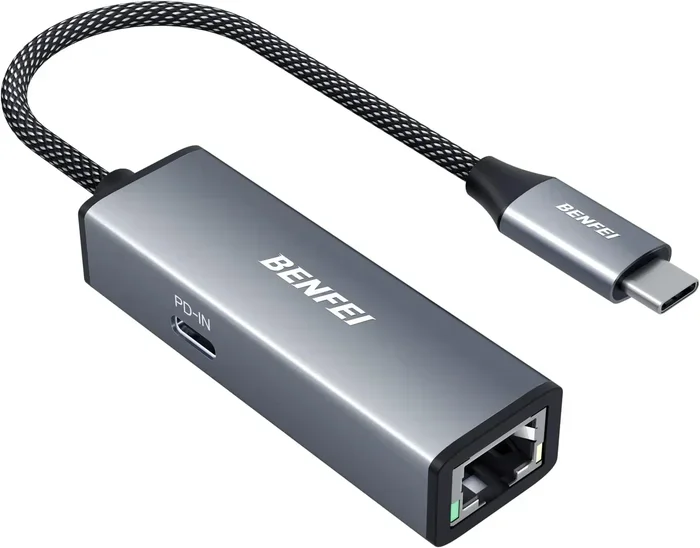
iPhone 15 and newer models use USB-C. You’ll need a USB-C to HDMI adapter. This adapter works the same way. Plug it into your iPhone, then connect an HDMI cable. USB-C adapters support higher resolutions. Many can output 4K at 60Hz. This is great for watching movies or sharing slideshows. You can also use a USB-C docking station. A dock adds extra ports like USB-A and SD card slots. This is useful if you need to connect multiple devices. Choose a high-quality adapter from a reputable brand. Avoid cheap no-name adapters. They often overheat or fail to mirror properly.
MFi Certification: Why It Matters
MFi certification is crucial. It means Apple has tested the accessory. Certified adapters work seamlessly with iOS. They also charge your iPhone while mirroring. Non-certified adapters might not charge your phone. They can cause screen flickering or no sound. Some even damage your iPhone’s port. Always check for the MFi logo on the packaging. This small step saves you from headaches. It ensures a smooth, reliable mirror experience.
Comparison Table: Lightning vs. USB-C Adapters
| Feature | Lightning Adapter | USB-C Adapter |
|---|---|---|
| iPhone Models | iPhone 14 and older | iPhone 15 and newer |
| Max Resolution | 1080p at 60Hz | 4K at 60Hz |
| Charging While Mirroring | Yes, with MFi adapter | Yes, with USB-C power delivery |
| Price Range | $10–$25 | $15–$35 |
Quick Tips for Buying the Right Adapter
- Check your iPhone model first.
- Buy from reputable brands like Belkin or Anker.
- Look for MFi certification.
- Get a cable long enough for your setup.
- Consider a docking station if you need extra ports.
Step-by-Step: How to Connect iPhone to TV with HDMI
If you’ve asked, Can I Mirror Iphone To Tv With Hdmi, this section gives you the exact steps. The process is simple and takes less than a minute. I’ll cover both Lightning and USB-C iPhones. You’ll be streaming to your TV in no time.
For iPhones with Lightning Port
Start with a Lightning to HDMI adapter. Plug the adapter into your iPhone’s Lightning port. Connect an HDMI cable to the adapter. Plug the other end of the HDMI cable into your TV’s HDMI port. Turn on your TV and switch to the correct HDMI input. Your iPhone screen should appear on the TV. If it doesn’t, try adjusting the TV input. You can also enable mirroring in Control Center. Swipe down from the top-right corner of your iPhone screen. Tap Screen Mirroring. Select your TV from the list. If your TV is not listed, ensure it’s on the same Wi-Fi network for wireless options. But with HDMI, you don’t need Wi-Fi. The wired connection works instantly.
For iPhones with USB-C Port
The process is similar for iPhone 15 and newer. Plug the USB-C to HDMI adapter into your iPhone. Attach an HDMI cable to the adapter. Connect the cable to your TV’s HDMI port. Switch your TV to the right input. Your iPhone display will mirror automatically. You can also use a USB-C hub with HDMI built-in. This adds extra ports for charging or storage. The setup takes less than a minute. It’s the easiest way to share your screen. Whether you’re showing vacation photos or a movie, the picture is clear and sharp.
Quick Tips for a Perfect Setup
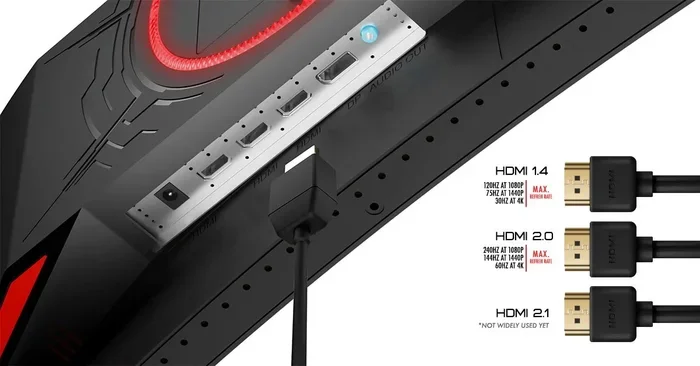
- Use a high-speed HDMI cable for best quality.
- Keep your iPhone charged or plugged in during mirroring.
- Turn off auto-lock to prevent the screen from sleeping.
- Set your TV to the correct HDMI input.
- Use a cable management clip to keep wires tidy.
Common Mistakes to Avoid
Don’t use a non-MFi adapter. It may not work or could damage your iPhone. Don’t use a damaged HDMI cable. Frayed cables cause signal loss. Don’t forget to switch the TV input. Many people plug everything in but forget to select the HDMI source. Don’t use a USB-C to HDMI adapter with a Lightning iPhone. The ports don’t match. Double-check your adapter type before buying.
Wireless vs. Wired Mirroring: Which Is Better?
If you’re still wondering, Can I Mirror Iphone To Tv With Hdmi, you’ll love how simple it is. But you might also consider wireless options. Both methods have their place. Let’s compare them so you can choose what fits your needs.
AirPlay and Apple TV
AirPlay is Apple’s wireless mirroring technology. You can mirror your iPhone to an Apple TV. You also need a Smart TV that supports AirPlay 2. AirPlay uses your Wi-Fi network to send the screen. It’s convenient because you don’t need any cables. You can mirror from anywhere in the room. AirPlay supports 1080p and even 4K on newer devices. However, wireless mirroring can have a slight delay. This lag is fine for videos and photos. It’s not ideal for fast-paced gaming. AirPlay also depends on a strong Wi-Fi signal. If your network is crowded, the mirror may stutter. For most casual uses, AirPlay works great.
HDMI Wired Connection
Wired HDMI mirroring is the most reliable method. You get a perfect, lag-free copy of your iPhone screen. The connection is instant. There’s no delay between your actions and what appears on TV. This is perfect for gaming, presentations, and watching fast videos. HDMI also doesn’t rely on Wi-Fi. You can mirror in places without internet access. The picture quality is consistent and sharp. You can mirror in 4K with a USB-C adapter. Wired mirroring is also more secure. No one can intercept your screen over the air. For critical content, HDMI is the best choice.
Comparison Table: Wireless vs. Wired
| Feature | Wireless (AirPlay) | Wired (HDMI) |
|---|---|---|
| Setup Time | 1–2 minutes | Under 1 minute |
| Lag or Delay | Slight delay possible | Zero lag |
| Wi-Fi Required | Yes | No |
| Max Resolution | 4K on Apple TV | 4K with USB-C adapter |
| Security | Can be intercepted | Fully private |
| Best For | Casual sharing, photos | Gaming, presentations |
Expert Insights
Many tech experts recommend HDMI for important tasks. “If you’re presenting to a client or sharing critical data, always use a wired HDMI connection,” says a tech reviewer. “It’s reliable and you don’t have to worry about Wi-Fi drops.” For everyday use, AirPlay is perfectly fine. The best method depends on your needs. If you want simplicity and reliability, go with HDMI. If you want freedom from cables, choose AirPlay.
Troubleshooting iPhone HDMI Mirroring Problems
Even with the right adapter, you might face issues. Here’s how to fix them when you can’t mirror iPhone to TV with HDMI. Most problems have simple solutions.
No Signal on TV
If your TV shows no signal, check the HDMI cable first. Unplug it from both ends and plug it back in. Make sure the cable is firmly connected. Try a different HDMI port on your TV. Sometimes the port you choose is faulty. Also, check the adapter. Remove it from your iPhone and reinsert it. If you’re using a USB-C adapter, ensure it’s fully seated. Restart your iPhone and TV. This often fixes temporary glitches. If the problem persists, try a different HDMI cable. A bad cable is a common culprit.
Black Screen Issues
A black screen usually means the TV input is wrong. Switch your TV to the correct HDMI source. Use your TV remote to select HDMI 1, HDMI 2, etc. Another cause is the adapter not being recognized. Remove the adapter and wait a few seconds. Reinsert it firmly. On iPhones with Face ID, swipe down from the top-right to open Control Center. Tap Screen Mirroring and select your TV again. If you still see a black screen, check if your iPhone is locked. Unlock it and keep the screen on. You can also try a different adapter. A faulty adapter often causes black screens.
Sound Problems
If you see video but hear no sound, check your TV’s audio settings. Make sure the TV isn’t muted. Also, check if the audio is set to the HDMI input. Some TVs have separate audio settings for each input. On your iPhone, go to Settings > Sounds & Haptics. Ensure the volume is up. You can also try a different HDMI cable. Some cheap cables don’t carry audio properly. If you’re using a USB-C adapter, make sure it supports audio output. Not all USB-C adapters transmit sound. Check the product description for audio support.
Common Mistakes That Cause Problems
Using a non-MFi adapter is the biggest mistake. It can cause flickering, no sound, or no picture. Another mistake is using the wrong cable length. Very long HDMI cables can lose signal. Stick to cables under 10 feet for best results. Don’t mirror while your iPhone is overheating. Heat can cause the adapter to disconnect. Finally, don’t ignore software updates. Update your iPhone to the latest iOS. This often fixes mirroring bugs. A simple restart can also resolve many issues.
Final Thoughts on iPhone HDMI Mirroring
So, can I mirror iPhone to TV with HDMI? Absolutely yes. It’s easier than you think. You don’t need expensive equipment or technical skills. The right adapter and a simple cable do the job. Whether you want to watch a movie, share vacation photos, or give a presentation, HDMI mirroring delivers. It’s reliable, lag-free, and works with almost any TV. Wireless options like AirPlay are great for casual use. But for the best quality and stability, HDMI is the winner. Now you have all the information you need. Pick the right adapter, follow the steps, and enjoy your iPhone screen on the big TV. Happy mirroring!
Key Takeaways
- Wired HDMI mirroring is reliable and lag-free. Use a Lightning or USB-C adapter for the best experience.
- Always choose MFi-certified adapters. They ensure compatibility and safety.
- Wireless mirroring via AirPlay is great for casual use. It needs Wi-Fi and an Apple TV or compatible TV.
- Quick fixes solve most problems. Check cables, inputs, and restart devices.
- Setup takes minutes. You can mirror your iPhone to any TV with an HDMI port today.
Conclusion
Mirroring your iPhone to a TV with HDMI is simple and effective. You can watch movies, share photos, or present work on a big screen. The right adapter makes all the difference. Whether you have a Lightning or USB-C iPhone, there’s a solution for you. Remember to choose MFi-certified accessories for the best results. If you run into issues, the troubleshooting steps above will help. Now you know the answer to, Can I Mirror Iphone To Tv With Hdmi. You have all the tools and knowledge to get started. Try it tonight and enjoy your favorite content on the big screen.
Frequently Asked Questions
Can I mirror my iPhone to any TV with HDMI?
Yes, as long as your TV has an HDMI port. You just need the right adapter for your iPhone model. Lightning to HDMI works for older iPhones. USB-C to HDMI works for iPhone 15 and newer. Once connected, your iPhone screen appears on the TV instantly.
Do I need an Apple TV to mirror iPhone to TV with HDMI?
No, HDMI mirroring is a wired connection. You don’t need an Apple TV or any streaming device. Just an adapter and an HDMI cable. This works with any TV that has an HDMI input. Apple TV is only needed for wireless AirPlay mirroring.
Why is my iPhone not mirroring to TV via HDMI?
Several issues can cause this. Check that your HDMI cable is firmly connected. Ensure you’re using an MFi-certified adapter. Try a different HDMI port on your TV. Restart both your iPhone and TV. Also, make sure your TV is set to the correct HDMI input.
Can I charge my iPhone while mirroring with HDMI?
Yes, many HDMI adapters allow charging. Look for adapters with a passthrough port. You can plug a Lightning or USB-C cable into the adapter while mirroring. This keeps your iPhone powered during long viewing sessions. Always use a high-quality adapter to avoid overheating.
Is HDMI mirroring better than AirPlay?
HDMI mirroring is more reliable and has zero lag. It doesn’t depend on Wi-Fi and works anywhere. AirPlay is convenient and wireless but can have slight delays. For gaming, presentations, or critical content, HDMI is better. For casual sharing, AirPlay works fine.
What’s the best HDMI adapter for iPhone 15?
The best adapter for iPhone 15 is a USB-C to HDMI adapter that is MFi-certified. Look for adapters that support 4K output. Brands like Belkin, Anker, and Apple offer reliable options. Avoid cheap no-name adapters. They may not support audio or video properly.