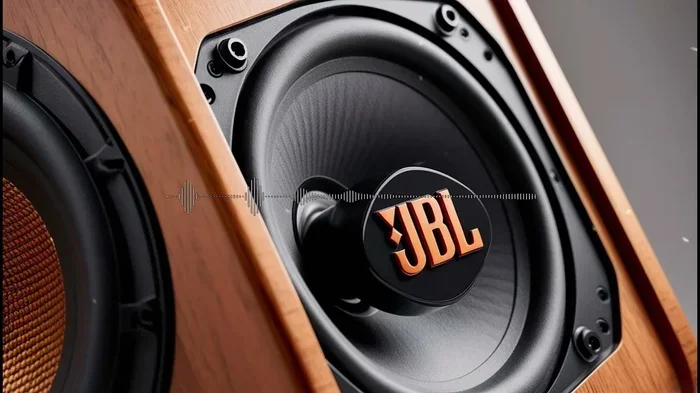
Can You Get Bass Without a Subwoofer Here Are 5 Ways
Can you get bass without a subwoofer? Absolutely! You can still enjoy rich, deep low frequencies using smart speaker choices, equalizer tweaks, room adjustments, and bass-reflex designs. These 5 practical methods work for home theater, car audio, or any listening space. Whether you want deep bass from bookshelf speakers or a soundbar with built-in power, there is a solution for every budget.
You love music. You love movies. But you do not want a big, bulky subwoofer taking up floor space. Maybe you live in a small apartment. Maybe you share a room with a partner who hates rattling walls. Or maybe you just want a cleaner, simpler speaker system. Whatever your reason, the big question remains.
Can you get bass without a subwoofer? The short answer is yes. The longer answer is even better. You have more options than you think. In this guide, we will walk through five proven ways to get deep bass without adding a subwoofer to your setup. Each method works for different budgets, rooms, and listening preferences. Let us dive in.
Before we get started, let us quickly talk about what bass actually is. Bass refers to the low-frequency sounds in audio. Think of the rumble in a movie explosion. Think of the thump in a hip-hop track. These sounds typically live below 200 Hz. A subwoofer is simply a speaker designed to reproduce those low frequencies. But you do not need one special box to hear them. Your existing speakers, your room, and your settings can all help.
Key Takeaways
- Soundbars with built-in bass drivers can replace a subwoofer and still deliver satisfying low-end punch.
- Equalizer settings let you boost bass frequencies on any speaker system for a richer sound.
- Bookshelf speakers with bass reflex ports move more air and produce deeper tones than sealed designs.
- Room placement and acoustics dramatically affect how much bass you hear from any speaker.
- Powered speakers with dedicated amplifiers can handle low frequencies better than passive setups.
- Bass enhancement technology in modern audio devices makes subwoofers less necessary than ever.
📑 Table of Contents
- Why Bass Matters Even Without a Subwoofer
- Way 1: Use a Soundbar with Built-In Bass Enhancement
- Way 2: Fine-Tune Your Equalizer Settings
- Way 3: Pick the Right Bookshelf Speakers for Bass
- Way 4: Optimize Your Room Acoustics for Deep Bass
- Way 5: Try a Bass-Reflex or Ported Speaker Design
- Bonus: Use Powered Speakers with Built-In Amplifiers
- Common Mistakes That Kill Your Bass
- Expert Insights on Getting Bass Without a Subwoofer
- Final Thoughts
Why Bass Matters Even Without a Subwoofer
Bass is not just about feeling the floor shake. It adds warmth, fullness, and depth to any audio experience. Without enough low-end response, music can sound thin and lifeless. Movies can feel flat and boring. Even podcasts lose their punch without a solid bass response. Many people assume that only a dedicated subwoofer can fill this gap. That is not true at all.
Modern speakers have come a long way. Engineers have found clever ways to push low frequencies from smaller drivers. Bass reflex designs, ported enclosures, and digital signal processing all help. You can get surprisingly rich low frequency output from a well-designed speaker. The key is knowing where to look and how to set things up.
Here is something important to remember. Bass perception depends on more than just the speaker. Room size, speaker placement, and even wall materials all play a role. We will cover all of this. By the end, you will know exactly how to get the bass you want without a subwoofer. Let us move on to the first method.
Way 1: Use a Soundbar with Built-In Bass Enhancement
A soundbar is one of the easiest ways to add bass without a separate subwoofer. Many modern soundbars come with built-in bass drivers. These are larger speakers inside the bar that handle low frequencies on their own. You do not need an external box at all.
Some soundbars even include wireless bass modules that are much smaller than traditional subwoofers. These compact units slip behind a couch or sit on a shelf. They do not take up much space. But they still deliver satisfying low-end punch. Brands like Sonos, Vizio, and Samsung make options in many price ranges.
When shopping for a soundbar with bass, look for a few key features. A wider frequency range is better. You want the bar to reach down to at least 40 Hz. Also check if it has a dedicated bass channel. Some bars split audio duties between tweeters for high sounds and woofers for low sounds. This separation creates a cleaner, fuller experience.
What to Look for in a Bass-Enhanced Soundbar
- Frequency response below 60 Hz — this ensures real bass reproduction
- Multiple driver sizes — larger drivers move more air
- Built-in amplification — powered soundbars perform better than passive ones
- Wireless bass module support — gives you flexibility without extra wiring
- Room calibration features — auto-adjusts sound based on your space
Keep in mind that a soundbar is not a perfect replacement for a dedicated subwoofer in large rooms. But for most living spaces, it works great. You get the bass you need without the clutter. That is a win for many people.
Way 2: Fine-Tune Your Equalizer Settings
This is one of the simplest and cheapest ways to boost bass. Your audio device likely has an equalizer or EQ setting. This tool lets you adjust different frequency bands. You can turn up the low frequencies to get more deep bass from your existing speakers.
You can find EQ settings on many devices. Smartphones have them in music apps. Smart TVs have them in audio menus. Streaming devices like Roku and Apple TV include EQ options. Even some Bluetooth speakers have built-in EQ presets. You do not need any extra equipment.
The trick is to know which frequencies to boost. The bass range typically sits between 20 Hz and 200 Hz. Try raising the bands in that range by a few decibels. Do not push it too far. Too much bass boost can cause distortion. You want a balanced sound that feels full, not muddy.
Recommended EQ Settings for More Bass
- Boost the 60 Hz to 100 Hz range — this adds warmth and body to music
- Slightly raise the 100 Hz to 200 Hz range — this adds fullness without boominess
- Keep mid and high frequencies flat — this prevents the sound from getting harsh
- Use a gentle slope — boost low end gradually, not all at once
- Test with familiar songs — use tracks you know well to judge the changes
Many audio apps also offer preset EQ modes like “Bass Boost,” “Warm,” or “Rich.” These presets do the work for you. They are a great starting point. You can then fine-tune from there. This method works with any speaker system, whether it is a pair of bookshelf speakers or a desktop setup.
Way 3: Pick the Right Bookshelf Speakers for Bass
Bookshelf speakers are compact and versatile. But not all of them deliver the same bass response. Some models are designed specifically to produce deeper low frequencies. Choosing the right pair can make a huge difference.
Look for speakers with a frequency response that extends below 50 Hz. The lower the number, the deeper the bass. Also pay attention to driver size. A 6.5-inch or 8-inch woofer will generally produce more bass than a 3-inch or 4-inch driver. Bigger drivers move more air, and more air means deeper sound.
Another important factor is the speaker enclosure design. Bass reflex speakers use a port or tube to enhance low-frequency output. The port allows air to move in and out, which reinforces bass tones. Sealed enclosures are tighter and more accurate but usually produce less deep bass. If your goal is maximum low-end without a subwoofer, go with a bass reflex design.
Top Features to Look for in Bass-Friendly Bookshelf Speakers
- Bass reflex port — boosts low-frequency output naturally
- Larger woofer size — 6.5 inches or bigger for deeper bass
- Frequency response down to 40 Hz or lower — indicates real bass capability
- High sensitivity rating — gets louder with less power
- Built-in amplification — powered speakers often handle bass better
Some great options include the Kanto YU6, the ELAC Debut B6.2, and the Audioengine A5+. These speakers are known for their solid bass performance despite their small size. They work well in bedrooms, offices, and medium-sized living rooms. You will be surprised how much low-end they can produce.
Way 4: Optimize Your Room Acoustics for Deep Bass
Here is something many people overlook. Your room itself affects how much bass you hear. Sound waves bounce off walls, floors, and ceilings. In small rooms, bass can build up and sound boomy. In large rooms, bass can disappear entirely. Understanding this helps you get better bass response from any speaker.
Speaker placement is one of the biggest factors. Placing speakers near corners boosts bass because walls reflect low frequencies back into the room. Try moving your speakers away from corners if the bass sounds too muddy. A few inches of adjustment can make a big difference.
Room treatment also plays a role. Soft materials like rugs, curtains, and upholstered furniture absorb some bass energy. This reduces boomy, muddy sound. Hard surfaces like tile floors and bare walls reflect bass and can create uneven response. Adding soft elements to your room helps balance things out.
Quick Tips for Better Bass Through Room Setup
- Place speakers at least 12 inches from corners — reduces boominess
- Use a rug on hard floors — absorbs excess bass reflections
- Add bookshelves or furniture against bare walls — breaks up standing waves
- Try the “subwoofer crawl” method — place the speaker where you sit and crawl around the room to find the smoothest bass spot
- Avoid placing speakers in the center of a wall — this can create null spots where bass disappears
You do not need expensive acoustic panels to see improvement. Simple rearrangements can go a long way. Even moving a speaker to a different spot on the same shelf can change the bass output noticeably. Take some time to experiment. Your ears will tell you when you have found the sweet spot.
Way 5: Try a Bass-Reflex or Ported Speaker Design
We touched on this earlier, but it deserves its own section because it is so effective. A bass reflex speaker uses a port or tube in the enclosure to enhance low-frequency output. This design is one of the most popular in the audio world. And for good reason.
The port works by allowing the back wave of the speaker driver to combine with the front wave. This reinforcement effect makes the speaker produce more bass than a sealed enclosure of the same size. The result is deeper, louder low-end without needing a separate subwoofer.
Ported speakers come in all shapes and sizes. You can find them in bookshelf speakers, floor-standing models, and even some soundbars. They are widely available and come in many price ranges. If you want bass enhancement built right into the speaker design, this is the way to go.
Bass Reflex vs. Sealed Enclosures
Here is a quick comparison to help you understand the difference.
| Feature | Bass Reflex (Ported) | Sealed Enclosure |
|---|---|---|
| Bass Depth | Deeper and louder low frequencies | Tighter and more accurate bass |
| Size | Requires a port, slightly larger | More compact design |
| Power Handling | Handles more power at low frequencies | Less efficient at very low frequencies |
| Best For | Home theater, music with heavy bass | Precision listening, smaller rooms |
| Group Delay | Slight delay in bass response | Instant, tight bass response |
For most people looking to replace a subwoofer, a bass reflex design is the better choice. It gives you the deep bass you crave in a single speaker. Sealed speakers are great for accuracy, but they simply cannot match the low-end output of a ported design.
Bonus: Use Powered Speakers with Built-In Amplifiers
If you want even more control over your bass, consider powered speakers. These speakers have amplifiers built right into the cabinet. This means each speaker gets its own dedicated power source. The result is often better bass performance than passive speakers paired with a separate amplifier.
Powered speakers also tend to have better crossover networks. The crossover splits audio signals between the woofer and tweeter. A well-designed crossover ensures the woofer handles all the low frequencies efficiently. This means more bass output and less strain on the driver.
Many powered bookshelf speakers on the market today are designed with bass in mind. The Audioengine HD6, the Klipsch The Fives, and the Edifier S3000Pro are all excellent examples. They deliver rich, full sound right out of the box. No extra equipment needed.
One more thing to consider. Some powered speakers include built-in bass boost controls. This lets you dial in the exact amount of low-end you want. You can adjust it for different types of music or movies. It is a simple feature that makes a big difference.
Common Mistakes That Kill Your Bass
Even with the best setup, some common mistakes can ruin your bass response. Here are a few things to avoid.
- Placing speakers in the exact center of a wall — this creates dead spots where bass disappears
- Over-boosting the EQ — too much bass boost causes distortion and muddiness
- Ignoring room size — small speakers in large rooms simply cannot produce enough bass
- Using cheap audio cables — poor connections can reduce signal quality and weaken bass
- Putting speakers on unstable surfaces — vibrations from the surface can interfere with clean bass
Avoid these mistakes and your bass without a subwoofer setup will sound much better. Small changes can lead to big improvements.
Expert Insights on Getting Bass Without a Subwoofer
Audio engineers agree that modern speaker technology has made subwoofers less essential than they once were. Digital signal processing, improved driver materials, and smarter enclosure designs all contribute. According to many experts, a well-placed bass reflex speaker in a treated room can deliver 80% of the bass impact of a full subwoofer setup.
Industry professionals also recommend starting with the room. Before buying anything, spend time listening to your current setup. Move speakers around. Try different positions. Often, the best bass improvement costs nothing at all. Once you have optimized placement, then consider upgrading your equipment.
The bottom line is this. You have more tools at your disposal than ever before. Bass enhancement technology has advanced rapidly. From smart EQ to ported enclosures to compact soundbars, the options are plentiful. You do not need a subwoofer to enjoy rich, satisfying low frequencies.
Final Thoughts
Can you get bass without a subwoofer? Without a doubt, yes. You have five solid paths to explore. Use a soundbar with built-in bass. Adjust your equalizer settings. Choose the right bookshelf speakers with a bass reflex design. Optimize your room acoustics. Or invest in powered speakers with strong low-frequency handling.
Each method has its strengths. You might combine several of them for the best results. A bass reflex speaker placed in the right spot with some EQ tweaks can sound incredible. The key is to experiment and trust your ears.
Start with one method. See how it sounds. Then add another if needed. Over time, you will build a setup that delivers the deep bass you love without the bulk of a subwoofer. Your listening experience will improve in ways you did not expect. Happy listening.
Frequently Asked Questions
Can a soundbar replace a subwoofer completely?
In many cases, yes. A high-quality soundbar with built-in bass enhancement can deliver satisfying low frequencies for most rooms. However, very large rooms or dedicated home theater setups may still benefit from a separate subwoofer. It depends on your space and expectations.
What Hz is considered good bass for speakers?
Frequencies below 100 Hz are generally considered bass. For deep, impactful bass, look for speakers that reproduce down to 40 Hz or lower. This range covers the rumble and thump you feel in music and movies. Most bookshelf speakers with a bass reflex design can reach this range.
Do bookshelf speakers need a subwoofer?
Not necessarily. Many modern bookshelf speakers are designed to handle a wide frequency range on their own. Choosing models with larger woofers and ported enclosures can give you strong bass without any extra equipment. It really depends on the speaker model.
How can I improve bass in a small room without a subwoofer?
Start by adjusting your equalizer settings to boost low frequencies. Place your speakers near corners to naturally amplify bass. Add soft furnishings to reduce harsh reflections. A bass reflex speaker placed in the right spot can make a dramatic difference in a small space.
Is bass boost bad for your speakers?
Moderate bass boost is generally safe. But pushing the EQ too high can cause distortion and strain the speaker drivers. Always boost bass gradually and listen for any signs of clipping or muddiness. A little goes a long way.
What is the difference between a woofer and a subwoofer?
A woofer is a speaker driver that handles mid to low frequencies, typically from about 40 Hz to 2,000 Hz. A subwoofer is specialized for the lowest frequencies, usually below 100 Hz. Many bookshelf speakers use woofers that can reach surprisingly low, which is why they can produce good bass on their own.