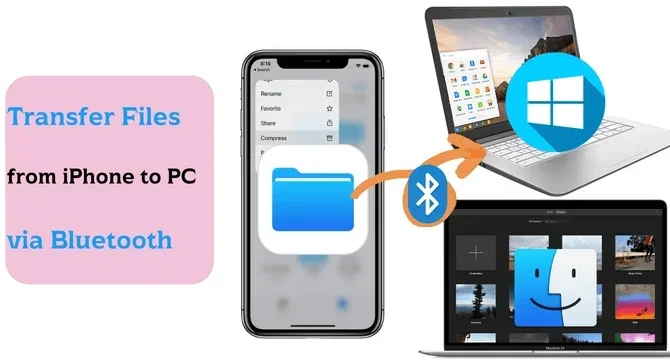
How Do I Send Bluetooth From My Iphone Right Now
Sending Bluetooth from your iPhone is easier than you think. This guide walks you through every step, from turning on Bluetooth to pairing devices and fixing common issues. You will learn how do I send Bluetooth from my iPhone quickly, safely, and without any hassle.
Have you ever wanted to send something from your iPhone using Bluetooth and just did not know where to start? You are not alone. Many people ask themselves, “how do I send Bluetooth from my iPhone” every single day. The good news is that it is not as complicated as it sounds. Once you understand the basics, you will be sharing files and connecting devices in minutes.
This guide covers everything you need to know. We will walk through turning on Bluetooth, pairing devices, sending files, and fixing common problems. Whether you are new to iPhone or just need a quick refresher, you are in the right place. Let us get started and make your Bluetooth experience smooth and stress-free.
Key Takeaways
- Turn on Bluetooth in seconds: You can enable Bluetooth from the Control Center or Settings app in just a few taps.
- Pairing is simple: Putting your iPhone in discovery mode lets you connect to speakers, headphones, and other devices fast.
- Troubleshooting is straightforward: Restarting, updating iOS, and resetting network settings fix most Bluetooth problems.
- AirDrop is an alternative: For Apple-to-Apple transfers, AirDrop is often faster and more reliable than Bluetooth.
- Keep your devices updated: Running the latest iOS version ensures the best Bluetooth performance and compatibility.
- Distance matters: Bluetooth has a range of about 30 feet, so stay close to your connected device for the best experience.
📑 Table of Contents
- What Is Bluetooth on iPhone and Why Does It Matter?
- How Do I Send Bluetooth From My iPhone: Step-by-Step Guide
- Common Bluetooth Problems and How to Fix Them
- Bluetooth vs. AirDrop: Which Should You Use?
- Best Bluetooth Devices for iPhone Users
- Tips for Better Bluetooth Performance on iPhone
- Quick Tips Section
- Common Mistakes to Avoid
- Expert Insights
- Conclusion
What Is Bluetooth on iPhone and Why Does It Matter?
Bluetooth is a wireless technology that lets your iPhone talk to other devices without using cables. It uses short-range radio waves to transfer data between gadgets. You can connect headphones, speakers, keyboards, and even other phones using Bluetooth.
Understanding Bluetooth pairing is the first step. When two devices “pair,” they create a secure wireless link. Once paired, they remember each other and reconnect automatically. This makes daily tasks like listening to music or sharing photos much more convenient.
Your iPhone supports Bluetooth 5.0 or later, depending on the model. Newer versions offer faster transfer speeds and better range. This means your wireless connectivity experience is smoother than ever before. Whether you are using Bluetooth headphones or a Bluetooth speaker, the process is similar and easy to follow.
How Bluetooth Works on iPhone
When you turn on Bluetooth enabled mode on your iPhone, it starts searching for nearby devices. Your phone broadcasts a signal that other Bluetooth devices can detect. Once you select a device, the two establish a paired connection.
The Bluetooth range is typically about 30 feet or 10 meters. Walls and obstacles can reduce this distance. For the best results, keep your devices close together during the initial pairing process. After that, you can move around freely within range.
How Do I Send Bluetooth From My iPhone: Step-by-Step Guide
Now that you understand the basics, let us dive into the actual steps. Learning how do I send Bluetooth from my iPhone is a skill everyone should have. It saves time, reduces cable clutter, and makes your daily routine more efficient.
Step 1: Turn On Bluetooth
First, you need to make sure Bluetooth is turned on. There are two easy ways to do this.
- Method 1: Control Center. Swipe down from the top-right corner of your screen. Tap the Bluetooth icon to turn it on. The icon will turn blue when active.
- Method 2: Settings App. Open the Settings app on your iPhone. Tap “Bluetooth.” Toggle the switch to ON. You will see a green slider when it is enabled.
Both methods work instantly. I personally prefer Control Center because it is faster. But the Settings app gives you more options, like viewing paired devices and managing connections.
Step 2: Put Your Device in Discovery Mode
Before your iPhone can connect to another device, that device needs to be visible. This is called “discovery mode.” Every device has its own way of entering this mode.
For example, if you are connecting a Bluetooth speaker, you usually hold down the power button or a dedicated Bluetooth button. The speaker will flash a light or announce that it is ready to pair. Check your device manual if you are unsure how to do this.
Step 3: Find and Select the Device
Once your iPhone has Bluetooth on and the other device is in discovery mode, go back to your iPhone. You will see the device name appear under “Other Devices” in the Bluetooth settings. Tap on the name to pair.
Sometimes you will need to enter a PIN or passcode. This is a security measure to protect your connection. Follow any on-screen prompts to complete the pairing process.
Step 4: Send Your File or Data
Now that your devices are paired, you can start sending. The method depends on what you want to share.
- For photos and videos: Open the file, tap the share icon, and look for the Bluetooth option. Select your paired device.
- For documents: Use the share sheet in any app. Choose the Bluetooth-paired device as your destination.
- For audio: If you connected Bluetooth headphones or speakers, your audio will automatically route to that device when you play music or a video.
Keep in mind that Bluetooth is not the fastest way to transfer large files. For quick sharing between iPhones, AirDrop is often a better choice. But for connecting accessories like headphones and speakers, Bluetooth is the way to go.
Common Bluetooth Problems and How to Fix Them
Even when everything seems set up correctly, Bluetooth can act up sometimes. Do not worry. Most issues have simple solutions. Here are the most common problems and how to fix them.
Bluetooth Not Turning On
If your Bluetooth toggle is grayed out or will not switch on, try these steps. First, restart your iPhone. Hold down the side button and either volume button. Slide to power off, then turn it back on.
If that does not work, check for an iOS update. Go to Settings, then General, then Software Update. Install any available updates. Apple often releases fixes for Bluetooth not working issues through these updates.
Device Not Showing Up in the List
Sometimes a device will not appear when you search for Bluetooth connections. This usually happens when the other device is not in discovery mode. Make sure the device is powered on and actively searching for a connection.
Also, check the distance. If the device is too far from your iPhone, it will not show up. Move closer and try again. Removing old or unused paired devices can also help refresh the list.
Paired but No Sound or Connection
This is a frustrating one. You have paired your device, but nothing happens. Start by checking the volume on both your iPhone and the connected device. Sometimes the audio is routed to a different output.
Go to Settings, then Bluetooth, and tap the “i” icon next to your connected device. Make sure the connection is active. If it is, try disconnecting and reconnecting. This simple reset often solves the problem right away.
Bluetooth Keeps Disconnecting
If your connection drops frequently, interference might be the culprit. Other wireless devices, Wi-Fi networks, and even microwaves can disrupt Bluetooth signals. Move away from crowded wireless areas and see if the connection stabilizes.
Another fix is to reset your network settings. Go to Settings, then General, then Transfer or Reset iPhone. Tap Reset, then Reset Network Settings. Note that this will erase your saved Wi-Fi passwords, so have them handy.
Bluetooth vs. AirDrop: Which Should You Use?
iPhone users have two main options for wireless sharing: Bluetooth and AirDrop. Both are useful, but they serve different purposes. Understanding when to use each one makes your life much easier.
AirDrop is Apple’s proprietary sharing tool. It uses a combination of Bluetooth and Wi-Fi to transfer files. It is incredibly fast and works seamlessly between Apple devices. If you want to send photos to a friend with an iPhone, AirDrop is the clear winner.
Bluetooth is more universal. It works with almost any device, not just Apple products. You can connect to Android phones, Windows laptops, and smart home gadgets using Bluetooth. It is also what you use for audio devices like headphones and speakers.
Here is a quick comparison to help you decide:
Quick Comparison Table
- Speed: AirDrop is faster. Bluetooth is slower for large files.
- Compatibility: Bluetooth works with almost any device. AirDrop only works with Apple devices.
- Use Case: Use AirDrop for sharing files between iPhones. Use Bluetooth for connecting accessories and cross-platform sharing.
- Range: Both have similar range of about 30 feet.
- Ease of Use: AirDrop is simpler for file transfers. Bluetooth requires pairing first.
For most iPhone users, I recommend using both tools. AirDrop for quick file sharing and Bluetooth for connecting your favorite wireless devices. Together, they cover all your wireless needs.
Best Bluetooth Devices for iPhone Users
If you are looking to expand your Bluetooth ecosystem, there are great options available. Here are some popular categories and what to look for.
Bluetooth Headphones
Bluetooth headphones are one of the most popular accessories for iPhone users. They give you freedom to move around while listening to music, taking calls, or watching videos. Popular options include AirPods, Sony WH series, and Beats by Dre.
Look for headphones that support Bluetooth 5.0 or higher for the best connection quality. Also check battery life and comfort, especially if you plan to wear them for long periods.
Bluetooth Speakers
A Bluetooth speaker is perfect for outdoor trips, parties, or just enhancing your home audio. JBL, Bose, and Anker are top brands in this space. Most speakers are portable and water-resistant, making them great for any environment.
When choosing a speaker, consider the size, battery life, and sound quality. You do not need to spend a fortune to get great Bluetooth audio. Many mid-range speakers deliver excellent performance.
Bluetooth Keyboards and Mice
If you use your iPhone for work or productivity, a Bluetooth keyboard and mouse can transform your experience. These accessories turn your iPhone into a mini workstation. They are especially useful with iPad and iPhone in landscape mode.
Look for compact designs that are easy to carry. Many Bluetooth keyboards connect instantly and do not require additional software or setup.
Tips for Better Bluetooth Performance on iPhone
Want to get the most out of your Bluetooth connection? Follow these practical tips to improve your experience every single day.
Keep Your iPhone Updated
Apple regularly releases iOS updates that improve Bluetooth performance and fix bugs. Always install the latest version. Go to Settings, General, and Software Update to check.
Keep Devices Close
Bluetooth works best within 30 feet. The further apart your devices are, the weaker the signal. For critical tasks, keep them in the same room for the strongest connection.
Limit Interference
Other wireless devices can cause interference. If you notice connection issues, move away from crowded Wi-Fi areas or turn off nearby Bluetooth devices temporarily. This helps your iPhone focus on the connection that matters.
Forget and Re-Pair Devices
If a device is acting strange, try forgetting it and pairing again. Go to Settings, Bluetooth, tap the “i” icon next to the device, and choose “Forget This Device.” Then start the pairing process fresh.
Charge Your Devices
Low battery can affect Bluetooth performance. Make sure both your iPhone and the connected device have enough charge. Some devices reduce Bluetooth power when the battery is low to conserve energy.
Quick Tips Section
Here are some quick tips to remember:
- Always turn off Bluetooth when you are not using it. It saves battery life on your iPhone.
- Rename your paired devices in Bluetooth settings so you can identify them easily.
- If you are having trouble, toggle Bluetooth off and on again. This simple trick fixes many minor issues.
- Keep your iPhone case thin. Thick cases can block the Bluetooth signal and weaken the connection.
- Restart both devices if the connection drops. A fresh start often resolves temporary glitches.
Common Mistakes to Avoid
Even experienced users make mistakes with Bluetooth. Here are some common ones to watch out for.
- Not checking discovery mode: Your device will not pair if the other gadget is not visible. Always confirm it is in pairing mode first.
- Ignoring software updates: Outdated iOS versions can cause Bluetooth problems. Keep your iPhone current.
- Trying to connect too many devices: Bluetooth has limits. Too many connected devices can slow things down or cause conflicts.
- Forgetting to unpair old devices: Old paired devices clutter your list and can cause confusion. Clean up your Bluetooth list regularly.
- Assuming Bluetooth works like Wi-Fi: Bluetooth is designed for short-range, low-power connections. It is not meant for high-speed internet or large file transfers over long distances.
Expert Insights
From a technical standpoint, Bluetooth technology has come a long way. The latest versions offer improved energy efficiency and faster data transfer. Apple integrates Bluetooth deeply into iOS, making the experience seamless for everyday users.
One thing many people do not realize is that Bluetooth Low Energy (BLE) powers many of the connections you use daily. Fitness trackers, smartwatches, and health devices rely on BLE for efficient, long-lasting connections. Your iPhone handles all of this in the background without any effort from you.
If you run into persistent issues, visiting an Apple Store or authorized service provider is a good idea. They have specialized tools to diagnose hardware-level Bluetooth problems that software fixes cannot resolve.
Conclusion
Learning how do I send Bluetooth from my iPhone opens up a world of wireless convenience. From connecting your favorite headphones to sharing files with friends, Bluetooth makes everyday tasks easier. The steps are simple, and once you get the hang of it, you will wonder how you ever lived without it.
Remember to keep your iPhone updated, your devices charged, and your Bluetooth list clean. Troubleshooting is usually quick and easy. And when in doubt, AirDrop is always there as a reliable alternative for Apple-to-Apple sharing.
Now that you have all the information you need, go ahead and try it out. Turn on your Bluetooth, pair a device, and enjoy the seamless wireless experience your iPhone was designed to deliver. You have got this!
Frequently Asked Questions
How do I know if Bluetooth is turned on on my iPhone?
Look at the Control Center. If the Bluetooth icon is blue, it is on. You can also go to Settings and tap Bluetooth. If the toggle is green, Bluetooth is enabled and ready to use.
Can I send files to an Android phone using Bluetooth from my iPhone?
Yes, you can. Both devices need to have Bluetooth turned on and be in discovery mode. However, the process may vary depending on the Android phone model. Some Android phones support direct Bluetooth file transfer, while others may need a third-party app.
Why does my Bluetooth keep disconnecting from my iPhone?
Interference, distance, or low battery can cause disconnections. Move closer to the device, reduce wireless interference, and make sure both devices are charged. If the problem persists, try forgetting the device and pairing it again.
Is there a limit to how many Bluetooth devices I can pair with my iPhone?
iPhone can store many paired devices, but it can only actively connect to a few at a time. For audio devices, you can usually only stream to one at a time. Some newer iPhone models support connecting to multiple audio devices simultaneously.
Does turning off Bluetooth save battery?
Yes, turning off Bluetooth when you are not using it can save battery life. Bluetooth uses power even when idle. If you are not connected to any device, disabling Bluetooth is a simple way to extend your iPhone battery.
What should I do if my iPhone will not find any Bluetooth devices?
First, make sure Bluetooth is turned on. Then restart both your iPhone and the other device. Check that the other device is in discovery mode. If none of this works, try resetting your network settings or updating your iOS to the latest version.