How Do I Manually Share My WiFi Password From iPhone to Mac
Learning how do I manually share my WiFi password from iPhone to Mac is a simple, fast process that saves you from typing long codes. You can use the built-in Bluetooth prompt or a QR code scanner to connect your devices securely. This guide gives you easy, step-by-step instructions to get your Mac online in seconds.
Have you ever stood right next to your computer, needing to get online, but you do not have the password? It happens to the best of us. You are trying to work or watch a movie, and the internet just will not connect. The good news is that you do not need to ask anyone for the key. You can learn how do I manually share my WiFi password from iPhone to Mac. This process is simple, fast, and works right from your pocket. When you know the steps, you never have to hunt for a sticky note with the code again. Let us walk through the exact method so you can get your Mac online in seconds.
Connecting your devices should be easy. Apple makes it simple when everything works. But sometimes the automatic sync fails. Maybe your iCloud keychain is not updating. Or perhaps you are using a different Apple ID. In these moments, manual sharing saves the day. You take control of the connection. You do not need to wait for a sync to finish. You just use your phone to tell your computer the secret code. It is a reliable backup plan for any tech user. The wireless network stays secure throughout the process. You get the best of both worlds. Convenience and security work hand in hand.
Key Takeaways
- Effortless Connection: You can share your WiFi password directly from your iPhone to your Mac using Bluetooth without typing a single letter.
- Secure Process: The Apple ecosystem uses encrypted Bluetooth pairing to keep your network key safe from outsiders.
- Works Across Devices: This method works for modern Mac computers and iOS devices logged into the same Apple ID.
- Quick Troubleshooting: If the share prompt does not appear, check your Bluetooth settings, unlock both devices, and ensure they are close together.
- Alternative Methods: You can also use QR code scanning or third-party apps if your devices are older or the direct prompt fails.
📑 Table of Contents
- Understanding the Basics of Sharing WiFi Passwords
- Step-by-Step Guide to Manually Share Your WiFi Password
- Comparing Manual Sharing Methods
- Quick Tips for a Smooth Connection
- Troubleshooting Common Issues
- Expert Tips for Securing Your Wireless Network
- Expert Insights on Device Connectivity
- Why This Method Beats Asking for the Password
- Conclusion
Understanding the Basics of Sharing WiFi Passwords
Before you start, it helps to understand why this process works. Apple built a secure system to protect your wireless network. When two devices are close, they can exchange network keys safely. This keeps strangers from jumping on your internet. The method relies on Bluetooth pairing and the Apple ecosystem. Both your iPhone and your Mac must be logged into the same Apple ID. They also need to have Bluetooth turned on. If you have ever wondered how do I manually share my WiFi password from iPhone to Mac, the answer lies in this secure handshake. The devices talk to each other behind the scenes. You just have to give them permission to do so.
The whole process is designed to be seamless. You do not need to be a tech expert. The iOS device and the Mac operating system handle the complex parts for you. When you click on a network, your Mac sends a request. Your iPhone receives this request and shows a prompt. You simply approve it. The password authentication happens instantly. This is the magic of the Apple ecosystem. It turns a complicated task into a simple tap. Your internet connection is established without any typing. It is a beautiful piece of engineering that saves you time every day.
Why Manual Sharing Matters
You might ask why manual sharing is even needed. Sometimes, iCloud keychain does not sync the password. This can happen if you use different Apple IDs. Or maybe your Mac computer is an older model that does not support the latest feature. Manual sharing gives you control. You do not have to rely on automatic cloud syncing. You just use your phone to tell your computer the secret code. It is a reliable backup plan for any tech user. The iOS device and the Mac operating system work together. They use a secure connection to pass the data. This ensures your wireless fidelity stays protected. You get the best of both worlds. Convenience and security work hand in hand.
There are many reasons why automatic sharing might fail. Perhaps your Mac is in a different room with a weak Bluetooth signal. Maybe you recently changed your network password. The devices might not have updated the shared network details yet. In these cases, manual sharing is your best friend. It bypasses the need for iCloud sync. You directly pass the credentials from one device to another. This direct Bluetooth transfer is incredibly fast. It also ensures that your password remains private. No cloud servers are involved in the exchange. Your data stays right between the two devices you own.
The Apple Ecosystem Connection
The Apple ecosystem makes life easy for its users. Your iPhone and Mac are designed to work together. Features like AirDrop and Handoff let them share data. Sharing a WiFi password is just another part of this teamwork. When you are in the same room, the devices recognize each other. They know you are the owner. This is why the prompt appears on your Mac screen when you are near your iPhone. It is a built-in security feature that also makes life convenient. The Bluetooth transfer happens instantly. You do not need cables or extra apps. Just the power of the Apple ecosystem.
Understanding this connection helps you troubleshoot faster. If the prompt does not appear, check your Bluetooth settings first. Is Bluetooth turned on for both devices? Are they within close range? Sometimes, a simple restart of Bluetooth fixes the issue. The Apple ecosystem is designed to be intuitive. But it still needs the right conditions to work. Keep your devices updated to the latest Mac operating system and iOS versions. Updates often improve the WiFi sharing feature. They fix bugs and make the connection even more reliable.
Step-by-Step Guide to Manually Share Your WiFi Password
Now that you know the basics, let us get into the steps. Follow this guide closely to connect your Mac without any trouble. You will be surprised at how quick it is. The process involves a few simple actions on both devices. We will break it down so you can follow along easily.
What You Need Before You Start
You need a few things ready before you begin. First, make sure your iPhone has the WiFi password saved. It should be connected to the network already. Second, turn on Bluetooth on both devices. You can do this in the control center. Third, ensure your Mac computer is awake and unlocked. If the screen is locked, the prompt might not show up. Finally, keep the devices within a few feet of each other. Close proximity helps the Bluetooth signal stay strong. Without these steps, the password authentication might fail.
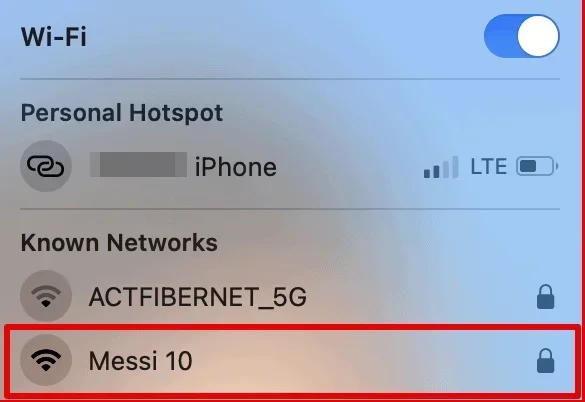
Check your network settings on both devices. On your iPhone, go to Settings and tap WiFi. Make sure you are connected to the internet. On your Mac, click the WiFi icon in the menu bar. Click on the network name you want to join. Then enter the password field and wait. Do not type anything yet. Just click connect and let the system do its work. This small trick ensures that the manual share prompt appears correctly. It sets up the right conditions for a successful connection.
The Physical Proximity Method
This is the most common way to share the key. Start by connecting your Mac to the WiFi network. When you click on the network name, your Mac will ask for the password. Instead of typing it, look at your iPhone. A prompt will appear asking if you want to share the password. Tap Share Password on your iPhone. Your Mac will automatically fill in the code and connect. This is the easiest way how do I manually share my WiFi password from iPhone to Mac. You do not even have to type a single letter. The iOS device handles the heavy lifting. The secure connection is established in seconds.
You will see a notification on your iPhone asking if you want to share the password. It shows the name of the WiFi network. It also shows the Mac computer requesting access. You must tap Share to confirm. Once you do, the password is sent securely. Your Mac connects to the internet right away. This method works because of the secure pairing between the devices. It uses encryption to protect the password during the transfer. No one else can intercept this data. It is a safe and efficient way to get online.
Using a Third-Party App for Older Devices
What if your devices are too old for this trick? Older Macs or iPhones might not support the direct share feature. In that case, you can use a third-party app. Apps like WiFi Password Share or similar tools can help. You scan a QR code from your iPhone. Your Mac camera reads the code and connects. This is a great workaround for users outside the latest Apple ecosystem. Just make sure you download apps from trusted sources. You do not want to share your network key with unsafe software. Also, check your router settings to ensure the network allows external connections. A stable internet connection depends on proper router settings.
QR code sharing is a fantastic alternative. It uses the camera on your Mac to read the code. The code contains the network name and the password. Your Mac reads this and fills in the login details automatically. This method is very fast. It does not require Bluetooth to be on, though Bluetooth helps. You can generate the QR code right from your iPhone. Just make sure the QR code is well lit. Your Mac camera needs to read it clearly. This is especially useful if you are helping a guest connect to your shared network.
Comparing Manual Sharing Methods
There are a few ways to get your Mac online. Let us look at the options side by side. Each method has its own pros and cons. Knowing them helps you pick the best one for your situation. Whether you are using cellular data or a shared network, there is a solution for you.
| Method | Best For | Speed | Security |
|---|---|---|---|
| Direct Bluetooth Prompt | Modern Apple devices | Very Fast | High |
| QR Code Scanner | Older devices or quick sharing | Fast | Medium |
| Typing the Password | When no other options work | Slow | High |
| Router Label | First time connection | Instant | Low |
The direct Bluetooth prompt is the gold standard. It is secure and fast. The QR code method is great for older devices. Typing the password should be your last resort. It takes the most time and is prone to typos. The router label is only good for the initial setup. Once you change your password, the label becomes useless. Choose the method that fits your current situation. For daily use, the Bluetooth prompt is unbeatable.
Quick Tips for a Smooth Connection
Here are some quick tips to make the sharing process even smoother. These small adjustments can save you a lot of frustration. Keep these in mind the next time you need to connect.
- Restart Bluetooth: If the prompt does not appear, turn Bluetooth off and on again. This refreshes the connection.
- Check for Updates: Make sure your Mac operating system and iOS are up to date. Updates fix sharing bugs.
- Stay Close: Keep your iPhone and Mac within three feet of each other. This ensures a strong Bluetooth pairing signal.
- Unlock Both Devices: A locked iPhone or Mac will not show the share prompt. Always unlock your devices first.
Troubleshooting Common Issues
Sometimes, things do not go as planned. Do not worry if the share button does not appear. There are simple fixes for these problems. Here is what to check when the connection fails. Most issues come from small settings that are easy to fix.
When the Password Does Not Work
If the prompt does not show up, check your Bluetooth settings. Both devices need active Bluetooth connections. Also, make sure your iPhone is unlocked. A locked phone will not share the password. You should also check your network settings on the Mac. Sometimes the Mac tries to connect to a different band of the same network. Switching to the 2.4GHz band can fix this issue. Restarting both devices also helps clear temporary glitches. A simple reset of the network settings on the iPhone can work wonders too.
Another common issue is the iCloud keychain being disabled. If iCloud keychain is off, your devices cannot share credentials easily. Go to your iPhone settings and check your Apple ID. Make sure iCloud sync is turned on for passwords. This ensures that your devices are in sync. If you are still having trouble, forget the network on your Mac. Then try to connect again. This forces the Mac to request the password fresh. The prompt should appear right away.
Connection Drops and Fixes
Did your Mac connect but then lose the signal? This happens sometimes. The fix is usually simple. Turn Bluetooth off and back on. Then try sharing the password again. You can also restart your wireless router. A fresh router connection often solves dropping issues. Make sure your internet connection is stable on the iPhone first. If the phone has a strong signal, the Mac should too. You can also try Bluetooth tethering as a backup. This uses your cellular data to keep the Mac online. It is not a permanent fix, but it works in a pinch.
Dropping connections can be very annoying. They interrupt your work and ruin your streaming. To prevent this, check your router settings. Make sure your router is not overloaded. Too many devices on one network can slow things down. Also, check if your wireless network is set to a crowded channel. Changing the channel in your router settings can improve stability. A stable internet connection makes sharing passwords much easier.
Expert Tips for Securing Your Wireless Network
Sharing your password is safe, but you should always protect your network. A secure wireless network keeps your data safe from hackers. Follow these expert tips to stay safe while enjoying your internet connection. Security should always come first.
Quick Tips for Better Security
- Use a strong password: Do not use simple words like 123456. Use a mix of letters and numbers for your shared network.
- Turn off auto-join for public networks: Your iPhone should not automatically connect to strange WiFi spots. This protects your network security.
- Update your router: Keep your router settings up to date. This patches security holes and improves performance.
- Use WPA3 encryption: This is the latest standard for network security. Check your router settings to see if it is available.
Common Mistakes to Avoid
Many people make mistakes when setting up their home network. Avoid these common errors to keep your connection fast and safe. Never share your password in public places. Do not write it on a sticky note stuck to your router. Also, avoid using default network names. A unique name helps you spot your network and avoids confusion. These small steps make a big difference in your network safety. Protecting your shared network is just as important as sharing it.
Another mistake is ignoring software updates. Old Mac operating system versions might have security flaws. Hackers can exploit these flaws to access your network. Keep your iOS device and Mac computer updated. Updates fix known vulnerabilities. They also improve the Bluetooth transfer speed. A well-maintained network is a secure network. Take a few minutes each month to check for updates.
Expert Insights on Device Connectivity
Tech experts love the seamless way Apple devices communicate. The Bluetooth pairing process is one of the best in the industry. It uses a secure channel to exchange data. This means your password is never sent in plain text. The encryption keeps your shared network safe. Experts also praise the iOS device integration. The iPhone knows when a Mac needs help. It steps up to the plate without being asked. This level of integration is rare in the tech world.
Another expert tip is to use a Wi-Fi hotspot as a backup. If your main internet goes down, you can share your iPhone cellular data. This turns your phone into a Wi-Fi hotspot. Your Mac can connect to it just like a regular network. It is a lifesaver when you are working remotely. Just remember that using cellular data uses your data plan. Keep an eye on your usage. A secure connection is great, but a smart connection is even better.
Why This Method Beats Asking for the Password
Asking a friend or family member for the WiFi code is annoying. You have to wait for them to find their phone. They might type it wrong. By learning how do I manually share my WiFi password from iPhone to Mac, you take control. You do not need to bother anyone else. You just use your own devices. This method saves time and keeps things private. Your network key stays between your devices. It is the smartest way to handle internet connections at home or in the office. You become the master of your own internet connection.
This method is also great for guests. If a friend visits, you can share the password quickly. They do not have to watch you type a long, complicated string of characters. The secure connection is established with a single tap. It makes you look like a tech pro. More importantly, it makes your guests happy. They can get online fast and enjoy their visit. This simple trick improves your daily tech life in many ways.
Conclusion
Connecting your Mac to the internet should not be a headache. You now know exactly how do I manually share my WiFi password from iPhone to Mac. This simple skill saves you time and frustration. It keeps you connected when the automatic sync fails. You have learned about the Bluetooth pairing process. You have seen the step-by-step guide. You also know how to fix common problems. Your wireless network is now more accessible than ever.
Take a moment to practice this method. Try it with a friend or family member. The more you do it, the easier it becomes. You will never have to ask for the password again. You have the power to connect your devices yourself. Enjoy the fast, secure, and convenient internet connection. Your Apple ecosystem is working hard for you. Let it do its job and keep you connected every single day.
Frequently Asked Questions
Can I share my WiFi password from my iPhone to a Mac that is not on the same Apple ID?
No, both devices must be logged into the same Apple ID for the direct Bluetooth prompt to work. The Apple ecosystem requires this shared account to verify that you own both devices. If you use different IDs, you will need to type the password manually or use a third-party QR code app.
Why does the share password prompt not appear on my Mac?
The prompt usually does not appear if Bluetooth is turned off or if your devices are too far apart. Make sure both your iPhone and Mac have Bluetooth enabled and are within a few feet of each other. Also, ensure that both devices are unlocked and awake.
Is it safe to share my WiFi password using this method?
Yes, it is completely safe. Apple uses encrypted Bluetooth pairing to transfer the password. This means the data is scrambled and no one else can intercept it. The password is sent directly between your devices without touching any cloud servers.
What should I do if my Mac still will not connect after sharing the password?
First, try turning Bluetooth off and back on for both devices. You can also forget the network on your Mac and try to connect again. If the problem persists, restart your wireless router. A fresh router connection often fixes stubborn network issues.
Can I share my WiFi password with a Windows PC using my iPhone?
The direct share feature only works with Apple devices like Macs. For a Windows PC, you will need to type the password manually or use a QR code scanner app on your iPhone. The QR code method works with any device that has a camera.
Do I need an internet connection on my iPhone to share the WiFi password?
No, you do not need an active internet connection on your iPhone to share the password. You only need the WiFi network saved on your iPhone and Bluetooth turned on. The password is shared locally between the devices using Bluetooth transfer.