Hook Home Theater Surround System Setup for Amazing Sound
Setting up your Hook Home Theater Surround System doesn’t have to be complicated. This guide walks you through every step, from unboxing to final calibration, so you can enjoy immersive audio in your living room. You’ll learn the best speaker placement, connection methods, and quick tweaks that make a huge difference. Whether you’re a beginner or a DIY enthusiast, these tips will help you get the most out of your home entertainment setup.
There’s nothing quite like settling into your favorite couch and losing yourself in a movie with rich, room-filling sound. A Hook Home Theater Surround System can transform your living room into a personal cinema. But the truth is, the system is only as good as its setup.
Many people buy a great surround system and then wonder why it doesn’t sound amazing right out of the box. The secret? It’s all about how you set things up. Speaker placement, cable management, and a little calibration go a long way. In this guide, we’ll walk you through every step to get your home theater system sounding its absolute best.
Whether you’re putting together a new setup or improving an existing one, this article has you covered. We’ll break down the process into simple, actionable steps. No tech degree required. Just follow along and enjoy the journey to amazing sound right in your own home.
Key Takeaways
- Proper Speaker Placement Matters: Positioning your speakers correctly is the single biggest factor in getting great surround sound.
- Calibration Is Key: Running your system’s auto-calibration tool ensures balanced audio across all channels.
- Wireless Options Exist: Many Hook systems support wireless rear speakers, reducing cable clutter.
- Room Acoustics Count: Simple adjustments like rugs and curtains can dramatically improve your sound quality.
- Smart Home Integration: Your Hook system can work with voice assistants for hands-free control.
- Start Simple and Upgrade: You don’t need everything at once. Build your setup gradually for the best results.
📑 Table of Contents
- What Is a Hook Home Theater Surround System?
- Planning Your Setup Before You Start
- Speaker Placement: The Foundation of Great Sound
- Connecting Your Hook System
- Calibrating Your System for the Best Sound
- Common Mistakes to Avoid
- Extending Your Audio Beyond the Living Room
- Maintaining Your Hook Home Theater System
- Final Thoughts
What Is a Hook Home Theater Surround System?
A Hook Home Theater Surround System is a complete audio setup designed to deliver immersive sound for movies, music, and games. Unlike a basic TV speaker, a surround system uses multiple speakers placed around the room. This creates a three-dimensional sound experience that pulls you right into the action.
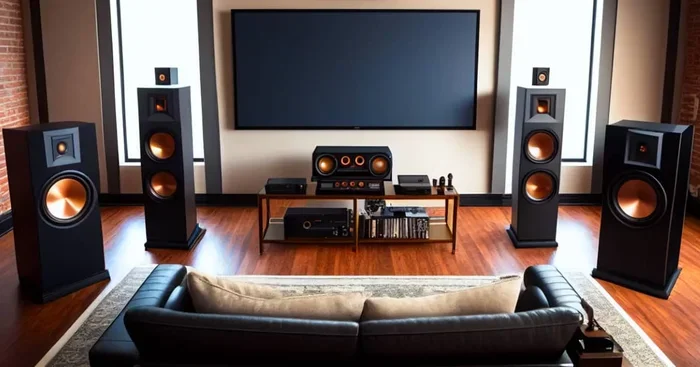
Most Hook systems include a center channel speaker, front left and right speakers, surround speakers, and a subwoofer. Some models also come with wireless rear speakers for a cleaner look. The system connects to your TV or projector through an HDMI cable or optical input. This makes it compatible with almost any modern display.
What makes Hook systems stand out is their balance of quality and affordability. You get theater-grade audio without the theater-grade price tag. Plus, many models support smart home integration, so you can control everything with your voice or a smartphone app.
Planning Your Setup Before You Start
Before you unbox anything, take a few minutes to plan your setup. This simple step saves time and prevents frustrating mistakes later. Good planning makes the whole process smoother and more enjoyable.
Measure Your Room
Start by measuring the dimensions of your room. The size and shape of your space directly affect how your home audio sounds. A small room needs different speaker positioning than a large open living area. Write down the length, width, and height of the room. Note any doors, windows, or awkward corners.
Also think about where your seating area will be. The main listening position is where you’ll sit most often. Your speakers should be arranged around this spot for the best effect. If you have a couch, a recliner, or a dedicated theater chair, that’s your reference point.
Check Your TV and Connections
Make sure your TV or display has the right inputs. Most modern Hook systems use HDMI ARC or optical audio connections. Check the back of your TV for these ports before you buy. If your TV is older and only has analog outputs, you may need an adapter. This is an easy fix, but it’s better to know ahead of time.
Consider Your Internet Setup for Streaming
If you plan to stream audio or use smart features, a strong Wi-Fi connection matters. A weak signal can cause buffering and audio dropouts. If your router is far from your entertainment area, consider boosting your Wi-Fi at home first. This ensures smooth, uninterrupted streaming for music and movies.
Speaker Placement: The Foundation of Great Sound
Speaker placement is the most important part of any surround sound setup. Even the most expensive system will sound mediocre if the speakers are in the wrong spots. The good news is that getting it right is simpler than you might think.
Front Speakers
Place your front left and right speakers at ear level when you’re seated. They should form a triangle with your main listening position. The angle between the two front speakers and your seat should be about 22 to 30 degrees. This creates a wide, stable soundstage that anchors the entire audio experience.
Keep your front speakers at least a few feet away from the corners of the room. Corners can muddy the bass and make the sound feel boomy. If you must place them near a wall, pull them out at least 12 inches. This small adjustment can make a big difference in audio quality.
Center Channel Speaker
The center channel speaker is responsible for most of the dialogue in movies. Place it directly above or below your TV. Angle it slightly downward toward the seating area. This ensures that voices sound clear and come from the screen, which is essential for a realistic home cinema experience.
Surround Speakers
Place your surround speakers to the sides or behind your listening position. They should be slightly above ear level. The goal is to create a sense of ambience and directionality. You should feel like sounds are coming from all around you, not just from the front.
If your Hook system includes wireless rear speakers, placement is even easier. Just position them behind you and pair them with the main unit. No cables to hide. No drilling into walls. This is a great option for renters or anyone who wants a clean, clutter-free setup.
Subwoofer Placement
The subwoofer handles low-frequency sounds like explosions, bass music, and rumbling effects. Place it somewhere near the front of the room, ideally along a wall. Experiment with different spots to find the best bass response. Sometimes even moving the subwoofer a few feet can dramatically change the sound.
One popular technique is the “subwoofer crawl.” Place the subwoofer at your listening position, play a bass-heavy test track, and crawl around the room to find where the bass sounds best. That spot is where you should put the subwoofer. It sounds unusual, but it works incredibly well.
Connecting Your Hook System
Now that your speakers are in place, it’s time to connect everything. The good news is that most Hook systems are designed to be user-friendly. You don’t need to be a wiring expert to get things running.
Wired Connections
For the most reliable connection, use HDMI cables. HDMI carries both audio and video through a single cable, which keeps things simple. Connect the HDMI OUT port on your Hook system to the HDMI ARC port on your TV. This allows your TV to send audio to the system automatically.
If HDMI ARC isn’t available, use an optical audio cable. It delivers high-quality digital audio and is widely supported. Just plug one end into your TV’s optical output and the other into the Hook system’s optical input. Both methods work great, but HDMI ARC offers the most convenience.
Wireless Connections
Many Hook systems support wireless rear speakers and Bluetooth audio. This is perfect for people who want to minimize cable clutter. Pair your wireless speakers using the system’s app or control panel. Follow the on-screen instructions, and you should be connected in just a few minutes.
Keep in mind that wireless speakers still need to be plugged into a power outlet. They don’t run on batteries. So plan your placement with access to an outlet in mind. Also, if you’re using Bluetooth, stay within range to avoid connection drops.
Smart Home Integration
If you’re building a smart home, your Hook system can be part of the ecosystem. Some models work with popular voice assistants. You can use voice commands to adjust volume, switch inputs, or start a movie. If you’re curious about compatibility with other smart home platforms, check out our guide on Does Homewerks Work With Google Home for related smart home insights.
Calibrating Your System for the Best Sound
Once everything is connected, calibration is the step that turns good sound into great sound. Calibration adjusts the audio levels, distances, and frequencies to match your room. Most Hook systems include an auto-calibration tool that does the heavy lifting for you.
Running Auto-Calibration
Start by placing the included calibration microphone at your main listening position. This is usually at ear height on a coffee table or stand. Run the auto-calibration tool through your system’s menu or app. The system will play test tones through each speaker and measure the results.
The calibration process typically takes just a few minutes. When it’s done, the system will have optimized the volume, delay, and frequency balance for each speaker. This ensures that dialogue comes from the center channel, music sounds balanced, and effects feel like they’re moving around the room.
Manual Tweaks for Perfection
Auto-calibration gets you 90% of the way there. But a few manual tweaks can take your sound to the next level. Start by adjusting the subwoofer level. If the bass feels overpowering, turn it down slightly. If it feels weak, bring it up a notch.
Next, check the surround speaker levels. They should be noticeable but not distracting. You want to feel immersed, not overwhelmed. Finally, adjust the center channel volume if dialogue feels too quiet or too loud compared to the rest of the audio.
Room Acoustics Tips
Your room’s acoustics play a huge role in how your system sounds. Hard surfaces like bare walls and floors reflect sound and create echo. Soft surfaces absorb sound and reduce reflections. Simple changes can improve your room acoustics significantly.
Add a rug or carpet to hard floors. Use curtains instead of blinds on windows. Place bookshelves or soft furniture against bare walls. Even adding a few throw pillows on your couch can help. These small changes reduce echo and make your home theater system sound warmer and more natural.
Common Mistakes to Avoid
Even with the best intentions, people make mistakes when setting up a home theater system. Here are some common pitfalls to watch out for.
- Placing speakers too close to walls. This causes bass buildup and muddies the sound. Give your speakers some breathing room.
- Ignoring the center channel. Without a properly placed center channel, dialogue sounds thin and disconnected from the screen.
- Skipping calibration. Auto-calibration takes only a few minutes. Skipping it means your system won’t perform at its best.
- Using cheap cables. Poor-quality cables can cause signal loss and interference. Invest in decent HDMI or optical cables.
- Overcrowding the equipment. Give your receiver and speakers space to breathe. Overheating can damage components over time.
- Forgetting about cable management. Loose cables are a tripping hazard and look messy. Use cable ties or raceways to keep things tidy.
Extending Your Audio Beyond the Living Room
Want to enjoy your Hook system’s audio outside or in other rooms? With the right setup, you can extend your sound throughout your home. This is especially great for outdoor gatherings or multi-room listening.
If you have a large property, you might need to boost your wireless signal to reach distant areas. Check out our guide on how to extend Wi-Fi to about 300 feet outside your home for tips on expanding your wireless coverage. A strong signal ensures your wireless speakers stay connected no matter where you place them.
For outdoor use, consider weather-resistant wireless speakers. Position them under a covered patio or porch to protect them from rain and direct sunlight. You can create an outdoor entertainment area that complements your indoor home theater setup perfectly.
Maintaining Your Hook Home Theater System
Once your system is set up and sounding great, a little maintenance goes a long way. Regular care keeps your equipment performing at its best for years to come.
Dust and Clean Regularly
Dust can accumulate on speaker cones and vents, affecting sound quality. Use a soft, dry cloth to gently wipe down your speakers and receiver every few weeks. For hard-to-reach spots, a can of compressed air works wonders. Keep your equipment in a well-ventilated area to prevent overheating.
Update Firmware
Most modern Hook systems receive firmware updates that improve performance and add new features. Check the manufacturer’s app or website periodically for updates. Keeping your system up to date ensures you always have the latest improvements.
Store Cables Properly
If you need to move or rearrange your system, store cables coiled loosely. Tight coils can damage the internal wiring over time. Use cable ties or Velcro straps to keep them organized. Label your cables if you have multiple connections. This saves time and frustration when troubleshooting later.
Final Thoughts
Setting up your Hook Home Theater Surround System is a rewarding experience. With the right placement, solid connections, and a bit of calibration, you can enjoy theater-quality audio in the comfort of your own home. The steps in this guide give you a strong foundation to build on.
Remember, the best setup is one that fits your space, your habits, and your budget. Don’t stress about getting everything perfect on day one. Start with the basics, enjoy the process, and refine your setup over time. The beauty of a home theater system is that it evolves with you.
Now that you have the knowledge, it’s time to put it into action. Follow the steps in this guide, trust your ears, and most importantly, have fun with it. Your living room is about to become the best seat in the house.
Frequently Asked Questions
What do I need to set up a Hook Home Theater Surround System?
You’ll need the Hook system unit, speakers, an HDMI or optical cable to connect to your TV, and a power source for each component. Most systems also include a calibration microphone and a remote control. Check the box contents before you start to make sure you have everything you need.
How long does it take to set up a Hook surround system?
Most people can set up their system in 30 to 60 minutes. This includes placing the speakers, running cables, connecting to your TV, and running the auto-calibration tool. If you’re doing extensive cable management or smart home integration, it might take a bit longer.
Can I use a Hook system with any TV?
Yes, most Hook systems work with any TV that has an HDMI ARC port or an optical audio output. If your TV is older and lacks these ports, you may need an adapter or a different connection method. Check your TV’s specifications before purchasing to ensure compatibility.
Do I need professional installation for a Hook surround system?
No, professional installation is not necessary. Hook systems are designed for easy DIY setup. The included auto-calibration tool handles most of the technical work. If you follow the placement guidelines in this article, you’ll get excellent results on your own.
How can I improve the bass performance of my Hook system?
Place your subwoofer near a front wall or corner for stronger bass. Experiment with different positions using the “subwoofer crawl” technique. Also, adjust the subwoofer level in your system’s settings. Adding room treatments like rugs and soft furniture can also help tame excessive bass and improve overall sound balance.
Can I expand my Hook system later?
Absolutely. Many Hook systems are designed to be expandable. You can add wireless rear speakers, a second subwoofer, or even whole-home audio components over time. Start with the basic setup and build from there as your needs and budget allow.
=== CONCLUSION ===
Setting up your Hook Home Theater Surround System is easier than you think. With the right speaker placement, solid connections, and a quick calibration session, you can turn any room into a personal cinema. The tips and tricks in this guide give you everything you need to get started.
Take your time, enjoy the process, and don’t be afraid to experiment. The best setup is the one that sounds right to your ears. So go ahead, fire up your favorite movie, and let your Hook Home Theater Surround System deliver the immersive sound you deserve.