Does Rain Bird Controller Have A Battery That Works
Yes, most Rain Bird controllers include a built-in backup battery that keeps your watering schedule saved during power outages. These rechargeable or replaceable batteries typically last 1 to 5 years depending on the model. Understanding your controller’s battery helps you maintain a healthy lawn without any interruptions.
This is a comprehensive guide about Does Rain Bird Controller Have A Battery.
Key Takeaways
- Built-in backup battery: Most Rain Bird controllers come with a rechargeable battery that preserves your programming when the power goes out.
- Battery life varies: Depending on the model, the battery can last anywhere from 1 to 5 years before needing replacement.
- Easy to replace: Swapping out the battery is a simple DIY task that takes just a few minutes.
- Smart home integration: Many Rain Bird controllers connect to Wi-Fi, similar to how smart home devices need Wi-Fi passwords for full functionality.
- Power source options: Some controllers run on AC adapters while others support battery-only operation for flexible installation.
- Display and memory: The battery ensures your watering schedule and settings are never lost, even during extended blackouts.
[FEATURED_IMAGE_PLACEHOLDER]
Does Rain Bird Controller Have A Battery That Works?
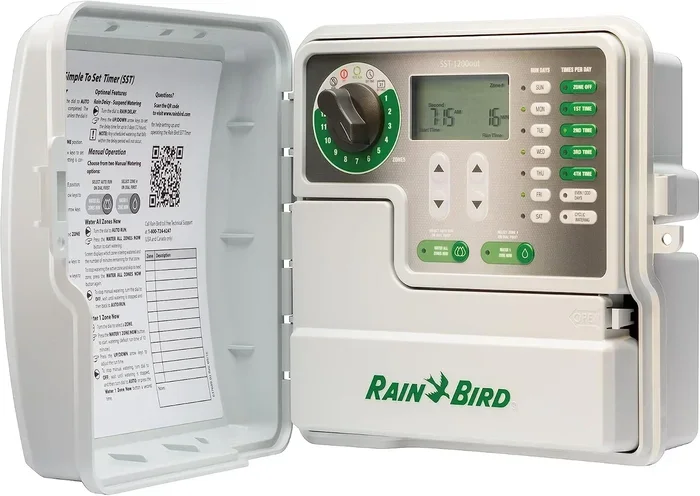
If you own a Rain Bird irrigation controller, you might be wondering whether it has a battery. The short answer is yes. Most Rain Bird controllers come equipped with a built-in backup battery. This small but mighty component plays a big role in keeping your lawn and garden watered properly. Without it, a simple power outage could erase all your carefully programmed watering schedules.
The battery in your Rain Bird controller serves a very specific purpose. It keeps the internal memory alive when the main power source is disconnected. Think of it like the battery in your alarm clock that keeps the time running during a blackout. It is not there to power the entire controller. Instead, it preserves your settings, schedules, and program data so everything stays intact.
Whether you have a basic Rain Bird timer or a more advanced smart irrigation controller, understanding the battery is important. It affects how reliable your system is and how often you need to do maintenance. In this article, we will cover everything you need to know about the Rain Bird controller battery. From types and lifespan to replacement tips and common problems, we have you covered.
How The Battery Works In A Rain Bird Controller
What Type Of Battery Does It Use?
Most Rain Bird controllers use a rechargeable lithium battery or a replaceable coin-cell battery. The exact type depends on the model you own. Newer smart models often have built-in rechargeable batteries that are sealed inside the unit. Older or basic models might use a standard CR2032 coin battery that you can swap out yourself.
Here are the common battery types you might find:
- Rechargeable lithium-ion battery: Found in newer smart controllers. It charges using the main power supply and maintains memory during outages.
- CR2032 coin cell battery: Common in basic timers. Easy to replace and widely available at any hardware store.
- Sealed internal battery: Some models have a non-replaceable battery built into the circuit board. These last the life of the unit.
The battery type determines how you maintain it. Rechargeable batteries need the controller plugged in to stay charged. Coin-cell batteries need occasional replacement. Sealed batteries should last as long as the controller itself.
What Does The Battery Actually Do?
The battery has one clear job: preserve memory. When your controller loses power, the battery takes over instantly. It keeps the clock running and holds all your programmed watering zones, start times, and durations. This means you do not have to reprogram everything after a storm or a power outage.
Here is what the battery protects:
- Your watering schedule and program settings
- The current time and date
- Zone run times and delays
- Rain delay settings
- Wi-Fi connection data on smart models
Without this battery, every power interruption would reset your controller. You would need to reprogram your entire watering plan from scratch. That is a frustrating experience no gardener wants to deal with.
Battery Life And How Long It Lasts
Typical Battery Lifespan
The lifespan of a Rain Bird controller battery depends on several factors. The type of battery, how often power outages occur, and the model all play a role. On average, you can expect the battery to last between 1 and 5 years.
Here is a general breakdown by battery type:
- Rechargeable lithium batteries: These last 3 to 5 years with normal use. They maintain charge as long as the controller has power.
- CR2032 coin batteries: These typically last 1 to 2 years. They drain slowly over time even when the controller has main power.
- Sealed internal batteries: These are designed to last the full lifespan of the controller, usually 5 to 7 years.
Factors That Drain The Battery Faster
Several things can shorten your battery life. Frequent power outages cause the battery to cycle more often. Extreme heat or cold can also degrade battery performance over time. If your controller loses Wi-Fi connection often, the smart models may use more power trying to reconnect.
Here are common factors that drain the battery faster:
- Frequent power outages or electrical surges
- Extreme outdoor temperatures
- Weak Wi-Fi signal forcing the controller to work harder
- Older battery age and natural degradation
- Frequent reprogramming or manual resets
If you notice your controller losing settings often, the battery might be dying. This is a clear sign it is time for a replacement. Many people compare this to how unplugging a phone before it is fully charged affects battery health. Consistent partial power cycles can wear down any battery faster.
How To Replace The Battery In Your Rain Bird Controller
Step-By-Step Replacement Guide
Replacing the battery in your Rain Bird controller is straightforward. Most models make it easy to access the battery compartment. Here is a simple step-by-step guide you can follow.
Step 1: Turn off the controller at the circuit breaker. This ensures safety while you work. Do not skip this step, even if the controller appears off.
Step 2: Locate the battery compartment. On most models, it is on the back or bottom of the unit. You may need to remove a small panel or slide cover.
Step 3: Remove the old battery. Take note of the orientation. The positive side usually faces up. Use a small flat tool if needed to gently pry it out.
Step 4: Insert the new battery. Match the positive and negative sides to the markings in the compartment. Press it firmly until it clicks into place.
Step 5: Close the compartment and restore power at the breaker. Check the display to confirm everything is working. You may need to reset the clock if the time was lost.
Tips For A Smooth Battery Swap
A few simple tips can make the process even easier. Always use the battery type recommended by Rain Bird for your specific model. Using the wrong battery can damage the controller. Keep spare batteries on hand so you are never caught off guard by a dead one.
Here are some quick tips:
- Write down the date you installed the new battery for future reference
- Use a brand-name battery for better reliability and longevity
- Clean any corrosion from the battery contacts with a dry cloth
- Take a photo of the old battery orientation before removing it
- Store replacement batteries in a cool, dry place
If your controller does not turn on after replacing the battery, do not panic. Try holding the reset button for a few seconds. This often clears any temporary glitches. If the problem persists, check the power supply and wiring connections.
Common Battery Problems And How To Fix Them
Controller Loses Settings After Power Outage
This is the most common sign of a failing battery. If your watering schedule resets every time the power goes out, the battery is no longer holding a charge. Replace it with a fresh one of the correct type. This usually solves the problem immediately.
Display Is Blank or Flickering
A blank or flickering display can indicate a low battery. Try replacing the battery first before checking other components. If the display still does not work after a new battery, the issue might be with the controller itself.
Battery Corrosion
Corrosion around the battery terminals is a real problem. It looks like a white or greenish crust on the battery contacts. This can prevent the controller from working properly. To fix it, remove the battery and clean the contacts with a cotton swab dipped in white vinegar. Let it dry completely before inserting a new battery.
Battery Drains Even When Controller Is Plugged In
Sometimes the battery drains even when the controller has main power. This can happen if the charging circuit is faulty. In this case, the controller may need professional repair or replacement. Check if your model is still under warranty before assuming the worst.
Do You Need A Battery Backup For Your Irrigation System?
Having a battery backup is not just convenient. It is essential for keeping your lawn healthy. Imagine going on vacation for a week and coming home to a dead lawn because a storm knocked out power and erased your schedule. A working battery prevents this nightmare scenario.
Many modern irrigation setups rely on consistent watering. Your grass, plants, and garden all depend on a reliable schedule. The Rain Bird controller battery ensures that reliability never wavers. It is a small component that makes a huge difference.
If you are considering upgrading your system, smart controllers offer additional benefits. They connect to your home Wi-Fi network and allow remote adjustments through a phone app. Just like smart home assistants need Wi-Fi passwords to function, these controllers need a stable connection to deliver their full value.
Some homeowners also ask whether they can use a power strip for their controller. While it is possible, a dedicated outlet is always better. It reduces the risk of power interruptions and keeps your controller running smoothly.
Expert Tips For Maintaining Your Rain Bird Controller Battery
Taking care of your controller battery is simple but important. A little maintenance goes a long way in extending its life. Here are some expert tips that actual irrigation professionals recommend.
- Check the battery twice a year. Spring and fall are good times to inspect it. Look for any signs of corrosion or swelling.
- Keep the controller in a shaded area. Extreme heat degrades batteries faster. If your controller is in direct sunlight, consider moving it or adding shade.
- Update your controller firmware. Smart models sometimes release updates that improve power management. This can help the battery last longer.
- Use a surge protector. Electrical surges can damage the charging circuit and drain the battery prematurely. A simple surge protector adds a layer of protection.
- Replace the battery proactively. Do not wait for it to fail completely. Replacing it every 2 to 3 years prevents unexpected schedule losses.
These small habits save you time and money in the long run. They keep your irrigation system running without any surprises.
Final Thoughts
So, does a Rain Bird controller have a battery? Absolutely. And now you know exactly how it works, how long it lasts, and how to keep it in good shape. The Rain Bird controller battery is a small but critical part of your irrigation system. It protects your watering schedule, saves you time, and keeps your lawn green no matter what.
Whether you have a basic timer or a connected smart controller, the battery plays the same essential role. It keeps your memory safe during power outages. It preserves all your hard work programming the perfect watering schedule. Taking a few minutes to check and replace it when needed is one of the best things you can do for your lawn.
Remember to follow the maintenance tips shared above. Replace your battery on a schedule, keep an eye out for corrosion, and never ignore warning signs like a blank display or lost settings. Your irrigation system works hard for you. A healthy battery makes sure it keeps working without interruption.
With the right care, your Rain Bird controller will continue to deliver reliable watering for years to come. Your lawn will thank you for it, and you will never have to worry about losing your programming again.
Frequently Asked Questions
How long does the battery in a Rain Bird controller last?
The battery typically lasts between 1 and 5 years depending on the model and battery type. Rechargeable lithium batteries tend to last longer, while coin-cell batteries need more frequent replacement. Checking the battery twice a year helps you stay ahead of any issues.
Can I use my Rain Bird controller without a battery?
You can use the controller with main power, but you will lose all your settings during any power outage. The battery is essential for preserving your watering schedule and program data. Without it, every power interruption means reprogramming from scratch.
What type of battery does my Rain Bird controller use?
Most Rain Bird controllers use either a rechargeable lithium battery or a CR2032 coin-cell battery. Check your specific model’s manual to confirm the exact battery type. Using the wrong battery can damage the controller or prevent it from working properly.
How do I know when the battery needs replacing?
Common signs include lost settings after power outages, a blank or flickering display, and frequent need to reprogram your schedule. Visible corrosion around the battery terminals is another clear indicator. If you notice any of these, replace the battery right away.
Is replacing the Rain Bird controller battery difficult?
No, it is a simple process that most homeowners can do in just a few minutes. You just need to locate the battery compartment, remove the old battery, and insert a new one. Always turn off the power at the breaker before starting and use the correct battery type for your model.
Can a dead battery damage my Rain Bird controller?
A dead battery itself will not damage the controller. However, leaking or corroded batteries can cause damage to the battery compartment and contacts. Always replace batteries promptly and clean any corrosion immediately to prevent long-term issues with your controller.