Does ATT Charge For Using Your Phone As A Hotspot
Yes, AT&T does charge for using your phone as a hotspot. The cost depends on your plan type, data allowance, and whether you exceed your hotspot data limit. Understanding your AT&T mobile hotspot policy helps you avoid unexpected overage fees and keep your phone connected without breaking the bank.
Have you ever been on the road, working from a coffee shop, or staying at a hotel with terrible Wi-Fi and thought, “I wish I could just use my phone as a hotspot”? It is one of the most convenient features modern smartphones offer. But then the question hits: does ATT charge for using your phone as hotspot? The short answer is yes, but the full picture is a lot more nuanced than you might expect.
AT&T, like all major carriers, treats your phone’s hotspot as a data feature. Every byte of data your laptop, tablet, or other device pulls through your phone counts against your plan’s data allowance. How much you pay for it depends on your specific plan, how much data you use, and whether you go over your limit. This guide breaks down everything you need to know about AT&T hotspot charges, how to stay within your limits, and what to do if you need more data.
Whether you are on a prepaid plan, a postpaid unlimited plan, or something in between, understanding how AT&T handles mobile hotspot usage can save you from annoying bill surprises. Let us walk through it together, step by step.
Key Takeaways
- AT&T includes hotspot data in most plans: The amount varies by plan, and exceeding it leads to extra charges or slower speeds.
- Unlimited plans still have hotspot limits: Even “unlimited” AT&T plans cap hotspot data at 15 GB to 50 GB depending on the tier.
- You can check your hotspot usage easily: Use the myAT&T app or your phone settings to monitor data consumption in real time.
- Enabling hotspot is simple: You can turn it on through your phone settings or AT&T Smart Wi-Fi Hotspot app.
- Alternative options exist: If hotspot costs are too high, consider a dedicated mobile hotspot device or a Wi-Fi card for your computer.
- Basic phone components matter: Understanding how your phone handles data helps you manage hotspot usage more effectively.
📑 Table of Contents
- What Is a Mobile Hotspot and How Does It Work?
- Does ATT Charge for Hotspot Data?
- How Much Does AT&T Really Charge for Hotspot Overage?
- How to Enable and Use Your Hotspot on AT&T
- Tips to Avoid Extra Hotspot Charges on AT&T
- AT&T Hotspot vs. Other Ways to Get Internet
- Common Mistakes People Make with AT&T Hotspot
- Final Thoughts on ATT Hotspot Charges
What Is a Mobile Hotspot and How Does It Work?
A mobile hotspot turns your phone into a Wi-Fi router. It shares your phone’s cellular data connection with other devices like laptops, tablets, or gaming consoles. Think of it as a bridge between your phone’s data plan and your other devices that need internet access.
The process is straightforward. Your phone connects to AT&T’s cellular network just like it normally does. Then, it broadcasts a Wi-Fi signal that other devices can connect to. Once connected, those devices use your phone’s data to browse the web, stream videos, or download files. The basic components of a cell phone make this possible through its modem and Wi-Fi antenna, which handle both the cellular connection and the local Wi-Fi broadcast.
Hotspot technology is not complicated, but the way carriers like AT&T price it can be. Here is a quick look at how it works under the hood:
- Cellular data connection: Your phone pulls data from AT&T’s network using your plan’s data allowance.
- Wi-Fi broadcast: Your phone creates a local Wi-Fi network that other devices can see and join.
- Data sharing: All data consumed by connected devices comes out of your phone’s data pool.
- Speed management: AT&T may slow down your hotspot speeds after you hit certain data thresholds.
Understanding this basic flow helps you see why AT&T treats hotspot data differently from regular phone data. When you browse the web on your phone directly, the data usage is tracked separately from when your laptop pulls data through your phone’s hotspot. Both count, but the way they are managed and billed can differ.
Does ATT Charge for Hotspot Data?
The short answer is yes, AT&T charges for hotspot data. But how much you pay depends entirely on your plan. Let us look at the different scenarios so you know exactly what to expect.
AT&T Unlimited Plans and Hotspot Data
AT&T offers several unlimited plans, and each one includes a different amount of hotspot data. Here is a general breakdown of what you can expect:
- AT&T Unlimited Starter: Includes 5 GB of hotspot data. After that, speeds may be reduced or extra charges apply.
- AT&T Unlimited Extra: Includes 15 GB of hotspot data. This is a popular choice for moderate hotspot users.
- AT&T Unlimited Elite: Includes up to 50 GB of hotspot data. Best for heavy users who rely on their phone as a primary internet source.
Once you exceed your hotspot data limit, AT&T typically slows your speeds significantly rather than charging overage fees right away. However, this slow speed can make using your hotspot frustrating, especially for video calls or streaming. In some cases, AT&T may also charge additional fees if you consistently go over your limit. It is always a good idea to check your specific plan details on the AT&T website or through the myAT&T app.
Prepaid Plans and Hotspot Charges
If you are on an AT&T prepaid plan, the hotspot data situation is a bit different. Prepaid plans often come with a fixed amount of data, and hotspot usage draws from that same pool. Some prepaid plans do not include hotspot data at all, while others offer a small allowance. If your plan does not include hotspot data, you may not be able to use your phone as a hotspot at all, or you could face additional charges if you try.
What Happens When You Run Out of Hotspot Data?
Running out of hotspot data on AT&T does not mean your internet stops completely. Instead, AT&T typically reduces your speeds to a very slow crawl. This is called “throttling.” You may still be able to check emails or send messages, but anything more demanding like streaming or video calls will be painfully slow. In some plans, AT&T may also apply overage charges if you continue using data after your hotspot allowance is exhausted. The exact behavior depends on your specific plan and terms.
How Much Does AT&T Really Charge for Hotspot Overage?
One of the most common questions people ask is whether AT&T hits you with a big bill when you go over your hotspot data. The answer is: it depends on your plan.
On most unlimited plans, AT&T does not charge a traditional overage fee. Instead, they slow your speeds down. This is sometimes called “data deprioritization.” After you use up your hotspot allowance, your data becomes lower priority on the network. During busy times, this can mean significantly slower speeds. On certain plans, if you use a very high amount of data consistently, AT&T may apply a fee or change your plan terms.
On prepaid and older data-based plans, the situation can be different. These plans may charge overage fees per gigabyte of data used beyond your limit. These fees can add up quickly, sometimes costing $10 to $15 per extra gigabyte. This is why monitoring your hotspot data usage is so important.
Here is a quick comparison of what you might face:
- Unlimited plans: No overage fees, but speeds drop after your hotspot data cap.
- Prepaid plans with hotspot: May charge overage fees or cut off data entirely.
- Prepaid plans without hotspot: Hotspot may not work at all, or extra charges apply.
The best way to avoid surprise charges is to keep a close eye on your data usage. AT&T makes this easy with the myAT&T app, which lets you track exactly how much hotspot data you have used and how much is left.
How to Enable and Use Your Hotspot on AT&T
Turning on your hotspot on an AT&T phone is simple. Whether you use an iPhone or an Android device, the steps are similar and only take a few seconds.
On iPhone
- Open the Settings app on your iPhone.
- Tap on Personal Hotspot.
- Toggle Allow Others to On.
- Set a Wi-Fi password that is strong and easy to remember.
- Connect your other devices to the Wi-Fi network your iPhone is broadcasting.
On Android
- Open the Settings app on your Android phone.
- Tap on Network and Internet or Connections (the exact name varies by phone).
- Select Hotspot and Tethering or Mobile Hotspot.
- Toggle the Mobile Hotspot switch to On.
- Set up a password and connect your other devices.
AT&T also offers the Smart Wi-Fi Hotspot app, which provides an easy way to manage your hotspot settings. You can use it to turn your hotspot on and off, monitor data usage, and set up automatic connections. This app is especially helpful if you want to track exactly how much data your connected devices are consuming.
One thing to keep in mind: some AT&T plans require you to activate hotspot service before you can use it. If you try to turn on your hotspot and it does not work, check with AT&T customer service to make sure your plan includes the feature. You may need to add a hotspot add-on or upgrade your plan to get full access.
Tips to Avoid Extra Hotspot Charges on AT&T
Nobody wants a surprise bill at the end of the month. Here are some practical tips to help you stay in control of your AT&T hotspot costs.
Monitor Your Data Usage Regularly
The single best way to avoid extra charges is to know exactly how much data you are using. The myAT&T app gives you real-time data tracking. Check it at least once a week, and more often if you are using your hotspot heavily. This habit alone can save you from unpleasant billing surprises.
Set Data Alerts
AT&T lets you set data usage alerts so you get a notification when you are approaching your limit. Take advantage of this feature. Setting an alert at 80% and another at 95% of your hotspot data gives you plenty of warning to adjust your usage or consider a plan change.
Use Wi-Fi Whenever Possible
Your phone’s hotspot is a backup, not a replacement for Wi-Fi. Whenever you are at home, work, or somewhere with reliable Wi-Fi, connect your devices to the Wi-Fi network instead of using your hotspot. This simple habit can dramatically reduce your monthly data usage.
Lower Your Streaming Quality
Streaming video is one of the biggest data hogs. If you must stream through your hotspot, lower the quality setting. Watching a video in 480p uses a fraction of the data compared to 1080p or 4K. This small adjustment can extend your hotspot data significantly.
Consider a Dedicated Hotspot Device
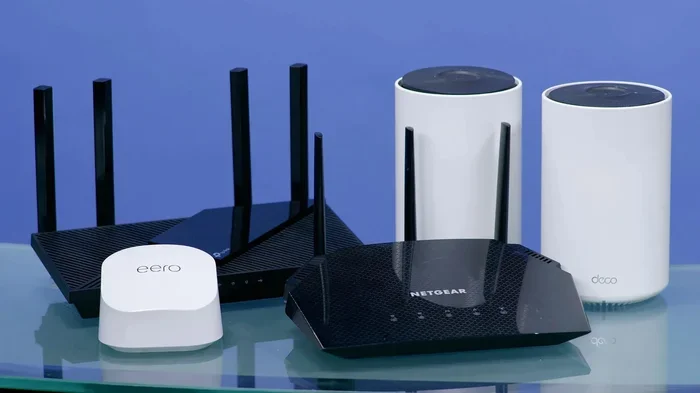
If you find yourself constantly running out of hotspot data, it might be worth investing in a dedicated mobile hotspot device. These devices have larger batteries, better antennas, and often come with their own data plans. You can also look into getting a Wi-Fi card for your computer as an alternative way to connect to the internet without draining your phone’s data. This can be a cost-effective solution if you need reliable internet on the go.
AT&T Hotspot vs. Other Ways to Get Internet
Using your phone as a hotspot is convenient, but it is not the only way to get internet on your laptop or tablet. Let us compare a few options so you can decide what works best for your situation.
Phone Hotspot vs. Home Wi-Fi
Home Wi-Fi is almost always faster and more reliable than a phone hotspot. It also does not count against your cellular data plan. If you have a home internet connection, use it whenever possible and reserve your phone hotspot for when you are away from home.
Phone Hotspot vs. Dedicated Mobile Hotspot
A dedicated mobile hotspot device, like a MiFi unit, is designed specifically for this purpose. It has a better battery, stronger signal, and can connect more devices than your phone. The trade-off is that you need a separate device and often a separate data plan. However, if you travel frequently or need internet for multiple devices, a dedicated hotspot can be more cost-effective than paying overage fees on your phone plan.
Phone Hotspot vs. Public Wi-Fi
Public Wi-Fi is free and readily available in many places, but it comes with security risks. When you connect to public Wi-Fi, your data is more vulnerable to interception. If you must use public Wi-Fi, use a VPN to protect your connection. Your phone’s hotspot is much safer because it is a private, encrypted network that only your devices can access.
It is also worth noting that getting internet in your home without a phone line is possible through cable, fiber, or fixed wireless options. These alternatives can provide stable, high-speed internet without relying on your phone’s hotspot at all. Understanding your options helps you make the best decision for your connectivity needs.
Common Mistakes People Make with AT&T Hotspot
Avoiding these common mistakes can help you save data, money, and frustration.
- Leaving your hotspot on all the time: This drains your battery and uses data even when no devices are connected. Turn it off when you are not actively using it.
- Not setting a hotspot password: An open hotspot lets anyone connect to your network, which is a security risk and eats up your data.
- Ignoring background data usage: Some apps continue to use data even when you are not actively using them. Check your phone’s data usage settings to see which apps are consuming the most data.
- Assuming unlimited means unlimited hotspot: Even AT&T’s unlimited plans have a hotspot data cap. Always check your specific plan’s hotspot allowance.
- Not contacting AT&T when you have issues: If your hotspot is not working or you are being charged unexpectedly, reach out to AT&T customer service. They can often resolve issues or adjust your plan to better fit your needs.
Final Thoughts on ATT Hotspot Charges
So, does ATT charge for using your phone as hotspot? Yes, they do, but the cost depends on your plan, your data usage, and how well you manage your hotspot habits. The key takeaway is that understanding your plan’s hotspot data allowance is the first step to avoiding surprise charges. Whether you are on an unlimited plan with a generous hotspot cap or a prepaid plan with limited data, knowing what to expect puts you in control.
Use the tips in this article to monitor your data, set alerts, and make smart choices about when and how to use your hotspot. And remember, if your phone’s hotspot is not enough for your needs, there are alternatives like dedicated hotspot devices and Wi-Fi cards that can help you stay connected without breaking the bank.
Your phone is a powerful tool, and its hotspot feature is one of the most useful things it can do. Just make sure you are using it wisely so you do not end up with an unpleasant surprise on your next AT&T bill.
Frequently Asked Questions
Can I use my AT&T phone as a hotspot without extra charges?
Yes, if your plan includes hotspot data. Most AT&T unlimited plans include a certain amount of hotspot data at no extra cost. However, once you exceed that limit, your speeds will be reduced or you may face additional charges depending on your plan type.
How much hotspot data do I get on AT&T unlimited plans?
It depends on your specific unlimited plan. AT&T Unlimited Starter includes 5 GB, Unlimited Extra includes 15 GB, and Unlimited Elite includes up to 50 GB of hotspot data per billing cycle. Always check your plan details for the exact amount.
Does AT&T charge overage fees for hotspot data?
On most unlimited plans, AT&T does not charge traditional overage fees. Instead, they slow down your speeds after you exceed your hotspot data cap. On prepaid and older plans, overage fees may apply, so it is important to monitor your usage closely.
Can I connect my laptop to my AT&T phone hotspot?
Absolutely. You can connect your laptop to your phone’s hotspot just like you would connect to any Wi-Fi network. Make sure your hotspot is turned on, connect your laptop using the Wi-Fi password, and your laptop will have internet access through your phone’s data connection.
Is it better to use a dedicated hotspot device instead of my phone?
For heavy users, a dedicated hotspot device can be a better option. These devices have larger batteries, stronger signals, and often come with their own data plans. They also do not drain your phone’s battery, which is a big advantage if you need your phone for other tasks throughout the day.
How can I check my AT&T hotspot data usage?
You can check your hotspot data usage through the myAT&T app or your phone’s settings. The myAT&T app provides a clear breakdown of your data usage, including how much is used for hotspot tethering versus regular phone data.
=== CONCLUSION ===
Does ATT charge for using your phone as hotspot? Yes, but with the right plan and good data habits, you can use this feature without worrying about surprise charges. AT&T includes hotspot data in most of its plans, and understanding your plan’s limits is the key to staying in control. Monitor your usage, set alerts, and use Wi-Fi whenever it is available to keep your hotspot costs low. If your current plan does not meet your needs, consider upgrading or exploring alternative connectivity options like a dedicated hotspot device. With the information in this guide, you are now equipped to make smart decisions about your AT&T hotspot and stay connected without the stress.