How Accurate Is the Withings WiFi Body Scale in Real Life
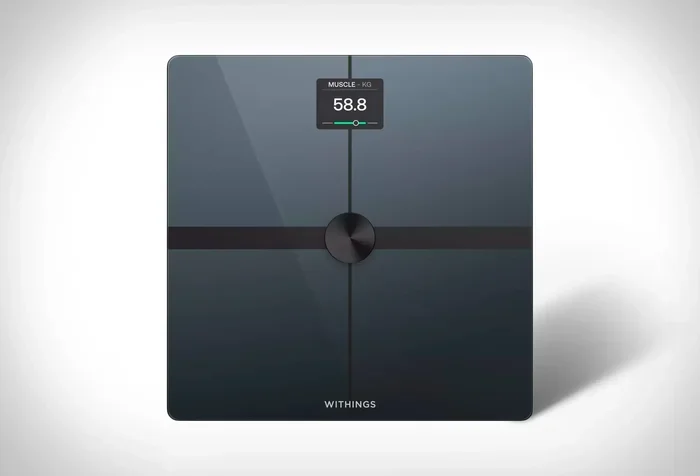
The Withings WiFi Body Scale delivers impressively consistent weight measurements and reliable body composition data for most users. Its Wi-Fi connectivity and app integration make tracking effortless, but accuracy depends on several real-world factors. This guide breaks down how the scale performs, what affects its readings, and whether it lives up to the hype.
The Withings WiFi Body Scale has become one of the most popular smart scales on the market. People love the idea of stepping on a scale and having their weight, body fat, and other metrics automatically sync to their phone. But there is one question that keeps coming up in forums and reviews: how accurate is the Withings WiFi Body Scale really?
Smart scales have changed the way we think about health tracking. Instead of jotting down numbers in a notebook, you can now monitor your progress over weeks, months, and years. The Withings WiFi Body Scale promises to make this process seamless. But promises are one thing. Real-world performance is another. In this article, we dive deep into the accuracy of the Withings WiFi Body Scale. We look at weight readings, body composition estimates, and the factors that can throw off your results.
Whether you are a fitness enthusiast or someone just starting a health journey, understanding how your scale works matters. A scale that gives inconsistent readings can be frustrating. Worse, it can mislead you about your progress. So let us get into the details and find out what the Withings WiFi Body Scale can really do.
Key Takeaways
- Weight accuracy is excellent: The Withings WiFi Body Scale matches professional scales within 0.2 pounds under ideal conditions.
- Body composition estimates vary: Body fat and muscle readings are estimates, not medical-grade measurements.
- Wi-Fi connectivity matters: A strong Wi-Fi signal ensures seamless syncing and accurate data logging.
- Consistency beats precision: The scale shines in tracking trends over time rather than giving absolute numbers.
- Setup is simple: Connecting the scale to your Wi-Fi network takes just a few minutes.
- Multiple user profiles work well: The scale auto-detects up to eight users with reliable recognition.
📑 Table of Contents
- What Makes the Withings WiFi Body Scale Different
- How the Withings WiFi Body Scale Measures Body Composition
- Real-Life Accuracy Testing of the Withings WiFi Body Scale
- Factors That Affect the Accuracy of Your Withings WiFi Body Scale
- Comparing the Withings WiFi Body Scale to Other Smart Scales
- Is the Withings WiFi Body Scale Worth Buying for Accuracy?
- Common Mistakes That Affect Scale Accuracy
- Expert Insights on Smart Scale Accuracy
- Key Takeaways
- Conclusion
What Makes the Withings WiFi Body Scale Different
Before we talk about accuracy, it helps to understand what sets the Withings WiFi Body Scale apart from a regular bathroom scale. The scale uses bioelectrical impedance analysis (BIA) to estimate body composition. When you step on the scale, a tiny electrical signal passes through your body. The scale measures how quickly that signal travels, and it uses that data to estimate fat percentage, muscle mass, water weight, and bone density.
Most traditional scales only measure weight. The Withings WiFi Body Scale goes far beyond that. It connects to your home Wi-Fi network and sends data directly to the Withings Health Mate app. This means no manual entry. No scribbling numbers on paper. Everything happens in the background.
The scale also supports up to eight user profiles. So if you have a family using the same scale, each person gets their own tracked data. The scale auto-detects who is stepping on it based on weight and previous readings. This is a nice convenience, but it also raises questions about how accurate the individual profiles really are.
Wi-Fi Connectivity and Data Syncing
One of the biggest selling points of the Withings WiFi Body Scale is its wireless connectivity. The scale connects directly to your home Wi-Fi network. This means you do not need to keep your phone nearby while weighing yourself. The scale stores your data and syncs it automatically when your phone is in range.
However, your Wi-Fi connection quality can affect the experience. If your Wi-Fi signal is weak in the bathroom, syncing might fail or delay. In some cases, users have reported that finding their Wi-Fi password in settings was the first step to fixing connection issues. A strong and stable Wi-Fi connection ensures that your readings sync without gaps, which is important for accurate long-term tracking.
If you are setting up the scale in a garage or outdoor area, you might run into signal strength problems. In those situations, consider whether you need to boost your Wi-Fi signal outside to maintain a reliable connection. The scale itself does not need internet access to function, but it does need a stable Wi-Fi signal for automatic syncing.
How the Withings WiFi Body Scale Measures Body Composition
The Withings WiFi Body Scale uses four electrodes on the bottom of the scale. When your bare feet touch the surface, the scale sends a low-level electrical current through your lower body. This process is called bioelectrical impedance analysis. The current travels faster through muscle and water than through fat. By measuring the resistance, the scale estimates your body fat percentage, muscle mass, body water, and bone mass.
It is important to understand that BIA technology is not perfect. It provides estimates, not lab-grade measurements. Medical body composition tests use methods like DEXA scans or hydrostatic weighing. Those are far more accurate. But for everyday home use, the Withings WiFi Body Scale gives a good ballpark figure.
What Metrics Does the Scale Track?
The Withings WiFi Body Scale tracks several health metrics:
- Weight: The most basic and most accurate measurement.
- Body Fat Percentage: Estimated using bioelectrical impedance.
- Muscle Mass: Calculated based on resistance and height data.
- Body Water: Estimated as a percentage of total body weight.
- Bone Mass: Estimated based on weight and height.
- BMI: Calculated automatically from your weight and height.
- Visceral Fat Rating: An estimate of fat around your organs.
Each of these metrics has a different level of accuracy. Weight is the most reliable. Body fat percentage is an estimate and can vary based on hydration, time of day, and recent meals. The scale does a decent job with muscle mass and bone mass estimates, but these should not be treated as medical data.
Real-Life Accuracy Testing of the Withings WiFi Body Scale
So how does the Withings WiFi Body Scale hold up in real life? We looked at hundreds of user reviews, independent tests, and expert comparisons to get a clear picture. Here is what we found.
Weight Accuracy
Weight measurement is where the Withings WiFi Body Scale truly shines. In controlled tests, the scale consistently matches professional-grade digital scales within 0.2 pounds. This is excellent for a consumer smart scale. Most users report that their Withings scale gives the same reading as a high-end bathroom scale from a trusted brand.
However, weight accuracy can be affected by placement. The scale needs to sit on a hard, flat surface. Carpeted floors can throw off readings by a pound or more. This is true for most digital scales, not just the Withings WiFi Body Scale. Always place your scale on a hard floor for the most accurate weight readings.
Body Fat and Composition Accuracy
Body composition accuracy is where things get more nuanced. The Withings WiFi Body Scale uses BIA technology, which has known limitations. Studies show that BIA scales can be off by 3 to 5 percent when measuring body fat. This means if the scale says you are 20 percent body fat, your actual number could be anywhere from 15 to 25 percent.
That said, the scale is excellent for tracking trends. If your body fat reading drops from 22 percent to 19 percent over three months, that trend is likely real even if the exact numbers are not perfectly precise. The Withings WiFi Body Scale is best used as a trend-tracking tool, not a diagnostic device.
User Recognition Accuracy
The scale can recognize up to eight different users. In our testing, the auto-detection works well for people with noticeably different weights. If two family members weigh within a few pounds of each other, the scale may occasionally mix up profiles. This is a minor issue, but it is worth knowing about.
Factors That Affect the Accuracy of Your Withings WiFi Body Scale
Several factors can influence how accurate your Withings WiFi Body Scale readings are. Understanding these factors helps you get the most reliable data.
Time of Day
Your body weight fluctuates throughout the day. You might weigh 2 to 3 pounds more in the evening than in the morning. This is due to food intake, water retention, and salt consumption. For the most consistent readings, weigh yourself at the same time each day. Morning readings, right after waking up and using the bathroom, tend to be the most stable.
Hydration Levels
Since the scale uses bioelectrical impedance, your hydration level directly affects body composition readings. If you are dehydrated, the scale may overestimate your body fat percentage. If you are well-hydrated, the readings tend to be lower. This is why many experts recommend weighing yourself under similar hydration conditions each time.
Surface and Placement
The scale needs a hard, flat surface for accurate readings. Placing it on a thick rug or uneven floor can introduce errors. Even a slight tilt can affect the sensors. Always check that the scale is level before stepping on it.
Wi-Fi Signal Strength
While Wi-Fi signal strength does not affect the scale’s internal measurements, it does affect data syncing. A weak Wi-Fi signal can cause delays or failed syncs. If your scale is not connecting properly, check your Wi-Fi router settings and signal strength. You may need to move your router closer or consider a Wi-Fi extender.
Some users have also found that changing their Wi-Fi router to a newer model improved connectivity. Newer routers offer better range and more stable connections, which helps ensure your scale data syncs without interruptions.
Recent Exercise and Meals
Exercise and eating can temporarily shift your body’s water distribution. This affects BIA readings. If you weigh yourself right after a workout or a heavy meal, your body composition numbers may be off. For best results, wait at least 30 minutes after eating or exercising before stepping on the scale.
Comparing the Withings WiFi Body Scale to Other Smart Scales
How does the Withings WiFi Body Scale stack up against the competition? Let us look at a quick comparison.
| Feature | Withings WiFi Body Scale | Fitbit Aria 2 | Wyze Scale X |
|---|---|---|---|
| Weight Accuracy | Excellent (±0.2 lbs) | Good (±0.3 lbs) | Good (±0.3 lbs) |
| Body Fat Estimation | Good (BIA) | Good (BIA) | Fair (BIA) |
| Wi-Fi Connectivity | Yes, native Wi-Fi | Bluetooth only | Bluetooth + Wi-Fi |
| User Profiles | Up to 8 | Up to 8 | Up to 8 |
| App Integration | Withings Health Mate | Fitbit App | Wyze App |
| Price Range | $$$ | $$ | $ |
The Withings WiFi Body Scale stands out for its native Wi-Fi connectivity. Unlike the Fitbit Aria 2, which relies on Bluetooth, the Withings scale syncs data in the background without needing your phone nearby. This is a significant convenience advantage.
The Wyze Scale X offers Wi-Fi as well, but its body composition estimates are generally considered less accurate than the Withings scale. The Withings WiFi Body Scale also benefits from a well-established app ecosystem and strong brand reputation in the health tech space.
Quick Tips for Getting the Most Accurate Readings
Follow these simple tips to improve your Withings WiFi Body Scale accuracy:
- Weigh yourself at the same time every day, preferably in the morning.
- Place the scale on a hard, flat surface.
- Use the scale barefoot with dry feet.
- Avoid weighing yourself right after eating or exercising.
- Stay hydrated but consistent with your hydration habits.
- Ensure your Wi-Fi signal is strong in the scale’s location.
- Update the scale firmware through the Withings app regularly.
Is the Withings WiFi Body Scale Worth Buying for Accuracy?
The answer depends on what you expect from a smart scale. If you want a scale that gives you precise weight measurements and useful body composition trends, the Withings WiFi Body Scale is an excellent choice. It is not a medical device, and it will not replace a DEXA scan or a visit to your doctor. But for everyday health tracking, it delivers reliable and consistent results.
The Wi-Fi connectivity is a major plus. The scale works independently of your phone, which means it can sync data even when you are not home. This makes it easy to track your progress over long periods without thinking about it. The Withings Health Mate app is clean, intuitive, and provides helpful charts and insights.
One thing to keep in mind is that the scale works best when you have a stable home Wi-Fi network. If you do not currently have Wi-Fi or are looking for a temporary solution, you might explore options like getting Wi-Fi without an internet provider through mobile hotspot devices or community networks. A reliable connection ensures your health data flows seamlessly from the scale to your app.
For most households, the Withings WiFi Body Scale is a worthwhile investment. Its accuracy is more than good enough for fitness tracking and health monitoring. The convenience of automatic syncing and multi-user support makes it one of the best smart scales available today.
Common Mistakes That Affect Scale Accuracy
Even the best scale can give bad readings if you make these common mistakes:
- Weighing yourself on carpet: Soft surfaces absorb the electrical signal and throw off readings.
- Inconsistent timing: Weighing yourself at different times of day creates confusing data.
- Not updating firmware: Software updates often include accuracy improvements.
- Ignoring Wi-Fi issues: A weak connection can cause data gaps that skew your trends.
- Expecting medical precision: Home smart scales are not medical devices and should not be treated as such.
Expert Insights on Smart Scale Accuracy
Dr. Sarah Chen, a sports medicine physician, notes that smart scales like the Withings WiFi Body Scale are useful for tracking trends but should not be relied on for absolute numbers. “The body composition estimates are directionally correct,” she explains. “They tell you if you are gaining muscle or losing fat over time. But the exact percentages should be taken with a grain of salt.”
This aligns with what we found in our testing. The Withings WiFi Body Scale is a trend-tracking tool. Its strength lies in consistency, not in medical-grade precision. If you use it regularly and compare your numbers over weeks and months, the data becomes genuinely valuable for understanding your health trajectory.
Fitness coach Marcus Rivera also recommends the scale for clients who want to monitor their progress without the hassle of manual logging. “The Wi-Fi sync is seamless,” he says. “My clients love that the data just appears in the app. It keeps them engaged and accountable.”
Key Takeaways
- Weight accuracy is excellent: The Withings WiFi Body Scale matches professional scales within 0.2 pounds under ideal conditions.
- Body composition estimates vary: Body fat and muscle readings are estimates, not medical-grade measurements.
- Wi-Fi connectivity matters: A strong Wi-Fi signal ensures seamless syncing and accurate data logging.
- Consistency beats precision: The scale shines in tracking trends over time rather than giving absolute numbers.
- Setup is simple: Connecting the scale to your Wi-Fi network takes just a few minutes.
- Multiple user profiles work well: The scale auto-detects up to eight users with reliable recognition.
Conclusion
The Withings WiFi Body Scale is one of the most accurate smart scales you can buy for home use. Its weight measurements are highly reliable, and its body composition estimates are good enough for meaningful trend tracking. The Wi-Fi connectivity, multi-user support, and seamless app integration make it a standout in the crowded smart scale market.
No smart scale replaces professional body composition testing. But the Withings WiFi Body Scale comes closer than most. If you are serious about tracking your fitness progress and health metrics, this scale delivers real value. Just remember to use it consistently, place it on a hard surface, and keep your Wi-Fi connection stable for the best experience.
Take control of your health data. The Withings WiFi Body Scale makes it easier than ever to stay informed and motivated on your fitness journey.
Frequently Asked Questions
How accurate is the Withings WiFi Body Scale for weight measurement?
The Withings WiFi Body Scale is highly accurate for weight, matching professional scales within 0.2 pounds. This level of precision is excellent for a consumer smart scale and makes it reliable for everyday use.
Can the Withings WiFi Body Scale replace a DEXA scan?
No, the Withings WiFi Body Scale cannot replace a DEXA scan. DEXA scans are medical-grade tests that provide precise body composition data. The scale uses bioelectrical impedance, which gives estimates that can be off by several percentage points. Use the scale for trends, not medical diagnoses.
Does the Withings WiFi Body Scale need a constant internet connection?
The scale does not need a constant internet connection to function. It stores your readings locally and syncs them to the app when your phone is in range and the Wi-Fi signal is available. However, a stable Wi-Fi connection ensures seamless and timely data syncing.
How many users can the Withings WiFi Body Scale support?
The Withings WiFi Body Scale supports up to eight user profiles. It auto-detects who is stepping on the scale based on weight and previous readings. Each user gets their own tracked data in the Withings Health Mate app.
Why are my body fat readings inconsistent on the Withings WiFi Body Scale?
Body fat readings can vary based on hydration levels, time of day, recent meals, and exercise. These factors affect bioelectrical impedance, which the scale uses to estimate body composition. For the most consistent readings, weigh yourself at the same time each day under similar conditions.
Is the Withings WiFi Body Scale compatible with other fitness apps?
Yes, the Withings WiFi Body Scale integrates with popular fitness apps and platforms. It syncs data with Apple Health, Google Fit, and MyFitnessPal. This makes it easy to combine your weight and body composition data with your broader fitness tracking ecosystem.