Do People Still Listen To AM FM Radio In 2024 And Beyond
Yes, people still listen to AM FM radio in 2024 and beyond. Despite the rise of streaming and podcasts, terrestrial radio remains a powerful medium that reaches millions of listeners every day. The AM FM radio industry continues to adapt with new technologies and formats that keep it relevant for modern audiences.
There is a common belief that AM FM radio is dying. With Spotify, podcasts, and endless streaming options, why would anyone still reach for the dial? The truth might surprise you. Radio is far from dead, and it has been quietly adapting to stay relevant in a crowded digital world.
Millions of people still tune into their favorite radio stations every single day. Whether it is the morning commute, a long road trip, or background noise while cooking dinner, radio finds a way to stay in our lives. In this article, we will explore the real state of radio listenership in 2024 and beyond. We will look at who is listening, why they still do, and what the future holds for broadcast radio.
Key Takeaways
- AM FM radio is still alive: Millions of people tune in daily, especially during commutes and emergencies.
- Radio has evolved: It now blends with digital platforms, Bluetooth devices, and streaming services.
- Local content matters: Radio stays relevant because it offers hyper-local news, weather, and traffic updates.
- Car radios remain dominant: Most radio listening still happens in vehicles.
- The future is hybrid: Radio stations are combining traditional broadcast with online streaming.
- Emergency use keeps radio essential: During power outages and disasters, radio is often the only reliable source of information.
- Older demographics lead listenership: But younger audiences are finding new ways to engage with radio content.
📑 Table of Contents
The Current State of AM FM Radio
The idea that nobody listens to AM FM radio anymore is a myth. Recent data shows that radio still reaches a huge audience. In the United States alone, over 90% of people listen to the radio every week. That is a massive number in a world full of competing entertainment options.
Who Is Still Listening?
The core audience for terrestrial radio has traditionally been older demographics. People over 35 make up the largest share of daily listeners. They grew up with radio and it remains a habit in their daily routines. Morning shows, talk radio, and music stations are their go-to sources for entertainment and information.
But younger listeners are not completely absent from the picture. Many young people discover radio stations through their parents’ cars or during visits to family homes. Some stations have found creative ways to reach younger audiences through social media and online streaming. The radio audience is evolving, even if the core base remains older.
How Many People Tune In Daily?
According to industry reports, about 40% of Americans listen to analog radio every day. That translates to over 100 million listeners daily in the US alone. These numbers are impressive for a medium that has been around for over a century. The daily reach of radio still surpasses many newer digital platforms.
The average American spends about 2 hours per day listening to the radio. Most of this happens in the car. Commutes are still the number one time people tune in. This makes car radio the backbone of the modern listening experience.
Why AM FM Radio Still Matters
There are several reasons why broadcast radio continues to thrive. It is not just habit. There are real, practical benefits that keep people coming back.
Reliability During Emergencies
One of the biggest advantages of radio frequency technology is its reliability. When the power goes out, your phone dies, and the internet is down, the radio still works. A simple battery-powered radio can be a lifeline during storms, floods, and other disasters.
Emergency management teams rely on radio broadcasting to send alerts and updates. Many local governments still use radio stations as their primary communication channel during crises. This practical use case gives radio a purpose that streaming services simply cannot match.
Local Content and Community Connection
No algorithm can replace the local feel of a radio station. Local DJs know their communities. They talk about local events, weather, and traffic in real time. This creates a connection that national streaming platforms cannot replicate.
Small town radio stations often serve as the heartbeat of their communities. They broadcast school sports, local news, and emergency alerts. When a big storm hits, people turn to their local FM radio station first. That kind of trust and connection is hard to build with digital platforms.
Zero Cost and Ease of Use
Listening to AM FM radio is free. You do not need a subscription, a data plan, or a smart device. All you need is a radio receiver and a signal. This simplicity is a huge advantage, especially for people who do not want to deal with multiple apps and logins.
Radios are also incredibly easy to use. You turn them on and they work. There are no updates, no buffering, and no login screens. This plug-and-play simplicity appeals to people of all ages and technical skill levels.
How People Listen to Radio Today
The way people consume radio content has changed a lot in recent years. Traditional methods still dominate, but new listening habits are emerging.
Traditional Car Radios
The car radio is still the most common way people listen to AM FM radio. Almost every vehicle on the road has one built in. Drivers turn it on the moment they start the engine. For many, the car radio is the only consistent radio listening experience they have.
Car manufacturers continue to include radio receivers in new vehicles. Even as cars become more high-tech, the basic radio remains a standard feature. This tells us that the industry sees real value in keeping broadcast radio accessible.
Bluetooth and Wireless Audio
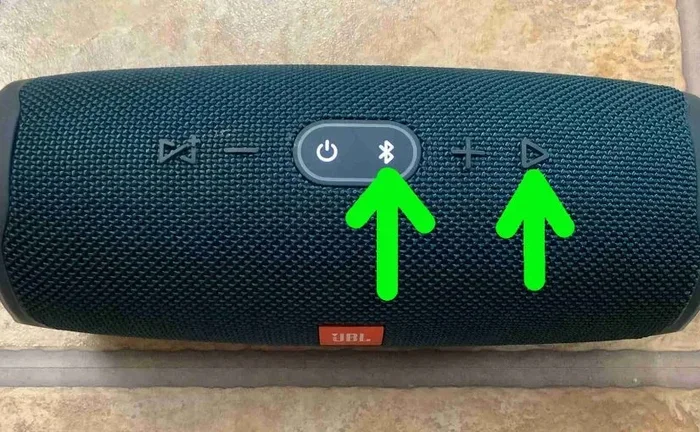
Technology has given radio listening a modern twist. Many people now stream their car radio through Bluetooth speakers or wireless headphones. If you want to listen to your car radio without draining your phone battery, Can I Play Radio Using Bluetooth is a great resource to explore.
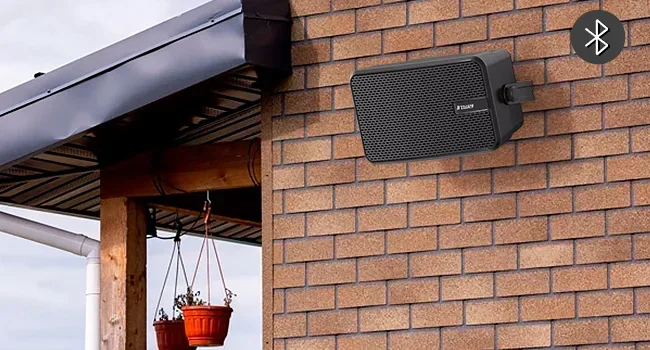
Bluetooth has also opened up new possibilities for FM radio enthusiasts. You can now connect your radio to wireless speakers in your home or backyard. This makes it easier than ever to enjoy your favorite radio stations without being tied to a single room.
Retro Radio and Nostalgia
There is a growing trend of people bringing old radios back to life. Vintage radios have become popular collectibles. Many hobbyists enjoy restoring classic AM FM radio receivers and using them in their homes.
If you have an old radio sitting in your attic, you might be able to give it new life. For example, you can make your old Bose Wave radio Bluetooth-enabled to modernize a classic device. This trend shows that people still value the analog radio experience. It is not just about the content. It is about the feeling and nostalgia that radio brings.
Online Streaming and Hybrid Listening
Most radio stations now offer online streaming options. You can listen to your favorite FM radio station through a website or app. This lets people enjoy radio even when they are not near a physical receiver.
Some listeners use a hybrid approach. They tune in to their local station in the car and stream the same station at work. This flexibility has helped broadcast radio stay relevant in a digital-first world.
AM vs FM: Understanding the Differences
Not all radio is the same. AM and FM each have their own strengths and weaknesses. Understanding these differences helps explain why both still exist and who prefers each.
Sound Quality
FM radio generally offers better sound quality than AM. The audio is clearer and richer. Music stations almost always use FM because it delivers a more enjoyable listening experience. If you care about sound quality, FM frequency is the way to go.
AM radio has a narrower sound range. The audio can sound flat or tinny at times. However, AM still works well for talk shows, news, and sports commentary where sound quality is less critical.
Range and Coverage
AM radio has a much longer range than FM. AM signals can travel hundreds of miles, especially at night. This is why many national news and talk stations broadcast on AM. You can pick up distant stations that FM cannot reach.
FM radio has a shorter range, usually limited to about 30 to 50 miles. However, FM signals are less prone to interference. This makes FM ideal for local music stations and community broadcasting. The reliable signal quality is one reason FM radio remains so popular for music.
| Feature | AM Radio | FM Radio |
|---|---|---|
| Sound Quality | Lower, more prone to static | Higher, clearer audio |
| Range | Long range, hundreds of miles | Shorter range, 30-50 miles |
| Best For | Talk, news, sports | Music, local content |
| Signal Interference | More susceptible | Less susceptible |
| Bandwidth | Narrower | Wider |
The Future of AM FM Radio in a Digital World
The future of broadcast radio is a mix of traditional and digital. Stations are finding new ways to reach listeners without abandoning what makes radio special.
Hybrid Models Are the Norm
Most radio stations now operate on multiple platforms. They broadcast over the air and stream online simultaneously. Some also have podcasts and social media channels. This multi-platform approach helps radio stations reach audiences wherever they are.
The rise of internet radio and satellite radio has pushed traditional stations to innovate. Many now offer on-demand content, replays, and exclusive online shows. This keeps the medium fresh and appealing to newer generations.
Will Radio Survive Long Term?
There is no sign that AM FM radio will disappear anytime soon. The infrastructure is too deep, and the audience is too large. Radio companies are investing in new technology and content to stay competitive.
One thing is clear: radio will look different in 10 years than it does today. But the core appeal of live, local, and free content will likely remain. As long as people need real-time information and a sense of community, radio broadcasting will have a place in our lives.
Common Myths About AM FM Radio
Let us clear up a few misconceptions about radio listenership.
- Myth: Nobody listens to radio anymore. Reality: Over 90% of Americans tune in weekly.
- Myth: Radio is only for old people. Reality: Younger listeners are finding new ways to engage through streaming and apps.
- Myth: Radio is dying because of podcasts. Reality: Podcasts and radio serve different purposes and can coexist.
- Myth: AM radio is obsolete. Reality: AM still serves millions of listeners, especially for talk and news programming.
- Myth: You need internet to listen to radio. Reality: Traditional analog radio works without any internet connection at all.
Quick Tips for Getting the Most Out of Radio
- Keep a battery-powered radio at home. It will work even during power outages.
- Explore local stations. You might discover great community content you cannot find anywhere else.
- Use Bluetooth to modernize your listening. Connect your radio to wireless speakers for better sound.
- Try both AM and FM. Each band offers a different listening experience and unique content.
- Check if your local station streams online. This lets you listen anywhere with an internet connection.
Final Thoughts
The question “Do people still listen to AM FM radio?” has a clear and resounding answer: yes. Radio is not just surviving. It is evolving. The medium has adapted to new technologies and changing habits without losing the qualities that made it special in the first place.
Broadcast radio offers something that few digital platforms can match. It is live, it is local, and it is free. Whether you listen in your car, in your kitchen, or through a Bluetooth speaker, radio remains a constant companion in daily life. The radio industry has faced many challenges over the decades, and it has always found a way to keep going.
So the next time someone tells you radio is dead, you can set them straight. AM FM radio is alive and well. It is listening to us as much as we are listening to it. And as long as people crave real-time information and genuine community connection, the dial will keep turning.
Frequently Asked Questions
Is AM FM radio still popular in 2024?
Yes, AM FM radio remains very popular. Over 90% of Americans listen to the radio every week, and millions tune in daily. While streaming has grown, radio still reaches a massive and loyal audience.
Why do people still listen to AM FM radio instead of streaming?
People listen to radio because it is free, easy, and does not require an internet connection. The local content, live personalities, and emergency updates make it a reliable companion, especially during commutes and daily routines.
Will AM FM radio eventually go away?
There is no indication that broadcast radio will disappear soon. Stations are adapting by offering online streaming and hybrid models. The deep infrastructure and loyal audience base suggest radio will be around for many more years.
What is the best way to listen to AM FM radio today?
The most common way is through a car radio, but you can also use a home receiver, Bluetooth speaker, or online streaming. Many listeners enjoy a mix of traditional and digital methods for the best experience.
Can you listen to radio without the internet?
Absolutely. Traditional analog radio works over the air using radio waves. You do not need any internet connection, data plan, or smart device. A simple battery-powered radio is all you need.
How is radio different from podcasts and streaming music?
Radio is live and local. It offers real-time content, local news, and community connection. Podcasts and streaming are on-demand and often national or global in scope. Each serves a different listening need, and they complement each other well.