Do I Need A Bass Speaker For Better Music Listening
Do I Need A Bass Speaker? If you love deep, rich sound in your music, the answer is likely yes. A bass speaker fills in the low frequencies that regular speakers miss, making your favorite tracks sound fuller and more alive. Whether you are setting up a home audio system or upgrading your current gear, adding a dedicated bass speaker can transform the way you listen to music every single day.
Music is one of the most powerful forms of entertainment we enjoy every day. Whether you are working out, cooking dinner, or just relaxing on the couch, the right sound makes everything better. But here is the thing not all speakers are created equal. Some produce crisp highs and clear mids, but they fall flat when the low notes hit. That is where a bass speaker comes in.
If you have ever wondered do I need a bass speaker, you are not alone. This is one of the most common questions people ask when they are building or upgrading their audio setup. The truth is, the answer depends on what kind of music you listen to, the space you are in, and how much you care about sound quality. In this guide, we will walk through everything you need to know. We will cover what bass speakers do, whether you actually need one, the different types available, and how to set one up the right way.
By the end of this article, you will have a clear answer to do I need a bass speaker for your own situation. You will also have practical tips to get the best sound out of any setup. So let us dive in and explore the world of low-frequency audio together.
Key Takeaways
- Bass speakers handle low frequencies: They reproduce the deep sounds that standard speakers often cannot deliver clearly.
- Not all music setups need one: If you mostly listen to podcasts or light background music, a bass speaker may be optional.
- Multiple types exist: From subwoofers to powered bass modules, you have several options depending on your space and budget.
- Placement matters a lot: Even the best bass speaker will underperform if you place it in the wrong spot.
- Your current system can tell you what you need: Distorted or thin sound are clear signs you need more bass.
- Setup is simpler than you think: Most modern bass speakers connect easily and come with user-friendly controls.
📑 Table of Contents
- What Is A Bass Speaker And Why Does It Matter
- Do I Really Need A Bass Speaker For My Setup
- Types Of Bass Speakers You Can Choose From
- How To Know If Your Current Setup Needs More Bass
- Best Ways To Add A Bass Speaker To Your System
- Common Mistakes People Make With Bass Speakers
- Final Thoughts On Whether You Need A Bass Speaker
What Is A Bass Speaker And Why Does It Matter
A bass speaker is a speaker designed specifically to reproduce low-frequency sounds. These are the deep, rumbling tones you feel more than hear. Think of the kick drum in a rock song, the bass guitar in a jazz track, or the rumble of thunder in a movie soundtrack. Regular speakers often struggle to reproduce these sounds accurately, which is why a dedicated bass speaker exists.
How Bass Frequencies Work
Sound is measured in frequencies, expressed in hertz (Hz). The human ear can typically hear sounds between 20 Hz and 20,000 Hz. The lower end of that range, roughly 20 Hz to 250 Hz, is where bass lives. A bass speaker is built to handle these low frequencies with power and precision. Without it, your audio system is only hearing part of the story.
When your speakers try to reproduce bass they are not built for, several problems can occur. The sound may distort. The speaker cone may strain. And the overall listening experience feels thin or hollow. This is especially true with genres like hip hop, electronic dance music, and rock, where bass lines are central to the track.
The Role Of Low-Frequency Audio In Your Listening Experience
Low-frequency audio adds warmth, depth, and impact to music. It is what makes a song feel immersive. When you feel the bass vibrating through your chest at a concert, that is the low-frequency range doing its job. A good bass speaker brings a small version of that experience into your home.
Even if you are not a bass-heavy music fan, low frequencies still matter. They add fullness to vocals, richness to acoustic instruments, and realism to movie soundtracks. So even a casual listener can notice a big difference when bass response improves in a system.
Do I Really Need A Bass Speaker For My Setup
This is the big question, and the honest answer is it depends. Do I need a bass speaker for every situation? No. But for many listeners, adding one makes a noticeable and enjoyable difference. Let us break down when a bass speaker is essential and when you might skip it.
When You Definitely Need One
You should strongly consider a bass speaker if any of these situations apply to you:
- You listen to bass-heavy genres: Hip hop, EDM, reggae, and rock rely heavily on low-end frequencies. Without a dedicated bass speaker, these tracks lose their energy.
- Your room is large: Big rooms absorb bass. A regular speaker may not fill the space with enough low-end sound, making the audio feel weak.
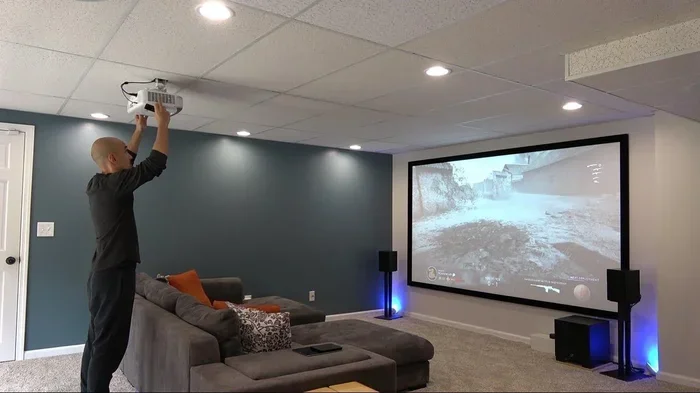
- You watch movies or play games: Explosions, engine rumbles, and ambient sound effects all live in the bass range. A bass speaker adds dramatic impact to your entertainment.
- Your current speakers sound thin: If your music lacks warmth or the bass sounds muffled, your speakers are probably struggling with low frequencies.
When You Can Skip It
On the other hand, you might not need a bass speaker if:
- You mostly listen to podcasts or audiobooks: These do not have significant bass content, so your current setup is likely fine.
- You are in a small space: A small room naturally amplifies bass. Adding a bass speaker might actually make the sound muddy.
- You use a soundbar with built-in bass: Many modern soundbars include bass drivers that handle low frequencies well enough for casual listening.
If you want a more immersive experience, you might also consider pairing your setup with a device like Alexa as a Bluetooth speaker for your TV to explore wireless audio options that complement your bass setup.
Types Of Bass Speakers You Can Choose From
Not all bass speakers are the same. There are several types, each with its own strengths. Understanding the differences helps you pick the right one for your needs. Let us look at the most common options.
Subwoofers
A subwoofer is the most powerful type of bass speaker. It is designed to reproduce the deepest frequencies, usually below 100 Hz. Subwoofers come in passive and powered versions. Passive subwoofers need an external amplifier, while powered subwoofers have a built-in amp. For most home setups, a powered subwoofer is the easiest and most effective choice.
Subwoofers are ideal for home theaters and serious music listeners. They deliver the kind of deep, room-filling bass that makes movies and music feel cinematic. If your goal is maximum impact, a subwoofer is hard to beat.
Bass Modules And Bass Radiators
Bass modules are smaller, more compact bass speakers. They often come as part of a speaker system or soundbar. While they do not reach the deepest frequencies of a full subwoofer, they still add meaningful bass to your sound. Bass radiators work differently from traditional speakers. They use a passive cone to amplify low frequencies without needing a dedicated driver. Both options are great for people who want a subtle bass boost without a large, bulky speaker.
Portable Bluetooth Bass Speakers
Love music on the go? A portable bass speaker with Bluetooth connectivity is a fantastic option. These compact devices pack surprisingly good bass for their size. They are perfect for outdoor gatherings, pool parties, or simply moving music from room to room. Many portable speakers now include bass boost features that punch above their weight class.
Some people even use a portable bass speaker in their car. If you are thinking about that, check out our guide on Can I Put A Speaker On My Car for helpful tips on safe and effective installation.
Smart Speakers With Bass Enhancement
Smart speakers like Amazon Echo and Google Nest have improved their bass output significantly in recent years. While they are not dedicated bass speakers, many now include bass-boosting technology. These are excellent for casual listening and are a great starting point if you are not ready to invest in a separate bass speaker yet.
How To Know If Your Current Setup Needs More Bass
Sometimes the signs are obvious. Other times, you might not realize your system is missing bass until you add it. Here are clear indicators that your current setup could benefit from a bass speaker.
Sign 1: Your Music Sounds Thin Or Flat
If your music feels like it is missing body, especially in the low end, that is a classic sign of insufficient bass. Vocals and instruments may sound good on their own, but the overall mix lacks depth and warmth. A bass speaker fills in those missing low frequencies and brings the full picture back.
Sign 2: Distorted Sound At Higher Volumes
When regular speakers try to reproduce bass they cannot handle, the sound distorts. You may hear crackling, buzzing, or a fuzzy quality when you turn up the volume. This means your speakers are being pushed beyond their limits. A dedicated bass speaker takes that strain off your main speakers and delivers clean, distortion-free low end.
Sign 3: You Cannot Feel The Music
One of the best parts of music is the physical sensation of bass. If you never feel the thump of a beat or the rumble of a soundtrack, your system is not reaching the low frequencies that create that feeling. A bass speaker changes that and brings a whole new dimension to your listening.
Sign 4: Your Room Echoes Without Warmth
Large, empty rooms tend to lack warmth in the audio. Sound bounces off hard surfaces, but the low frequencies get absorbed or lost. Adding a bass speaker restores the warmth and fullness that makes a room feel alive with sound.
Best Ways To Add A Bass Speaker To Your System
Once you decide you need a bass speaker, the next step is integration. The good news is that modern bass speakers are designed to be user-friendly and easy to set up. Here is how to do it right.
Step 1: Choose The Right Connection Type
Most bass speakers connect via one of several methods. The most common include:
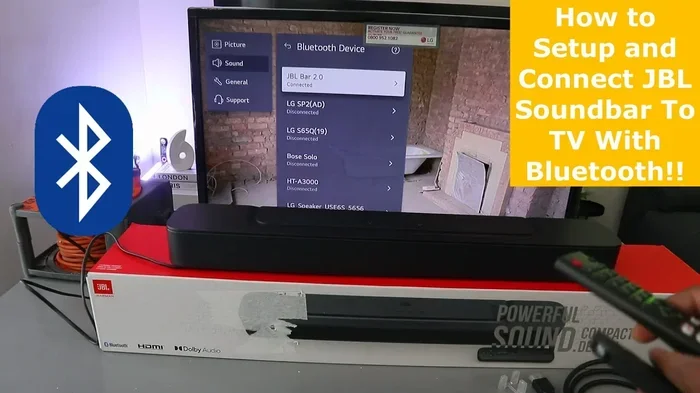
- Bluetooth: Wireless and convenient. Great for portable setups and casual listening.
- Auxiliary cable (3.5mm): A simple wired connection that works with almost any audio source.
- Optical or HDMI ARC: Best for home theater systems. These connections deliver high-quality audio without interference.
- Wi-Fi: Smart bass speakers can connect to your home network, allowing streaming from apps and voice control.
Choose the connection type that matches your current setup. If you already use Bluetooth headphones with Roku or other wireless devices, a Bluetooth bass speaker will fit right into your ecosystem.
Step 2: Place The Speaker Correctly
Placement is one of the most important factors in getting great bass. Here are some quick tips:
- Put it near a corner: Corners naturally amplify bass. Placing your bass speaker in a corner can significantly boost low-end output.
- Keep it off the floor: While corners help, placing the speaker directly on the floor can cause muddy bass. Elevate it slightly for cleaner sound.
- Avoid tight spaces: Enclosed spaces can over-amplify bass and make it sound boomy. Give the speaker room to breathe.
- Experiment with positions: Even moving the speaker a few feet can change the bass response dramatically. Try different spots and listen carefully.
Step 3: Adjust The Settings
Most bass speakers come with controls for volume, crossover frequency, and bass boost. Start with the default settings and adjust gradually. The goal is for the bass to feel full and powerful without overpowering the rest of the audio. If the bass sounds too heavy, reduce the boost. If it feels weak, increase it slightly.
Step 4: Pair It With Your Existing Speakers
A bass speaker works best when it complements your main speakers, not competes with them. Set the crossover frequency so that your main speakers handle the mid and high frequencies while the bass speaker takes over the low end. This creates a balanced, seamless sound across the entire frequency range.
Common Mistakes People Make With Bass Speakers
Even with the best bass speaker, poor setup can ruin the experience. Here are common mistakes to avoid.
Mistake 1: Placing The Speaker Against A Wall
While corners boost bass, placing a speaker flat against a wall can create an overwhelming, boomy sound. Keep it slightly away from walls for a cleaner, more balanced bass response.
Mistake 2: Turning The Bass All The Way Up
More bass is not always better. Cranking the bass to maximum can distort the sound and drown out vocals and instruments. Aim for a level that adds warmth without dominating the mix.
Mistake 3: Ignoring Room Acoustics
The shape of your room, the materials on your walls, and the furniture all affect how bass sounds. Hard surfaces reflect bass, while soft surfaces absorb it. Consider adding rugs, curtains, or acoustic panels to improve the overall sound in your space.
Mistake 4: Buying A Speaker That Is Too Powerful
A massive subwoofer in a small room creates problems. The bass becomes overwhelming and unnatural. Match the size of your bass speaker to the size of your room for the best results.
Final Thoughts On Whether You Need A Bass Speaker
So, do I need a bass speaker? For most music lovers, the answer is yes. A dedicated bass speaker adds depth, warmth, and impact that standard speakers simply cannot match. Whether you are a casual listener or an audiophile, the right bass speaker elevates your music to a whole new level.
The key is choosing the right type for your needs, placing it correctly, and adjusting the settings to suit your taste. With the right bass speaker, every song sounds richer, every movie sounds more immersive, and every listening session feels more engaging. Start with the tips in this guide, experiment with your setup, and enjoy the difference that quality low-frequency audio makes.
Music is meant to be felt, not just heard. A good bass speaker ensures you experience every note the way the artist intended. So go ahead, explore your options, and find the perfect bass speaker for your home. Your ears will thank you.
Frequently Asked Questions
Can I use a bass speaker with any audio system?
Most bass speakers are designed to work with a wide range of audio systems. Whether you have a stereo setup, a home theater, or even a smart speaker system, you can usually find a bass speaker that connects and integrates smoothly. Check the connection options before buying to make sure it matches your current gear.
Will a bass speaker make my music sound better?
Yes, in most cases. A bass speaker fills in the low frequencies that regular speakers miss, making your music sound fuller, warmer, and more immersive. The difference is especially noticeable with bass-heavy genres like hip hop, electronic music, and rock.
How much should I spend on a bass speaker?
Bass speakers range from affordable portable options under $50 to high-end subwoofers that cost several hundred dollars. For most home setups, a mid-range powered subwoofer between $100 and $300 delivers excellent performance. You do not need to spend a fortune to get great bass.
Can I place my bass speaker anywhere in the room?
Placement matters more with bass speakers than with most other speakers. Corners tend to amplify bass, while the center of a room can sound weaker. Try different spots, listen carefully, and adjust until you find the sweet spot for your space.
Do I need a separate amplifier for a bass speaker?
It depends on the type. Powered bass speakers have a built-in amplifier and plug directly into an outlet. Passive bass speakers require an external amplifier or receiver. For most users, a powered bass speaker is the simpler and more convenient option.
Can I use a bass speaker for watching movies?
Absolutely. Bass speakers add dramatic impact to movie soundtracks, making explosions, rumbles, and ambient effects feel much more real. If you watch movies at home, a bass speaker is one of the best upgrades you can make to your audio setup.