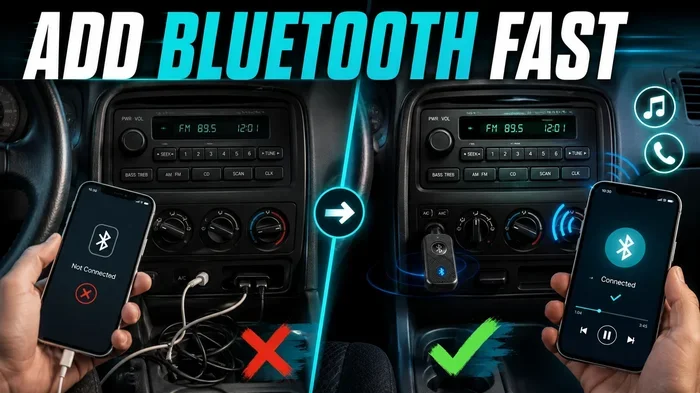
Do Bluetooth Fm Transmitters Drain Your Car Battery
Bluetooth FM transmitters are convenient car accessories, but many drivers worry about battery drain. The truth is that a Bluetooth FM transmitter draws minimal power when your engine is running, and the drain is negligible during normal use. However, leaving one plugged in with the engine off can slowly deplete your battery over time. Understanding how these devices work and following a few simple habits will keep your car battery healthy and your music streaming.
Bluetooth FM transmitters have become one of the most popular car accessories for people who want wireless music streaming without spending a fortune on new stereo systems. You plug them into your cigarette lighter, tune your radio to an empty FM frequency, and suddenly your phone connects wirelessly to your car speakers. It is simple, affordable, and works with almost any vehicle.
But here is the question that keeps popping up in forums and search bars everywhere. Do Bluetooth FM transmitters drain your car battery? The short answer is no, not really. But the full answer is a bit more nuanced, and it is worth understanding how these devices work and what actually affects your battery health.
In this article, we will walk through everything you need to know. We will cover how much power these transmitters actually use, what happens when you leave them plugged in, and how to get the most out of your device without worrying about a dead battery. Whether you use your transmitter every day or only on road trips, this guide has you covered.
## How Bluetooth FM Transmitters Work
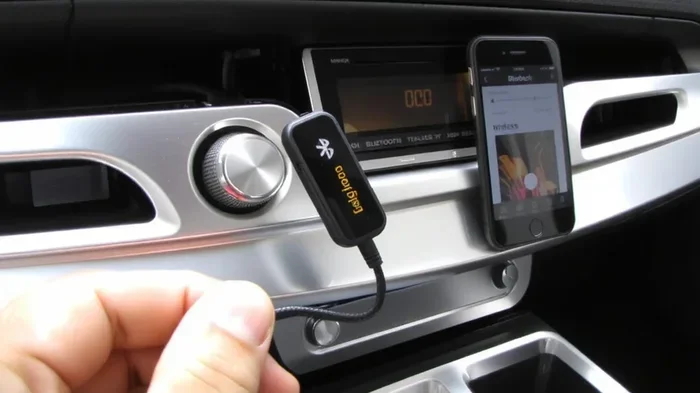
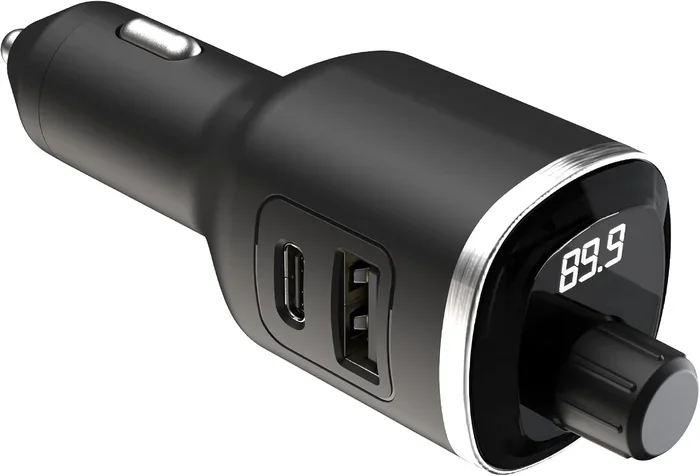
Before we dive into battery drain, it helps to understand what these little devices actually do. A Bluetooth FM transmitter is a small adapter that connects to your car’s cigarette lighter or USB port. It receives audio from your phone through Bluetooth and broadcasts it as an FM radio signal. Your car stereo picks up that signal and plays the music through your speakers.
The process is surprisingly simple. Your phone sends audio data wirelessly to the transmitter. The transmitter then converts that data into an FM radio frequency. Your car stereo tunes into that frequency just like it would tune into a local radio station. The whole thing happens in real time with very little delay.
### The Power Source
Most Bluetooth FM transmitters plug directly into a 12-volt cigarette lighter socket. Some newer models use USB ports instead. Either way, the device draws power from your car’s electrical system. This is where the battery drain question starts. People naturally wonder, “If it pulls power from the car, does it pull from the battery too?”
The answer depends on whether your engine is running. When your engine is on, your alternator generates electricity and feeds it to the battery and all your accessories. The transmitter gets its power from the alternator, not directly from the battery. This is a key distinction that many people miss.
### What Happens When the Engine Is Off
When your car is turned off, the alternator stops working. At that point, everything plugged into your car’s electrical system draws power directly from the battery. This includes your Bluetooth FM transmitter. So yes, if you leave your transmitter plugged in with the engine off, it will slowly draw power from the battery.
But here is the good news. The power draw is incredibly small. Most transmitters use between 0.5 and 1.5 watts. A typical car battery holds around 40 to 60 amp-hours of capacity. At that draw rate, it would take many hours of continuous use with the engine off to drain the battery enough to cause problems.
## Do Bluetooth FM Transmitters Actually Drain Your Battery
This is the big question, and the answer is more reassuring than you might think. Under normal driving conditions, a Bluetooth FM transmitter does not meaningfully drain your car battery. Let us break down why.
### Power Consumption Compared to Other Accessories
To put things in perspective, let us compare the power draw of a Bluetooth FM transmitter to other common car accessories. A typical car radio uses about 5 to 10 watts. Your headlights use around 55 to 65 watts each. Even a phone charger draws about 2 to 3 watts. A Bluetooth FM transmitter sits at the very low end of the power consumption spectrum.
Here is a quick comparison table to make this clear:
- Car Headlights (pair): 110 watts
- Car Radio: 5 to 10 watts
- Phone Charger: 2 to 3 watts
- Bluetooth FM Transmitter: 0.5 to 1.5 watts
- Dash Cam: 1 to 2 watts
As you can see, the transmitter uses less power than most of your other car electronics. It is barely a blip on the radar when it comes to battery usage.
### The Alternator Factor
When your car engine is running, the alternator does the heavy lifting. It generates electricity and sends it to power all your accessories while also keeping the battery charged. A standard car alternator produces between 40 and 80 amps, which is plenty to handle a Bluetooth FM transmitter and then some.
Think of it this way. The alternator is like a water hose filling a bucket. The transmitter is like a tiny straw sipping from that bucket. The hose fills the bucket far faster than the straw can empty it. That is exactly what happens in your car during normal driving.
### When Battery Drain Becomes a Real Concern
Now, there are situations where battery drain from a Bluetooth FM transmitter could become a problem. The most common scenario is leaving the device plugged in with the engine off for an extended period. If you park your car overnight with the transmitter still connected, you might notice a slightly weaker battery the next morning.
Another situation is short trips. If you frequently drive for only 10 to 15 minutes, the alternator may not have enough time to fully recharge the battery. Over time, this pattern can wear down your battery, especially if you have other accessories drawing power as well.
## How to Prevent Battery Drain From Your Transmitter
The good news is that preventing battery drain from your Bluetooth FM transmitter is very easy. A few simple habits can keep your battery healthy and your transmitter working perfectly.
### Unplug When Not in Use
The easiest and most effective tip is to unplug your transmitter when you are not using it. If you are not driving, there is no reason to leave it plugged in. It takes just a few seconds to unplug it, and it eliminates any worry about standby power drain.
Some people leave their transmitters plugged in all the time for convenience. If that is you, consider investing in a transmitter with an automatic shutoff feature. Some models detect when your phone disconnects and power down on their own. This reduces standby drain significantly.
### Turn Off Bluetooth When Not Streaming
Another simple step is to turn off Bluetooth on your phone when you are not actively streaming music. Many transmitters stay in pairing mode even when not connected, which draws a small amount of power. Turning off Bluetooth on your phone stops the search for devices and saves a bit of energy on both ends.
### Choose a Quality Transmitter
Not all Bluetooth FM transmitters are created equal. Cheap, no-name models often have lower-quality components that draw more power than necessary. They may also have poor voltage regulation, which can cause inconsistent power draw and potentially stress your electrical system.
Investing in a reputable brand pays off in both performance and energy efficiency. Look for transmitters from well-known manufacturers that clearly list their power consumption specs. A quality transmitter will use less power and last longer too.
### Keep Your Battery Healthy
A healthy battery handles accessory drain much better than a weak one. Regular maintenance goes a long way. Make sure your battery terminals are clean and tight. If your battery is more than three to four years old, consider having it tested at a local auto parts store. Many stores offer free battery testing.
Also, avoid leaving your car parked for weeks without starting it. If you do, the battery will slowly lose charge regardless of whether you have a transmitter plugged in. A battery maintainer or trickle charger is a great investment if you have a car that sits idle for long periods.
## Common Myths About Bluetooth FM Transmitters and Battery Drain
There are a lot of misconceptions floating around about these devices. Let us clear up some of the most common ones.
### Myth 1: They Drain the Battery Even When the Engine Is Running
This is simply not true. When the engine runs, the alternator supplies power to all accessories. The transmitter does not tap into the battery in any meaningful way during normal driving. Your battery stays fully charged as long as the alternator is working properly.
### Myth 2: All Transmitters Drain the Same Amount of Power
Different models use different amounts of power. A high-quality transmitter with efficient circuitry uses far less than a cheap knockoff. The build quality, materials, and design all affect power consumption. This is another reason to choose a reputable brand.
### Myth 3: Using a Transmitter Will Kill Your Battery Overnight
A Bluetooth FM transmitter uses so little power that it would take many hours of continuous engine-off use to cause any noticeable battery drain. Leaving it plugged in overnight once or twice is very unlikely to cause problems. It would take days of continuous unplugged use to seriously weaken a healthy battery.
### Myth 4: The Transmitter Interferes With Battery Charging
Some people believe that the transmitter somehow interferes with the battery charging process. This is not how car electrical systems work. The alternator charges the battery and powers accessories simultaneously. The transmitter is just another small accessory in the circuit, and the alternator handles it with ease.
## Expert Tips for Getting the Most From Your Bluetooth FM Transmitter
Beyond battery drain concerns, there are several tips that can improve your overall experience with a Bluetooth FM transmitter. These are practical insights that regular users swear by.
### Find the Cleanest FM Frequency
The best performance comes from finding an FM frequency with no local radio stations. In urban areas, this can be tricky because the FM spectrum is crowded. Try frequencies in the 87.9 to 88.1 range or the very top of the dial above 107.9. These are often unused in many areas.
### Keep Your Phone Close to the Transmitter
Bluetooth signal strength weakens with distance. Keeping your phone within a few feet of the transmitter ensures a strong, stable connection. This means fewer audio dropouts and better sound quality. A loose connection can also cause the transmitter to work harder, slightly increasing power draw.
### Use a High-Quality Audio Source
The quality of the music you stream matters. Low-quality audio files or weak streaming connections can result in poor sound through the transmitter. Use high-quality audio sources and a strong Wi-Fi or cellular connection for the best results. The transmitter itself does not improve audio quality, but it faithfully passes along whatever it receives.
### Avoid Cheap Knockoff Brands
We mentioned this earlier, but it deserves repeating. Cheap transmitters often have poor build quality, inconsistent power draw, and weak Bluetooth signals. They may also overheat, which is a safety concern in the confined space of your car. Spending a little more on a quality unit saves you headaches down the road.
## How to Choose the Right Bluetooth FM Transmitter
If you are in the market for a new transmitter, there are a few things to keep in mind. Battery drain should be on your list, but it is not the only factor. Here are some quick tips for choosing the right one.
- Check Power Consumption Ratings: Look for models that list their wattage. Lower is better for battery health.
- Look for Automatic Shutoff: This feature saves power when you are not actively using the device.
- Consider USB Charging Ports: Many transmitters double as car chargers, which adds convenience.
- Read Reviews: Real user reviews often mention battery drain and overall performance.
- Check Compatibility: Make sure the transmitter works well with your phone and car stereo.
A good transmitter should feel effortless to use. You plug it in, connect your phone, and forget about it. It should not be something you think about every time you get in the car.
## Final Thoughts
So, do Bluetooth FM transmitters drain your car battery? The answer is a reassuring no, at least not in any meaningful way during normal use. These devices use so little power that they are barely a blip on your car’s electrical system. The alternator handles them easily when your engine is running.
The only time you need to be cautious is when leaving the transmitter plugged in with the engine off for extended periods. Even then, the drain is minimal and would take many hours to cause any real problem. By following the simple tips in this article, you can enjoy wireless music streaming without ever worrying about a dead battery.
A Bluetooth FM transmitter is one of the most practical and affordable car accessories you can own. It bridges the gap between older car stereos and modern wireless technology. As long as you use it with common sense, it will serve you well for years without ever touching your battery health.
The key is to stay informed and develop a few smart habits. Unplug when you can, choose quality over price, and keep your battery maintained. With those simple steps, your transmitter and your car battery will coexist just fine.
Key Takeaways
- Low Power Draw: Bluetooth FM transmitters use very little electricity, typically under 1 watt during normal operation.
- Engine Off Drain Is Real: Leaving a transmitter plugged in while the car is off can drain your battery over several hours.
- Normal Use Is Safe: When your engine is running, the alternator replenishes power faster than the transmitter uses it.
- Smart Habits Help: Unplugging the device when not in use is the simplest way to prevent any battery issues.
- Quality Matters: Higher-quality transmitters are more energy-efficient and cause less drain than cheap models.
- Battery Health Depends on Usage: Occasional use of a Bluetooth FM transmitter will not harm a healthy car battery.
Frequently Asked Questions
Can a Bluetooth FM transmitter drain my car battery overnight?
It is very unlikely. A Bluetooth FM transmitter uses between 0.5 and 1.5 watts of power. Leaving it plugged in overnight would use a tiny fraction of your battery’s capacity. A healthy battery should handle this without any issues, even after multiple nights.
How much power does a Bluetooth FM transmitter use?
Most Bluetooth FM transmitters use between 0.5 and 1.5 watts during normal operation. This is less power than a standard phone charger and far less than almost any other car accessory. The exact amount varies by model and brand.
Should I unplug my Bluetooth FM transmitter when I park?
It is a good habit, but not strictly necessary for occasional parking. If you park your car for days at a time, unplugging the transmitter is a smart move. For short errands and daily driving, leaving it plugged in will not cause any noticeable battery drain.
Will a Bluetooth FM transmitter work if my car battery is weak?
Yes, it will still work. The transmitter draws very little power, so even a weak battery can handle it. However, if your battery is already struggling, adding any accessory can make the problem worse. It is better to address battery health first.
Do Bluetooth FM transmitters use power when not connected to a phone?
Yes, they draw a small amount of standby power even when not connected. This is because the device remains powered on and may actively search for Bluetooth devices. The standby draw is still very low, typically under 0.5 watts.
Can I use a Bluetooth FM transmitter with an older car that does not have Bluetooth?
Absolutely. That is exactly what Bluetooth FM transmitters were designed for. They work with any car that has a cigarette lighter socket and a standard FM radio. They are especially popular for older vehicles that lack modern connectivity features. Just make sure your car’s electrical system is in good shape before adding any new accessory.