Did Dremel Stop Making 3d Printers And What Happened
Did Dremel stop making 3D printers? Yes, they did. Dremel stepped away from the 3D printing market and shifted focus back to its core tools and accessories. Here is what happened, why it happened, and what it means for current and future users.
This is a comprehensive guide about Did Dremel Stop Making 3d Printers.
Key Takeaways
- Dremel exited the 3D printer market: They stopped producing new 3D printers for consumers and shifted focus to other product lines.
- The Dremel Digilab line was discontinued: Popular models like the Dremel 3D40 and 3D45 are no longer in active production.
- Support and firmware updates ended: Dremel reduced active support for their 3D printer lineup over time.
- You can still find used Dremel 3D printers: Many units remain available through resale platforms and third-party sellers.
- Dremel focused on its core brand strength: The company returned to its roots in rotary tools, accessories, and established product categories.
- Alternatives exist in the 3D printing space: Many other brands now offer competitive desktop 3D printers at various price points.
- The Dremel 3D printing legacy lives on: Their early entry helped popularize 3D printing in education and home use.
[FEATURED_IMAGE_PLACEHOLDER]
Did Dremel Stop Making 3D Printers
If you have been searching for a Dremel 3D printer lately, you may have noticed something strange. They seem to have disappeared from store shelves. Online retailers list them as discontinued or hard to find. So did Dremel stop making 3D printers? The short answer is yes. But the full story is more interesting than you might think.
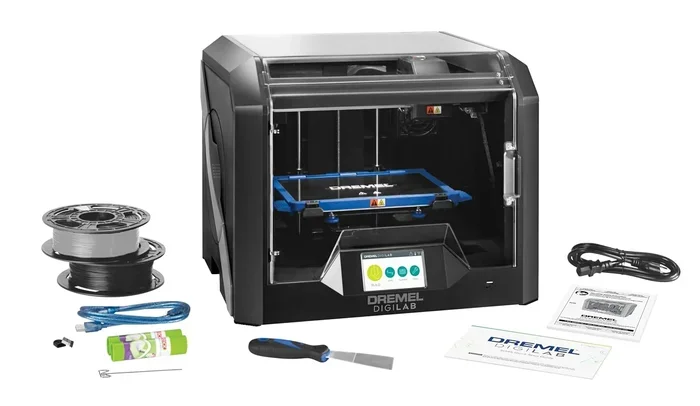
Dremel was once a familiar name in the 3D printing world. Their Digilab line brought 3D printing into schools, makerspaces, and homes. The Dremel 3D40 and the Dremel 3D45 were popular choices for beginners and educators alike. But over time, the company made a decision to move away from this market. This shift left many users and fans wondering what went wrong and what comes next.
This article covers everything you need to know. We will explore why Dremel stopped making 3D printers, what happened to their products, and how this affects you if you already own one. Whether you are a current Dremel user or just curious about the brand, you will find clear answers here. Let us dive into the full story of Dremel and their 3D printing journey.
The Rise of Dremel in the 3D Printing World
Dremel is best known for rotary tools and power accessories. For decades, their orange and black tools have been a staple in workshops around the world. But around 2014, Dremel made a bold move into a new space: 3D printing. They launched the Dremel Digilab line with the goal of making 3D printing accessible to everyday users.
The first major model was the Dremel 3D40. It was an FDM printer, which stands for fused deposition modeling. This is the most common type of desktop 3D printer. It works by melting plastic filament and layering it to build objects. The Dremel 3D40 was designed to be easy to use right out of the box. It came with pre-installed software and a simple interface.
Soon after, Dremel released the Dremel 3D45. This model offered better features. It had a enclosed build chamber, which helps with temperature control. It also supported more filament types, including ABS and Nylon. The Dremel 3D45 became a go-to choice for schools and educational programs. Many classrooms adopted it for STEM learning and project-based activities.
Why Dremel 3D Printers Gained Popularity
Dremel had several advantages that helped their 3D printers succeed. First, the brand already had strong name recognition. People trusted Dremel because they knew the company from their rotary tools. Second, Dremel focused on ease of use. Their printers were not the cheapest on the market, but they were reliable and beginner-friendly. Third, they built a solid 3D printing ecosystem around their products.
The Dremel Digilab 3D printing software made slicing and printing straightforward. They also offered helpful customer support and educational resources. For schools and libraries, Dremel provided lesson plans and training materials. This made their printers more than just a machine. They became a complete learning tool. The 3D printing community embraced Dremel because of this thoughtful approach.
Popular Dremel 3D Printer Models
Here are the main Dremel 3D printer models that were released during their time in the market:
- Dremel 3D40: The first major desktop model. It was compact, reliable, and great for beginners.
- Dremel 3D45: An upgraded version with an enclosed chamber and broader filament support.
- Dremel Digilab 3D20: A smaller and more affordable option for casual users.
- Dremel 3D40-EDU: A special education-focused version with classroom-friendly features.
These models helped Dremel build a loyal following. Many users praised their build quality and consistent performance. For a while, Dremel was one of the most recognized names in the desktop 3D printer space.
Why Did Dremel Step Away from 3D Printers
So why did Dremel stop making 3D printers? There is no single reason. Instead, several factors came together that led to this decision. Understanding these reasons helps explain the bigger picture of the 3D printing industry.
Shifting Market Competition
The desktop 3D printer market became very crowded. Companies like Creality, Prusa, Bambu Lab, and Monoprice flooded the space with affordable options. Many of these printers offered similar or better features at lower prices. Dremel printers were positioned as premium products, but the market shifted toward budget-friendly machines. This made it harder for Dremel to justify their price point.
New brands also emerged with modern features. Wi-Fi connectivity, touchscreen displays, and automatic bed leveling became standard. Some of these newer printers simply outperformed older Dremel models. The competition pressure increased every year.
Focus on Core Product Lines
Dremel is fundamentally a tool company. Their rotary tools, jigsaws, and accessories are where their real strength lies. The 3D printing market required a different kind of investment. It needed ongoing software development, firmware updates, and customer support for a niche product category.
Dremel decided to refocus on their core strengths. They returned to investing in their established product lines. This is a smart business move for many companies. Staying focused on what you do best often leads to better results than spreading resources too thin.
Challenges with the 3D Printing Ecosystem
Running a 3D printer business is not just about selling hardware. It requires building and maintaining software, managing filament partnerships, and supporting a community of users. Dremel found this ecosystem demanding. The costs of keeping up with software updates and new filament technologies added up.
Also, the 3D printing community moves fast. Trends and technologies change quickly. Keeping a product line current requires constant innovation. For Dremel, this level of investment did not align with their overall business strategy.
What Happened to Dremel 3D Printers After They Left
When Dremel stopped producing new 3D printers, several things happened. Some affected current users directly. Others changed the broader landscape of Dremel-branded 3D printing.
Discontinuation of Existing Models
Dremel gradually phased out their 3D printer lineup. The Dremel 3D40 and Dremel 3D45 were no longer listed on the official Dremel website. Retailers stopped stocking new units. The Dremel Digilab brand for 3D printing was essentially retired. This meant no new printers, no new accessories, and no new product announcements.
For users who already owned a Dremel printer, this was a concern. Would they still get support? Would firmware updates continue? The answers were not always reassuring.
Reduced Support and Firmware Updates
Over time, Dremel reduced the level of support for their 3D printers. Firmware updates became less frequent. The official Dremel Digilab software eventually stopped receiving major updates. Some users reported difficulty finding replacement parts or getting technical help.
This is a common issue when a company exits a product category. The hardware may still work, but the ecosystem around it shrinks. For some users, this made the transition to a different brand more appealing.
Third-Party and Community Support
Even though Dremel pulled back, the community did not forget. Open-source firmware options like Marlin and Klipper can work with some Dremel printers. The 3D printing community has always been resourceful. Many users found ways to keep their Dremel printers running with third-party solutions.
Online forums and groups dedicated to Dremel 3D printers still exist. Users share tips, mods, and troubleshooting advice. This community support helps extend the life of older Dremel models significantly.
Can You Still Buy a Dremel 3D Printer Today
If you want to buy a Dremel 3D printer now, your options are limited but not gone. Here is what the current situation looks like.
New vs. Used Market
You will not find brand-new Dremel 3D printers on the official Dremel website or major retailers. They are no longer in active production. However, you can still find them in the used market. Online platforms like eBay, Facebook Marketplace, and specialty 3D printing forums often have Dremel printers for sale.
Buying a used Dremel printer can be a good option if you find one in good condition. Just make sure to check the build plate, extruder, and frame for wear. Also confirm that all necessary cables and accessories are included.
Pricing for Remaining Units
Prices for used Dremel 3D printers vary. The Dremel 3D40 typically sells for $150 to $300 depending on condition. The Dremel 3D45 may cost a bit more, often between $200 and $400. These prices reflect the fact that these printers are no longer current models.
Keep in mind that you will not get a warranty with a used unit. You also may not have access to official support. This is an important consideration before purchasing.
Are Dremel 3D Printers Still Worth It
This depends on your situation. If you already own a Dremel printer and it works well, it can still produce quality prints. The hardware is solid and reliable. However, if you are buying for the first time, there are many newer options available from other brands that offer better features and active support.
The Dremel 3D printers were great for their time. But the 3D printing industry has evolved rapidly. Newer printers offer faster speeds, better resolution, and more modern features. If you are starting fresh, you may want to explore current alternatives.
Dremel 3D Printers vs. Current Alternatives
To understand what Dremel missed, it helps to look at what the current 3D printer market offers. Many brands now provide excellent desktop 3D printers at competitive prices.
Key Comparison Factors
Here are the main factors to consider when comparing Dremel printers to modern alternatives:
- Price: Current alternatives often cost less than what Dremel printers originally retailed for.
- Features: Modern printers include auto-bed leveling, Wi-Fi, and larger build volumes.
- Software: Many brands now offer improved slicing software with better user interfaces.
- Community Support: Popular brands have large, active user communities and forums.
- Firmware Updates: Current manufacturers regularly update their firmware for better performance.
Popular Alternatives to Dremel 3D Printers
Several brands now dominate the desktop 3D printer space. Creality offers budget-friendly options like the Ender series. Prusa is known for premium quality and open-source design. Bambu Lab has gained popularity for speed and reliability. Monoprice provides solid mid-range options for casual users. Each of these brands has an active product line and ongoing support.
If you are looking for a 3D printer today, these alternatives offer more features, better value, and stronger long-term support than what Dremel currently provides.
The Legacy of Dremel in the 3D Printing Community
Even though Dremel left the 3D printing market, their impact should not be overlooked. They played an important role in bringing 3D printing to mainstream audiences. Their focus on education and accessibility helped many people discover additive manufacturing for the first time.
Dremel printers were often the first 3D printer in many schools and libraries. They introduced thousands of students to the basics of 3D design and printing. This educational contribution is a lasting legacy. Many current 3D printing enthusiasts started their journey with a Dremel printer.
The company also helped normalize 3D printing as a practical tool. Before Dremel entered the space, 3D printers were often seen as complicated and expensive. Dremel made them feel approachable and user-friendly. This shifted public perception and opened doors for the broader 3D printing industry.
What to Do If You Own a Dremel 3D Printer Now
If you still have a working Dremel 3D printer, you have options. Here is what you can do to get the most from your machine.
Keep It Running with Basic Maintenance
Regular maintenance goes a long way. Clean the build plate after each use. Check the extruder for filament buildup. Keep the firmware updated if previous versions are still available. A well-maintained Dremel printer can continue producing quality prints for years.
Explore Open-Source Software Options
Since Dremel’s official software is no longer updated, consider switching to open-source alternatives. Cura, PrusaSlicer, and other free slicing software work with many printers, including some Dremel models. These programs offer modern features and active development communities.
Consider Upgrades and Mods
The 3D printing community has created many upgrades for popular printer models. You may find aftermarket parts, upgraded extruders, or modified firmware that can breathe new life into your Dremel printer. Online forums and communities are great places to find these resources.
Plan for the Future
Eventually, every printer reaches the end of its life. If your Dremel printer needs major repairs, it may be time to consider an upgrade. Research current alternatives and find a printer that fits your needs and budget. The good news is that the 3D printing market today has more options than ever before.
Key Takeaways
- Dremel exited the 3D printer market: They stopped producing new 3D printers and shifted focus to their core tool business.
- The Dremel Digilab line was discontinued: Models like the Dremel 3D40 and 3D45 are no longer in active production or officially supported.
- Competition and business strategy drove the decision: Dremel faced rising competition and chose to focus on their established product lines.
- Used Dremel printers are still available: You can find them on resale platforms, but without warranty or official support.
- Community support keeps older models alive: Open-source software and mods help extend the life of Dremel 3D printers.
- Modern alternatives offer better value: Current 3D printer brands provide more features, better support, and active development.
- Dremel’s educational legacy remains: They helped bring 3D printing into classrooms and inspired a generation of makers.
Conclusion
So did Dremel stop making 3D printers? Yes, they did. The company made a strategic decision to leave the 3D printing market and return to its core strengths. This meant discontinuing the Digilab line, ending new production, and reducing support for existing models. It was a significant shift for a brand that once played a major role in popularizing desktop 3D printing.
For current Dremel 3D printer owners, this means using the machine you have while you can. Open-source software, community mods, and regular maintenance can help keep it running. For those looking to buy a new printer, the market today offers incredible options from many other brands.
The story of Dremel and 3D printing is a reminder that the technology industry moves fast. Companies rise, evolve, and sometimes pivot away from certain markets. What matters most is the value they created along the way. Dremel helped make 3D printing accessible to many people. That legacy will not be forgotten.
If you are exploring 3D printing for the first time or looking to upgrade, there has never been a better time to dive in. The 3D printing ecosystem is thriving with innovation, community, and affordable options. Take what you learned here and find the right printer for your needs. The world of 3D printing is waiting for you.
Did Dremel Stop Making 3D Printers Because of Poor Sales?
Sales were a factor, but not the only one. The desktop 3D printer market became highly competitive with many affordable options. Dremel also decided to refocus on their core rotary tool business, which is their main revenue driver. The combination of market pressure and strategic priorities led to the decision.
Can You Still Get Warranty Service for a Dremel 3D Printer?
Warranty service depends on when you purchased the printer and the original warranty terms. Most Dremel 3D printers had limited warranties that have likely expired by now. Contacting Dremel customer support directly is the best way to check if any coverage remains for your specific model.
What Open-Source Software Works with Dremel 3D Printers?
Cura and PrusaSlicer are two popular options that may work with certain Dremel models. You may need to configure settings manually or find a compatible profile online. The 3D printing community has created many resources to help users transition away from Dremel’s official software.
Are Dremel 3D Printers Good for Beginners?
They were excellent for beginners when they were actively sold. The Dremel 3D40 and 3D45 were known for easy setup and reliable performance. However, since they are no longer supported, newer beginner-friendly options from other brands may offer a better overall experience today.
What Happened to the Dremel Digilab Brand?
The Dremel Digilab brand for 3D printing was retired after the product line was discontinued. Dremel shifted the Digilab name and resources toward other areas of their business. The brand no longer represents any active 3D printing products.
Will Dremel Ever Return to the 3D Printing Market?
There is no official announcement from Dremel about returning to 3D printing. Companies sometimes revisit past product lines, but nothing is confirmed. For now, Dremel remains focused on their established tool and accessory categories. Keep an eye on official Dremel announcements for any future updates.
Frequently Asked Questions
What is Did Dremel Stop Making 3d Printers?
Did Dremel Stop Making 3d Printers is an important topic with many practical applications.