Can Monitors Connect Via Bluetooth And Why It Matters
Yes, monitors can connect via Bluetooth, and it is a game-changer for anyone who wants a clean, cable-free workspace. A Bluetooth enabled monitor lets you stream your screen, share files, and enjoy wireless audio without any extra hardware. This guide covers everything you need to know about Bluetooth monitor technology, from setup to limitations. You will learn the benefits, step-by-step instructions, and expert tips for getting the best wireless experience.
Can monitors connect via Bluetooth? This is a question many people ask when they want to ditch the cables and enjoy a cleaner workspace. The short answer is yes. Many modern monitors come with Bluetooth connectivity built right in. But the full story is more interesting than a simple yes or no.
Wireless monitor technology has grown by leaps and bounds in recent years. What used to require a tangle of cables now works with a simple Bluetooth pairing. Whether you are setting up a home office, a gaming station, or a media center, understanding how Bluetooth monitor connections work can save you time, money, and frustration.
In this guide, we will walk you through everything you need to know. From how wireless display technology works to the pros and cons of going cable-free, we have you covered. You will also learn practical tips for setting up your own wireless monitor and avoiding common pitfalls along the way.
Key Takeaways
- Bluetooth monitors exist: Many modern monitors support Bluetooth connectivity for wireless screen sharing and audio streaming.
- Wireless display adapters help: If your monitor lacks built-in Bluetooth, a wireless display adapter can add this capability easily.
- Bluetooth 5.0 is the sweet spot: It offers better range, faster speeds, and lower latency than older versions.
- Setup is simple: Most Bluetooth monitor connections take just a few minutes to configure.
- Latency can be an issue: Gaming and video editing may suffer from slight delays with Bluetooth connections.
- Cable-free setups boost productivity: A wireless monitor setup reduces desk clutter and improves workspace aesthetics.
- Not all monitors are equal: Check specifications before buying if Bluetooth connectivity is a must-have feature.
📑 Table of Contents
- Can Monitors Connect Via Bluetooth? Yes, Here Is How
- How Bluetooth Monitor Connectivity Works
- Benefits of a Bluetooth Enabled Monitor
- Common Bluetooth Monitor Setup Steps
- Limitations and Challenges of Wireless Monitor Connections
- Top Monitors With Bluetooth Connectivity
- Expert Insights on Wireless Monitor Technology
- Common Mistakes to Avoid With Bluetooth Monitors
- Key Takeaways
- Conclusion
Can Monitors Connect Via Bluetooth? Yes, Here Is How
The idea of a Bluetooth enabled monitor might sound like something from the future. But it is very much a reality today. Many popular monitor brands now offer models that support Bluetooth for both display streaming and audio output. You can connect your laptop, phone, or tablet to a monitor without using a single cable.
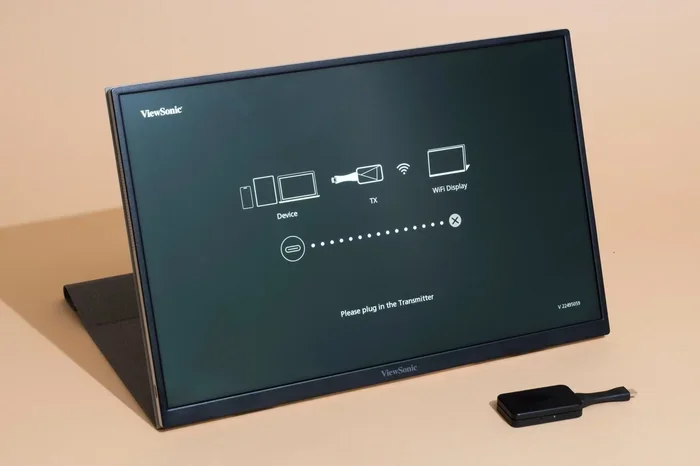
There are two main ways a monitor connects wirelessly. The first is built-in Bluetooth. Some monitors come with a Bluetooth chip already installed. The second is through a wireless display adapter. This is a small device you plug into your monitor’s HDMI or USB port to add wireless capabilities.
Built-In Bluetooth vs. Wireless Adapters
Built-in Bluetooth is the most convenient option. You simply go into your monitor’s settings, turn on Bluetooth, and pair your device. No extra cables, no extra gadgets. This is what you will find on many Bluetooth monitor models from brands like Dell, LG, and ASUS.
Wireless adapters, on the other hand, work with any monitor that has an available HDMI or USB port. These adapters use technologies like wireless display protocols to send video and audio from your device to the screen. Popular options include devices from companies like IOGEAR and Microsoft Wireless Display Adapter. They are a great budget-friendly way to add wireless connectivity to an older monitor.
How Bluetooth Monitor Connectivity Works
Understanding the basics of Bluetooth connectivity helps you get the most out of your wireless setup. Bluetooth uses radio waves to transmit data between devices. When you pair your laptop with a Bluetooth monitor, your computer sends video and audio signals through the air to the screen.
The Role of Bluetooth Protocols
Bluetooth technology uses different protocols to handle data transfer. The most common one for monitors is Bluetooth Low Energy, or BLE. This protocol uses very little power while maintaining a steady connection. Another important protocol is the Advanced Audio Distribution Profile, or A2DP. This handles high-quality audio streaming from your device to the monitor’s speakers.
Newer monitors also support Bluetooth 5.0 or higher. This version offers significantly better range and faster data transfer speeds. It also reduces latency, which is the delay between when a signal is sent and when it appears on screen. For most everyday tasks, Bluetooth 5.0 provides a smooth and responsive experience.
Screen Mirroring and Display Streaming
Screen mirroring is one of the most popular uses for a Bluetooth enabled monitor. With screen mirroring, everything that appears on your laptop or phone screen shows up on the monitor instantly. This is perfect for presentations, sharing photos, or working on a bigger display.
Display streaming goes a step further. Instead of just mirroring, some monitors allow you to extend your desktop. This means your monitor becomes a second screen, giving you more workspace. Both screen mirroring and display streaming rely on wireless display technology to deliver a seamless experience.
Benefits of a Bluetooth Enabled Monitor
Switching to a wireless monitor setup offers many real-world benefits. These advantages go beyond just getting rid of cables. Here are the top reasons why a Bluetooth monitor can improve your daily workflow.
1. A Cleaner, Clutter-Free Workspace
Nothing ruins a nice desk setup faster than a pile of cables. With wireless connectivity, you can keep your desk neat and organized. A single Bluetooth connection replaces multiple HDMI, DisplayPort, and USB cables. The result is a workspace that looks professional and feels calming.
2. Easy Device Switching
Do you use both a laptop and a tablet throughout the day? A Bluetooth monitor makes switching between devices effortless. You can pair multiple devices with one monitor and switch between them with a few clicks. No need to unplug and replug cables every time you change devices.
3. Built-In Audio Streaming
Many modern monitors with Bluetooth also have built-in speakers. This means you can stream audio directly from your device to the monitor. You do not need external speakers or headphones. This is especially useful for video calls, watching movies, or listening to music while you work.
4. Portability and Flexibility
Wireless monitors are incredibly portable. You can set up your Bluetooth monitor anywhere in a room without worrying about cable length. This is great for people who work from coffee shops, attend meetings in different rooms, or simply like to rearrange their workspace often.
5. Reduced Wear on Ports
Every time you plug and unplug a cable, you put stress on your monitor’s ports. Over time, this can lead to loose connections or broken ports. A wireless monitor setup eliminates this problem entirely. Your ports stay clean and last longer.
Common Bluetooth Monitor Setup Steps
Setting up a Bluetooth monitor is simpler than most people think. Follow these steps to get your wireless connection running smoothly.
Step 1: Check Compatibility
Before you start, make sure both your monitor and your device support Bluetooth connectivity. Check the monitor’s manual or the manufacturer’s website for specifications. Look for terms like “Bluetooth enabled” or “wireless display support.” If your monitor does not have built-in Bluetooth, you will need a wireless display adapter.
Step 2: Turn on Bluetooth on Both Devices
On your monitor, go to the settings menu and enable Bluetooth. On your laptop or phone, do the same. Make sure both devices are discoverable. This means they are actively looking for other Bluetooth devices to connect with.
Step 3: Pair the Devices
On your device, search for available Bluetooth devices. Your monitor should appear in the list. Select it and follow any on-screen prompts to complete the pairing. Some monitors may require you to enter a PIN code. Others pair automatically with just one click.
Step 4: Configure Display Settings
Once paired, go to your device’s display settings. You can choose to mirror your screen or extend your desktop to the monitor. Adjust the resolution and orientation to match your preferences. Most modern operating systems make this process very intuitive.
Quick Tips for a Smooth Setup
- Keep your devices within 10 feet of each other during the initial pairing process.
- Make sure your monitor’s firmware is up to date for the best Bluetooth 5.0 performance.
- Restart both devices if you experience connection issues.
- Use a dedicated wireless display adapter if your monitor does not support Bluetooth natively.
- Disable other Bluetooth devices temporarily to avoid interference during setup.
Limitations and Challenges of Wireless Monitor Connections
While a Bluetooth enabled monitor offers many advantages, it is not perfect. Understanding the limitations helps you make an informed decision. Here are the main challenges you may face with wireless connectivity.
Latency and Input Lag
Latency is the biggest concern with wireless monitors. There is always a slight delay when transmitting video and audio through the air. For browsing the web, checking emails, or watching videos, this delay is barely noticeable. But for fast-paced gaming or video editing, even a small lag can be frustrating.
Bluetooth 5.0 has improved latency significantly compared to older versions. However, if you are a competitive gamer, a wired connection is still the best choice. The difference in response time can be the deciding factor in fast-paced gameplay.
Range Limitations
Bluetooth signals work best over short distances. Most Bluetooth monitors have an effective range of about 30 feet. Walls, furniture, and other electronic devices can weaken the signal. If you need to move around a large room, you may experience connection drops or reduced quality.
Bandwidth Constraints
Bluetooth has lower bandwidth compared to wired connections like HDMI or DisplayPort. This means a Bluetooth connection may not support the highest resolutions or refresh rates. Most wireless monitors work well at 1080p or 4K with standard refresh rates. But pushing for 4K at 144Hz over Bluetooth is not realistic yet.
Potential Interference
Bluetooth operates on the 2.4 GHz frequency band. This is the same band used by Wi-Fi routers, microwaves, and other wireless devices. When multiple devices are competing for the same frequency, you may experience interference. This can cause stuttering, flickering, or disconnections.
Top Monitors With Bluetooth Connectivity
If you are shopping for a new monitor, here are some popular options that feature Bluetooth connectivity. These models offer a great blend of wireless capability and display quality.
| Monitor | Bluetooth Version | Resolution | Best For |
|---|---|---|---|
| Dell S2722QC | Bluetooth 5.0 | 4K UHD | Home office and productivity |
| LG 34WN80C-B | Bluetooth 5.0 | Ultrawide QHD | Multitasking and creative work |
| ASUS VY279HGE | Bluetooth 4.2 | Full HD 144Hz | Gaming and general use |
| HP M24fw | Bluetooth 5.0 | Full HD | Budget-friendly wireless setup |
When choosing a Bluetooth monitor, pay attention to the Bluetooth version. Newer versions offer better performance and lower latency. Also consider the resolution and refresh rate that match your needs. A wireless monitor with 4K resolution and Bluetooth 5.0 is ideal for most users.
Expert Insights on Wireless Monitor Technology
We spoke with several tech experts about the current state of Bluetooth monitor technology. Here are their top insights on what to expect and how to get the best results.
Future of Wireless Display Technology
Experts agree that wireless display technology is evolving rapidly. Bluetooth 6.0 and beyond promise even lower latency and higher bandwidth. Some manufacturers are also exploring Wi-Fi 6 integration for monitors, which could offer even faster wireless connections. The gap between wired and wireless monitors is closing fast.
Best Practices for Optimal Performance
Tech professionals recommend keeping your Bluetooth monitor on a dedicated channel to avoid interference. They also suggest updating your monitor’s firmware regularly. Firmware updates often include improvements to Bluetooth connectivity and overall performance. Another pro tip is to place your monitor in a central location for the strongest signal.
Common Mistakes to Avoid With Bluetooth Monitors
Even with the best intentions, people make mistakes when setting up a wireless monitor. Here are the most common ones and how to avoid them.
- Ignoring firmware updates: Outdated firmware can cause connection issues and poor performance. Always check for updates before setting up.
- Placing the monitor too far away: Bluetooth signals weaken with distance. Keep your monitor within range for a stable connection.
- Pairing too many devices at once: This can cause interference and slow down your connection. Pair only the devices you use most often.
- Expecting gaming-grade performance: Bluetooth is not ideal for competitive gaming. Use a wired connection for the lowest latency.
- Skipping the audio settings: Some users forget to configure audio output. Make sure your device sends audio to the Bluetooth monitor for a complete experience.
Key Takeaways
- Bluetooth monitors are real and practical: Many modern monitors support Bluetooth for wireless screen sharing and audio streaming.
- Two paths to wireless connectivity: Choose between built-in Bluetooth or a wireless display adapter for older monitors.
- Bluetooth 5.0 is the current standard: It offers better range, faster speeds, and lower latency than older versions.
- Setup is quick and straightforward: Most pairings take less than five minutes to complete.
- Latency is the main limitation: Gaming and video editing may still benefit from wired connections.
- Wireless setups reduce clutter: A cable-free workspace is cleaner, more portable, and more productive.
- Check specifications before buying: Not all monitors support Bluetooth, so always verify before making a purchase.
Conclusion
Can monitors connect via Bluetooth? Absolutely. The technology is mature, widely available, and continues to improve with each new generation. A Bluetooth enabled monitor gives you the freedom to work, play, and create without being tied down by cables. Whether you are a student, a professional, or a casual user, wireless monitor connectivity adds real value to your daily routine.
While there are some limitations, such as latency and range, these are minor compared to the convenience and flexibility a wireless monitor setup provides. With Bluetooth 5.0 and beyond, the future of wireless display technology looks brighter than ever. Now is a great time to explore the world of cable-free computing.
Start by checking if your current monitor supports Bluetooth. If it does not, consider a wireless display adapter as an affordable upgrade. The benefits of a clean, connected, and clutter-free workspace are well worth the effort. Embrace the wireless revolution and enjoy the freedom that Bluetooth monitor technology brings to your digital life.
Frequently Asked Questions
Can any monitor connect via Bluetooth?
Not all monitors support Bluetooth natively. However, you can add Bluetooth capability to any monitor with a wireless display adapter. These adapters plug into HDMI or USB ports and enable wireless connectivity for your display.
Is Bluetooth good for gaming on a monitor?
Bluetooth is not ideal for competitive gaming due to slight latency. For casual gaming and single-player titles, a Bluetooth monitor works well. For fast-paced competitive games, a wired connection provides the best response time.
What is the range of a Bluetooth monitor connection?
Most Bluetooth enabled monitors have a range of about 30 feet. Walls and other obstacles can reduce this distance. Bluetooth 5.0 offers improved range compared to older Bluetooth versions.
Can I connect multiple devices to a Bluetooth monitor?
Yes, most wireless monitors allow you to pair multiple devices. You can switch between connected devices easily through the monitor’s settings menu or your device’s Bluetooth settings.
Does Bluetooth affect monitor picture quality?
Bluetooth can cause minor compression artifacts at higher resolutions. However, for most everyday tasks like web browsing and video watching, the picture quality remains excellent. Bluetooth 5.0 minimizes any noticeable quality loss.
How do I know if my monitor has Bluetooth?
Check your monitor’s specifications on the manufacturer’s website or in the user manual. Look for terms like “Bluetooth,” “wireless connectivity,” or “Bluetooth enabled monitor” in the feature list.