Can I Use Food Coloring In Edible Printer Explained
Yes, you can use food coloring in an edible printer, but it requires the right approach and careful preparation. Not all food coloring types work well, and using the wrong one can clog your printer or ruin your prints. This guide walks you through everything you need to know about edible printer ink, from store-bought options to homemade recipes.
If you love cake decorating or edible image printing, you have probably wondered whether Can I Use Food Coloring In Edible Printer. The short answer is yes, but the full story is more interesting than a simple yes or no. Using food coloring in your edible printer opens up a world of creative possibilities, from custom cake toppers to personalized sugar cookies. However, not every type of food coloring works the same way, and using the wrong one can cause serious problems. This guide will walk you through everything you need to know to get great results.
Whether you are a hobby baker or someone who runs a small business selling custom treats, understanding your printer ink options matters. Edible printer ink can be expensive, and finding a food coloring substitute that actually works saves money and gives you more control over your designs. In the following sections, we will explore how edible printers work, which food coloring types are compatible, and how to make your own homemade edible ink at home. By the end, you will feel confident about experimenting with food-safe printing in your own kitchen.
Key Takeaways
- Food coloring works in edible printers: Yes, you can use food coloring in an edible printer, but choose the right type for best results.
- Liquid and gel coloring are the best options: Both work well when prepared with the right consistency and strain-free mixture.
- Avoid oil-based and paste coloring: These can clog nozzles, damage printer internals, and produce poor print quality.
- Homemade edible ink saves money: A simple DIY recipe using food coloring and water gives you creative control at a fraction of the cost.
- Printer maintenance is essential: Regular cleaning prevents clogs and ensures consistent, vibrant edible print quality every time.
- Always do a test print: Colors shift between screen and paper, so test on scrap edible paper before committing to your final design.
- Quality edible paper matters: Pair your homemade or commercial ink with good-quality wafer paper or edible paper for the best image transfer results.
📑 Table of Contents
- How Edible Printers Work and Why Ink Matters
- Can You Use Food Coloring in an Edible Printer
- Types of Food Coloring and Their Compatibility
- Making Homemade Edible Ink from Food Coloring
- Common Mistakes When Using Food Coloring in Printers
- Tips for Stunning Edible Prints Every Time
- Expert Insights on Food Coloring and Edible Printing
- Conclusion
How Edible Printers Work and Why Ink Matters
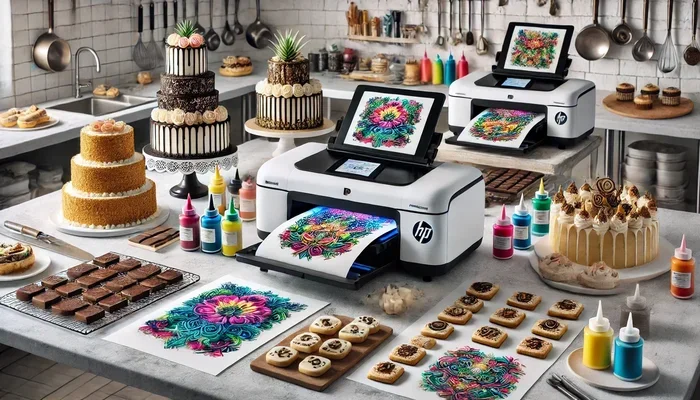
An edible printer is a special inkjet printer designed to print on edible paper. The most common types of edible paper include wafer paper, edible paper sheets, and sugar sheets. These materials are thin, lightweight, and safe to eat. The printer uses tiny nozzles to spray ink onto the paper, creating detailed images and text that can be transferred to cakes, cookies, and other treats.
The process of edible image printing is surprisingly similar to regular printing. The printer receives digital image data and translates it into tiny droplets of ink that are sprayed onto the edible paper. The ink sits on the surface and dries quickly, locking in the colors. This is why the type of ink you use matters so much. The wrong ink can bleed, smudge, or fail to adhere properly to the paper.
What Makes Edible Ink Different from Regular Ink
Regular printer ink contains chemicals that are toxic and not meant for consumption. Edible ink cartridges are specifically formulated to be food safe. They use food grade dye that meets safety standards for direct contact with food. When you print an image, the ink sits on the surface of the edible paper and dries quickly without bleeding or smudging.
The quality of your print depends heavily on the ink you use. Edible print quality can vary widely based on ink brand, paper type, and printer settings. Using the wrong ink or a non-food-safe substitute can lead to blurry images, uneven colors, or even health risks. This is why understanding your options matters so much.
Why Printer Compatibility Is Important
Not every printer can handle edible printing. Most edible printers are modified versions of standard inkjet printers. They use the same basic technology but have ink systems that accept food-safe liquids. Before you try anything new, check your printer compatibility. Some printers have sealed ink systems that cannot be refilled easily, while others allow you to replace the cartridges yourself.
Here are a few things to keep in mind about printer compatibility:
- Check if your printer model supports refillable cartridges
- Make sure the printer is dedicated to food printing only
- Clean the print head regularly to prevent clogs
- Use only food-safe materials in contact with the ink system
Taking care of your printer through regular printer maintenance ensures that every print comes out crisp and vibrant. A clogged nozzle or dirty print head can ruin an entire batch of printed sheets. Always refer to your printer manual for cleaning instructions specific to your model.
Quick Tip: Dedicate one printer exclusively to edible printing. Never use a printer that has had regular ink inside it for food printing. Cross-contamination with toxic ink can be dangerous.
Can You Use Food Coloring in an Edible Printer
The question Can I Use Food Coloring In Edible Printer comes up often among bakers and hobbyists. The answer depends on the type of food coloring you have and the printer you are using. Some food coloring products work well as a direct substitute for commercial edible ink, while others can damage your printer or produce poor results.
The Short Answer
Yes, you can use food coloring in an edible printer in most cases, but you need to choose the right type and prepare it properly. Liquid food coloring and gel food coloring are the most commonly used options. Both can be loaded into refillable edible ink cartridges with the right consistency. However, powdered food coloring and oil-based coloring often cause problems and should be avoided.
When Food Coloring Works Best
Food coloring works best when you are printing simple designs or text. For highly detailed images with many colors, commercial edible printer ink still offers the best results. Food coloring is a great food coloring substitute for everyday projects where perfect color accuracy is not the top priority. It is especially useful for cake decorating projects where you want to match specific brand colors or create custom shades.
Here are situations where using food coloring makes sense:
- Printing simple text or logos on cupcakes
- Creating custom cake toppers for birthdays or events
- Making personalized cookies for gifts or party favors
- Testing designs before investing in commercial edible ink
- Small-batch projects where cost savings matter
When to Stick with Commercial Edible Ink
There are times when commercial edible ink cartridges are the better choice. If you are running a business that produces large volumes of printed treats, the consistency and reliability of professional ink is worth the investment. Commercial ink also offers a wider color gamut, meaning you can print more vibrant and accurate colors.
For best edible print quality, use commercial ink when:
- You are printing photographs or complex images
- You need exact color matching for a brand or event
- You are producing large quantities of printed treats
- You want the most consistent and reliable results
- The treats are being sold commercially and need to meet food safety standards
Types of Food Coloring and Their Compatibility
Not all food coloring types are created equal when it comes to edible printing. The type of coloring you choose directly affects the print quality, printer health, and final result. Let us break down the most common options so you know exactly what to reach for.
Liquid Food Coloring
Liquid food coloring is the most accessible option and works well in many edible printers. It is thin, easy to find in most grocery stores, and affordable. Brands like Wilton, McCormick, and Americolor offer liquid options that can be used in refillable ink cartridges.
However, liquid food coloring has some downsides. It can be watery, which means the color may be less intense. You might need to use more of it to get vibrant results. Also, some liquid colorings contain added ingredients like water, propylene glycol, or preservatives that could affect how the ink flows through your printer. Always check the label for unnecessary additives.
Gel Food Coloring
Gel food coloring is often the preferred choice for cake decorating enthusiasts, and it can work well in edible printers too. Gel coloring is thicker than liquid, which means it tends to produce more intense, vibrant colors. Popular brands include Americolor, Chefmaster, and Wilton gel lines.
The challenge with gel food coloring is consistency. It is thicker, so you may need to dilute it slightly with a small amount of water or clear alcohol like vodka to get it to flow properly through the printer. Always test a small amount first to make sure the mixture does not clog the nozzles. A good starting ratio is one part gel to two parts water, but you may need to adjust based on your printer.
| Feature | Liquid Food Coloring | Gel Food Coloring |
|---|---|---|
| Consistency | Thin and watery | Thick and concentrated |
| Color Intensity | Moderate | High |
| Ease of Use | Very easy | Requires dilution |
| Printer Compatibility | Good | Good with thinning |
| Cost | Low | Medium |
| Best For | Simple text and designs | Vibrant, detailed prints |
Powdered Food Coloring
Powdered food coloring is not recommended for use in edible printers in its dry form. Powders do not dissolve well and can easily clog the printer nozzles. However, you can dissolve powdered coloring in a small amount of clear liquid to create a usable ink. The key is to make sure the powder is fully dissolved and there are no particles left that could block the print head. Always strain your mixture before loading it into the printer.
Oil-Based and Paste Food Coloring
Avoid using oil-based or paste food coloring in your edible printer. These types do not mix well with the water-based systems most printers use. Oil-based coloring can damage the printer internals and produce poor print quality. Stick to water-based liquid food coloring or gel food coloring for the best results. If a coloring product lists oil or thickening agents as primary ingredients, it is not suitable for edible printing.
Making Homemade Edible Ink from Food Coloring
One of the most exciting aspects of Can I Use Food Coloring In Edible Printer is the ability to make your own homemade edible ink. Creating your own ink gives you full control over the colors and consistency. It is also much cheaper than buying pre-made edible ink cartridges every time you run out. Many home bakers swear by homemade ink for everyday projects and small batches.
Simple Recipe for DIY Edible Ink
Making homemade edible ink is straightforward. Here is a basic recipe that works well for most printers:
- Start with 1 teaspoon of liquid food coloring or a small amount of gel food coloring
- Add 1 tablespoon of warm water to thin the coloring
- If using gel, mix thoroughly until the coloring is completely dissolved
- Strain the mixture through a fine mesh sieve to remove any particles
- Transfer the ink into a clean, small container
- Load the ink into your refillable edible ink cartridge
This basic recipe produces a workable ink that prints well on wafer paper and edible paper. You can adjust the water-to-coloring ratio to get the desired color intensity. More water makes a lighter color, while less water produces a deeper, more vibrant shade. For darker shades, add coloring gradually rather than all at once.
Tips for Adjusting Consistency
The consistency of your homemade ink is crucial for good printing. If the ink is too thick, it will clog the printer nozzles. If it is too thin, the colors will be pale and may bleed on the paper. Finding the sweet spot takes a little trial and error, but it is well worth the effort.
Here are some tips for getting the right consistency:
- Add water one drop at a time if the ink is too thick
- Let the ink sit for 10 minutes after mixing to release any air bubbles
- Test the ink on a scrap piece of edible paper before printing your final design
- Keep the ink at room temperature for the best flow
- Shake the ink container gently before each use
Storing Your Homemade Edible Ink
Homemade edible ink does not last as long as commercial products. Store it in a sealed container in the refrigerator and use it within 3 to 5 days. If the ink changes color or develops an off smell, discard it and make a fresh batch. Always label your ink containers with the date you made them to keep track of freshness. Never reuse ink that has been sitting out at room temperature for more than a few hours.
Common Mistake: Many beginners make too much homemade ink at once and it goes to waste. Start with small batches and make more as you need it. Fresh ink always prints better than old ink.
Common Mistakes When Using Food Coloring in Printers
Many people run into problems when they first start using food coloring in their edible printers. Most of these issues are easy to avoid if you know what to watch out for. Here are the most common mistakes and how to prevent them.
Using the Wrong Type of Coloring
The biggest mistake is using the wrong type of food coloring. As we discussed, oil-based, paste, and dry powdered coloring can all damage your printer. Even some liquid colorings contain additives that are not ideal for edible printing. Always check the ingredient list before using any coloring in your printer. Look for simple ingredients like water, food dye, and maybe a preservative. Avoid anything with high fructose corn syrup, vegetable oil, or thickening agents.
Skipping Printer Maintenance
Food-based inks can leave residue inside your printer over time. Without regular cleaning, this residue builds up and affects print quality. Make it a habit to clean the print head after every few printing sessions. Most printers have a built-in cleaning function that you can run from the software menu.
Regular printer maintenance also includes:
- Wiping the print head with a soft, lint-free cloth
- Running a nozzle check before important print jobs
- Replacing cartridges when the ink runs low
- Keeping the printer covered when not in use to prevent dust buildup
Using Low-Quality Edible Paper
The paper you use matters just as much as the ink. Cheap or low-quality edible paper can absorb the ink unevenly, causing blurry or faded prints. Invest in good-quality wafer paper or branded edible paper from reputable suppliers. The paper should be smooth, thin, and specifically designed for inkjet printing. Poor-quality paper is one of the most overlooked causes of bad edible print quality.
Ignoring Color Shifts
Food coloring often looks different on screen than it does on paper. The colors can shift during printing, sometimes becoming lighter or more muted. To avoid surprises, always print a test sheet first. Adjust your color settings in the printer software until you get the desired result. This simple step can save you from wasting expensive edible paper and ink.
Quick Tip: Keep a color reference card next to your printer. After printing a test sheet, write down the exact printer settings and ink ratio you used. This saves time when you need to reproduce the same color later.
Tips for Stunning Edible Prints Every Time
Getting great results from your edible printer takes a little practice and know-how. Here are some expert tips that will help you achieve beautiful, professional-looking prints every time.
Choose the Right Paper for Your Project
Different edible papers work better for different projects. Wafer paper is great for cake toppers and decorations because it is thin and blends seamlessly into frosting. Edible paper sheets with a sugar coating work well for cookies because they adhere better to the surface. Choose the paper that matches your project for the best image transfer results. The wrong paper can cause your design to slide off or absorb unevenly.
Design with Print Quality in Mind
When creating your designs, keep print quality in mind. Use high-resolution images (at least 300 DPI) for the sharpest results. Avoid very small text that might be hard to read after printing. If you are doing cake topper printing, make sure the design is large enough to be visible once placed on the cake. A design that looks perfect on screen can become unreadable if printed too small.
Let Prints Dry Completely
After printing, let your edible sheets dry completely before handling them. Depending on the humidity in your kitchen, this can take anywhere from 10 to 30 minutes. Handling wet prints can smudge the ink and ruin the design. Place the printed sheets on a flat surface in a dry area away from dust. Patience at this stage pays off with clean, vibrant results.
Apply Prints with Care
When applying your printed edible sheets to cakes or cookies, use a small amount of water or edible adhesive to secure them. Press gently and evenly to avoid trapping air bubbles. For sugar sheet printing projects, a thin brush of water on the back of the paper helps it adhere smoothly to the surface. Too much water can dissolve the ink, so use just enough to create a light bond.
Experiment and Have Fun
The beauty of using food coloring in your edible printer is the creative freedom it gives you. Do not be afraid to experiment with different color combinations, designs, and papers. Every batch you print teaches you something new about what works best for your specific setup. Keep notes on what ink ratios and settings produce the best results so you can replicate your successes. The more you practice, the better your edible image printing will become.
Expert Insights on Food Coloring and Edible Printing
We spoke with several professional bakers and edible printing experts to get their take on using food coloring in edible printers. Here is what they had to say.
Sarah Mitchell, professional cake artist: “I started using food coloring in my edible printer about three years ago. It saves me a lot of money on ink cartridges, and the results are great for most of my projects. I stick to gel coloring because the colors are more vibrant, and I always do a test print first.”
James Rivera, owner of a custom cookie business: “For high-volume orders, we use commercial edible ink. But for smaller custom orders and test prints, homemade ink from food coloring works perfectly. The key is consistency, so I always strain my homemade ink and keep the ratios the same every time.”
These experts agree that food coloring is a viable option for many printing needs, especially for hobbyists and small businesses. The main takeaway is to experiment carefully, invest in good-quality ingredients, and always maintain your printer properly. Professional bakers often use a combination of commercial ink and homemade ink depending on the project and budget.
Conclusion
The question Can I Use Food Coloring In Edible Printer has a clear and encouraging answer. Yes, you can, and with the right approach, you can achieve beautiful, food-safe prints that look professional and impress your guests. Whether you choose liquid food coloring, gel food coloring, or make your own homemade edible ink, the key is to use the right type of coloring, prepare it properly, and maintain your printer regularly.
Remember that food coloring substitute options work best for simple designs, custom cake toppers, and everyday baking projects. For complex, high-volume, or commercial work, investing in quality edible printer ink cartridges remains the best choice. But for creative home bakers and small business owners, food coloring opens up affordable possibilities that were not available before.
Now that you know the ins and outs of using food coloring in your edible printer, it is time to put this knowledge into practice. Start with a simple project, experiment with different coloring types, and enjoy the process of creating beautiful, edible art. Happy printing!
Frequently Asked Questions
Can I use regular food coloring in any printer?
Not all printers accept food coloring. You need an edible printer with refillable ink cartridges. Regular printers that have had toxic ink inside them should never be used for food printing. Always check your printer manual and confirm it is safe for edible use before loading any food coloring.
How do I clean my edible printer after using food coloring?
Run the printer’s built-in cleaning cycle after every few printing sessions. Use a soft, lint-free cloth to wipe the print head gently. For stubborn residue, pass a clean, damp cloth through the paper feed path. Never use harsh chemical cleaners inside an edible printer. Stick to plain water or isopropyl alcohol recommended by your printer manufacturer.
Is homemade edible ink safe to eat?
Yes, homemade edible ink made from food coloring and water is safe to eat because it uses ingredients that are already food-safe. However, always use high-quality food coloring from reputable brands. Make sure all ingredients are free from allergens or additives that could cause reactions. Store homemade ink properly and discard it if it changes color or smell.
Can I use food coloring in a Canon or HP edible printer?
Most Canon and HP inkjet printers can be modified for edible printing, but compatibility depends on the specific model. Check if your printer supports refillable cartridges or has an ink system that can be flushed and refilled with food-safe liquids. Some models have sealed systems that cannot be adapted. Always verify compatibility before attempting to use food coloring.
How long does homemade edible ink last?
Homemade edible ink should be stored in a sealed container in the refrigerator and used within 3 to 5 days. It does not contain preservatives like commercial edible ink, so it spoils faster. Always label your containers with the date and discard any ink that changes color, develops an odor, or looks cloudy.
Why did my food coloring clog the printer nozzle?
Clogs usually happen when the ink is too thick or contains undissolved particles. If you are using gel food coloring, make sure it is fully diluted and strained before loading it into the printer. Air bubbles can also cause clogs, so let your ink sit for a few minutes after mixing. Regular printer maintenance and cleaning cycles help prevent buildup that leads to clogs.