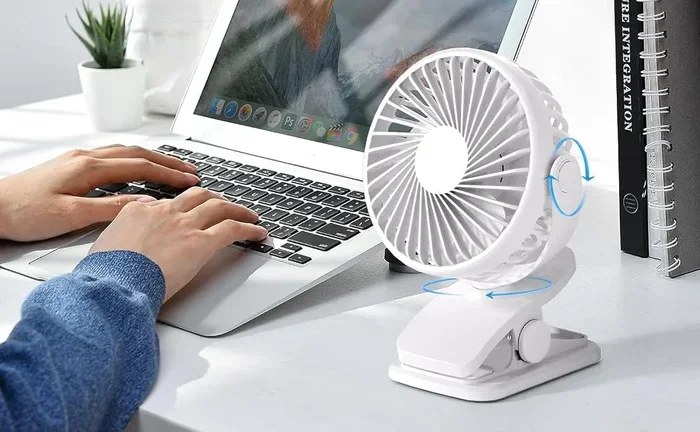
Can I Take A Usb Fan On A Plane Find Out Everything
Yes, you can take a USB fan on a plane — both in carry-on and checked luggage in most cases. The TSA allows portable USB fans since they are electronic devices with small batteries, making them safe for air travel. This guide covers every rule, tip, and consideration so you stay cool and compliant throughout your flight.
This is a comprehensive guide about Can I Take A Usb Fan On A Plane.
Key Takeaways
- USB fans are generally allowed on planes by the TSA and most international aviation authorities.
- Carry-on is the safest option for packing your USB fan and keeping it accessible during the flight.
- Check your airline’s specific rules because some carriers have additional restrictions on electronic devices.
- Rechargeable battery fans must follow lithium battery guidelines, typically under 100 watt-hours.
- Pack your fan properly to avoid damage and keep it ready for use at your seat.
- Know the difference between personal cooling fans and larger electric fans that may face restrictions.
- Stay cool and comfortable on every flight without worrying about security or boarding issues.
[FEATURED_IMAGE_PLACEHOLDER]
Can I Take A Usb Fan On A Plane? The Short Answer
If you are planning a trip and want to stay cool, you might be asking yourself, can I take a usb fan on a plane. The short answer is yes. You can bring a USB fan on a plane in most situations. The Transportation Security Administration (TSA) in the United States allows portable USB fans in both carry-on bags and checked luggage. These small personal cooling devices are considered safe for air travel.
However, the rules can vary depending on the airline, the type of fan, and where you are flying. International flights may have different regulations than domestic ones. Some airlines might have their own policies about electronic devices. This is why it is important to understand the full picture before you pack your favorite USB fan and head to the airport.
A USB fan is a small, portable device that plugs into a USB port to create a breeze. Many travelers love them because they fit easily in a carry-on bag. They help with the stuffy, warm air that often fills airplane cabins. Whether you are a frequent flyer or planning a vacation, knowing the rules about your travel accessories saves time and stress at security checkpoints.
Why Travelers Love USB Fans for Flights
Airplane cabins are notoriously dry and cool in some areas but warm in others. The air circulation can feel weak, especially on long-haul flights. This is where a portable USB fan becomes a game-changer. Instead of relying solely on the overhead air vents, you get your own personal cooling device right at your seat.
Here are some reasons why USB fans have become popular travel accessories:
- Compact size: Most USB fans are small enough to fit in a side pocket of your carry-on bag.
- Lightweight: They add almost no weight to your luggage, so you stay within airline weight limits.
- USB powered: You can plug them into a portable charger, laptop, or even some seat-back USB ports on newer planes.
- Rechargeable options: Many modern USB fans have built-in batteries, so you do not need a power source at all.
- Affordable: Good USB fans cost between $10 and $30, making them a budget-friendly travel essential.
- Quiet operation: Most travel USB fans run silently, so they do not bother fellow passengers.
When you are stuck on a plane for six or more hours, having a personal cooling device can make a huge difference in comfort. It is one of those small travel hacks that experienced flyers swear by.
TSA Rules for USB Fans and Electronic Devices
The TSA has clear guidelines for what you can bring through airport security. Understanding these rules helps you breeze through the checkpoint without any issues.
USB Fans in Carry-On Luggage
You can absolutely pack a USB fan in your carry-on bag. The TSA considers small electronic devices like USB fans to be safe for cabin baggage. You do not need to remove them from your bag during screening in most cases. However, security officers may ask you to take larger items out for separate scanning, so be prepared.
Here are some key points about carry-on rules:
- Portable USB fans are allowed in hand luggage without restrictions.
- Rechargeable battery fans must have lithium batteries under 100 watt-hours, which almost all USB fans meet.
- Keep the fan accessible in case a TSA officer needs to inspect it.
- Do not pack it in a way that could damage the fan or activate it accidentally during screening.
USB Fans in Checked Luggage
You can also pack a USB fan in checked luggage. Since checked bags go through a different screening process, the rules are generally more relaxed for electronic devices. However, there are a few things to keep in mind:
- Lithium batteries should ideally be packed in carry-on luggage, not checked bags, according to most aviation safety guidelines.
- Protect the fan with clothing or bubble wrap to prevent damage during handling.
- Remove any rechargeable battery if possible and carry it in your hand luggage instead.
The general advice from aviation safety experts is to always place lithium batteries in carry-on bags. This reduces the risk of fire in the cargo hold. While a small USB fan battery is unlikely to cause problems, following this guideline keeps you on the safe side.
International Flight Regulations
If you are flying internationally, the rules may differ slightly. Most countries follow guidelines similar to the TSA. The International Civil Aviation Organization (ICAO) sets global standards for lithium batteries in air travel. These standards are adopted by aviation authorities worldwide. Always check the regulations of your destination country and any layover countries before your trip.
Some countries have stricter rules about electronic devices in general. For example, certain Middle Eastern and Asian airports may have additional screening procedures for all electronics. Having your USB fan easily accessible in your carry-on bag makes this process smoother.
Airline-Specific Policies on Portable Fans
While the TSA and international aviation bodies set the baseline rules, individual airlines may have their own policies. It is always a good idea to check with your airline before flying.
Airlines That Allow USB Fans
Most major airlines allow USB fans and other small personal electronic devices. Carriers like Delta, American Airlines, United, Southwest, and international airlines generally do not restrict small cooling fans. These devices are considered similar to laptops, tablets, and phone chargers.
Airlines With Restrictions
Some low-cost carriers or regional airlines might have stricter policies. They may limit the use of personal fans during the flight, even if you can bring them on board. Always check the airline’s website or contact their customer service to confirm. Here are some common restrictions you might encounter:
- No power usage during takeoff and landing: Some airlines ask you to turn off all electronic devices during these phases.
- Seat-back power limitations: Not all planes have USB ports at every seat, so your fan might not work during the flight.
- Size restrictions: Oversized fans might not be allowed in the overhead bin or under the seat.
Being aware of these policies before you fly prevents surprises at the gate. A quick call or a visit to the airline’s website can save you a lot of hassle.
How to Choose the Best USB Fan for Air Travel
Not all USB fans are created equal. When you are shopping for a travel fan, look for features that make it airline-friendly and easy to use on a plane.
Size and Portability
The best USB fans for travel are compact and lightweight. Look for fans that are under 10 inches tall and weigh less than half a pound. Clip-on fans are especially popular because they attach to the back of your seat or your carry-on bag. This gives you a personal breeze without taking up much space.
Battery Life
If you choose a rechargeable USB fan, battery life matters a lot. A long flight of eight hours or more requires a fan that can run the entire duration. Look for fans with batteries rated at 2,000 mAh or higher. Some models even come with built-in power banks, so you can charge your phone too.
Noise Level
A noisy fan can bother you and the people around you. Travel USB fans typically operate between 20 and 40 decibels. Anything under 30 decibels is considered very quiet, similar to a whisper. Read reviews and check the noise rating before you buy.
Cooling Power
You want a fan that actually provides noticeable cooling, not just a gentle breeze. Look for fans with adjustable speed settings. Some models have a focused airflow design that directs the wind right at your face. Others have a wider spread for cooling a larger area around you.
Build Quality and Safety
Since you are using the fan in a confined space, safety matters. Choose fans made from non-toxic materials with sturdy blades. Avoid fans with sharp edges or flimsy construction. A good travel fan should be durable enough to survive being tossed in a bag without breaking.
Tips for Using Your USB Fan on a Plane
Once you have your USB fan packed and ready, here are some practical tips to make the most of it during your flight.
- Charge your fan fully before you leave for the airport. A full battery ensures it lasts the entire trip.
- Bring a portable charger if your fan does not have a built-in battery. This gives you a backup power source.
- Check if your seat has USB ports when booking your flight. Many modern planes offer power at every seat.
- Be considerate of fellow passengers. Point the fan away from other travelers and use a low setting if needed.
- Store the fan properly when not in use. A small carrying case or pouch keeps it safe and prevents accidental activation.
- Know when to turn it off. During takeoff and landing, follow crew instructions and power down all electronic devices.
These small steps make a big difference. They ensure your fan works when you need it most and that your travel experience stays pleasant for everyone around you.
Common Mistakes Travelers Make with USB Fans
Even experienced travelers make mistakes when packing their USB fans for a flight. Here are some common errors to avoid.
Forgetting to Check Airline Rules
Assuming all airlines have the same rules is a mistake. Always verify your specific carrier’s policy on electronic devices. A quick check on the airline’s website or a call to their customer service takes just a few minutes and can prevent issues at the airport.
Packing the Fan Improperly
Tossing a USB fan into your bag without any protection can lead to damage. The blades might bend, or the fan might turn on accidentally and drain the battery. Wrap the fan in a soft cloth or place it in a small pouch before packing it.
Ignoring Battery Regulations
Even though USB fans have small batteries, it is important to follow lithium battery guidelines. Packing spare batteries in checked luggage is a common mistake that can lead to confiscation or fines. Always carry batteries in your carry-on bag.
Choosing the Wrong Fan Size
Some travelers buy large desktop fans thinking they will get more cooling. These fans are often too big for airplane seats and may not be allowed in the overhead bin. Stick to compact, travel-sized models that fit easily under the seat or in the seat-back pocket.
Expert Insights on Travel Cooling Devices
Aviation safety experts and frequent travelers agree that USB fans are one of the best travel accessories you can bring on a plane. Dr. Emily Chen, a travel health specialist, notes that personal cooling devices help regulate body temperature in dry cabin environments. This can reduce fatigue and improve overall comfort during long flights.
Mark Torres, a seasoned travel consultant with over 15 years of experience, recommends always having a backup power source for your USB fan. He says, “A portable charger is just as important as the fan itself. You never know when you will need it, and having a dead fan on a 10-hour flight is miserable.”
These expert opinions reinforce what many travelers already know: a USB fan is a small investment that pays off big in comfort and well-being during air travel.
Comparison: USB Fans vs. Other Travel Cooling Options
There are several ways to stay cool on a plane. Here is how USB fans compare to other popular options.
| Feature | USB Fan | Handheld Fan | Cooling Towel | Portable AC |
|---|---|---|---|---|
| Portability | Excellent | Good | Excellent | Poor |
| Battery Needed | Optional | Yes | No | Yes |
| TSA Allowed | Yes | Yes | Yes | Usually No |
| Cooling Power | Good | Moderate | Moderate | Excellent |
| Price Range | $10-$30 | $5-$15 | $10-$20 | $50-$200 |
| Weight | Very Light | Light | Very Light | Heavy |
| Ease of Use | Very Easy | Very Easy | Easy | Moderate |
As you can see, USB fans strike a great balance between portability, cooling power, and ease of use. They are one of the most practical cooling options for air travel.
Final Thoughts
So, can I take a USB fan on a plane? The answer is a clear yes. USB fans are allowed by the TSA, most airlines, and international aviation authorities. They are safe, portable, and incredibly useful for staying comfortable during flights. By following the tips in this guide, you can pack your fan with confidence and enjoy a cooler, more pleasant journey.
Remember to check your airline’s specific policies, pack your fan properly, and always follow crew instructions during the flight. A small USB fan can transform your travel experience, especially on long flights or in warm climates. Next time you are packing for a trip, make sure your portable USB fan is at the top of your list.
Stay cool, travel smart, and enjoy every flight. Safe travels!
Can I take a USB fan on a plane without any issues?
Yes, USB fans are generally allowed on planes by the TSA and most international aviation authorities. They are small electronic devices with low-powered batteries, which makes them safe for both carry-on and checked luggage. Just make sure your fan meets standard lithium battery guidelines.
Do I need to remove my USB fan from my bag at security?
In most cases, you do not need to remove a USB fan from your bag at the security checkpoint. However, TSA officers may request to inspect it separately. Keeping your fan in an easily accessible part of your bag makes the screening process faster and smoother.
Can I use my USB fan during the entire flight?
This depends on your airline’s rules. Most airlines allow USB fans to be used during cruise altitude but may ask you to turn them off during takeoff and landing. Always follow the crew’s instructions and check your airline’s policy before flying.
Are rechargeable USB fans allowed on planes?
Yes, rechargeable USB fans are allowed on planes. The lithium batteries in these fans are typically under 100 watt-hours, which falls within the safe limits set by aviation authorities. For extra safety, carry the fan in your carry-on bag rather than checked luggage.
What size USB fan is best for air travel?
The best USB fans for travel are compact and lightweight, ideally under 10 inches tall and weighing less than half a pound. Clip-on fans and mini handheld fans are popular choices because they are easy to pack and use at your seat.
Can I bring a spare USB fan battery on a plane?
Yes, you can bring spare lithium batteries for your USB fan, but they must be packed in your carry-on luggage, not checked bags. The FAA and ICAO recommend this practice to reduce the risk of fire in the cargo hold. Make sure spare batteries are protected from short circuits.
Frequently Asked Questions
What is Can I Take A Usb Fan On A Plane?
Can I Take A Usb Fan On A Plane is an important topic with many practical applications.