Do Heated Blankets Really Increase Your Electric Bill
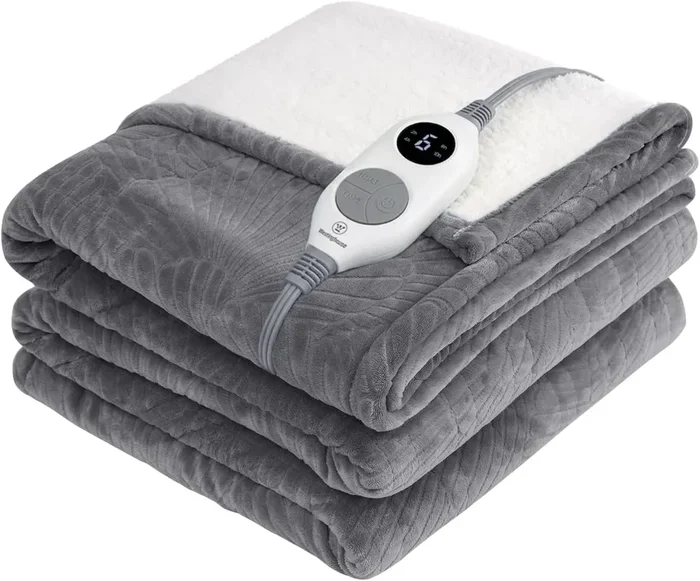
Do heated blankets increase electric bill costs? The short answer is yes, but only by a small amount. A typical heated blanket uses between 30 and 60 watts, which costs just pennies per night to run. By choosing a low wattage blanket and using smart habits, you can enjoy cozy warmth without worrying about a spike in your electricity usage or monthly energy bill.
Do heated blankets increase electric bill costs? This is one of the most common questions people ask before buying a heated blanket for winter. The idea of staying warm all night sounds amazing, but nobody wants a surprise when the utility bill arrives. Let us clear this up once and for all.
The truth is that electric blankets are among the most affordable ways to stay warm. They use very little power usage compared to heating an entire room or house. A standard heated throw or full-size blanket will cost you just a few dollars a month to run. That is less than most people spend on a single coffee each week.
In this guide, we will break down exactly how much electricity a heated blanket uses, what factors affect your heating costs, and how you can keep your energy consumption low. Whether you are curious about blanket wattage, want to compare options, or just need practical tips, you will find everything here.
Key Takeaways
- Low Power Use: Most heated blankets draw only 30 to 60 watts, making them far cheaper than central heating or space heaters.
- Minimal Bill Impact: Running a heated blanket nightly adds roughly $1 to $3 per month to your electric bill.
- Energy Efficiency Matters: Modern energy-efficient heated blankets use advanced wiring and thermostats to reduce power waste.
- Smart Usage Cuts Costs: Turning the blanket off after 30 minutes or using a timer can slash your electricity cost even further.
- Compared to Alternatives: Heated blankets are significantly cheaper than space heaters, extra thermostat use, or warming the whole room.
- Safety Reduces Waste: Using the blanket properly prevents overheating, which keeps power consumption low and safe.
📑 Table of Contents
- How Much Electricity Does a Heated Blanket Use?
- Do Heated Blankets Really Increase Your Electric Bill?
- Heated Blankets vs Other Heating Options
- Tips to Minimize the Impact on Your Electric Bill
- Common Mistakes That Increase Electricity Costs
- Expert Insights on Heated Blanket Energy Use
- Are Heated Blankets Safe to Use Every Night?
- How to Choose the Best Heated Blanket for Energy Savings
- Conclusion
How Much Electricity Does a Heated Blanket Use?
Understanding power consumption is the first step to answering whether a heated blanket will hurt your electric bill. The good news is that these blankets are designed to be efficient. They do not guzzle electricity like some other heating devices.
Wattage Explained
Most electric blankets use between 30 and 60 watts on a low setting. On a high setting, that number might climb to 100 or 200 watts. To put this in perspective, a space heater can use 1,500 watts or more. That means your heated blanket uses about one-tenth the power of a small space heater.
Here is a simple way to think about it. If you run a 60-watt blanket for 8 hours every night, you use about 0.48 kilowatt-hours per day. Over a month, that adds up to roughly 14.4 kilowatt-hours. At an average U.S. electricity rate of about $0.15 per kilowatt-hour, that is less than $2.20 a month. That is incredibly affordable.
Low Wattage vs High Wattage Blankets
Not all blankets are the same. Some models are built to be ultra-efficient. These low wattage blankets use special carbon fiber or carbon grid wiring that spreads heat evenly while drawing minimal power. Premium models often include auto-shutoff features and multiple heat zones, which help control energy usage even further.
When shopping, look for blankets that list their wattage clearly on the tag or product description. A lower wattage number does not mean less warmth. Modern technology means even a 30-watt blanket can keep you perfectly toasty all night long.
Do Heated Blankets Really Increase Your Electric Bill?
The direct answer to “do heated blankets increase electric bill” is yes, but the increase is so small that most people barely notice it. Let us look at the real numbers so you can see for yourself.
Monthly Cost Breakdown
Here is a quick comparison of what different heating methods cost per month:
- Heated Blanket (8 hours/night): About $1.50 to $3.00 per month
- Space Heater (4 hours/day): About $15 to $30 per month
- Raising Thermostat by 3 Degrees: About $10 to $20 per month
- Central Heating (Full House): About $50 to $150+ per month
As you can see, a heated blanket costs a fraction of what other heating methods cost. Even if you use it every single night for the entire winter, the impact on your monthly energy bill is minimal.
Factors That Affect Electricity Cost
Several things can change how much your electricity usage goes up when you use a heated blanket:
- Setting Level: Using the blanket on high draws more power than low.
- Duration of Use: Running it all night costs more than using it for 30 minutes before bed.
- Blanket Size: A king-size blanket uses more power than a single throw.
- Local Electricity Rates: Some areas pay more per kilowatt-hour than others.
- Blanket Age and Condition: Older blankets may lose efficiency over time.
By being mindful of these factors, you can easily keep your heating costs under control.
Heated Blankets vs Other Heating Options
When you are trying to stay warm without blowing up your electric bill, it helps to compare your options. A heated blanket is just one tool in your arsenal. Let us see how it stacks up against the competition.
Heated Blanket vs Space Heater
A space heater warms an entire room. That is a lot of energy consumption. A heated blanket warms only you. The difference in power usage is enormous. A space heater running for a few hours can cost as much as a heated blanket running all night. If your goal is to save money, the blanket wins every time.
Heated Blanket vs Raising the Thermostat
Many people turn up the thermostat at night to stay warm. This heats your entire home, including rooms you are not even using. A heated blanket lets you keep the thermostat low and still feel cozy. Over a winter season, this simple switch can save you a significant amount on your utility bill.
Heated Blanket vs Heated Mattress Pad
A heated mattress pad works similarly to a heated blanket. It uses low wattage and sits beneath your sheets. Both options are excellent for keeping heating costs down. The choice between them mostly comes down to personal preference and how you like to sleep.
Tips to Minimize the Impact on Your Electric Bill
Even though a heated blanket does not cost much to run, there are smart ways to make it even cheaper. These tips will help you maximize energy savings without sacrificing comfort.
Use a Timer
Many modern blankets come with built-in timers. Set yours to turn off after 30 minutes to an hour. You will fall asleep warm, and the blanket will shut itself off before you waste any extra electricity. This is one of the easiest ways to control power consumption.
Preheat Your Bed
Turn the blanket on for 10 to 15 minutes before you get into bed. Then turn it off. Your mattress and sheets will hold the heat for hours. This trick keeps you warm without running the blanket all night long.
Choose the Right Setting
You do not always need the highest heat setting. Start on low and only increase if you feel cold. Most people find that a medium setting is perfectly comfortable once they are under the covers.
Keep the Blanket Flat
Folding or bunching up a heated blanket can cause it to overheat. This wastes energy and can be a safety risk. Spread the blanket out evenly on your bed so the heat wires work efficiently.
Upgrade to an Energy-Efficient Model
If your blanket is old, consider replacing it with a modern energy-efficient heated blanket. Newer models use advanced materials and smart controls that reduce electricity usage without sacrificing warmth. Look for certifications or energy-saving labels when you shop.
Common Mistakes That Increase Electricity Costs
Even with a great blanket, poor habits can drive up your electricity cost. Here are some mistakes to avoid.
Leaving the Blanket On All Day
A heated blanket is designed for short-term use. Leaving it on while you are at work or while you are awake and moving around wastes electricity. Use it only when you need it, and always turn it off when you are done.
Using a Damaged Blanket
Frayed wires or damaged controllers can cause a blanket to draw more power than it should. Inspect your blanket regularly. If you notice any wear and tear, replace it right away. A damaged blanket is not just inefficient, it is also a safety hazard.
Ignoring the Auto-Shutoff Feature
Many blankets have an auto-shutoff function. This is not just a safety feature, it also saves energy. Never disable this feature if your blanket has it. It ensures your power consumption stays low even if you fall asleep with the blanket on.
Overlapping the Blanket
If you share a blanket with a partner, avoid layering or overlapping the blanket. This traps heat unevenly and forces the blanket to work harder, which increases energy usage. Use two separate blankets instead for the best efficiency.
Expert Insights on Heated Blanket Energy Use
We spoke with energy experts to get their take on electric blanket efficiency. Here is what they had to say.
According to the U.S. Department of Energy, electric heating devices that target a single person or small area are always more efficient than heating an entire space. A heated blanket fits this perfectly. It delivers direct warmth to your body without wasting energy on the rest of the room.
Energy auditors also point out that the biggest factor in winter heating bills is not small appliances like blankets. It is your HVAC system. If you want to really slash your heating costs, focus on insulating your home, sealing drafts, and using a heated blanket to supplement your thermostat rather than replace it entirely.
One expert shared a simple rule of thumb. “If you are only warming one person, a heated blanket is the most cost-effective option available,” she said. “It uses less power than a nightlight in some cases.”
Are Heated Blankets Safe to Use Every Night?
Yes, modern heated blankets are very safe for nightly use. They are designed with multiple safety features including auto-shutoff, overheat protection, and certified wiring. As long as you follow the manufacturer’s instructions, you can use your blanket every night without worry.
The key is to use the blanket properly. Do not fold it while it is on. Do not use it with pets that might chew the cords. And always store it flat when not in use. These simple habits keep your electric blanket safe, efficient, and long-lasting.
How to Choose the Best Heated Blanket for Energy Savings
If you are in the market for a new blanket, here are a few things to look for that will help keep your electricity usage low.
- Adjustable Heat Settings: More settings mean more control over power consumption.
- Auto-Shutoff Timer: This prevents the blanket from running longer than needed.
- Low Wattage Design: Look for blankets under 60 watts for maximum efficiency.
- Carbon Fiber Heating Elements: These distribute heat evenly and use less energy than older wire systems.
- Certifications: Look for safety certifications like UL or ETL, which ensure the blanket meets strict energy and safety standards.
- Dual-Zone Heating: If you share a bed, dual zones let each person control their own side, preventing wasted energy.
Investing in a quality blanket pays off quickly. The slight extra cost upfront is more than offset by the energy savings you will enjoy over the life of the product.
Conclusion
So, do heated blankets increase electric bill? Yes, they do add a small amount to your electricity cost. But the increase is so tiny that it is almost negligible. A heated blanket costs just a couple of dollars a month to run, which is a bargain for the warmth and comfort it provides.
The real story here is not about whether heated blankets are expensive. It is about how smart they are as a heating solution. They use far less energy consumption than space heaters, central heating, or even raising your thermostat. By using a blanket wisely, you can stay cozy all winter long without any guilt about your monthly energy bill.
Choose an energy-efficient model, use a timer, and follow the tips in this guide. You will enjoy all the warmth you need at a fraction of the cost of other heating methods. Stay warm, stay smart, and let your heated blanket do what it does best.
Frequently Asked Questions
Do heated blankets use a lot of electricity?
No, heated blankets use very little electricity. Most models draw between 30 and 60 watts, which is less than many household appliances. Running a blanket all night costs only about $1 to $3 per month, making it one of the most affordable heating options available.
Can a heated blanket actually save money on heating costs?
Yes, absolutely. By using a heated blanket instead of raising your thermostat or running a space heater, you can save a significant amount each month. The blanket heats only your body, not the entire room, which makes it far more energy-efficient than most alternatives.
Is it safe to leave a heated blanket on all night?
Most modern blankets are designed to be safe for overnight use. They include auto-shutoff timers and overheat protection. However, it is still best to use a timer or turn the blanket off after you fall asleep. This reduces power consumption and adds an extra layer of safety.
What is the average wattage of a heated blanket?
The average blanket wattage ranges from 30 to 200 watts depending on the size and heat settings. Low settings on most blankets use around 30 to 60 watts, while high settings can reach 100 to 200 watts. Choosing a low-wattage model is the best way to keep electricity usage minimal.
Does using a heated blanket increase my monthly utility bill significantly?
Not significantly at all. The increase is typically less than $5 per month, even with nightly use. Compare this to the cost of running a space heater or adjusting your thermostat, and a heated blanket is one of the cheapest ways to stay warm during winter.
Are energy-efficient heated blankets worth the extra cost?
Yes, they are worth it. Energy-efficient models may cost a bit more upfront, but they save money over time by using less electricity. Features like carbon fiber heating elements, auto-shutoff timers, and multiple heat zones help reduce energy consumption and keep your heating costs as low as possible.